
ختم النبوّة في الإسلام
إنّ مفهوم ختم النبوّة، الذي يعني نهاية النبوة، قد برز كإحدى العقائد الدينيّة أساسيّة في الإسلام. ومنذ وفاة محمد في العام 632، أصبح هذا المفهوم من المفاهيم المتعدّدة المثيرة للجدل والمتعلّقة بالنبوّة، وبالقرآن، والقداسة، والكفر، وبصورة أشمل، إرث النبي.
تسلّط هذه الدراسة الضوء، استنادًا إلى المصادر الإسلاميّة، لا سيّما التفسيرات، والحديث، وأعمال المؤرّخين، وعلم اللّغة، على التحدّيات التي تواجهها هذه المسائل المثيرة للجدل، وتعرض للتحليل تطوّر هذا العقيدة وإعادة تفسيرها منذ العصور الأولى للإسلام حتى يومنا هذا، وذلك من خلال نصوص تابعة لتسعة مفكّرين مسلمين لا يتمّ في العادة الرجوع إليها بشكل كبير. وتساهم هذه الدراسة، كونها دقيقة وتعليميّة ومتاحة، في فتح أفق جديدة في نُهج الإسلام المعاصر.
La notion de khatm al-nubuwwa, en tant que fin de la prophétie, s’est imposée comme une doctrine théologique fondamentale en Islam. Dès la mort de Muḥammad en 632, elle fut au cœur de multiples controverses relatives à la prophétie, au Coran, à la sainteté, à l’excommunication et, plus globalement, à l’héritage du Prophète.
S’appuyant sur les sources islamiques, en particulier l’exégèse, le ḥadīth, mais aussi l’historiographie et la philologie, cette étude met en lumière les enjeux de ces controverses et soumet à l’analyse, à travers les textes peu fréquentés de neuf penseurs musulmans, l’évolution et les réinterprétations de cette doctrine depuis les premiers siècles de l’Islam et jusqu’à nos jours. Minutieuse, instructive et accessible, cette étude contribuera à ouvrir de nouvelles perspectives d’approches de l’Islam contemporain.
–> Lire la recension de cet ouvrage par Emmanuel Pisani : https://journals.openedition.org/mideo/6232
The notion of khatm al-nubuwwa, as the end of prophethood, has emerged as a fundamental theological doctrine in Islam. From the death of Muḥammad in 632, it was at the heart of multiple controversies relating to prophethood, the Qur’an, sainthood, excommunication and, more generally, the Prophet’s legacy.
Drawing on Islamic sources, in particular exegesis, the ḥadīth, but also historiography and philology, this study highlights the issues at stake in these controversies and submits for analysis, through the little-known texts of nine Muslim thinkers, the evolution and reinterpretations of this doctrine from the first centuries of Islam to the present day. Meticulous, instructive and accessible, this study will contribute to opening new perspectives on contemporary Islam.
للمؤلف نفسه على بلوريال
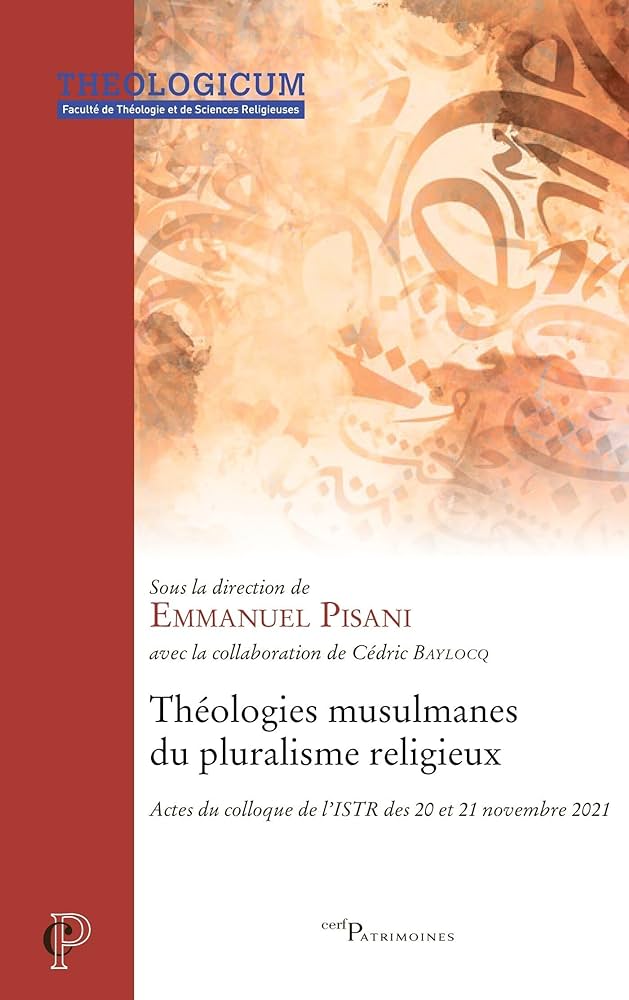 عبد المتعال الصعيدي (1894-1971): دفاعٌ عن الحرية الدينية
يوسف سنغري صدر عام 2024 ضمن المؤلَّف الجماعي الذي حرّره إيمانويل بيزاني لدى دار Éditions du Cerf (وقائع ندوة معهد علوم الأديان واللاهوت ISTR المنعقدة يومَي…
أكتس ندوة 20-21 نوفمبر 2021: لاهوتيات التعددية الدينية في الإسلام
إيمانويل بيساني · سيدريك بايلوك · آن صوفي فيفيه موريسان · زهرة آزيادي زميرلي · شربل عطا الله · هاويس سينيغير · يوسف سنغري يقدم هنا مختبر معهد علم الأديان واللاهوت في باريس (ثيولوجيكوم، ICP) ثمرة أربع سنوات من الأبحاث حول موضوع التعددية الدينية في الإسلام. بينما انخرط…
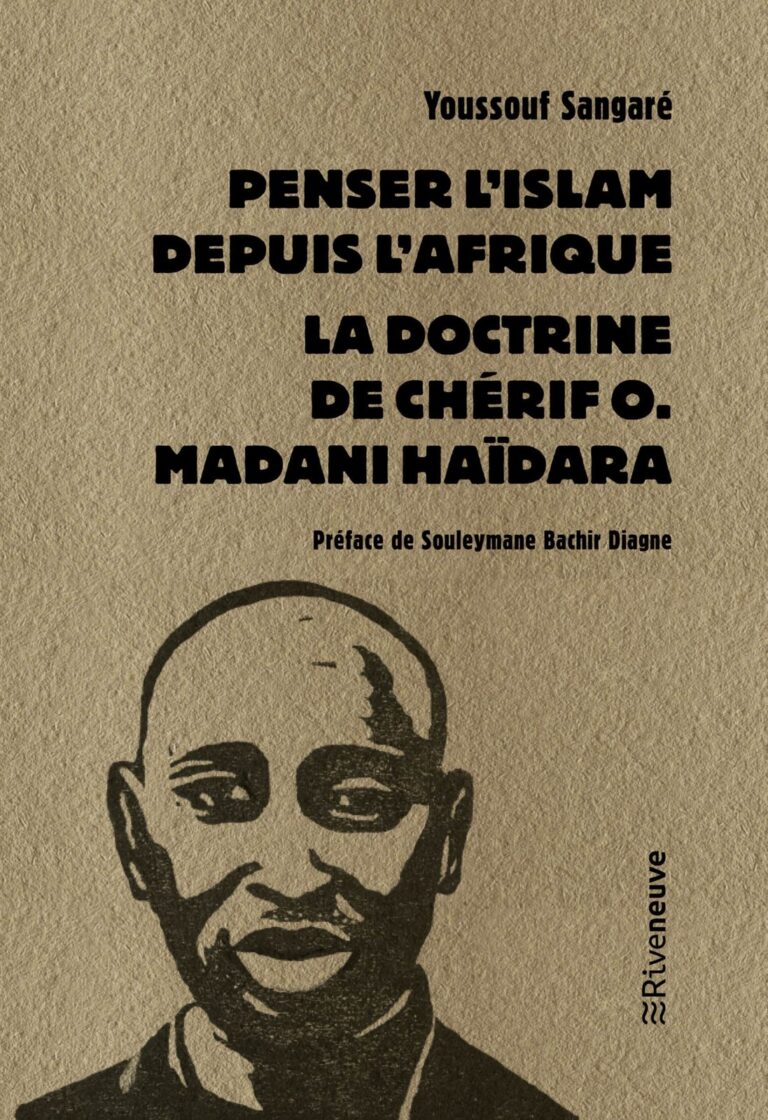 التفكير في الإسلام انطلاقاً من أفريقيا: عقيدة الشريف عثمان مدني حيدرة
يوسف سنغري ظلّ الإسلام جنوب الصحراء طويلاً من أكثر المجالات إهمالاً في الدراسات الإسلامية، غير أنّه يبقى فضاءً تُعاد فيه صياغة العقائد الإسلامية. وخلافاً للصورة النمطية…
موارد ذات صلة: التراث النبوي
 خاتم النبيّين ومنظوره الإبراهيمي الشامل: محمد وعيسى ابن مريم في حوار
ماركو ديميشيليس Original title : "The Khatim an-Nabiyyin (The Seal of the Prophets) and Its Inclusive Abrahamic Perspective: Muhammad and ‘Isa ibn Maryam in Dialogue" Abstract…
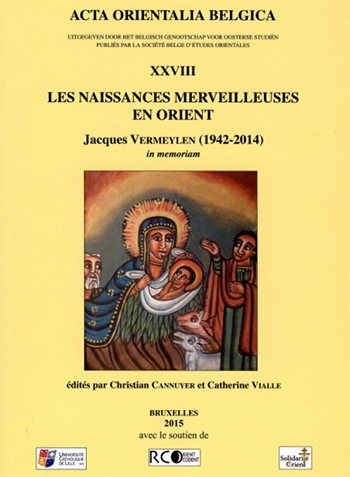 ولادة النبي محمّد: مقاربة موضوعية وأدبية للنصوص التقليدية
سمير أرباش تكتسي مقاربتُنا للنصوص التي تتناولُ ولادة النبي محمّد وطفولته في السيرةِ طابعاً أدبياً أكثر منه تاريخيّاً. فقد بدا لنا مناسباً أن نعيدَ النظرَ في…