
بحث عن تحديث للإسلام. دروب معاصرة
في الوقت الحالي، يعيشُ العالمُ العربي- المسلم بحسب رأينا، خصوصاً البلدان التي تأثّرت بالربيع العربي حالةً من الاضطرابات والتقلّبات تشبه تلك التي عرفتها أوروبا في عصر الإصلاح والحروب الدينية. هل يؤدّي هذا السياق إلى “مجموعةٍ من الحلول الجذريّة” أو إلى “تحوّل ثقافيّ واجتماعيّ فعليّ” أي إلى تحديث حقيقي ينظّمُ العلاقةَ بين الدين والسياسةِ ويسمحُ بتعزيز العيش المشترك السلميّ؟
في الوقت الحالي، يعيشُ العالمُ العربي- المسلم بحسب رأينا، خصوصاً البلدان التي تأثّرت بالربيع العربي حالةً من الاضطرابات والتقلّبات تشبه تلك التي عرفتها أوروبا في عصر الإصلاح والحروب الدينية. هل يؤدّي هذا السياق إلى “مجموعةٍ من الحلول الجذريّة” أو إلى “تحوّل ثقافيّ واجتماعيّ فعليّ” أي إلى تحديث حقيقي ينظّمُ العلاقةَ بين الدين والسياسةِ ويسمحُ بتعزيز العيش المشترك السلميّ؟
كي يجيب على هذا السؤال، يلجأ الكتابُ إلى مقارنة تنظيم المجتمع في الفكر الغربي من جهة وفي الفكر العربي- المسلم من جهة أخرى. فيُحلّلُ مفاهيم الأماكن العامة، وشرعية السلطة السياسية ومصادر التفكير القانوني وفقًا للتيّارات الفكرية الإصلاحية و الليبرالية الإنسانية الإسلامية الحديثة. بعدئذٍ يضع سلسلة نسب للجهات الفاعلة الجديدة ووجهات النظر الناشئة في هذَين التيّارَين بغية تحديد تطوّرها وانقساماتها. نهايةً يستندُ هذا البحثُ إلى هذه التطورات والانقاسامات كي يعرضَ مقاربةً منهجيةً لتحديث الدين الإسلامي.
À l’heure actuelle et à notre sens, le monde arabo-musulman, plus particulièrement les pays touchés par le printemps arabe, se trouve dans une situation de bouleversement, comparable à celle qu’avait connue l’Europe à l’époque de la Réforme et des guerres de Religion. Ce contexte peut-il mener à “un ensemble de solutions radicales” ou à une “véritable transformation culturelle et sociale”, c’est-à-dire à un véritable aggiornamento régulant le lien entre le religieux et le politique et permettant le mieux vivre-ensemble dans la paix ?
Pour répondre à cette question, ce livre se permet d’abord de comparer l’organisation de la société dans la pensée occidentale et dans la pensée arabo-musulmane. Il analyse les conceptions de l’espace public, de la légitimité du pouvoir politique et des sources de la réflexion juridique selon les courants intellectuels réformistes et libéraux humanistes musulmans modernes. Il fait ensuite une généalogie des nouveaux acteurs et des perspectives émergentes dans ces deux courants afin d’en identifier les évolutions et les ruptures. Inspirée de ces évolutions et ruptures, cette recherche présente enfin une approche procédurale d’un aggiornamento musulman.
Autres mots clés: Developmental State, al-Azhar, ʻAbd al-Jawād Yāsīn, Saʻd al-Dīn al-Hilālī, ʻAlī Mabrūk, Sharīf Yūnus, Ṣalāḥ Sālim.
Can the upheavals in the Arab-Muslim world lead to an aggiornamento regulating the link between religion and politics and making it possible to live better together in peace? To answer this question, this book first compares the organization of society in Western thought and in Arab-Muslim thought. He analyzes the conceptions of public space, the legitimacy of political power and the sources of legislation according to modern Muslim reformist and liberalist humanist intellectual currents.
Back cover:
At present and in our opinion, the Arab-Muslim world, more particularly the countries affected by the Arab Spring, is in a situation of upheaval, comparable to that which Europe experienced at the time of the reform and religious wars. Can this context lead to “a set of radical solutions” or to a “real cultural and social transformation”, that is to say to a real aggiornamento regulating the link between religion and politics and allowing better living? -together in peace? To answer this question, this book first compares the organization of society in Western thought and in Arab-Muslim thought. He analyzes the conceptions of public space, the legitimacy of political power and the sources of legislation according to modern Muslim reformist and liberalist humanist intellectual currents. He then makes an initial genealogy of new players and emerging perspectives in these two trends in order to identify their evolutions and ruptures. Inspired by these evolutions and ruptures, this research finally presents a procedural approach of a Muslim aggiornamento.
Other keywords: Developmental State, al-Azhar, ʻAbd al-Jawād Yāsīn, Saʻd al-Dīn al-Hilālī, ʻAlī Mabrūk, Sharīf Yūnus, Ṣalāḥ Sālim.
¿Pueden los trastornos en el mundo árabe-musulmán conducir a un aggiornamento que regule el vínculo entre religión y política y haga posible vivir mejor juntos en paz? Para responder a esta pregunta, este libro primero compara la organización de la sociedad en el pensamiento occidental y en el pensamiento árabe-musulmán. Analiza las concepciones del espacio público, la legitimidad del poder político y las fuentes de la legislación según las corrientes intelectuales reformistas musulmanas modernas y humanistas liberales.
Contraportada:
En la actualidad y en nuestra opinión, el mundo árabe-musulmán, más en particular los países afectados por la Primavera Árabe, se encuentra en una situación de convulsión, comparable a la que había conocido Europa en la época del reforma y guerras religiosas. ¿Puede este contexto conducir a “un conjunto de soluciones radicales” oa una “transformación cultural y social real”, es decir, a un aggiornamento real que regule el vínculo entre religión y política y permita vivir mejor? -juntos en paz? Para responder a esta pregunta, este libro primero compara la organización de la sociedad en el pensamiento occidental y en el pensamiento árabe-musulmán. Analiza las concepciones del espacio público, la legitimidad del poder político y las fuentes de la legislación según las corrientes intelectuales reformistas musulmanas modernas y humanistas liberales. A continuación, realiza una genealogía inicial de nuevos actores y perspectivas emergentes en estas dos tendencias para identificar sus evoluciones y rupturas. Inspirada en estas evoluciones y rupturas, esta investigación finalmente presenta un enfoque procedimental de un aggiornamento musulmán.
Otras palabras clave: Estado de desarrollo, al-Azhar, ʻAbd al-Jawād Yāsīn, Saʻd al-Dīn al-Hilālī, ʻAlī Mabrūk, Sharīf Yūnus, Ṣalāḥ Sālim.
للمؤلف نفسه على بلوريال
 الآخر الإبستمولوجي في دراسات الإسلاموية: من ما بعد الكولونيالية إلى الغيرية المعرفية النسقية
وائل صالح أصدر وائل صالح، عضو لجنة التنسيق في المنصة الجامعية للدراسات حول الإسلام، دراسةً جديدة عن تريندز للبحوث والاستشارات في أبوظبي، صدرت في 21 أكتوبر/تشرين…
 وائل صالح: «الاعتراف بلا حصر لتحرير النقاش العام من مصادرة الهويّات»
وائل صالح في مقالة رأي نُشرت يوم 20 تمّوز/يوليو 2026 على صفحات صحيفة Le Devoir الكنديّة، يقترح الباحث وائل صالح، عضو اللجنة العلميّة لـالمنصّة الجامعيّة للدراسات…
 دراسة الإسلاموية بين أزمة المعرفة وزيف التمثيل
وائل صالح ينتمي هذا الكتاب لـوائل صالح، الباحث الرئيسي في مركز تريندز للبحوث والاستشارات والأستاذ المشارك في معهد الدراسات الدولية بمونتريال (IEIM) التابع لجامعة كيبيك في…
 دراسات التطرّف المؤدّي إلى العنف باسم الإسلام: تصنيف الجهات الفاعلة النظريّة بغية فهم التحدّيات المعرفية والأخلاقية
وائل صالح هل يمكن اعتبار التحريض على العنف أو إضفاء الشرعية الإيديولوجية أو الدينية أو النظرية عليه بغية تبريره أو التقليل من شأنه، عملاً عنيفًا؟ وفقًا…
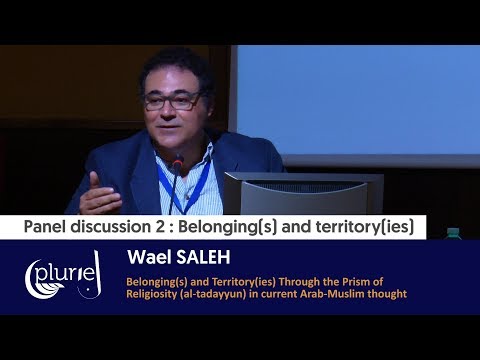 الانتماء (الانتماءات) والأرض (الأراضي) من منظور التديّن في الفكر العربي الإسلامي الحالي
وائل صالح محاضرة ألقاها وائل صالح في المؤتمر الدولي الثاني الذي نظّمته شبكة PLURIEL في روما. كما لاحظ المفكّر السوري برهان غليون [1] والمؤرّخ الفرنسي دومينيك…
موارد ذات صلة: الإسلام الليبرالي
 الإصلاح في الإسلام: بعض طرائق الفهم
كريم إفراك “هل يجب إخضاع الإسلام إلى الإصلاح اليوم؟” إنّه سؤال بسيط ظاهريّاً إنّما معقّد في الواقع، يُطرح غالبًا في ضوء التجاوزات الكثيرة التي تُرتكب باسمه…
 أصوات الإسلام الحديث. الفكر العربي -الإسلامي بين التجديد والتقليد
باولو برانكا منذ صدور كتاب ويبر، تناولت كتاباتٌ كثيرة ، وستتناولُ مؤلّفات كثيرة أخرى كما يسهل توقّعه، العلاقة بين الإسلام والحداثة. وهذا هو السبب الذي يجعل…
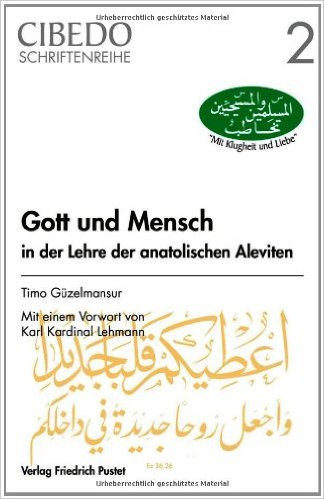 الله والإنسان في تعاليم علويّي الأناضول
تيمو غوزيلمانسور العدد 2 من سلسلة منشورات مركز اللقاء والتوثيق المسيحي الإسلامي CIBEDO المقدمة بقلم كارل كاردينال ليمان يُعتبرُ علويّو الأناضول مجموعةً أخرى مهمّةً في الإسلام…