Congrès Pluriel · 4–7 February 2024 · Abu Dhabi, United Arab Emirates
Islam and fraternity
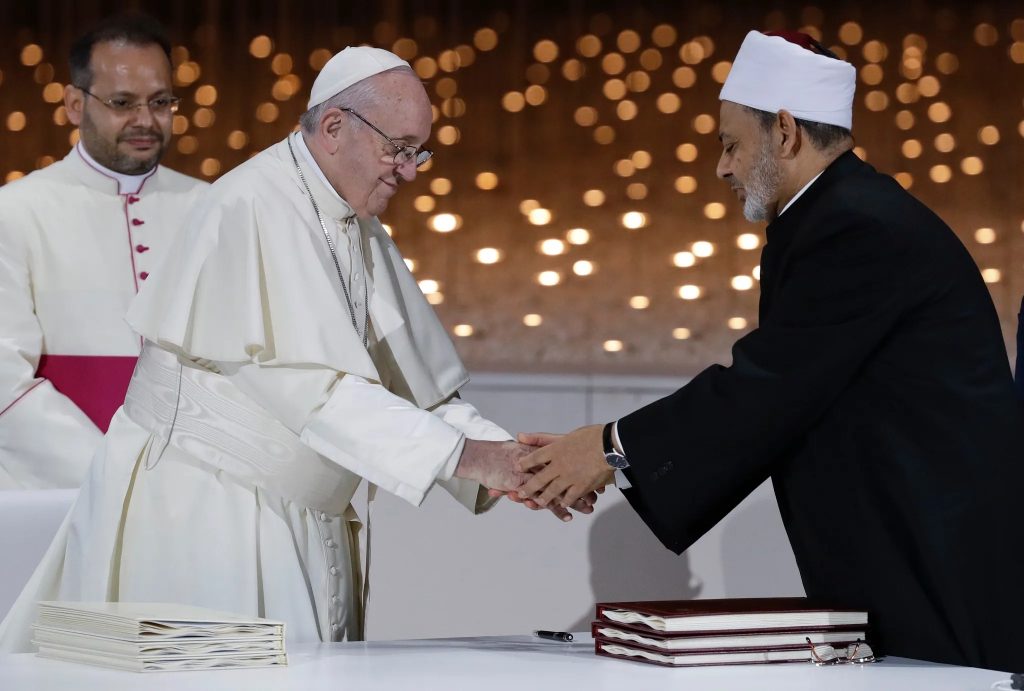
In Abu Dhabi, Pluriel's 4th international congress examined the impact and prospects of the Document on Human Fraternity.
Argument
Impact and prospects of the Document on human fraternity
The fourth international Pluriel congress, scheduled for 4 to 7 February 2024 in Abu Dhabi, is an important opportunity to examine in depth the impact and prospects of the Document on Human Fraternity, signed five years ago by Pope Francis and the Grand Imam of Al-Azhar Ahmad al-Tayib. This conference builds upon previous conferences, such as “Islam in the Plural” in 2016, “Islam and Belongings” in 2018, and “Islam and Otherness” in 2022, which have brought together researchers specialising in various areas of Islamology.
The central theme of this congress is the impact of the Document on Human Fraternity on the coexistence between Christians and Muslims in the world, as well as future prospects. The primary goal is to assess the reception of this document on its fifth anniversary and to explore the transformations needed to promote universal human brotherhood in the social, political and theological fields.
The congress will feature three main areas of analysis, fostering synergies and exchanges between them. These axes will make it possible to explore the various dimensions and challenges inherent in the promotion of human fraternity, and to engage in in-depth reflection within a multidisciplinary framework.
1. The socio-legal theme will examine the issue of full citizenship in multicultural and multi-religious societies, with particular emphasis on the legal protection of religious minorities. The aim will be to assess good practice as well as concerns relating to freedom of religion and the recognition of minority rights.
2. Geopolitics will examine the role of religion and ideology in current conflicts. It will seek to identify positive examples of processes aimed at countering religious extremism and intolerance. It will also explore how governments and international organisations can engage religious actors in promoting common goals such as sustainable development, human rights and peace.
3. The theological-dialogical axis explores the theological reflection prompted by the Document on Human Fraternity. It questions how Christians and Muslims are rethinking their understanding of brotherhood and mission in response to this ideal of inclusive brotherhood. This raises questions about traditional interpretations, the term ‘fraternity’ and its religious significance. How can Christianity and Islam develop a notion of brotherhood that encompasses all humanity?
In partnership with
With the support of
body {background-color:#165F70!important;} #img-culture img {max-width:100%;} #img-culture {margin-bottom:14px;float:left;} #prog-logos-maconnerie {width:100%;position:relative;} @media (min-width: 800px) { #prog-logos-maconnerie { width: 100%; position: relative; float: left; display: flex; flex-wrap: wrap; align-items: center; justify-content: space-between!important; flex-direction: row; }} #prog-logos1 {position:relative;float:left;background-color:#104E5B;background-size:90%;width:25%;border-radius:15px;padding:25px;text-align: center;margin-right:5px;margin-bottom:5px;} #prog-logos1 img {max-width:175px!important;} #prog-logos1b {position:relative;float:left;background-color:#104E5B;background-size:90%;width:35%;border-radius:15px;padding:25px;text-align: center;margin-right:5px;margin-bottom:5px;} #prog-logos1b img {max-width:175px!important;} #prog-logos2 {position:relative;float:left;background-color:#104E5B;background-size:90%;width:22%;border-radius:15px;padding:25px;text-align: center;margin-right:5px;margin-bottom:5px;} #prog-logos2 img {max-width:175px!important;} @media (max-width: 600px) { #prog-logos1 {width:100%;} #prog-logos1b {width:100%;} #prog-logos2 {width:100%;} } #prog-maconnerie {width:100%;position:relative;} #prog-cong-type-1 {width:100%;background:#4d7380;border-radius:10px;padding-top:15px;padding-bottom:10px;padding-left:20px;padding-right:20px;margin-bottom:15px;float:left;opacity:0.8; transition: .45s cubic-bezier(0.02, 0.59, 0.38, 1.01);} #prog-cong-type-1:hover {opacity:1; transition: .45s cubic-bezier(0.02, 0.59, 0.38, 1.01);} #prog-cong-heure {font-family:"EB Garamond", serif;opacity:0.8;font-size:16px;float:left;width:20%;height:30px;} #prog-cong-ar-heure {font-family:"EB Garamond", serif;opacity:0.8;font-size:16px;float:right;width:20%;height:30px;} #prog-cong-titre {font-family:"Raleway", sans-serif;font-size:18px;font-weight:400;} #prog-cong-type-2 {position:relative;width:100%;background:white;border-radius:10px;padding-top:18px;padding-bottom:22px;padding-left:25px;padding-right:25px;color:black;margin-bottom:10px;height:auto;float:left;opacity:0.8;transition: .45s cubic-bezier(0.02, 0.59, 0.38, 1.01);} #prog-cong-type-2:hover {opacity:1; transition: .45s cubic-bezier(0.02, 0.59, 0.38, 1.01); box-shadow: 0 0 5px black; } .prog-cong-bg { position: relative; width: 20% !important; height: 100px; background-size: cover; background-position: center; background-color:#c2c9cd; border-radius: 10px; float: left; margin-right: 15px; margin-bottom: 10px; } .prog-cong-ar-bg { position: relative; width: 20% !important; height: 100px; background-size: cover; background-position: center; background-color:#c2c9cd; border-radius: 10px; float: right; margin-left: 15px; margin-bottom: 10px; } .prog-cong-bg2 { position: relative; width: 15% !important; height: 100px; background-size: cover; background-position: center; background-color:#c2c9cd; border-radius: 10px; float: left; margin-right: 15px; margin-bottom: 10px; } .prog-cong-ar-bg2 { position: relative; width: 15% !important; height: 100px; background-size: cover; background-position: center; background-color:#c2c9cd; border-radius: 10px; float: right; margin-left: 15px; margin-bottom: 10px; } @media (min-width: 800px) { #prog-maconnerie { width: 100%; position: relative; float: left; display: flex; flex-wrap: wrap; align-items: stretch; justify-content: space-between!important; flex-direction: row; } #prog-cong-type-2 { width:49%; margin-right:0; } .prog-cong-bg {width: 30% !important; height: 90px;} .prog-cong-ar-bg {width: 30% !important; height: 90px;} } #prog-cong-type-2 #prog-cong-titre {float:left;width:100%;font-family:"EB Garamond", serif;font-size:20px;font-weight:400;line-height:115%;} #prog-cong-type-2 .prog-cong-titre {font-family:'EB Garamond', serif;font-size:20px;font-weight:400;line-height:115%;} #prog-cong-type-2 #prog-cong-nom {width:100%;font-family:"Raleway", serif;font-size:16px;font-weight:600;line-height: 115%;} #prog-cong-nom a {color:black;} #prog-cong-box-nom { background:#eeeeee; border-radius: 10px; padding: 7px 8px 5px 8px; margin-bottom: 3px; transition: .45s cubic-bezier(0.02, 0.59, 0.38, 1.01); } #prog-cong-box-nom:hover { background:#fff; transition: .45s cubic-bezier(0.02, 0.59, 0.38, 1.01); box-shadow: 0 0 3px black; } .prog-cong-lang { opacity: 0.7; position: absolute; bottom: 0; right: 0; width: auto!important; height: auto; background: #e7e7e7; font-family: "Raleway"; color: black; border-top-left-radius: 10px; border-bottom-right-radius: 10px; font-size: 14px; padding: 5px 10px 5px 10px; } .prog-cong-ar-lang { opacity: 0.7; position: absolute; bottom: 0; left: 0; width: auto!important; height: auto; background: #e7e7e7; font-family: "Raleway"; color: black; border-top-right-radius: 10px; border-bottom-left-radius: 10px; font-size: 14px; padding: 5px 10px 5px 10px; } @media (max-width: 800px) {.prog-cong-bg { margin-right: 10px; width: 30% !important; height: 80px; } .prog-cong-ar-bg { margin-right: 10px; width: 30% !important; height: 80px; } .prog-cong-bg2 { margin-right: 10px; width: 30% !important; height: 80px; } .prog-cong-ar-bg2 { margin-right: 10px; width: 30% !important; height: 80px; }} @media (min-width: 990px) { .notSticky .menu-container { border-bottom-left-radius:0; border-bottom-right-radius:5px; } } .prog-cong-univ {font-family:"Raleway", sans-serif; font-style:italic;opacity:0.6;font-size:14px;font-weight:400;} #prog-cong-suppl {float:left;width:0;opacity:0;transition: .45s cubic-bezier(0.02, 0.59, 0.38, 1.01);} #prog-cong-type-2:hover #prog-cong-suppl {width:20%;opacity:0;transition: .45s cubic-bezier(0.02, 0.59, 0.38, 1.01);} h3 { font-weight: 200; font-size: 40px; margin-top: 30px; float: left; width: 100%;} h4 {font-style:italic;font-size:23px;font-family:"EB Garamond", serif!important;margin-top:30px;margin-bottom:18px;width: 100%;} h5 {font-size:18px;margin-top:15px;} h6 {font-size:16px;font-weight:400;margin-top:10px;width:100%;} .tab-congres {background:#165F70!important; box-shadow:none; } .tab {box-shadow:none;} .tabcontent-congres {color:white;} .tabcontent-congres a {color:white;} @media (min-width: 990px) {.notSticky { border-radius: 35px!important; margin-left: 45px!important; margin-right: 45px!important;}} header#headerScroll { margin-left: 45px; border-top-right-radius: 35px!important; border-top-left-radius: 35px!important; border-bottom-right-radius: 5px!important; border-bottom-left-radius: 0!important; margin-right: 45px; } .title-partenaire {color:white;opacity:0.8;font-size:16px;font-weight:400;opacity:0;height: 0; margin: 0;} .tablinks { color:white; border-bottom:0;transition: .45s cubic-bezier(0.02, 0.59, 0.38, 1.01); } .tablinks:hover{ color:white; opacity:0.6;transition: .45s cubic-bezier(0.02, 0.59, 0.38, 1.01); } .tablinks.active { color:white; opacity:0.6; } .thumbnail-congres { width:auto; margin-left: 45px; margin-right: 45px;} .thumbnail-congres img {border-top-left-radius:0;} .first-row-partenaire {opacity:0;} @media (max-width: 550px) { .tablinks {text-align:center;} .thumbnail-congres h2 { margin: 30px 0 20px 10% !important; } .thumbnail-congres img {border-radius:25px; min-height:150px;max-height:150px;} .thumbnail-congres {margin-left:25px;} .first-column-congres {margin-top:-120px;} .title-partenaire {opacity:0!important;} .first-column-congres img {opacity:0;} .first-row-partenaire {margin-top:-45px;} .tab-congres {margin-top:-30px;} } .second-row-partenaire {opacity:0;} header#headerScroll.sticky { opacity: 0; } .gallery-columns-3 .gallery-item {vertical-align: middle;} figure.gallery-item img { border-radius: 0px; } .second-column-congres {width:100%;min-width: 80%;} .tabcontent {padding-top:20px;padding-left:0;padding-right:0;padding-bottom:20px;} .wp-block-button__link{ background:#203d49; margin-bottom:7px; }
Programme
In partnership with
With the support of
Congress
The entire congress is translated simultaneously into French, English and Arabic.Sunday 4 February 2024
Monday 5 February 2024
9 am
Pontifical Institute for Arabic and Islamic Studies, Rome, Italy
10.00-11.30 The geopolitical stakes of the Document on Brotherhood
Room 1
University of Insubria, Como, Italy
Human Brotherhood and sustainable development in the 2030 horizon: theological perspectives vs geopolitical strategies?
University of Insubria, Italy
Trends Research and Consulting Center, United Arab Emirates
Shifting sands of policy: geopolitics and interfaith dialogue in the Middle East
University of Algiers 3, Algeria
The "Human Brotherhood Paper" and international relations theory: a new rationale for integrating the role of religion and conflict resolution
Room 2
Sankt Georgen Faculty of Philosophy and Theology, Frankfurt am Main, Germany
Università della Svizzera italiana, Faculty of Theology, Lugano, Switzerland
Trends Research and Consulting Center, United Arab Emirates
The Abrahamic agreements as a reflection of the Emirati vision of human brotherhood
11.50-13.15: The problematic reception of fraternity
Room 1
TRENDS Research & Advisory, United Arab Emirates
The different types of religiosity in the Arab world and their impact on the Abu Dhabi announcement for Christian-Muslim coexistence and its prospects
Antonine University, Baabda, Lebanon
The notion of 'brotherhood' in contemporary Islamic thought: between conception and application
Institute of Systematic Theology at the University of Innsbruck, Austria
More of the same? Reading the Document on Human Fraternity in the Context of Women’s Rights
Room 2
Faculty of Theology, Loyola University, Granada, Spain
Survey on the reception of the Abu Dhabi Brotherhood Document among Islamic centres in Andalusia
TRENDS Research and Advisory, United Arab Emirates
Brotherhood in the Muslim Brotherhood as an ideological antidote to human brotherhood
Catholic University of Lyon, France
Human brotherhood versus extremism - The challenges of a controversial principle
2.30-4 pm: Fraternity and minority rights
Room 1
École Normale Supérieure, France | Sidi Mohamed Ben Abdellah University, Morocco
Redefining the notion of 'equal citizenship' in post-2011 Morocco: a critical reading of the Marrakech and Abu Dhabi Declarations
Como University of Insubria Studies, Italy
Religious Minorities and the Human Brotherhood Paper: The New Public Responsibility of Muslim-Christian Dialogue
Salahaddin University, Iraq
The Concept of Citizenship in the Light of the Human Brotherhood Paper: An Analytical Study
Room 2
Faculty of Arts and Humanities, King's College London, United Kingdom
Cosmopolitanism and minority rights: moving beyond the protection of ethno-religious minorities in the Middle East
Population and Development Center University of Paris Cité/IRD, France
Full citizenship and plurality of personal status in Egypt and Lebanon
Fellow of the Merian Centre for Advanced Studies in the Maghreb (MECAM) - 2023/2024, Université de Tunis, and Postdoctoral Research Fellow at the WZB Berlin Social Science Center Freedom of Conscience in the Light of the Document on Human Brotherhood for World Peace and Living Together: The Cases of Tunisia and Lebanon
Lumière Lyon 2 University, France
The Status of Christian Women in Muslim Communities: A Vision on the Implementation of the Abu Dhabi Declaration on Christian-Muslim Coexistence
Tuesday 6 February 2024
9-10.45 am: Theological foundations and challenges of fraternity
Room 1
Centre for the realisation of Arab heritage - Egypt University of Science and Technology
The Human Brotherhood in Islamic Thought: Theoretical Perspectives
Université catholique de Louvain, Belgium | University of Public Service, Budapest, Hungary
Human brotherhood as a basis for loyalty to non-Muslims
University of Fribourg | Swiss National Foundation
And the Word became a brother. Fraternity lived in Tibhirine (Algeria)
Catholic University of Lille, France
Human brotherhood and divine fatherhood - Theological and societal issues between Muslims and Christians
Room 2
Catholic University of Lyon, France
For a dialogical theological brotherhood: a rereading of the document on human brotherhood in the light of early Arab theological writings
Dominican Institute of Oriental Studies, Cairo, Egypt
The sacrament of the brother: a theological rereading of the writings of Christian de Chergé
Brotherhood in the Qur'anic narrative is an introduction to human brotherhood. Joseph's brothers as a model
Studio Teologico Interprovinciale Laurentianum, Venice, Italy Human fraternity for world peace and living together, Christian and Muslim theologies of religions and their understanding of mission
11.15 am: Two-part conference
École Pratique des Hautes Études, Paris, France
Azharis, representations of Christianity and the vagaries of the Islamic-Catholic dialogue (1940s-2010s)
Dominican Institute of Oriental Studies, Cairo, Egypt
From the Nostra Aetate Declaration to the Abu Dhabi Document. Rereading a historical and theological trajectory in the Catholic approach to Christian-Muslim dialogue
14.00-15.30: Experience and analysis in national contexts
Room 1
University of Montreal, Institute of Religious Studies, Province of Quebec, Canada
Impact and perspectives of the Abu Dhabi Declaration for the living together of Christians and Muslims: the case of Canada/Quebec
Cornell University, USA | Al-Azhar University, Cairo, Egypt
Islam and the Quest for Human Brotherhood: The Role of Al-Azhar in the Christian-Muslim Civil War in the Central African Republic
Public Prosecution, United Arab Emirates
The legal and social perspective of the UAE State's efforts to realize the principles of the Universal Declaration of Human Rights
Mannheim Executive MBA Asia Pacific
Room 2
Muslims, Christians and social coexistence in the family context in Cameroon
Khairun University University of Indonesia
Human Brotherhood in the Islamic Worldview: A Study of the Indonesian Muslim Intellectual Community
Catholic University of the Sacred Heart, Milan, Italy
Contextualising Islam and Muslims in the Italian public school in the light of the Abu Dhabi Document
Central Council of Muslims in Germany
The impact of the notion of brotherhood on the consolidation of citizenship in Muslim minority communities: Germany as an example
16.00-17.15: Dialogical Issues in the Document on Brotherhood
Room 1
Impact and perspectives of the Abu Dhabi Declaration on Christian-Muslim coexistence
Catholic University of Lyon, France
Intra-ecclesial dialogue for inter-religious brotherhood. What debate is possible with exclusivist currents within the Catholic Church?
Pontifical Gregorian University, Rome, Italy
Brotherhood in the Bulletin of the Ribâṭ es-Salâm and its link with the Abu Dhabi Declaration on Christian-Muslim Coexistence
Saint-Joseph University, Beirut, Lebanon
Human brotherhood as an overcoming and outcome of interreligious and intercultural dialogue
Room 2
Pontifical Institute for Arabic Studies and Islamology, Rome, Italy Dialogue, diversity and brotherhood in the thought of Imam Al-Tayyib
Al-Mesbar Studies and Research Center, Dubai, United Arab Emirates
Youakim Moubarac and the Second Vatican Council: impact and reactions
Emir Abdelkader University of Islamic Sciences, Constantine, Algeria
Analytical approach to the Declaration on Human Brotherhood
5.30 pm: Plenary session
Pontifical Institute for Arabic Studies and Islamology, Rome, Italy
Wael Saleh
TRENDS Research & Advisory, United Arab Emirates Summary and outlook
Wednesday 7 February 2024
Cultural visits
Cultural visits are included in the conference programme.
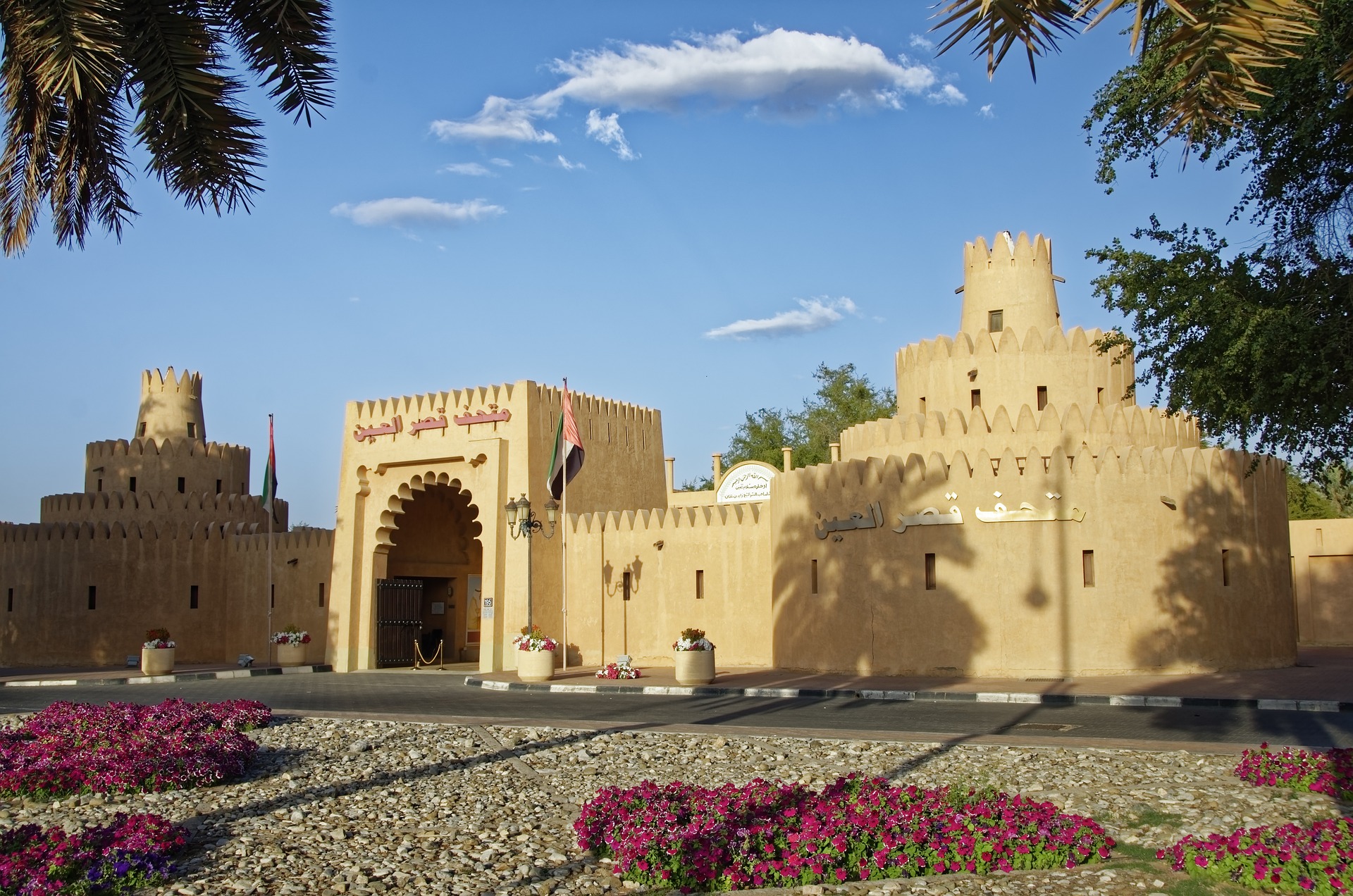
Al Ain
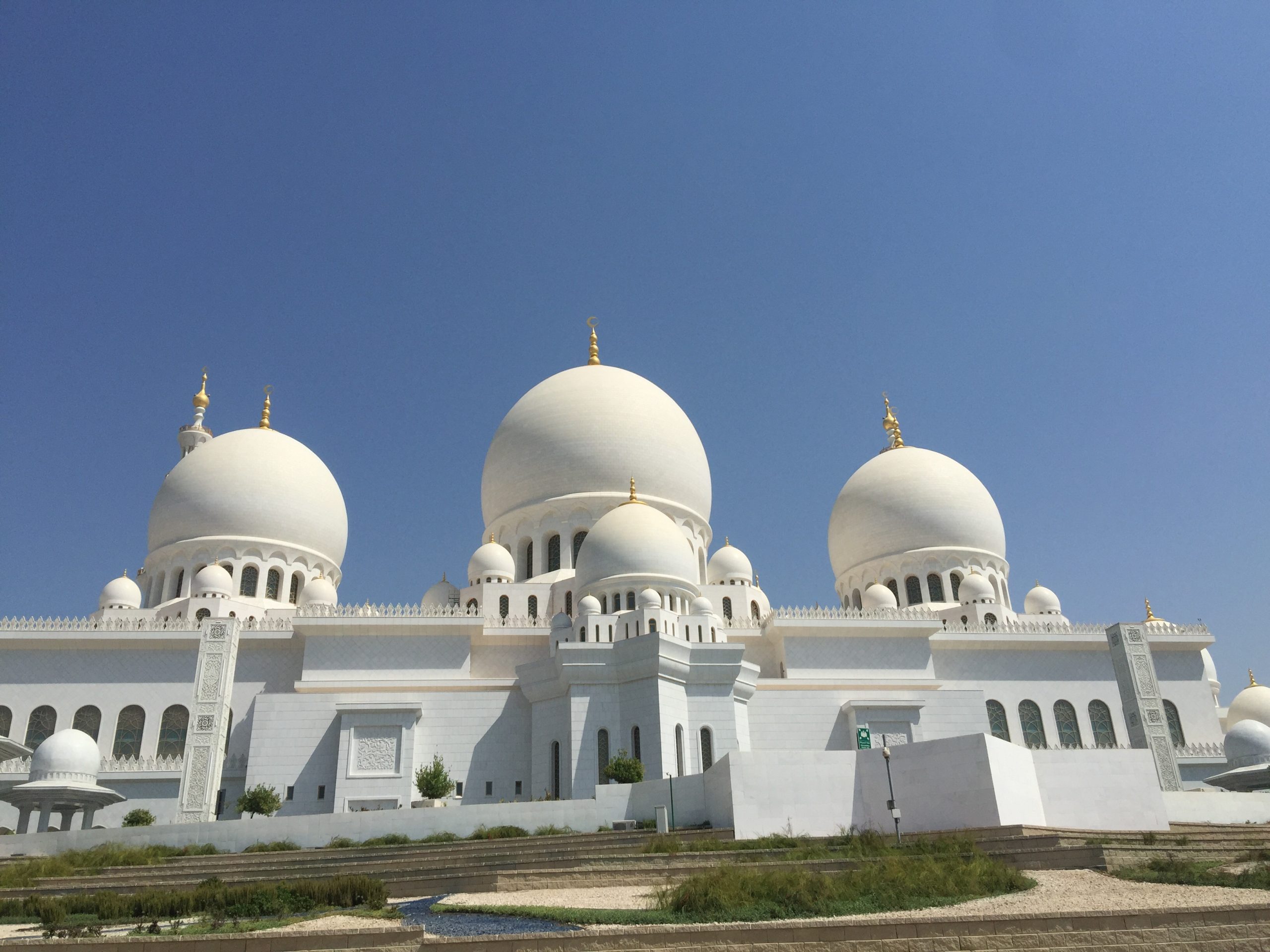
Sheikh Zayed Grand Mosque
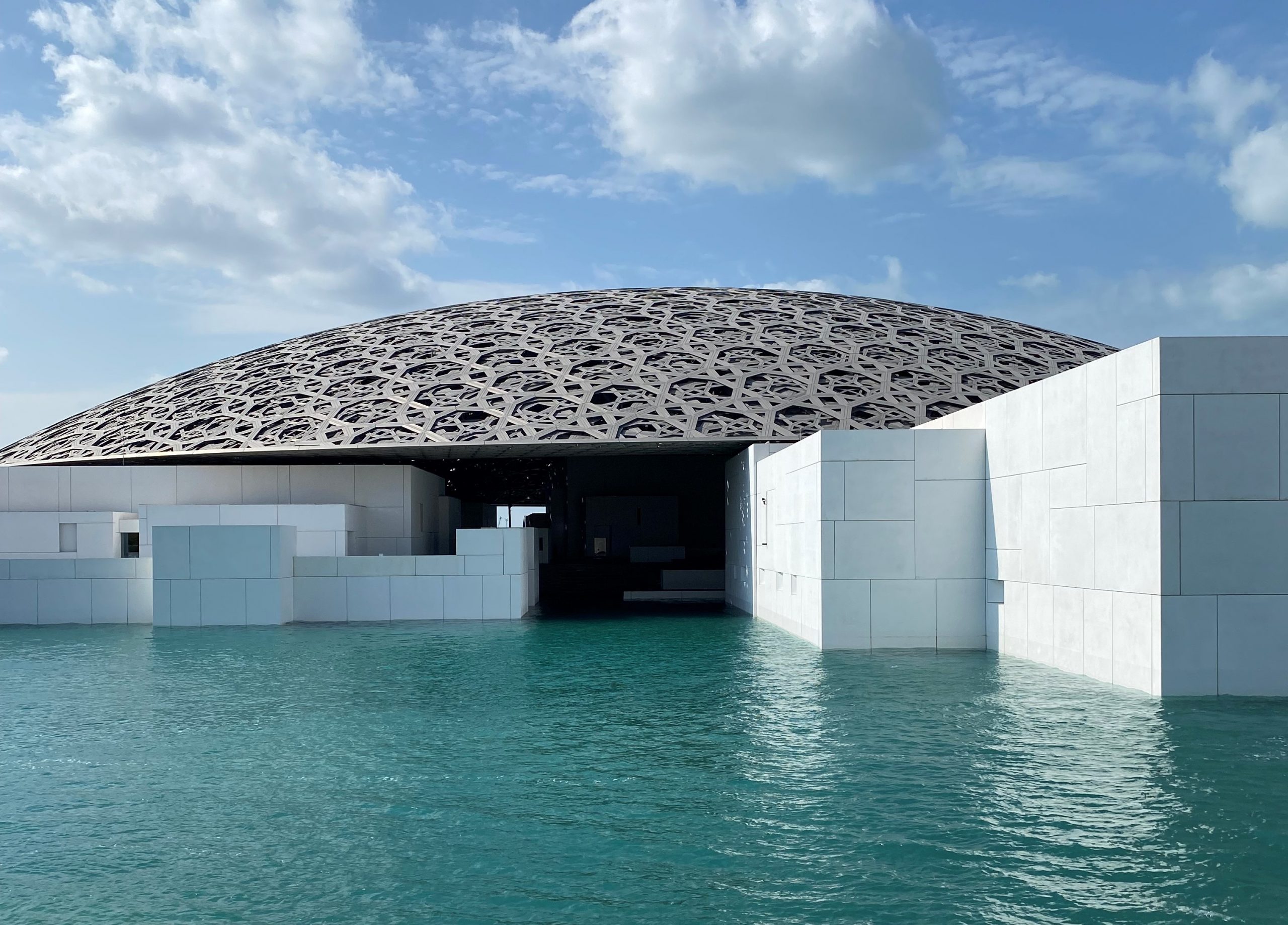
Louvre Abu Dhabi
Abrahamic Family House

Student grants
Scholarships
As part of its 4th international Congress on Islam and Fraternity in Abu Dhabi, the scientific committee of Pluriel is offering scholarships to students who wish to attend the congress. Each awarded scholarship will cover the cost of flight, registration fees, and accommodation (4 nights), up to a maximum limit of €1200. Any amount exceeding this limit will be the responsibility of the students.
Candidates will be selected based on their participation in the webinar organized by the scientific committee on October 27th at 3:00 PM, focusing on the challenges of universal fraternity. During the webinar, three researchers, Laurent Basanese, Franziska Honsowitz-Friessnigg, and Wael Saleh, will present their analyses of the challenges of universal fraternity according to the three axes of the Congress. Presentations will be conducted in three different languages: English, Arabic, and French.
Students who wish to be selected for the Abu Dhabi Congress must submit a concise analysis of the arguments presented by the speakers during the webinar.
The following instructions should be followed for preparing the document:
- · Provide a clear and coherent synthesis of the interventions by Laurent Basanese, Wael Saleh, and Franziska Honsowitz-Friessnigg.
- · Analyze the arguments put forward by the speakers and compare them with other sources.
- · Evaluate the challenges or impacts of the assertions made regarding one of the following axes: geopolitical, socio-legal, religious, or dialogical.
Format. The research dossier must adhere to the following criteria:
- · The word count should be between 2000 and 2500 words (13,000-17,000 characters including spaces).
- · The dossier can be written in French, English, or Arabic.
- · Le document doit être remis sous forme électronique, au format PDF ou Word.
Deadline. The deadline for submitting the work is November 17, 2023.
Please send the document to pluriel@univ-catholyon.fr
We encourage students to draw on the knowledge acquired during the webinar, as well as conduct additional research, to present a clear, well-argued, and original analysis. The submitted documents will be evaluated by the scientific committee of Pluriel, which will select the candidates who will receive scholarships to attend the Abu Dhabi congress. The committee will meet on December 4, 2023, to review the dossiers. The results of the selection will be communicated to the candidates via email.
Below is the evaluation grid for the research dossiers.
We appreciate your interest in our congress and encourage you to participate in the webinar for an opportunity to receive a scholarship and attend this international scientific event.
Evaluation Criteria
- Concise Presentation (6 points)
- Clear and concise synthesis of the interventions /3 pts
- Coherent presentation of ideas /3 pts
- Analysis of the Arguments (8 points)
- Understanding and in-depth analysis of the speakers’ arguments /4 pts
- Use of additional sources to compare arguments /4 pts
- Evaluation of the Challenges or Impacts (6 points)
- Clear identification of the chosen axis /3 pts
- In-depth analysis of the challenges or impacts concerning the chosen axis /3 pts
Practical information
Contact
Lorraine Guitton
pluriel@univ-catholyon.fr
+33(0)4 72 32 50 52
Partenaire
TRENDS Research & Advisory
4th Floor
Ali & Sons Real Estate Company Building
Zone 48 C55
Airport Road – AbuDhabi Rawdhat Area
Abu Dhabi, UAE
Recommended accommodation
(1 km away) Millennium Al Rawdah Hotel, 1778 Sheikh Rashid Bin Saeed St – Al Rawdah – W68 – Abu Dhabi – United Arab Emirates
(15 min by public transport / 5 min by taxi) Premier Inn Abu Dhabi Capital Centre Hotel, National Exhibition Centre – Al Muntada St, Capital Centre Abu Dhabi – Abu Dhabi – United Arab Emirates
(25 min by public transport / 8 min by taxi) Novotel Abu Dhabi Al Bustan, St – Sheikh Rashid Bin Saeed St – Rabdan – Zone 1 – Abu Dhabi – United Arab Emirates
(30 min by public transport / 7 min by taxi) Aloft Abu Dhabi, Al Khaleej Al Arabi St – Al Rawdah – Al Ma’arid – Abu Dhabi – United Arab Emirates
Partners