
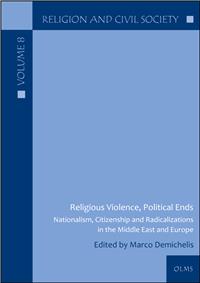
«العنف الديني، غايات سياسية»
كان العنف الديني لأسباب سياسية ممارسةً شائعة منذ العصور القديمة: مذابح الجماعات المسيحية الأولى على يد الإمبراطورية الرومانية استُبدلت سريعاً بإجراءات لا تقلّ قسوة ضدّ المؤمنين غير المسيحيين، بتهمة ممارسات مقيتة ومتعدّدة الآلهة. مقدم العصر الحديث، وتجانس الفضاء الديني لأغراض سياسية-اقتصادية، والقضاء على أيّ نوع من الهرطقة، وظهور البروتستانتية والكالفينية والأنغليكانية، أعادت هيكلة تصوّر الدول الأوروبية الغربية بتأكيد المبدأ: «مملكة واحدة بديانة واحدة وأمّة واحدة».
نهاية الحروب الدينية (1648)، والسيادة الوستفالية، وقاعدة cuius regio, eius religio أثّرت في تشكيل أوروبا ومناطق أخرى، وقد فرض الاستعمار الفرنسي-البريطاني النظامَ نفسه على الشرق الأوسط والعالم الإسلامي بأسره.
يفحص هذا المجلّد بعمق استخدامَ العنف بين الأديان، والطائفية الدينية، والإسلاموفوبيا على أساس نظري، بالصلة مع «صراع الحضارات» و«القومية الدينية»، ويُقدّمها بوصفها تجلّياتٍ لغايات سياسية دقيقة، تهدف إلى الإبقاء على التشرذم والحروب في الشرق، وعلى الخوف والأحكام المسبَقة في الغرب.
بقلم Marco DEMICHELIS
Religious violence due to political reasons has been a common practice since ancient times: The massacres of early Christian communities, carried out by the Roman Empire, were rapidly replaced by equally harsh measures against non-Christian believers, being accused of abominable and polytheistic practises. The advent of the modern age, the homogenization of the religious sphere for political-economic ends, the annihilation of any kind of heresy and the emergence of Protestantism, Calvinism and Anglicanism restructured the conceptualization of the Western European States emphasizing the adage “one kingdom, with one religion and one nation”.
The end of the religious wars (1648), the Westphalian sovereignty and the cuius regio, eius religio had an impact on the formation of Europe and other regions, the Franco-British colonialism imposed the same system on the entire Middle Eastern and Islamic World.
This volume thoroughly examines the usage of inter-religious violence, religious sectarianism and Islamophobia on a theoretical basis, linked with “Clashes of Civilizations” and “Religious Nationalism”, and describes them as manifestations of precise political ends, aiming to preserve fragmentation and warlike states in the East as well as fear and prejudices in the West.
http://www.olms.de/search/Detail.aspx?pr=2009584
Ressources lié aux mots clés
publication
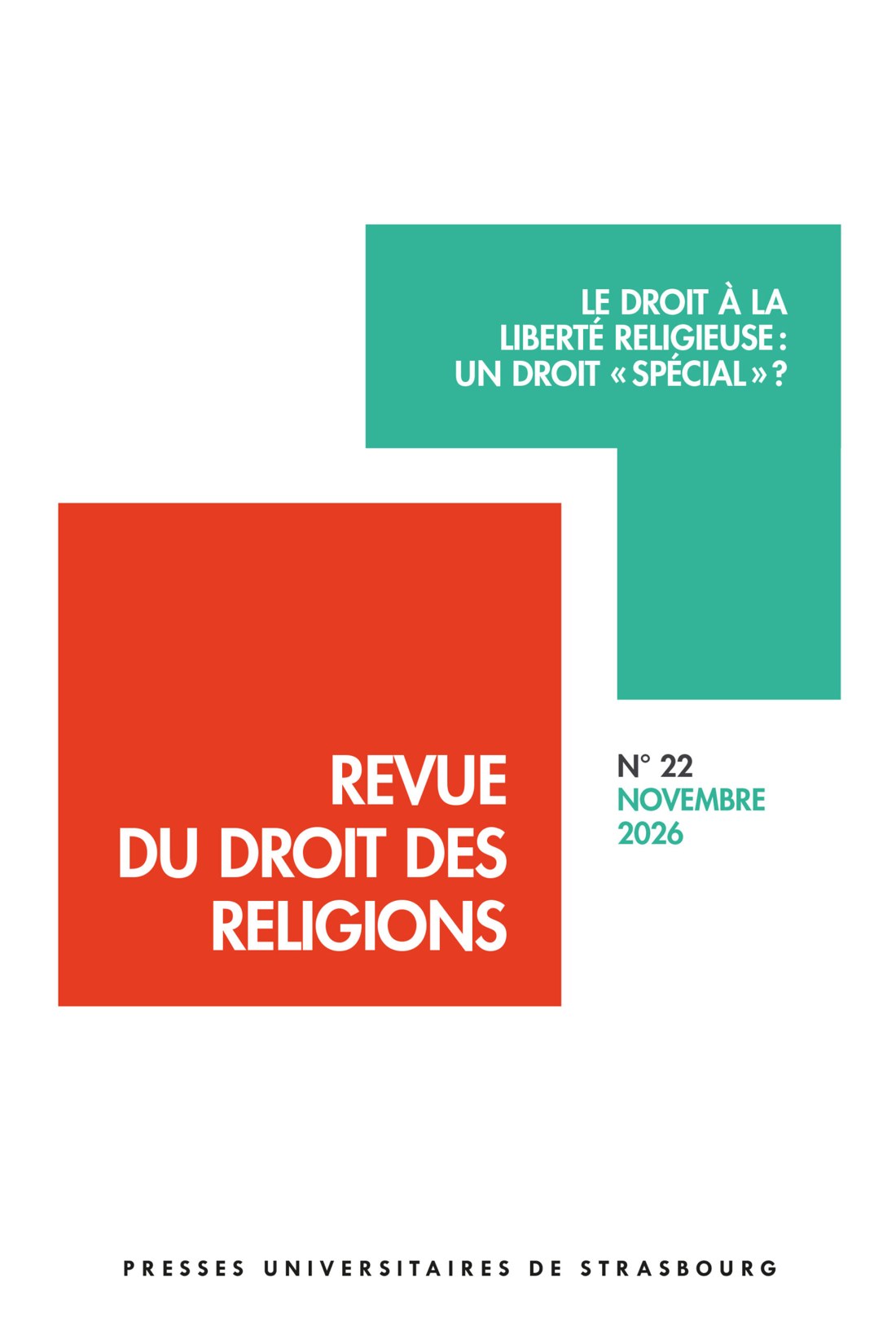
«الحق في الحرية الدينية: حقٌّ “خاص”؟»، مجلة قانون الأديان، العدد 22
- أليساندرو فيراري
يصدر العدد 22 من «مجلة قانون الأديان» (Revue du droit des religions)، التي تنشرها مطبوعات جامعة ستراسبورغ، في 19 نوفمبر/تشرين الثاني 2026. ويحمل ملفّه عنوان «الحق في الحرية الدينية: حقٌّ “خاص...

publication
الآخر الإبستمولوجي في دراسات الإسلاموية: من ما بعد الكولونيالية إلى الغيرية المعرفية النسقية
- وائل صالح
أصدر وائل صالح، عضو لجنة التنسيق في المنصة الجامعية للدراسات حول الإسلام، دراسةً جديدة عن تريندز للبحوث والاستشارات في أبوظبي، صدرت في 21 أكتوبر/تشرين الأول 2026 بعنوان «الآخر الإبستمولوجي في دراسا...

videos
الذكاء الاصطناعي، إله جديد؟ مقاربتان مسيحية وإسلامية
في 20 أكتوبر/تشرين الأول 2026، افتتح مركز الدراسات بين الأديان في جامعة إنسبروك، وهي مؤسسة شريكة للمنصة الجامعية للدراسات حول الإسلام، الفصلَ الدراسي من سلسلة حواراته بين الأديان عبر الإنترنت «لنصن...
publication
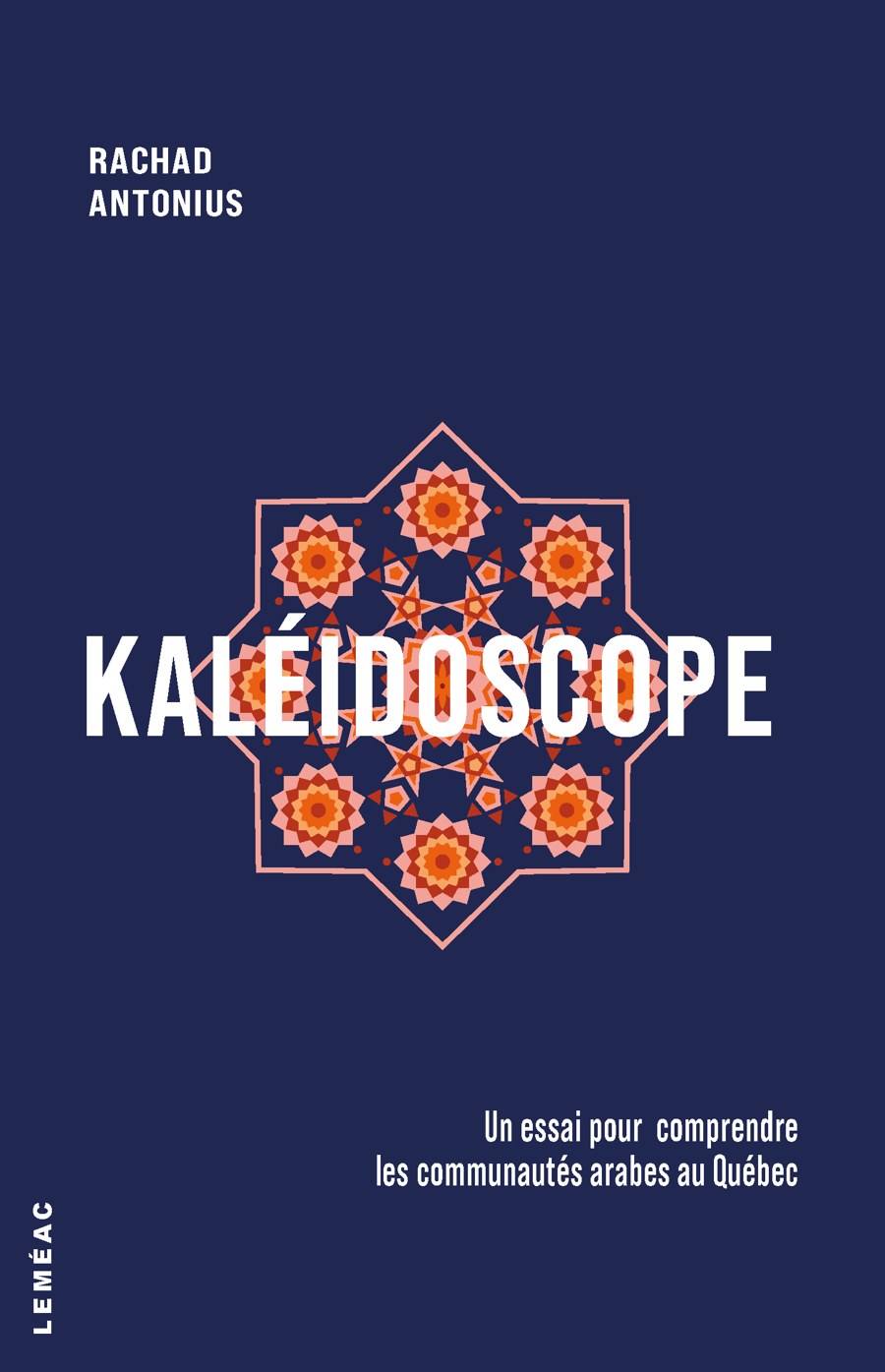
المشكال: محاولة لفهم الجاليات العربية في كيبيك
- رشاد أنطونيوس
صدر في 14 أكتوبر/تشرين الأول 2026 عن دار لوميَك في مونتريال، ضمن سلسلة «مقالات للشباب» (88 صفحة)، كتاب باللغة الفرنسية لـرشاد أنطونيوس، أستاذ علم الاجتماع المتقاعد في جامعة كيبيك في مونتريال، وصاحب...
publication
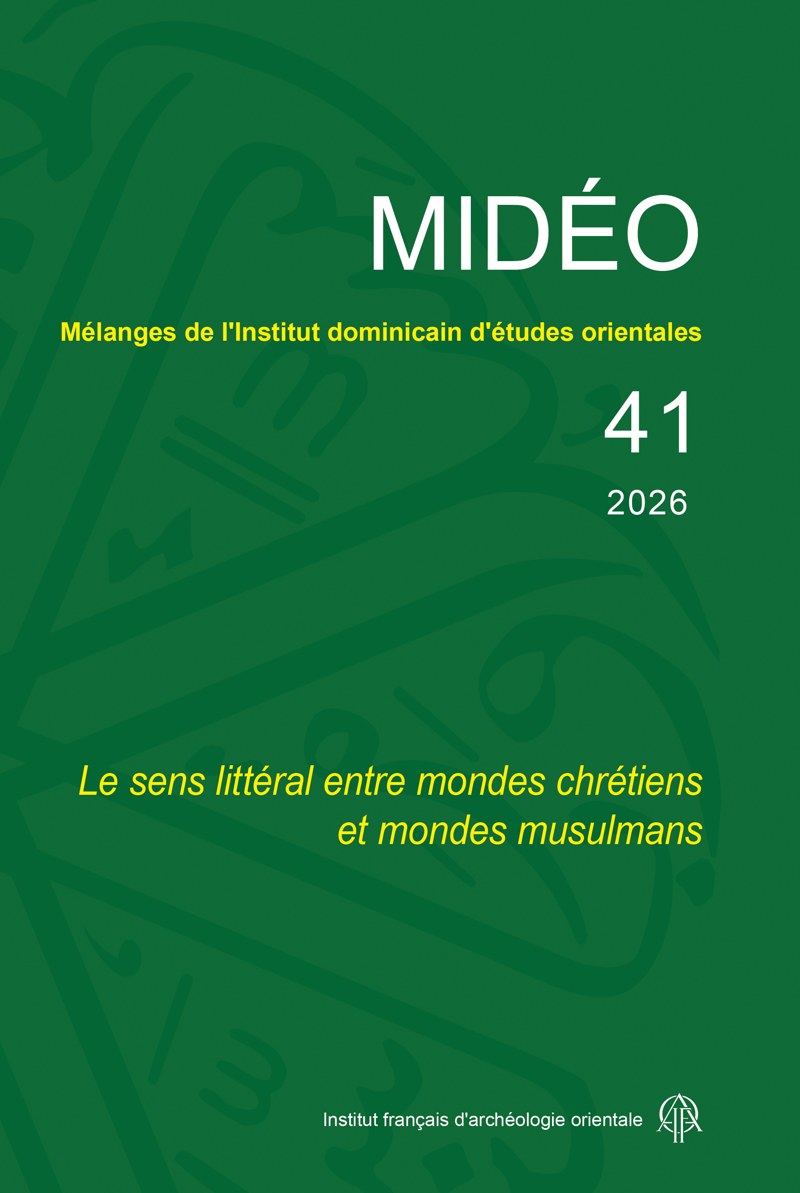
مجلة ميديو، العدد 41: المعنى الحرفي بين العوالم المسيحية والعوالم الإسلامية
- جان درويال
- إيمانويل بيساني
يحمل العدد الحادي والأربعون من مجلة ميديو عنوان ملفّه: «المعنى الحرفي بين العوالم المسيحية والعوالم الإسلامية»، ويتناول مسألة المعنى الحرفي للنصوص المقدّسة من خلال مقاربة مقارنة للتفاسير المسيحية و...
publication
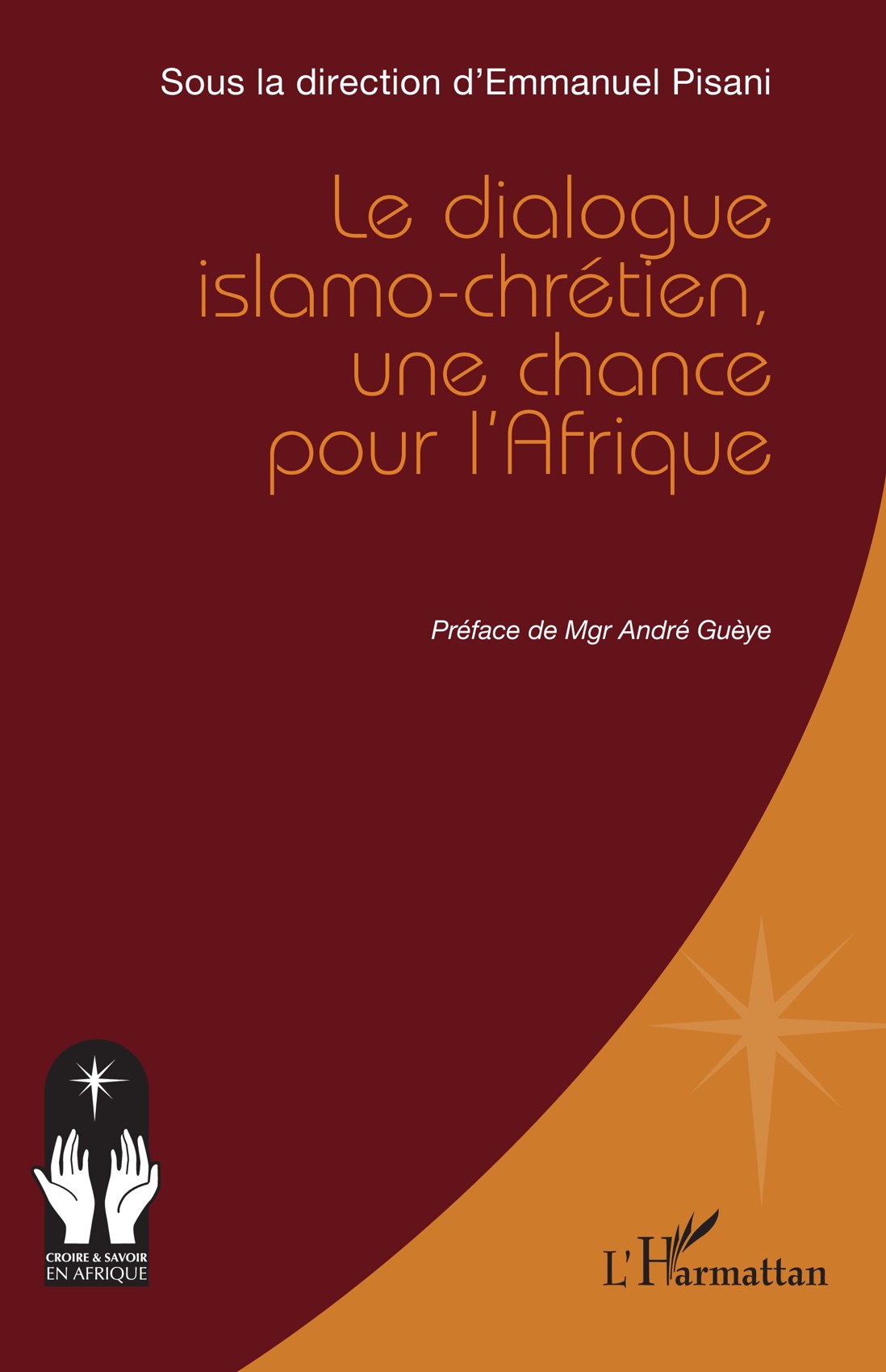
الحوار الإسلامي المسيحي، فرصة لأفريقيا
- إيمانويل بيساني
في وقت تشهد فيه أفريقيا جنوب الصحراء تحوّلات اجتماعية وسياسية عميقة وتصاعداً للتطرّف الديني، يبدو الحوار الإسلامي المسيحي ضرورةً لا مفرّ منها وشرطاً للسلام. ويجمع هذا الكتاب، وهو ثمرةُ حلقة دراسية ...
publication
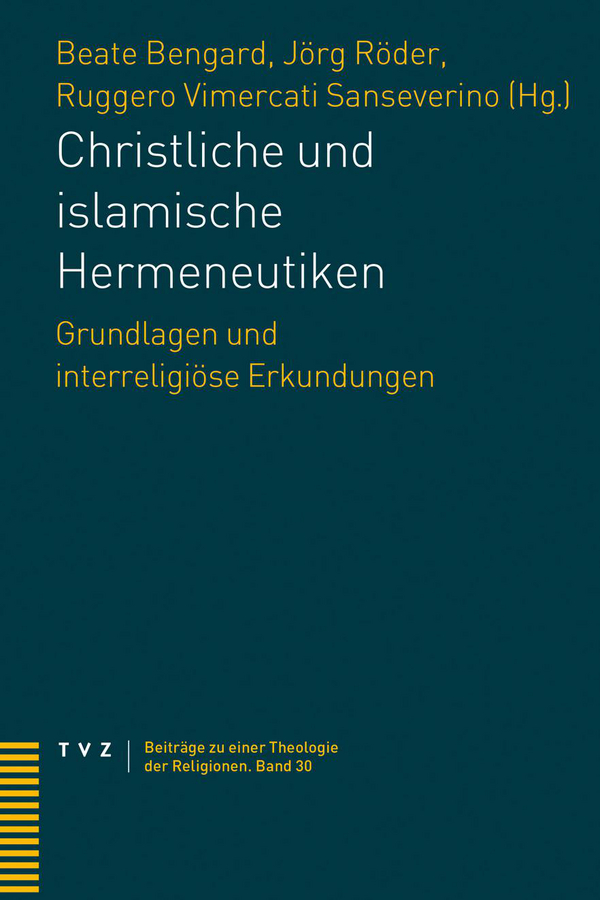
التأويليات المسيحية والإسلامية: أسس واستكشافات بين الأديان
- بياته بنغارد
صدر في أكتوبر/تشرين الأول 2026 عن دار النشر اللاهوتية في زيورخ (TVZ)، ضمن سلسلة «إسهامات في لاهوت الأديان» (المجلد 30، 451 صفحة)، كتاب جماعي باللغة الألمانية حرّرته بياته بنغارد، الأستاذة المشاركة ...

publication
فهم السلفية
- محمد علي الأدرعوي
يصدر هذا الكتاب سنة 2022 عن دار Palgrave Macmillan (Springer)، ضمن سلسلة The Sciences Po Series in International Relations and Political Economy، للأستاذ محمد علي الأدرعي، أستاذ الجامعات في جامعة ا...