
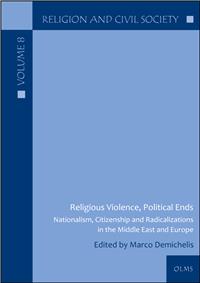
«العنف الديني، غايات سياسية»
كان العنف الديني لأسباب سياسية ممارسةً شائعة منذ العصور القديمة: مذابح الجماعات المسيحية الأولى على يد الإمبراطورية الرومانية استُبدلت سريعاً بإجراءات لا تقلّ قسوة ضدّ المؤمنين غير المسيحيين، بتهمة ممارسات مقيتة ومتعدّدة الآلهة. مقدم العصر الحديث، وتجانس الفضاء الديني لأغراض سياسية-اقتصادية، والقضاء على أيّ نوع من الهرطقة، وظهور البروتستانتية والكالفينية والأنغليكانية، أعادت هيكلة تصوّر الدول الأوروبية الغربية بتأكيد المبدأ: «مملكة واحدة بديانة واحدة وأمّة واحدة».
نهاية الحروب الدينية (1648)، والسيادة الوستفالية، وقاعدة cuius regio, eius religio أثّرت في تشكيل أوروبا ومناطق أخرى، وقد فرض الاستعمار الفرنسي-البريطاني النظامَ نفسه على الشرق الأوسط والعالم الإسلامي بأسره.
يفحص هذا المجلّد بعمق استخدامَ العنف بين الأديان، والطائفية الدينية، والإسلاموفوبيا على أساس نظري، بالصلة مع «صراع الحضارات» و«القومية الدينية»، ويُقدّمها بوصفها تجلّياتٍ لغايات سياسية دقيقة، تهدف إلى الإبقاء على التشرذم والحروب في الشرق، وعلى الخوف والأحكام المسبَقة في الغرب.
بقلم Marco DEMICHELIS
Religious violence due to political reasons has been a common practice since ancient times: The massacres of early Christian communities, carried out by the Roman Empire, were rapidly replaced by equally harsh measures against non-Christian believers, being accused of abominable and polytheistic practises. The advent of the modern age, the homogenization of the religious sphere for political-economic ends, the annihilation of any kind of heresy and the emergence of Protestantism, Calvinism and Anglicanism restructured the conceptualization of the Western European States emphasizing the adage “one kingdom, with one religion and one nation”.
The end of the religious wars (1648), the Westphalian sovereignty and the cuius regio, eius religio had an impact on the formation of Europe and other regions, the Franco-British colonialism imposed the same system on the entire Middle Eastern and Islamic World.
This volume thoroughly examines the usage of inter-religious violence, religious sectarianism and Islamophobia on a theoretical basis, linked with “Clashes of Civilizations” and “Religious Nationalism”, and describes them as manifestations of precise political ends, aiming to preserve fragmentation and warlike states in the East as well as fear and prejudices in the West.
http://www.olms.de/search/Detail.aspx?pr=2009584
Religious violence due to political reasons has been a common practice since ancient times: The massacres of early Christian communities, carried out by the Roman Empire, were rapidly replaced by equally harsh measures against non-Christian believers, being accused of abominable and polytheistic practises. The advent of the modern age, the homogenization of the religious sphere for political-economic ends, the annihilation of any kind of heresy and the emergence of Protestantism, Calvinism and Anglicanism restructured the conceptualization of the Western European States emphasizing the adage “one kingdom, with one religion and one nation”.
The end of the religious wars (1648), the Westphalian sovereignty and the cuius regio, eius religio had an impact on the formation of Europe and other regions, the Franco-British colonialism imposed the same system on the entire Middle Eastern and Islamic World.
This volume thoroughly examines the usage of inter-religious violence, religious sectarianism and Islamophobia on a theoretical basis, linked with “Clashes of Civilizations” and “Religious Nationalism”, and describes them as manifestations of precise political ends, aiming to preserve fragmentation and warlike states in the East as well as fear and prejudices in the West.
http://www.olms.de/search/Detail.aspx?pr=2009584
Ressources lié aux mots clés

article
وائل صالح: «الاعتراف بلا حصر لتحرير النقاش العام من مصادرة الهويّات»
- وائل صالح
في مقالة رأي نُشرت يوم 20 تمّوز/يوليو 2026 على صفحات صحيفة Le Devoir الكنديّة، يقترح الباحث وائل صالح، عضو اللجنة العلميّة لـالمنصّة الجامعيّة للدراسات حول الإسلام (Pluriel)، مفهوماً جديداً للنقاش ...

videos
«الحرب والسلام»، بقلم أدريان كانديار
في الأربعاء 20 أيار/مايو 2026 استضاف المعهد الدومنيكي للدراسات الشرقية (IDEO) في القاهرة محاضرةً للأخ أدريان كانديار، الراهب الدومنيكي والمختصّ في الدراسات الإسلامية، حول موضوع «الحرب والسلام». وفي...

article
كِنيث كراغ وحدث القرآن
- تيمو غوزيلمانسور
مقال بقلم تيمو غوزيلمانسور، نُشر بعنوان: Kenneth Cragg und das Ereignis des Koran (feinschwarz.net، 12 June 2026) يُقدّم تيمو غوزيلمانسور اللاهوتيَّ الأنغليكانيَّ كِنيث كراغ (المولود في نوتنغهام سن...

article
بحران ووجهة واحدة: تقرير الخدمة اليسوعية للمهاجرين لعام 2026 حول الحدود الجنوبية لإسبانيا
- جوزيب بواديس
إنّ هذا التقريرَ السنويّ، الذي أصدرته الخدمة اليسوعيّة للمهاجرين (SJM) — الهيئةَ الاجتماعيّةَ للرهبنة اليسوعيّة بإسبانيا — بقلم خوسيه (بيب) بواديس فوستر، يدرس ديناميات الهجرة على « الحدود الجن...

publication
تصوير الإسلام اليومي
- غيوم شاتاني
كيف يتجلى الإسلام فعليًا داخل جمعية إسلامية؟ هذا هو السؤال الذي يجيب عنه عالم الاجتماع غيوم شاتانيي في هذا المؤلَّف المستمَد من بحث ميداني أُجري بين عامَي 2017 و2021 داخل مركز ثقافي إسلامي ألباني ف...

article
الرسالة العامة «الإنسانية الرائعة» للبابا ليون الرابع عشر ومجموعة عمل Pluriel حول الحوار بين الأديان بمساعدة الذكاء الاصطناعي
نص بقلم وائل صالح، باحث في جامعة كيبيك في مونتريال (UQAM) وعضو في لجنة تنسيق المنصة الجامعية للدراسات حول الإسلام (Pluriel). إن تزامن صدور الرسالة العامة الإنسانية الرائعة (Magnifica humanitas) ...

publication
اعترافُ طائرٍ طنّان: مقالاتٌ في الحوار بين الأديان والعمل الإرسالي (2007-2025)
- ريمي كوكاناس
صدر هذا الكتاب في أيار/مايو 2026 عن المعهد الحبري للدراسات العربية والإسلامية (PISAI) في روما، ويضمّ مقالات الباحث ريمي كوكاناس حول الحوار بين الأديان والعمل الإرسالي، المكتوبة بين عامَي 2007 و2025...

videos
من لافيجري إلى المعهد البابوي للدراسات العربية والإسلاميات: التاريخ المؤسسي لانخراط مرسلي إفريقيا مع الإسلام
أُلقيَت يوم 21 أيار/مايو 2026 في المعهد البابوي للدراسات العربية والإسلاميات (PISAI) في روما، تفتتح هذه المحاضرة سلسلة المؤتمرات الإحيائية للذكرى المئوية (1926-2026) لتأسيس المعهد. وقد أنجز الأب مو...