

1 أبريل 2017
نداء للنشر في MIDEO: اللاهوت الإسلامي للأديان
MIDEO 33 (2018)
THÉOLOGIE MUSULMANE DES RELIGIONS
الإسلام والأديان. الموضوع ليس جديداً. ففي عصر الإسلام المبكّر، كان يُحيل إلى العلاقات والتفاعلات بين المسلمين وغير المسلمين. وقد أُدرج، في القرون الأولى للإسلام، في إطار مصنّفات حول عقائد وممارسات مختلف «الفرق» والأديان. وأحصى «الردود» (رُدود) العديدة على اليهود والمسيحيين والزردشتيين والفرق الإسلامية غير الأرثوذكسية، وتناول المسألة الفقهية المتعلقة بحقوق غير المسلمين وواجباتهم وحقوق المسلمين وواجباتهم، من الجانبين.
منذ ثمانينيات القرن الماضي، وتحت تأثير اللاهوت المسيحي بشكل خاص، أصبحت هذه المسألة موضوعَ دراسة متجدّدة. ويتعلّق الأمر بمساءلة رؤية القرآن والسنّة أو بعض المفكّرين المسلمين تجاه غير المسلمين وأديانهم. ومن هذا المنظور، سعى البعض إلى تقييم ما إذا كانت نماذج الإقصائية والاندماجية والتعدّدية التي طُرحت في لاهوت مسيحي للأديان يمكن استحضارها لبيان رؤى الإسلام إلى الأديان غير الإسلامية. ومن هنا، يُسائل بعض المفكّرين أو الفلاسفة القرآنَ ويُظهرون منذ الآن وجودَ آيات «تعدّدية». وهكذا يتشكّل لاهوت إسلامي لغير المسلمين وللأديان. وترتبط به أسئلة كثيرة، هي في جوهرها كلاسيكية: ما هو الدور الذي يُسنده الله لغير المسلمين أو يتوقّعه منهم؟ كيف يحكم على الأفعال التي يقوم بها غير المسلم لخدمته أو خدمة البشرية، وأيّ قيمة يُعطى لدينه في نقل الفضائل الروحية؟ ما هو الوضع اللاهوتي والقانوني لكتب الأديان الأخرى؟ هل يمكن التفكير في خلاص غير المسلم وفي دينه بوصفه سبيلاً للخلاص؟
يُخصّص العدد 33 من MIDEO (2018) ملفاً لهذه المسألة، ويستقبل المقالات أو التحقيقات النصية التي تُسهم في وضع لاهوت إسلامي للأديان في منظوره.
الجدول الزمني: تُرسَل المقالات إلى إدارة MIDEO بصيغة .doc و.pdf قبل 1 أبريل/نيسان 2017 على mideo@ideo-cairo.org، مع الالتزام الصارم بالتوصيات الأسلوبية للمجلة (انظر موقعنا). بعد قراءة «مغفلة الهوية» من قبل مقيّمَين، يُخطَر المؤلّفون خلال الأشهر الثلاثة التالية بقبول مقالهم أو رفضه. تُصحَّح البروفات في خريف 2017، ومن المتوقع أن يصدر العدد في الربع الأول من عام 2018.
التعليمات: http://www3.ideo-cairo.org/IMG/pdf/Instructions_aux_auteurs_du_MIDEO.pdf
MIDEO 33 (2018)
THÉOLOGIE MUSULMANE DES RELIGIONS
Islam et religions. La thématique n’est pas nouvelle. À l’époque du early islam, elle renvoie aux relations et interactions entre musulmans et non musulmans. Elle s’inscrit aux premiers siècles de l’islam dans le cadre de traités sur les dogmes et les pratiques des différentes « sectes » et religions. Elle répertorie les multiples Réfutations (rudūd) à l’égard des juifs, chrétiens, zoroastriens ou factions musulmanes hétérodoxes et traite de la question juridique (fiqh) des droits et des devoirs des non-musulmans et de ceux des musulmans, de part et d’autre .
Depuis les années quatre-vingt, sous l’influence notamment de la théologie chrétienne, la question fait l’objet d’une étude renouvelée. Il s’agit d’interroger la vision du Coran, de la Sunna ou de tels penseurs musulmans à l’égard des non musulmans et de leurs religions. Dans cette perspective, certains ont cherché à évaluer si les paradigmes de l’exclusivisme, de l’inclusivisme et du pluralisme mis en avant au sein d’une théologie chrétienne des religions pouvaient être mobilisés pour rendre compte des visions de l’islam sur les religions non musulmanes . Ainsi, des penseurs ou des philosophes interrogent le Coran et mettent d’ores et déjà en lumière l’existence de versets « pluralistes » . Une théologie musulmane des non musulmans et des religions se dessine. Nombreuses questions lui sont liées, classiques au demeurant : Quel rôle Dieu attribue-t-il ou attend-il des non musulmans ? Comment juge-t-il les actes accomplis par un non musulman en vue de le servir ou de servir l’humanité et quelle valeur attribuer à sa religion dans la transmission de vertus spirituelles ? Quel est le statut théologique et juridique des livres des autres religions ? Peut-on envisager le salut pour le non musulman et sa religion comme une voie de salut ?
Le MIDEO 33 (2018) consacre un dossier à cette thématique et accueille la publication d’articles ou d’éditions de texte qui permettent de contribuer à la mise en perspective d’une théologie musulmane des religions.
Calendrier : Les articles doivent être soumis à la direction du MIDEO en format .doc et .pdf avant le 1er avril 2017 à mideo@ideo-cairo.org en suivant scrupuleusement les recommandations stylistiques de la revue (voir notre site). Après lecture « en aveugle » par deux rapporteurs, les auteurs sont informés dans les trois mois qui suivent de l’acceptation ou non de leur article. Les épreuves sont corrigées à l’automne 2017 et la publication est prévue pour le premier trimestre 2018.
Instructions : http://www3.ideo-cairo.org/IMG/pdf/Instructions_aux_auteurs_du_MIDEO.pdf
MIDEO 33 (2018)
MUSLIM THEOLOGY OF RELIGIONS
Islam and religions. The topic is not new. At the time of early Islam, it referred to the relations and interactions between Muslims and non-Muslims. In the first centuries of Islam, it was discussed in the context of treaties on dogmas and practices of different “sects” and religions. It classifies the numerous Refutations (rudūd) towards Jews, Christians, Zoroastrians or heterodox Muslim factions and deals with the legal question (fiqh) of the rights and duties of the non-Muslims on the one hand and the Muslims’ on the other hand .
Since the eighties, the question has been subject to a renewed interest, especially because of the influence of the Christian theology. The aim is to question the view of the Koran, the Sunna or some Muslim thinkers towards non-Muslims and their religions. In this perspective, some have tried to assess whether the paradigms of exclusivism, inclusivism and pluralism brought forward within a Christian theology of religions could be used to explain the Islam’s views about non-Muslim religions . Thus, thinkers or philosophers question the Koran and already highlight the existence of “pluralist” verses . A Muslim theology of non-Muslims and religions is emerging. Many questions, otherwise classical, are linked to this theology. What role does God give to or expect from non-Muslims? How does he judge the actions of a non-Muslim in order to serve him or to serve humanity and what value should be given to the non-Muslim religion in passing on spiritual virtues? What is the theological and legal status of the books other religions ? Can salvation be considered for a non-Muslim ?
The MIDEO 33 (2018) dedicates a file to this topic and welcomes the publication of articles and various texts which can contribute to put into perspective a Muslim theology of religions.
Schedule: articles must be submitted to MIDEO’s direction in .doc and .PDF file before April, 1st 2017 to mideo@ideo-cairo.org following the style guide (see our website). After an “anonymous” reading by two rapporteurs, writers will be informed within three months whether their article is accepted or not. The texts will be corrected in the fall of 2017 and the publication is planned for the first quarter of 2018.
For more information: http://www3.ideo-cairo.org/IMG/pdf/Instructions_aux_auteurs_du_MIDEO.pdf
Ressources lié aux mots clés
article
وائل صالح: «الاعتراف بلا حصر لتحرير النقاش العام من مصادرة الهويّات»
- وائل صالح
في مقالة رأي نُشرت يوم 20 تمّوز/يوليو 2026 على صفحات صحيفة Le Devoir الكنديّة، يقترح الباحث وائل صالح، عضو اللجنة العلميّة لـالمنصّة الجامعيّة للدراسات حول الإسلام (Pluriel)، مفهوماً جديداً للنقاش ...
videos
«الحرب والسلام»، بقلم أدريان كانديار
في الأربعاء 20 أيار/مايو 2026 استضاف المعهد الدومنيكي للدراسات الشرقية (IDEO) في القاهرة محاضرةً للأخ أدريان كانديار، الراهب الدومنيكي والمختصّ في الدراسات الإسلامية، حول موضوع «الحرب والسلام». وفي...
article
كِنيث كراغ وحدث القرآن
- تيمو غوزيلمانسور
مقال بقلم تيمو غوزيلمانسور، نُشر بعنوان: Kenneth Cragg und das Ereignis des Koran (feinschwarz.net، 12 June 2026) يُقدّم تيمو غوزيلمانسور اللاهوتيَّ الأنغليكانيَّ كِنيث كراغ (المولود في نوتنغهام سن...
article
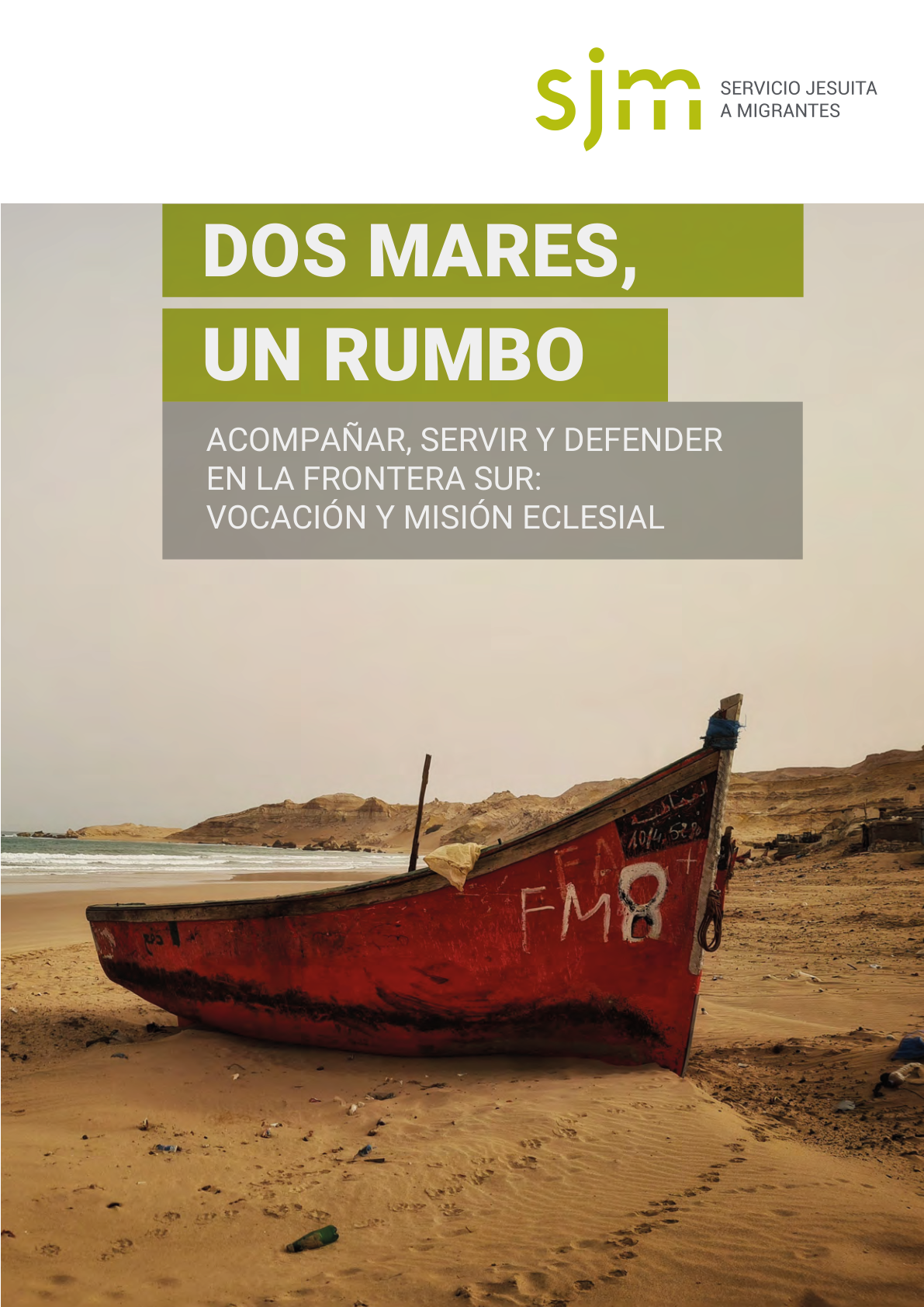
بحران ووجهة واحدة: تقرير الخدمة اليسوعية للمهاجرين لعام 2026 حول الحدود الجنوبية لإسبانيا
- جوزيب بواديس
إنّ هذا التقريرَ السنويّ، الذي أصدرته الخدمة اليسوعيّة للمهاجرين (SJM) — الهيئةَ الاجتماعيّةَ للرهبنة اليسوعيّة بإسبانيا — بقلم خوسيه (بيب) بواديس فوستر، يدرس ديناميات الهجرة على « الحدود الجن...
publication
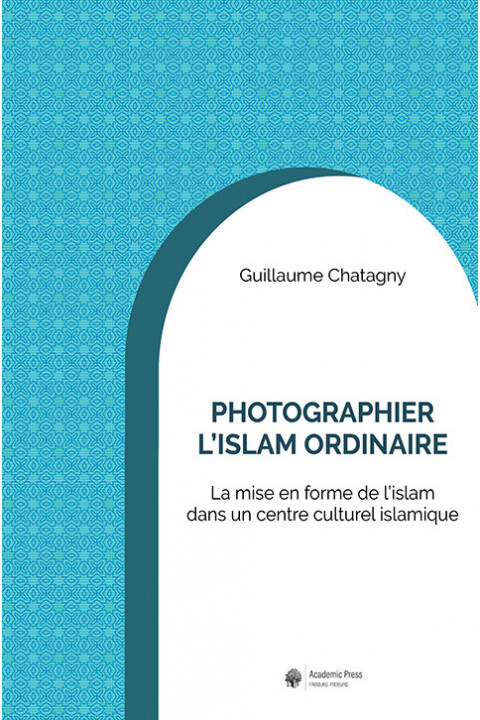
تصوير الإسلام اليومي
- غيوم شاتاني
كيف يتجلى الإسلام فعليًا داخل جمعية إسلامية؟ هذا هو السؤال الذي يجيب عنه عالم الاجتماع غيوم شاتانيي في هذا المؤلَّف المستمَد من بحث ميداني أُجري بين عامَي 2017 و2021 داخل مركز ثقافي إسلامي ألباني ف...

article
الرسالة العامة «الإنسانية الرائعة» للبابا ليون الرابع عشر ومجموعة عمل Pluriel حول الحوار بين الأديان بمساعدة الذكاء الاصطناعي
نص بقلم وائل صالح، باحث في جامعة كيبيك في مونتريال (UQAM) وعضو في لجنة تنسيق المنصة الجامعية للدراسات حول الإسلام (Pluriel). إن تزامن صدور الرسالة العامة الإنسانية الرائعة (Magnifica humanitas) ...
publication
اعترافُ طائرٍ طنّان: مقالاتٌ في الحوار بين الأديان والعمل الإرسالي (2007-2025)
- ريمي كوكاناس
صدر هذا الكتاب في أيار/مايو 2026 عن المعهد الحبري للدراسات العربية والإسلامية (PISAI) في روما، ويضمّ مقالات الباحث ريمي كوكاناس حول الحوار بين الأديان والعمل الإرسالي، المكتوبة بين عامَي 2007 و2025...
videos
من لافيجري إلى المعهد البابوي للدراسات العربية والإسلاميات: التاريخ المؤسسي لانخراط مرسلي إفريقيا مع الإسلام
أُلقيَت يوم 21 أيار/مايو 2026 في المعهد البابوي للدراسات العربية والإسلاميات (PISAI) في روما، تفتتح هذه المحاضرة سلسلة المؤتمرات الإحيائية للذكرى المئوية (1926-2026) لتأسيس المعهد. وقد أنجز الأب مو...