
Lecture 6 to 7 November 2026 Past event
“Ruling Bodies”: Islamic Law, Embodiment, and the Anthropology of Normativity
On 6 and 7 November 2026, the Paderborner Institut für Islamische Theologie (PIIT), in cooperation with the Zentrum für Komparative Theologie und Kulturwissenschaften (ZeKK) of Paderborn University, hosts the international conference “Ruling Bodies: Islamic Law, Embodiment, and the Anthropology of Normativity“.
The conference asks how Islamic traditions conceive of the human being at the intersection of normativity, embodiment, responsibility, affectivity and vulnerability. Contributions from Islamic law, kalām, Sufism, anthropology and ethics investigate how the human is shaped, disciplined and rethought within Islamic discourses and practices.
Panels focus on normative anthropologies, embodied practices, affective life, and contemporary bioethical and technological challenges. The conference thus frames Islamic normativity as a substantive contribution to current debates on the body, morality and the future of the human.
Speakers: Mohammed Abdelrahem (Paderborn), Mariam Al-Attar (Sharjah), Zahra Ayubi (Hanover, USA), Kristin Soraya Batmanghelichi (Oslo), Morgan Clarke (Oxford), Raid Al-Daghistani (Innsbruck/Ljubljana), Anver M. Emon (Toronto), Mohammad Ghaly (Doha), Rob Gleave (Exeter), Chafika Ouail (Nizwa), Ramon Harvey (Cambridge), Ahmed Husic (Paderborn), Shoaib Ahmed Malik (Edinburgh), Idris Nassery (Paderborn), Anand V. Taneja (Nashville).
For further details, see the PIIT event page and the full program (PDF).
Les 6 et 7 novembre 2026, le Paderborner Institut für Islamische Theologie (PIIT), en coopération avec le Zentrum für Komparative Theologie und Kulturwissenschaften (ZeKK) de l’Université de Paderborn, accueille le colloque international « Ruling Bodies: Islamic Law, Embodiment, and the Anthropology of Normativity ».
Le colloque interroge la manière dont les traditions islamiques pensent l’être humain à la croisée de la normativité, de la corporéité, de la responsabilité, de l’affectivité et de la vulnérabilité. Les contributions, issues du droit islamique, du kalām, du soufisme, de l’anthropologie et de l’éthique, examinent la façon dont l’être humain est façonné, discipliné et repensé dans les discours et les pratiques islamiques.
Les panels sont consacrés notamment aux anthropologies normatives, aux pratiques incorporées, à la vie affective, ainsi qu’aux défis bioéthiques et technologiques contemporains. Le colloque envisage ainsi la normativité islamique comme une contribution majeure aux débats actuels sur le corps, la morale et l’avenir de l’humain.
Intervenants : Mohammed Abdelrahem (Paderborn), Mariam Al-Attar (Sharjah), Zahra Ayubi (Hanover, États-Unis), Kristin Soraya Batmanghelichi (Oslo), Morgan Clarke (Oxford), Raid Al-Daghistani (Innsbruck/Ljubljana), Anver M. Emon (Toronto), Mohammad Ghaly (Doha), Rob Gleave (Exeter), Chafika Ouail (Nizwa), Ramon Harvey (Cambridge), Ahmed Husic (Paderborn), Shoaib Ahmed Malik (Édimbourg), Idris Nassery (Paderborn), Anand V. Taneja (Nashville).
Pour en savoir plus, voir la page du colloque sur le site du PIIT et le programme (PDF).
يومَي 6 و7 نوفمبر/تشرين الثاني 2026، يستضيف معهد بادربورن للاهوت الإسلامي (PIIT)، بالتعاون مع مركز اللاهوت المقارن وعلوم الثقافة (ZeKK) في جامعة بادربورن، الملتقى الدولي:
Ruling Bodies: Islamic Law, Embodiment, and the Anthropology of Normativity
يتناول الملتقى الطريقة التي تُفكِّر بها التقاليد الإسلامية في الإنسان عند تقاطع المعيارية والتجسيد والمسؤولية والانفعال والهشاشة. وتتناول المداخلات، الآتية من مجالات الفقه وعلم الكلام والتصوّف والأنثروبولوجيا والأخلاق، الكيفيةَ التي يتشكّل بها الإنسان ويُهذَّب ويُعاد تصوّره في الخطابات والممارسات الإسلامية.
تُخصَّص الجلسات لأنثروبولوجيات معيارية، وممارسات مجسَّدة، وحياة انفعالية، فضلًا عن التحديات المعاصرة في الأخلاقيات الحيوية والتكنولوجيا. يُقدّم الملتقى بذلك المعيارية الإسلامية مساهمةً جوهرية في النقاشات الراهنة حول الجسد والأخلاق ومستقبل الإنسان.
المتحدّثون: محمد عبد الرحيم (بادربورن)، مريم العطار (الشارقة)، زهراء أيوبي (هانوفر، الولايات المتحدة)، كريستين ثريّا باتمانغليتشي (أوسلو)، مورغان كلارك (أكسفورد)، رائد الداغستاني (إنسبروك/ليوبليانا)، أنور م. إيمون (تورونتو)، محمد غالي (الدوحة)، روب غليف (إكسيتر)، شفيقة وعيل (نزوى)، رامون هارفي (كامبريدج)، أحمد هوسيتش (بادربورن)، شعيب أحمد مالك (إدنبرة)، إدريس ناصري (بادربورن)، أناند ف. تانيجا (ناشفيل).
لمزيد من المعلومات، انظر صفحة الملتقى على موقع المعهد، وكذلك البرنامج الكامل (PDF).
Upcoming events

Related resources: « Islam Studies »
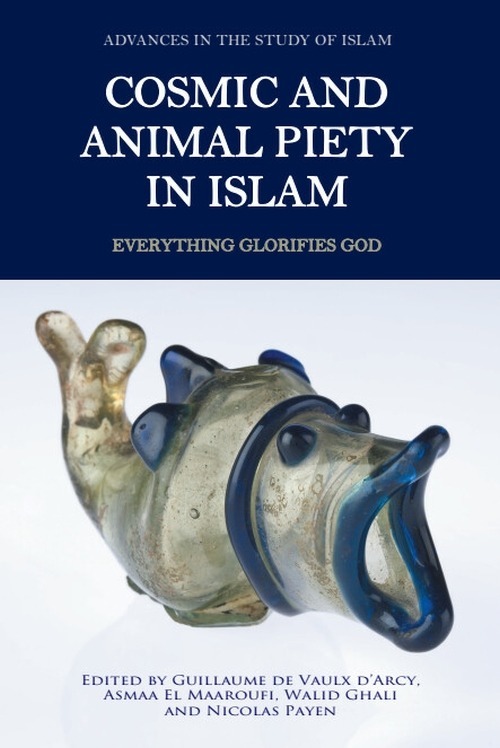 Cosmic and Animal Piety in Islam: Everything Glorifies God
Geneviève Gobillot · Pierre Lory · Florence Ollivry · Guillaume de Vaulx d’Arcy Edited by Walid Ghali, Guillaume de Vaulx d’Arcy, Asmaa El Maaroufi and Nicolas Payen, this collective volume examines the concept of praise (tasbīḥ) in…
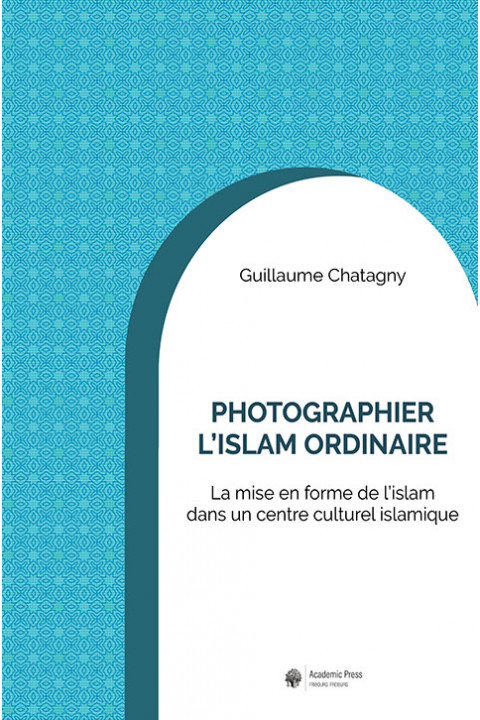 Photographing Ordinary Islam
Guillaume Chatagny What does Islam concretely look like within a Muslim association? This is the question addressed by sociologist Guillaume Chatagny in this book, based on…
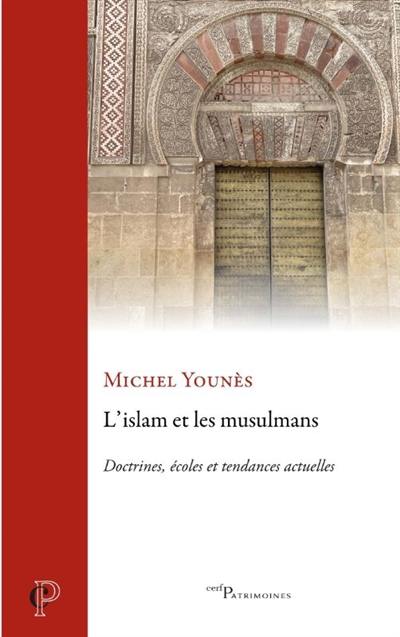 Islam and Muslims. Doctrines, Schools of Thought, and Current Trends
Michel Younès Publication date: April 16, 2026. Islam, as a historical, religious, and civilizational reality, is difficult to define. It can be perceived as a form…
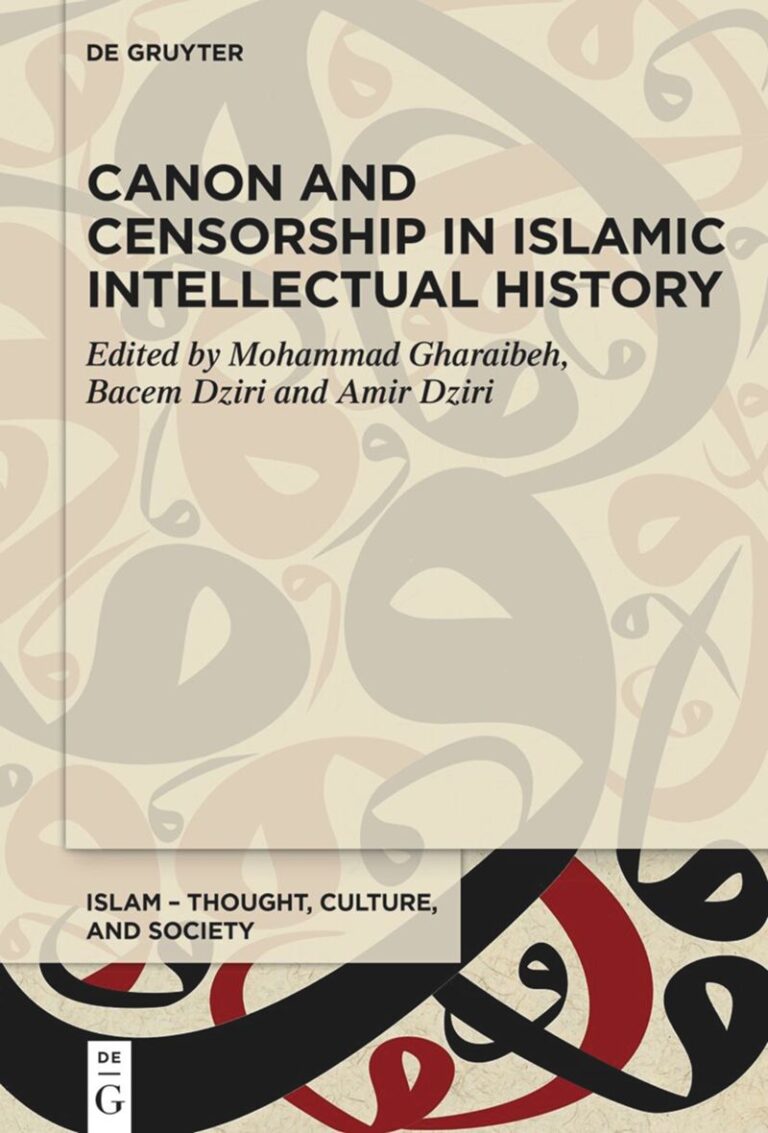 Canon and Censorship in Islamic Intellectual History
Amir Dziri Published in De Gruyter’s series “Islam: Thought, Culture, and Society” (vol. 16, 2026), this collective volume is edited by Mohammad Gharaibeh and Bacem Dziri…
 Ethics and aesthetics in the art galleries of Zamalek
Paper presented at the fifth international congress of the University Platform for Research on Islam (Pluriel), held in Cordoba from 10 to 14 February…
 The theme of the Cordoba congress
Emmanuel Pisani An opening presentation of the stakes of the 5th international congress of the University Platform for Research on Islam (Pluriel), held in Cordoba from…