
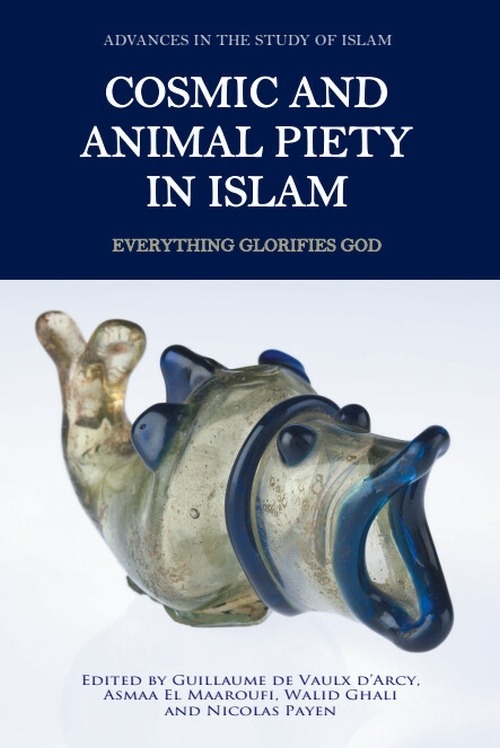
Publisher : Edinburgh University Press, Advances in the Study of Islam series - Edinburgh

English

Cosmic and Animal Piety in Islam: Everything Glorifies God
Edited by Walid Ghali, Guillaume de Vaulx d’Arcy, Asmaa El Maaroufi and Nicolas Payen, this collective volume examines the concept of praise (tasbīḥ) in Islam, in its human and nonhuman expressions.
Starting from the Qur’anic verse according to which the sun, the moon, the stars, the mountains, the trees and the beasts prostrate before God (Q 22:18), the book offers an original perspective on animal studies, Islam and the extensions of religion. It engages with ideas and narratives in which nonhuman creatures, both animate and inanimate, are portrayed as the ideal worshippers of God, and argues that the piety of animals and of the whole cosmos not only represents an ideal form of worship but also serves as a model for more fallible human piety.
The volume provides a census and explanation of the Qur’anic verses on cosmic piety, explores case studies on dogs and cats in hadith literature and Muslim culture, reveals the bond between zoology and theology in Islam and draws on hermeneutic tools from Hebrew and Syriac literature.
Three Pluriel researchers contribute to it: Geneviève Gobillot (“Animals in the Qur’an: Symbols, Representations and Models of Piety”), Pierre Lory (“Animal Piety, Angelic Piety and Human Impiety”) and Florence Ollivry (“The Natural World as a Medium of Otherworldly Contemplation and Animals as Figures of Piety in Ibn Barraǧān of Seville”). Guillaume de Vaulx d’Arcy also writes two chapters, on cosmic worship in the Qur’an and on animals as “Muslims” in the Epistles of the Brethren of Purity.
Paru sous le titre Cosmic and Animal Piety in Islam: Everything Glorifies God, cet ouvrage collectif, dirigé par Walid Ghali, Guillaume de Vaulx d’Arcy, Asmaa El Maaroufi et Nicolas Payen, étudie la notion de louange (tasbīḥ) en islam, dans ses expressions humaines et non humaines.
Partant du verset coranique selon lequel le soleil, la lune, les étoiles, les montagnes, les arbres et les animaux se prosternent devant Dieu (Coran 22, 18), le livre propose un regard original sur les études animales, l’islam et les prolongements du religieux. Il s’attache aux idées et aux récits dans lesquels les créatures non humaines, animées comme inanimées, apparaissent comme les adoratrices idéales de Dieu, et soutient que la piété des animaux et du cosmos tout entier n’est pas seulement une forme idéale d’adoration : elle sert aussi de modèle à la piété humaine, plus faillible.
Le volume recense et commente les versets coraniques consacrés à la piété cosmique, s’appuie sur des études de cas consacrées aux chiens et aux chats dans la littérature du hadith et la culture musulmane, met au jour le lien entre zoologie et théologie en islam et mobilise des outils herméneutiques issus des littératures hébraïque et syriaque.
Trois chercheurs de Pluriel y contribuent : Geneviève Gobillot (« Les animaux dans le Coran : symboles, représentations et modèles de piété »), Pierre Lory (« Piété animale, piété angélique et impiété humaine ») et Florence Ollivry (« Le monde naturel comme support de la contemplation de l’au-delà et les animaux comme figures de piété chez Ibn Barraǧān de Séville »). Guillaume de Vaulx d’Arcy y signe aussi deux chapitres, sur le culte cosmique dans le Coran et sur les animaux « musulmans » des Épîtres des Frères de la pureté.
صدر هذا الكتاب الجماعي بالإنكليزية تحت العنوان الآتي:
Cosmic and Animal Piety in Islam: Everything Glorifies God
وقد أشرف عليه وليد غالي وغيوم دو فو دارسي وأسماء المعروفي ونيكولا باين، وهو يدرس مفهوم التسبيح في الإسلام، بتعبيراته البشرية وغير البشرية.
وينطلق الكتاب من الآية القرآنية: «ألم تر أن الله يسجد له من في السماوات ومن في الأرض والشمس والقمر والنجوم والجبال والشجر والدواب وكثير من الناس» (الحج: 18)، ليقدّم نظرة جديدة إلى دراسات الحيوان والإسلام وامتدادات الدين. فيتناول الأفكار والسرديات التي تظهر فيها المخلوقات غير البشرية، الحيّة منها والجامدة، في صورة العابد المثالي لله، ويرى أنّ تقوى الحيوانات والكون كلّه ليست صورة مثالية للعبادة فحسب، بل هي أيضاً نموذج لتقوى الإنسان الأكثر عرضة للزلل.
ويحصي الكتاب الآيات القرآنية المتعلّقة بالتقوى الكونية ويشرحها، ويدرس حالات تخصّ الكلاب والقطط في أدب الحديث وفي الثقافة الإسلامية، ويكشف الصلة بين علم الحيوان والإلهيات في الإسلام، ويستعين بأدوات تأويلية من الأدبين العبري والسرياني.
ويسهم فيه ثلاثة من باحثي بلوريال: جينيفييف غابيو («الحيوانات في القرآن: رموز وتمثّلات ونماذج للتقوى»)، وبيير لوري («تقوى الحيوان وتقوى الملائكة وعصيان الإنسان»)، وفلورنس أوليفري («العالم الطبيعي سبيلاً إلى تأمّل الآخرة والحيوانات صوراً للتقوى عند ابن برّجان الإشبيلي»). ويوقّع غيوم دو فو دارسي أيضاً فصلين، عن عبادة الكون في القرآن وعن «إسلام» الحيوانات في رسائل إخوان الصفا.


 publisher's website
Author(s)

Geneviève Gobillot
Professor Emeritus, Specialisation in Arab and Islamic Studies, University of Lyon 3, Jean Moulin

Pierre Lory
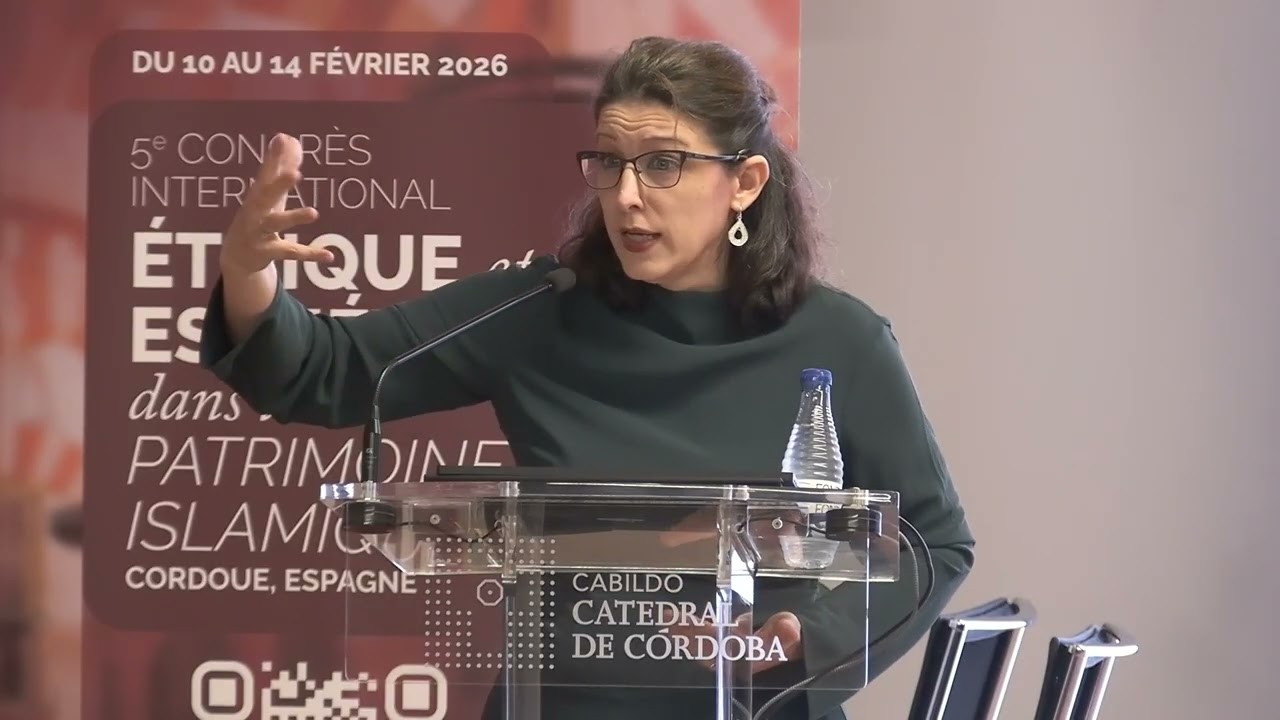
Florence Ollivry
Assistant Professor of Islamic studies at Ibn Haldun University (Istanbul). Specialist of Andalusian mysticism, in particular Ibn Barraǧān of Seville.
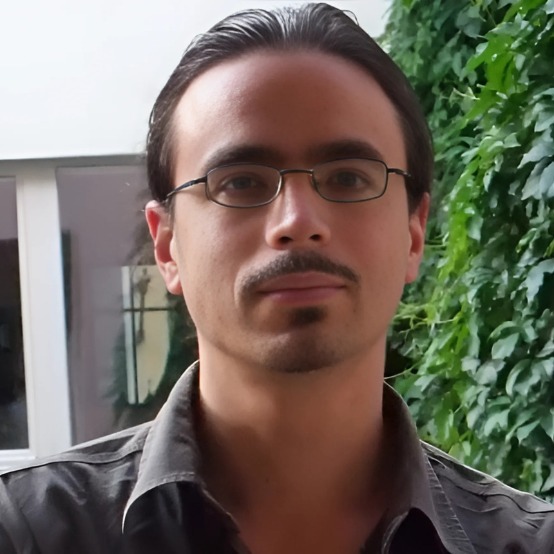
Guillaume de Vaulx d’Arcy
Philosopher and Arabist, associate researcher at the Dominican Institute for Oriental Studies (Cairo) and the French Institute of the Near East (Beirut). Specialist of the Epistles of the Brethren of Purity and of al-Saraḫsī.
Resources related to Islam Studies
article
A Fragrant Spiritual Heritage. Some Considerations on Perfumes in Islam
- Ida Zilio-Grandi
Abstract Published in volume 20 (2025) of Quaderni di Studi Arabi, this article by Ida Zilio-Grandi (Ca' Foscari University of Venice) revisits a constant of Islamic history that has attracted r...
publication
The Virtues of the Good Muslim
- Ida Zilio-Grandi
Published in 2025 by Edizioni Ca’ Foscari in Venice, this monograph by Ida Zilio-Grandi (Ca’ Foscari University) is the augmented English translation of Le virtù del buon Musulmano, fir...
publication
Without Judaism, No Islam. The Denied Source
- Mouhanad Khorchide
Published under the original title Ohne Judentum kein Islam. Die verleugnete Quelle, with the subtitle Die Wurzeln des muslimischen Antisemitismus. Eine aktuelle Analyse (“The Roots of Muslim...

article
Literary, Semiotic and Hermeneutical Approaches to the Qur’an in the Modern Period
- Wasim Salman
Abstract In this contribution to issue 51 (Mélanges) of the journal Islamochristiana, published in Italian as Approcci letterari, semiotici ed ermeneutici al Corano nel periodo moderno, Wasim Sa...
videos
A Muslim Reads St Paul: Recording of the Symposium on Shabbir Akhtar Now Online
- David Marshall
- Gabriel Said Reynolds
On 9 September 2026, the Institute for the Study of Religion in the Middle East (ISRME) and the Pontifical Institute for Arabic and Islamic Studies (PISAI, Rome) held an online symposium on The New...
publication
ʿAbd al-Mutaʿāl al-Ṣaʿīdī (1894-1971): A Defence of Religious Freedom
- Youssouf Sangaré
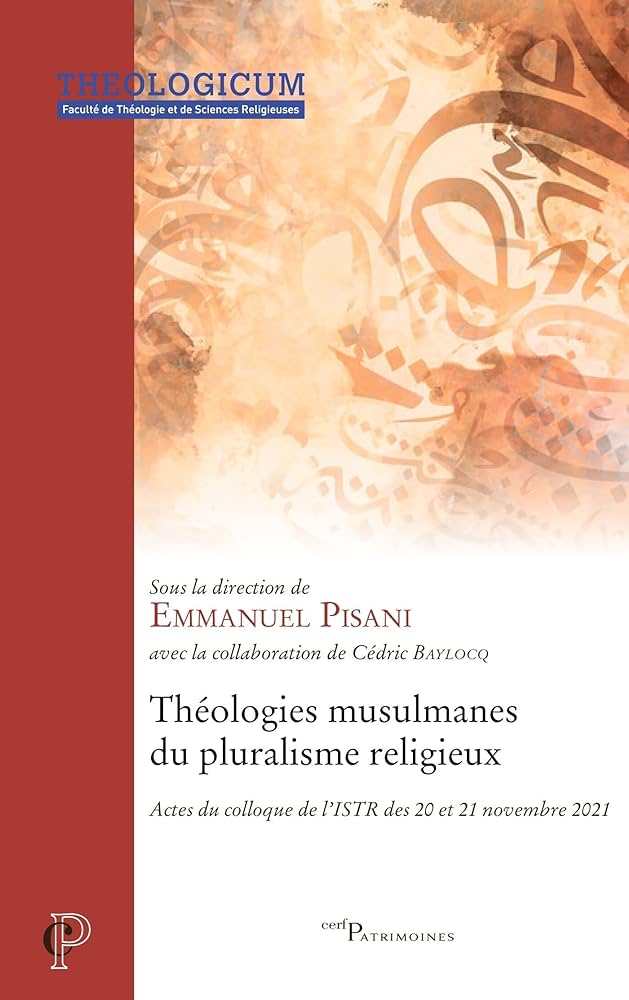
Published in 2024 in the collective volume Théologies musulmanes du pluralisme religieux (ed. Emmanuel Pisani, Éditions du Cerf, proceedings of the ISTR symposium of 20-21 November 2021, pp. 65-88)...
publication
Cosmic and Animal Piety in Islam: Everything Glorifies God
- Geneviève Gobillot
- Pierre Lory
- Florence Ollivry
- Guillaume de Vaulx d'Arcy
Edited by Walid Ghali, Guillaume de Vaulx d’Arcy, Asmaa El Maaroufi and Nicolas Payen, this collective volume examines the concept of praise (tasbīḥ) in Islam, in its human and nonhuman expre...
publication
Islamic Lessons for Christians
- Gabriel Said Reynolds
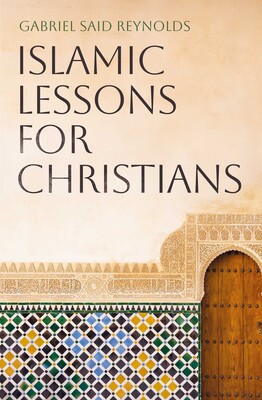
Islamic Lessons for Christians (Oneworld Publications, 2026) is the latest book by Gabriel Said Reynolds, Crowley Professor of Islamic Studies and Theology at the University of Notre Dame. What, if...