
Voices of a modern Islam. Arab-Muslim thought between renewal and tradition
Original title : “Voci dell’Islam moderno. Il pensiero arabo-musulmano fra rinnovamento e tradizione”
Review by Filoramo, G., in L’Indice 1993, n. 3
Since Weber, much has been written and, it is easy to predict, much will continue to be written on the relationship between Islam and modernity. This is why a map, such as the one Branca has edited, is welcome and useful for finding one’s way through what is certainly a rough terrain. It is a broad anthological selection of representative authors of Islamic modernism, divided into sections that refer to the main stages of the relationship with the West, experienced as a model and at the same time an obstacle to the realisation of Islam. The historical perspective, underpinned by the idea that processes similar to those experienced by Islam in its formative period are being reproposed today, makes it possible to better grasp and assess the seemingly paradoxical outcome of a secularisation that began in secular areas such as political institutions, language and literature, and which now has to give way to a conception of change in religious terms. The reasons for this return are manifold, not least the fact that the various reform movements have taken place under the aegis of the ‘salafiyya’, i.e. a restorative conception of the exemplary value of the origins, according to which ‘the glory of past eras, compared to contemporary vicissitudes, reinforces the aspiration to restore the scaffolding that sustained Islam and made it flourish in past centuries’.
Titre original : “Voci dell’Islam moderno. Il pensiero arabo-musulmano fra rinnovamento e tradizione”
Critique de Filoramo, G., in L’Indice 1993, n. 3
Depuis Weber, beaucoup a été écrit et, il est facile de le prédire, beaucoup continuera à être écrit sur les relations entre l’Islam et la modernité. C’est pourquoi une carte, comme celle que Branca a éditée, est la bienvenue, utile pour trouver son chemin sur un terrain certes battu mais cahoteux. Il s’agit d’une large sélection anthologique d’auteurs représentatifs du modernisme islamique, divisée en sections qui renvoient aux principales étapes de la relation avec l’Occident, vécu comme un modèle et en même temps un obstacle à la réalisation de l’Islam. La perspective historique, sous-tendue par l’idée que des processus similaires à ceux que l’Islam a connus dans sa période de formation se reproposent aujourd’hui, permet de mieux saisir et d’évaluer le résultat, à première vue paradoxal, d’une sécularisation qui a commencé dans des domaines profanes tels que les institutions politiques, la langue et la littérature, et qui doit maintenant céder la place à une conception du changement en termes religieux. Les raisons de ce retour sont multiples, notamment le fait que les différents mouvements de réforme se sont déroulés sous l’égide de la ” salafiyya “, c’est-à-dire d’une conception restauratrice de la valeur exemplaire des origines, selon laquelle ” la gloire des époques passées, comparée aux vicissitudes contemporaines, renforce l’aspiration à restaurer l’échafaudage qui a soutenu l’islam et l’a fait prospérer dans les siècles passés “.
منذ صدور كتاب ويبر، تناولت كتاباتٌ كثيرة ، وستتناولُ مؤلّفات كثيرة أخرى كما يسهل توقّعه، العلاقة بين الإسلام والحداثة. وهذا هو السبب الذي يجعل من خريطة كتلك التي رسمها برانكا (برانكا) مناسبة ومفيدة في البحث عن أرض خصبة رغم ضخامتها. نعني مجموعةً أنثولوجيّةً واسعةً من المؤلّفين الذي يمثّلون الإسلامَ الحديث المنقسمَ إلى أجزاء تصبّ جيمعها في مراحل العلاقة بالغرب الأساسيّة والمُختبرَ كنموذج وفي الوقت نفسه كعقبة أمام الإسلام نفسه. والواقع أنّ المنظور التاريخيّ يقومُ على فكرةٍ مفادها أنّ عمليات مشابهة لما مرّ به الإسلام في خلال فترة تكوينه تتكرّرُ اليوم. ومن هنا يسمحُ هذا المنظور بفهم وتقييم أفضل لنتيجة متناقضة للوهلة الأولى، يطالان للعلمنَة التي بدأت في المجالات الغير الدينيّة شأن المؤسسات السياسية واللغة والأدب والتي يُفترض بها الآن أن تفسحَ المجالَ أمام مفهوم التغيير في الساحة الدينية. وتتعدّدُ أسبابُ هذه العودة خصوصاً أنّ حركات إصلاح كثيرة أُجريت برعاية “السلفيّة” وهي مفهوم يرمي إلى إعادة قيمة الأصول المثلى التي تنصُّ على أنّ “مجدَ العصور الماضية المقارن بالتقلّبات المعاصرة، يعزّزُ التطلعَ إلى استعادة الأركان التي دعمت الإسلام وأسهمت بازدهاره في القرون الماضية.”
By the same author on Pluriel
 The term “dahr” (fate) in the Arabic language and its literature
Paolo Branca It is obviously not possible to examine the entire Arab literary production: we will therefore start from the many examples of pre-Islamic verses to…
 Religious Traditions in the Face of the Crisis of the Liberal System: The Case of Islam
Paolo Branca · Antonio Cuciniello Proceedings of the conference organised by the Cathoilic University of Milan on October 9th, 2019. Abstract : Religions have regained a considerable role in…
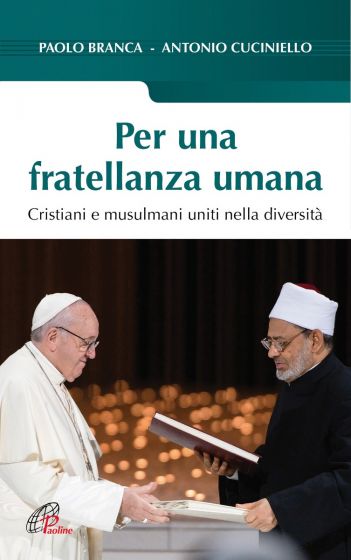 For a human fraternity – Christians and Muslims united in diversity
Antonio Cuciniello · Paolo Branca Beginning with the Document on Human Brotherhood, signed in Abu Dhabi by Pope Francis and the Grand Imam of Al-Azhar Ahmad Al-Tayyib on 5…
 Disease, death and cure. Muslims and the health emergency
Antonio Cuciniello · Paolo Branca Original title : Malattia, morte e cura. I musulmani e l’emergenza sanitaria The health emergency caused by Covid-19 has also had a strong impact…
Related resources: « Liberal Islam »
 La réforme en islam : quelques clés de lecture
Karim Ifrak “Should Islam be reformed today? “Is a simple question in appearance, but complex in reality, which often comes up in view of the many…
 In search of an aggiornamento of Islam. Contemporary approaches
Wael Saleh Can the upheavals in the Arab-Muslim world lead to an aggiornamento regulating the link between religion and politics and making it possible to live…
 Islam is charity: the foundations of a modern religion
Mouhanad Khorchide For the first time in the German-speaking world: a contemporary Islamic theology. Mouhanad Khorchide shows how Islam can come from within itself to a…
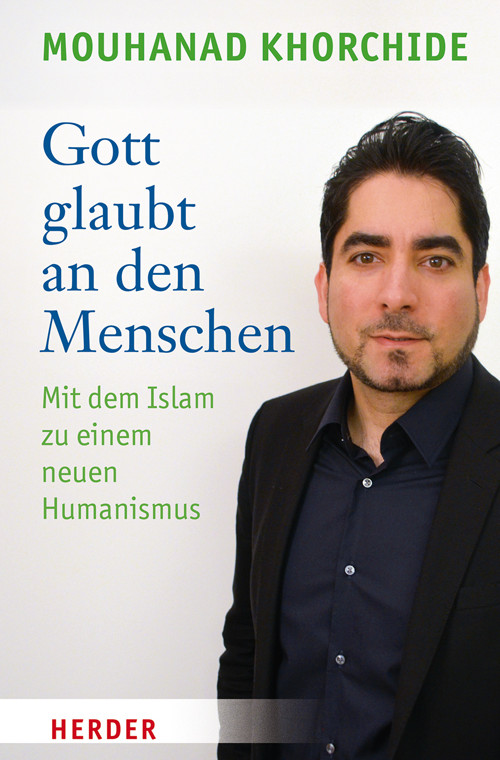 God believes in man: with Islam, towards a new humanism
Mouhanad Khorchide The message of Mouhanad Khorchide is clear: we need a global humanism that pays tribute to the people as a global family. By recognizing…
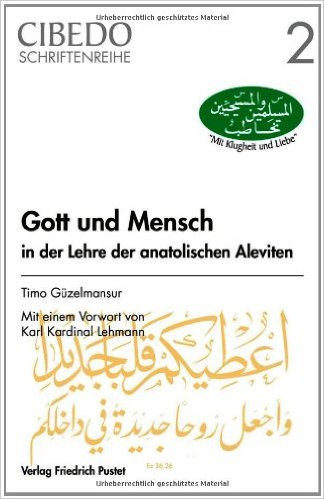 God and man in the teachings of the anatolian alevis
Timo Güzelmansur Volume 2 of the CIBEDO publication series With a preface by Karl Cardinal Lehmann The Alevis of Anatolia are considered another important group in…