
ميشيل يونس: «إلقاء الضوء الأكاديمي على قضايا المجتمع من صميم رسالة المنصة الجامعية للدراسات حول الإسلام»
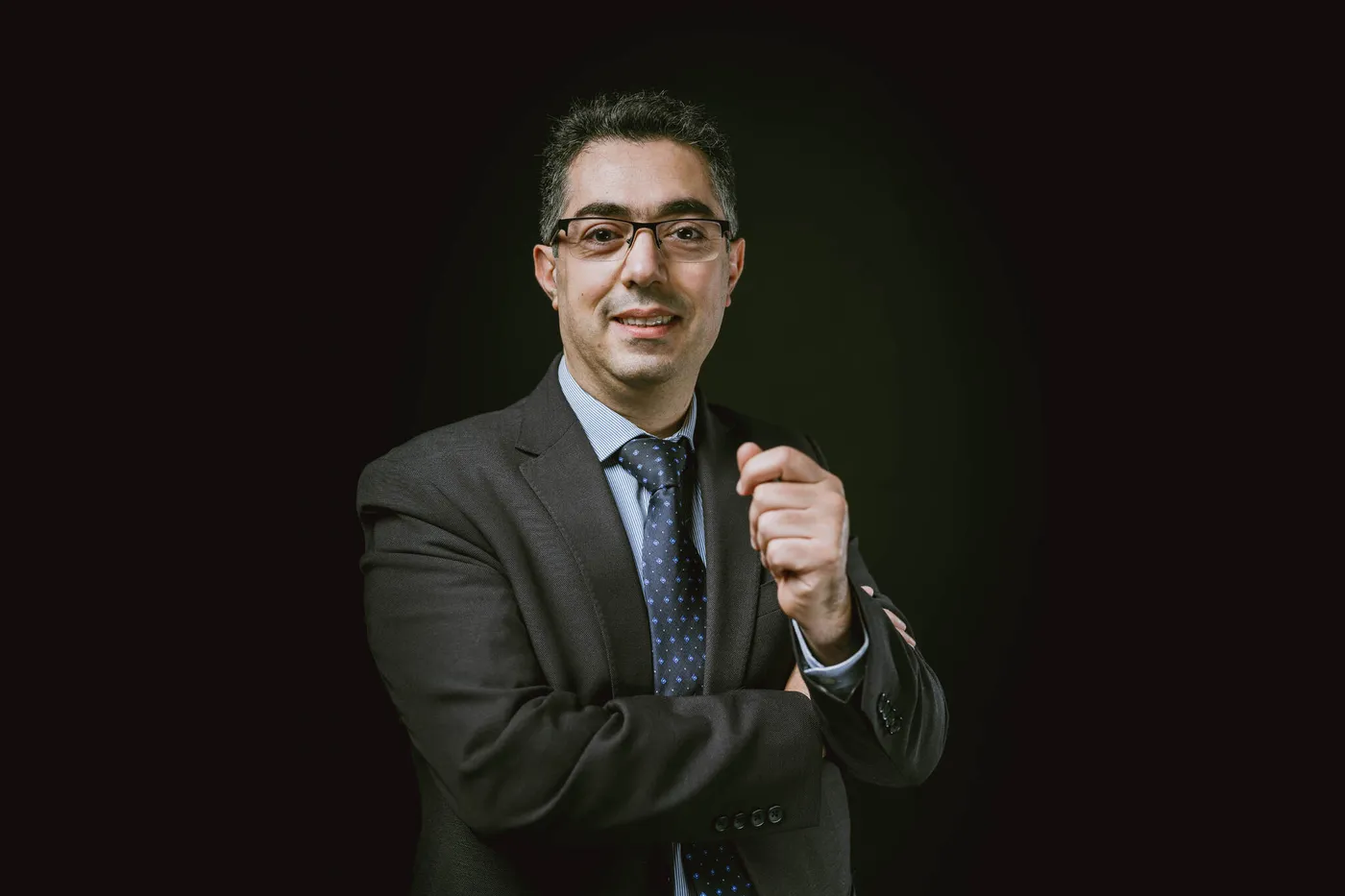
حوار. بمناسبة صدور كتابه «الإسلام والمسلمون. العقائد والمدارس والتيارات الراهنة» (دار سيرف، 2026)، يعود ميشيل يونس، أستاذ اللاهوت في الجامعة الكاثوليكية في ليون والمنسق العام للمنصة الجامعية للدراسات حول الإسلام، إلى الحديث عن نشأة هذا العمل التركيبي الذي يمثل ثمرة ما يقارب عشرين عاما من البحث في الفكر الديني الإسلامي.
بعد كتبكم السابقة، ما الذي دفعكم إلى تأليف هذا الكتاب؟
ميشيل يونس. – منذ نشر أطروحتي عام 2008 حول الفكر الديني الكلامي في الإسلام، توالت مشاريع بحثية متعددة من ندوات ومقالات ومؤتمرات وإشراف على مؤلفات جماعية وكتابة دراسات. صاغت جميعها تفكيري حول مسألة الإسلام. أتاحت لي دراسة موضوعات كانتقال الإيمان في الإسلام والمدارس الفكرية ومسائل عقدية كمكانة القرآن. هذا الكتاب تركيب متماسك لما أنجزته في سياقات مختلفة، ويقدم مفاتيح للفهم.
يتناول القسم الأول من الكتاب انتقال الإيمان في سياقات مختلفة. ما الخصوصيات الفرنسية الأكثر حسما لفهم إعادة تشكل الإسلام في سياق علماني؟
يتناول هذا القسم أنماط انتقال الإيمان في الإسلام، مما يساعد على فهم التنوع الداخلي بين المسلمين. تكشف التصنيفات المعتمدة عن الحساسيات التي تفسر تمسك البعض بالبعد الفقهي، فيما يفضل آخرون الاعتبارات الفكرية أو الأخلاقية أو الروحية. تُقيّم خصوصية الانتقال في أوروبا وفرنسا من خلال منظمتين مرتبطتين بحركة الإخوان المسلمين بشكل مباشر أو غير مباشر. تكشف هذه الدراسة عن تحولات يتأرجح فيها سؤال الهوية بين إرادة التكيف مع السياق ومنطق محافظ. وهذا يتوافق مع الدراسات الاجتماعية التي ترصد تنامي حساسية فقهية لإسلام مرئي ومطالب أحيانا لدى شريحة من الشباب المسلم.
تخصصون ثلاثة فصول للمدارس الفكرية الوسيطية، وخاصة الأشعري والغزالي. ما الإضاءة التي يقدمها هذان العلمان للنقاشات اللاهوتية المعاصرة؟
الأشعري والغزالي شخصيتان بارزتان في الفكر الإسلامي. سعى كلاهما إلى النأي بنفسيهما عما اعتبراه مواقف متطرفة: العقلانية من جهة والحرفية من جهة أخرى. لكنهما في الوقت نفسه يجسدان المنعطف الفقهي في الفكر الإسلامي الذي أفسح تدريجيا المجال لمنطق ثنائي يحتكر فضاء التفكير ويصف كل فكر مخالف بالهرطقة.
ورغم استخدامهما أدوات العقل الموروثة من الفكر اليوناني، فإنهما يشهدان على دخول الفكر الديني في حالة من الركود. مع مطلع القرنين العاشر والثاني عشر، بات التقليد مرادفا للإخلاص التكراري، حبيس إطار فقهي يرفض التفكير النقدي والتطلع الصوفي. وحتى وإن لم تختف هاتان الحقيقتان كليا، فقد أصبحتا حساسيتين هامشيتين.
يحلل القسم الأخير الحرفية بوصفها منبع التطرف. هل تجدون داخل التقليد الإسلامي موارد فكرية قادرة على تفكيك الخطاب المتطرف؟
يبتعد هذا القسم عن قراءة سادت لفترة، تريد الفصل التام بين التطرف والمصادر الإسلامية. فبالحرص على رفض الخلط، جعلنا الأسباب العميقة للأصولية الإسلامية غير مفهومة، وبالتالي أعقنا تفكيكها. إذا كان الخلط الكامل بين الإسلام والإسلاموية اختزاليا، فإن القول بأن لا علاقة بينهما لا أساس له أيضا.
الأصولية الإسلامية تيار ينبع من داخل قراءة تدعي الأمانة الحرفية للنصوص المؤسسة: القرآن والحديث النبوي. إن تطبيق بعض الآيات القرآنية والأحاديث حرفيا دون وضعها في سياقها ينتج أقلمة للمعنى تضفي الشرعية على الأعمال الإرهابية. العنف ليس مجرد نتيجة لاختلال نفسي، بل يكتسب شرعية دينية. بإثبات هذا الرابط، نفهم أفضل ما يمكن أن ينزع الشرعية عن هذا الخطاب. من هنا أهمية إحياء النقاش الداخلي والقراءات المتعددة والأدوات العقلية، بما فيها المنهج التاريخي النقدي والفيلولوجي. إعادة التفكير في العلاقة بالمصادر مفتاح ضروري للخروج من هذه التيارات.
بصفتكم منسقا للمنصة الجامعية للدراسات حول الإسلام، كيف يندرج هذا الكتاب في مسار المنصة؟
بصفتي منسقا عاما لمنصة بحثية حول الإسلام، أدرك أولا مدى إسهام أعمال الباحثين واللقاءات والمؤتمرات في إغناء تفكيري. أرادت المنصة الجامعية للدراسات حول الإسلام منذ تأسيسها أن تكون شبكة تتيح تداول الفكر والإثراء المتبادل حول موضوع معقد يستلزم تقاطع الرؤى. هذا الكتاب إسهام استفاد من الحوارات والنقاشات، ويمكن أن يفتح آفاقا جديدة لتجاوز التبسيطات ومساعدة المجتمعات على تجنب الانكفاء الهوياتي. إلقاء الضوء الأكاديمي على قضايا المجتمع من صميم رسالة المنصة الجامعية للدراسات حول الإسلام.
حاوره رافاييل جورجي
Entretien. À l’occasion de la parution de L’islam et les musulmans. Doctrines, écoles et tendances actuelles (Cerf, 2026), Michel Younès, professeur de théologie à l’Université catholique de Lyon et coordinateur général de Pluriel, revient sur la genèse de cet ouvrage de synthèse, fruit de près de vingt ans de recherche sur la pensée religieuse en islam.
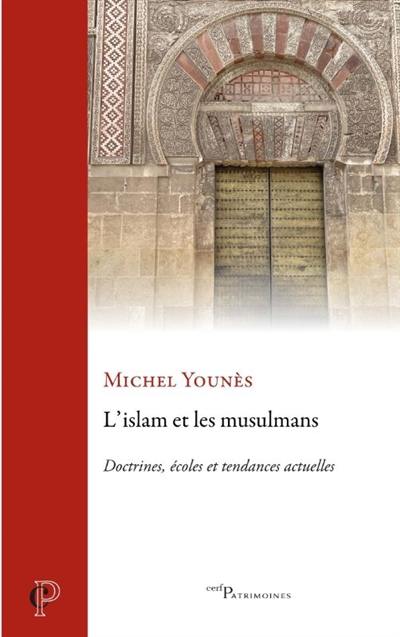
Après Le fondamentalisme islamique : décryptage d’une logique (Cerf, 2016), L’islam au pluriel : foi, pensée et société (L’Harmattan, 2018) et Les approches chrétiennes de l’islam (Cerf, 2020), qu’est-ce qui vous a conduit à écrire L’islam et les musulmans ?
Michel Younès. – Dès la publication de ma thèse en 2008 sur la pensée religieuse scolastique en islam (kalâm), plusieurs projets de recherche sous forme de colloques, d’articles, de conférences, de direction d’ouvrages ou d’écriture de monographie ont jalonné ma réflexion sur la question de l’islam. Cela a permis d’examiner des sujets comme celui de la transmission en islam, les écoles de pensée, ou des questions doctrinales comme le statut du Coran. Dans mes travaux, je me suis intéressé à certaines figures majeures ou des tendances actuelles. Ce livre est une mise en cohérence de ce qui est travaillé ici ou là. Il permet de donner des clés de compréhension.
La première partie du livre aborde la transmission de la foi en distinguant monde musulman, France et Europe. Quelles spécificités du cas français vous semblent les plus déterminantes pour comprendre la recomposition actuelle de l’islam en contexte sécularisé ?
Cette partie du livre aborde les modalités de transmission en islam, permettant de mieux saisir la diversité interne aux musulmans. Les catégories retenues sont révélatrices des sensibilités qui expliquent l’attachement de certains aux dimensions juridiques, alors que d’autres privilégient des considérations intellectuelles, éthiques ou spirituelles. La particularité de la transmission en Europe et en France est évaluée par le prisme des organismes, tous les deux affiliés à l’organisation des Frères musulmans, d’une façon directe ou indirecte. Sans être exhaustive, cette illustration invite à voir des mutations où la question de l’identité est tendue entre une volonté affichée de s’adapter au contexte et une logique conservatrice. Ce « biais » concorde avec les études sociologiques qui montrent la croissance de cette sensibilité orthopraxique d’un islam juridique, visible et parfois revendicateur chez une partie de la jeunesse musulmane.
Vous consacrez trois chapitres aux écoles de pensée médiévales, notamment à al-Ash’arī et al-Ghazālī. Quel éclairage ces figures apportent-elles aux débats théologiques contemporains, notamment sur la question de l’autorité religieuse ?
Al-Ash’arī et al-Ghazālī sont deux grandes figures symptomatiques de la pensée musulmane. Tous les deux se veulent à distance des pensées qu’ils qualifient d’extrêmes, d’un côté le rationalisme, de l’autre le littéralisme. Dans le même temps, tous les deux illustrent le tournant juridique de la pensée musulmane qui a progressivement cédé la place à une logique binaire, totalisant l’espace de pensée et qualifiant d’hérétique une pensée différente. Alors qu’ils ont eu recours aux instruments de la rationalité héritée de la pensée grecque, ils sont les témoins d’une pensée religieuse qui entre dans une forme de léthargie. Au tournant du Xe-XIIe siècle, la tradition devient synonyme d’une fidélité répétitive, prisonnière d’un cadre juridique rejetant la possibilité d’une réflexion critique ou d’une aspiration mystique. Même si ces deux réalités ne disparaîtront pas complètement, elles deviendront des sensibilités à la marge.
La dernière partie analyse le littéralisme comme matrice de la radicalité. Identifiez-vous, au sein de la tradition islamique elle-même, des ressources intellectuelles capables de déconstruire le discours radical ?
La partie qui analyse le fondamentalisme islamique et sa matrice de radicalité se distancie d’une lecture, en vogue pendant un temps, voulant dissocier complètement le radicalisme des sources islamiques. En dénonçant les amalgames, on a rendu incompréhensibles les raisons profondes qui conduisent au fondamentalisme islamique et par conséquent, à sa déconstruction. S’il est réducteur et impropre de confondre complètement l’islam et l’islamisme, il est tout aussi impropre et infondé de considérer qu’ils n’ont rien à voir l’un avec l’autre. Le fondamentalisme islamique est une tendance qui vient de l’intérieur d’une lecture qui se veut la plus fidèle dans sa forme littérale aux textes sources, le Coran et la tradition prophétique. La volonté d’appliquer à la lettre certains versets coraniques et certains récits prophétiques sans les contextualiser produit une absolutisation d’un sens qui légitime les actes terroristes. La violence n’est pas le seul fait d’un déséquilibre psychologique, elle est légitimée religieusement. En démontrant ce lien, on se rend mieux compte de ce qui permet de délégitimer ce type de propos. D’où l’importance de réhabiliter le débat interne, les lectures plurielles, les outils rationnels, y compris historico-critiques ou philologiques. Penser à nouveaux frais le rapport aux sources est une des clés nécessaires pour sortir de ces tendances.
En tant que coordinateur de Pluriel, comment cet ouvrage s’inscrit-il dans la démarche de la plateforme, et quel usage en attendez-vous dans le cadre de la recherche et de l’enseignement en islamologie ?
En tant que coordinateur général d’une plateforme de recherche sur l’islam, je me rends compte d’abord à quel point les travaux des chercheurs, les rencontres et les congrès ont nourri ma pensée. Pluriel se voulait, dès sa mise en place, un réseau qui permet la circulation de la pensée et l’irrigation mutuelle sur un sujet complexe qui nécessite le croisement des regards. La raison d’être de Pluriel est la valorisation des travaux des chercheurs membres, rendant possibles les échanges et les approfondissements. Ce livre est une contribution qui a bénéficié des échanges et des débats, et qui peut donner lieu à des échanges pour sortir des raisonnements simplificateurs et aider les sociétés à ne pas sombrer dans des crispations identitaires. Éclairer les sujets de société en apportant un éclairage par le recul académique est l’une des vocations de Pluriel.
Propos recueillis par Raphaël Georgy
Interview. On the occasion of the publication of L’islam et les musulmans. Doctrines, écoles et tendances actuelles (Cerf, 2026), Michel Younès, Professor of Theology at the Université catholique de Lyon and General Coordinator of Pluriel, reflects on the genesis of this comprehensive work, the fruit of nearly twenty years of research on religious thought in Islam.
After Le fondamentalisme islamique: décryptage d’une logique (Cerf, 2016), L’islam au pluriel: foi, pensée et société (L’Harmattan, 2018) and Les approches chrétiennes de l’islam (Cerf, 2020), what led you to write L’islam et les musulmans?
Michel Younès. – Since the publication of my doctoral thesis in 2008 on scholastic religious thought in Islam (kalām), a range of research projects—colloquia, articles, conferences, edited volumes and monographs—have shaped my thinking on Islam. These enabled me to explore topics such as the transmission of the faith, the various schools of thought, and doctrinal questions like the status of the Qur’an. In my work, I have examined major figures as well as contemporary trends. This book brings coherence to what has been developed across these various endeavours, offering keys to understanding.
The first part of the book addresses the transmission of the faith, distinguishing between the Muslim world, France and Europe. Which specificities of the French case seem most decisive for understanding the current reconfiguration of Islam in a secularised context?
This section examines the modes of transmission in Islam, shedding light on the internal diversity among Muslims. The categories employed reveal the sensibilities that explain why some are attached to juridical dimensions, while others favour intellectual, ethical or spiritual considerations. The specificity of transmission in Europe and France is assessed through the lens of two organisations, both directly or indirectly affiliated with the Muslim Brotherhood. Without claiming to be exhaustive, this illustration reveals mutations in which the question of identity is caught between a professed willingness to adapt to the local context and a conservative logic. This “bias” is consistent with sociological studies showing the growth of an orthopractic sensibility—a juridical, visible and at times assertive Islam—among a segment of Muslim youth.
You devote three chapters to medieval schools of thought, notably al-Ash’arī and al-Ghazālī. What light do these figures shed on contemporary theological debates, particularly regarding religious authority?
Al-Ash’arī and al-Ghazālī are two towering figures emblematic of Muslim thought. Both sought to distance themselves from what they deemed extreme positions: rationalism on one hand, literalism on the other. At the same time, both illustrate the juridical turn in Muslim thought, which gradually gave way to a binary logic that monopolised the space of thinking and branded any differing view as heretical. While they drew on the tools of rationality inherited from Greek thought, they bear witness to a religious thinking that entered a kind of lethargy. At the turn of the 10th–12th centuries, tradition became synonymous with repetitive fidelity, imprisoned within a juridical framework that rejected the possibility of critical reflection or mystical aspiration. Even though these two realities never entirely disappeared, they became marginal sensibilities.
The final section analyses literalism as the matrix of radicality. Do you identify, within the Islamic tradition itself, intellectual resources capable of deconstructing radical discourse?
The section analysing Islamic fundamentalism and its matrix of radicality distances itself from a reading—fashionable for a time—that sought to completely dissociate radicalism from Islamic sources. By denouncing amalgamations, we rendered incomprehensible the deep-seated reasons that lead to Islamic fundamentalism and, consequently, hampered its deconstruction. While it is reductive and improper to conflate Islam and Islamism entirely, it is equally improper and unfounded to consider that the two have nothing to do with each other. Islamic fundamentalism is a tendency that arises from within a reading that claims to be the most faithful, in its literal form, to the source texts—the Qur’an and the Prophetic tradition. The desire to apply certain Qur’anic verses and Prophetic narratives to the letter, without contextualising them, produces an absolutisation of meaning that legitimises terrorist acts. Violence is not merely the result of psychological imbalance; it is religiously legitimised. By demonstrating this link, we gain a better understanding of what can delegitimise such discourse. Hence the importance of rehabilitating internal debate, plural readings, and rational tools—including historico-critical and philological approaches. Rethinking afresh the relationship to sources is one of the necessary keys to overcoming these tendencies.
As coordinator of Pluriel, how does this book fit within the platform’s approach, and what role do you envision for it in research and teaching in Islamic studies?
As general coordinator of a research platform on Islam, I am first struck by how much the work of fellow researchers, our meetings and congresses have nourished my own thinking. From the outset, Pluriel was conceived as a network enabling the circulation of ideas and mutual enrichment on a complex subject that demands the crossing of perspectives. Pluriel’s raison d’être is the promotion of its members’ research, making exchanges and deeper explorations possible. This book is a contribution that has benefited from those exchanges and debates, and which can in turn generate further dialogue—helping to move beyond simplistic reasoning and preventing societies from sinking into identity-based tensions. Shedding academic light on societal issues is one of Pluriel’s core missions.
Interview by Raphaël Georgy