
University platform for research on Islam
Initiated by
the Federation
of European
Catholic
Universities
Supported by
the International
Federation
of Catholic
Universities
Hosted by

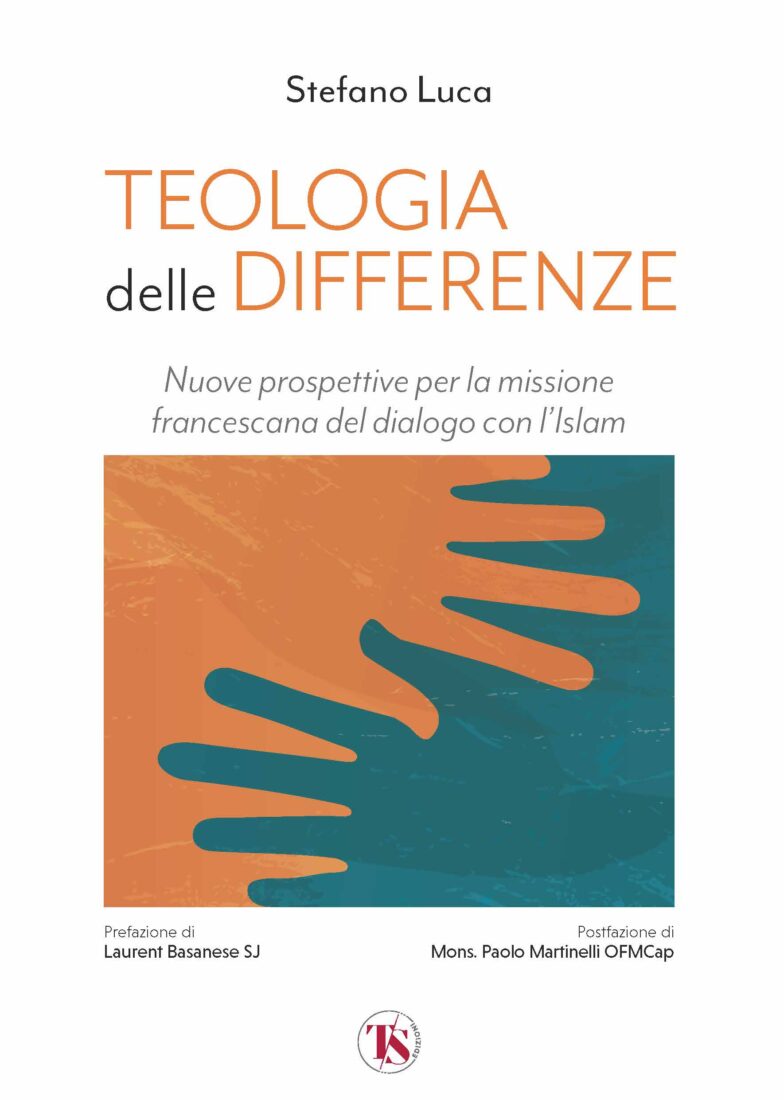
Publisher : TS Edizioni - Milan

Italian


Theology of Differences: New Perspectives for the Franciscan Mission of Dialogue with Islam
“We cannot escape, especially today, the provocation that comes from interreligious encounter. The future of humanity is linked to the ability to embrace differences.”
One of the characteristics of postmodern Western society is secularization: a sign of the decline of religion in our lives, certainly, but also an opportunity for an authentic rediscovery of faith. In this context, Christianity is forced to confront other spiritualities, in a society that has become plurireligious. How can this plurality be interpreted in discernment with a view to a new evangelization? Stefano Luca answers this question by focusing on Catholic-Muslim relations concerning the thorny missiological issues of dialogue, proclamation and conversion. At the heart of the book is the experience of Francis of Assisi, that is to say his attitude during the historic meeting in Damietta in 1219 with the Sultan of Egypt. The Poverello’s extraordinary style in dialogue, proclamation and conversion constitutes the origin of a new category which is here defined as “integral integration”, the axis of an unprecedented “theology of differences” whose biblical, theological and charismatic foundations are described in this book.
Preface by Laurent Basanese
Afterword by Mgr Paolo Martinelli
“On ne peut pas se soustraire, surtout aujourd’hui, à la provocation qui provient de la rencontre interreligieuse. L’avenir de l’humanité est lié à la capacité d’embrasser les différences.”
L’une des caractéristiques de la société occidentale postmoderne est la sécularisation : un signe du déclin de la religion dans nos vies, certes, mais aussi une occasion pour une redécouverte authentique de la foi. Dans ce contexte, le christianisme est contraint de se confronter à d’autres spiritualités, dans une société désormais plurireligieuse. Comment interpréter cette pluralité dans le discernement en vue d’une nouvelle évangélisation ? Stefano Luca répond à cette question en se focalisant sur les relations islamo-catholiques concernant les épineuses questions missiologiques de dialogue, d’annonce et de conversion. Au cœur du livre, l’expérience de François d’Assise, c’est-à-dire son attitude lors de la rencontre historique à Damiette en 1219 avec le sultan d’Égypte. L’extraordinaire style du Poverello dans le dialogue, l’annonce et la conversion constitue l’origine d’une nouvelle catégorie qui est ici définie comme « intégration intégrale », axe porteur d’une inédite « théologie des différences » dont les fondements bibliques, théologiques et charismatiques sont décrits dans ce livre.
Préface de Laurent Basanese
Postface de Mgr Paolo Martinelli
“لا يمكن للمرء أن يتجنب، خاصة اليوم، الاستفزاز الناتج عن اللقاء بين الأديان. إن مستقبل البشرية مرتبط بالقدرة على احتضان الاختلافات”.
إحدى سمات المجتمع الغربي ما بعد الحداثة هي العلمنة: إنها علامة على تراجع الدين في حياتنا، بلا شك، ولكنها أيضًا فرصة لإعادة اكتشاف الإيمان بشكل أصيل. في هذا السياق، يُجبر المسيحيون على مواجهة الروحانيات الأخرى، في مجتمع أصبح متعدد الأديان. كيف يمكننا تفسير هذا التعدد في التمييز من أجل التبشير الجديد؟ يجيب ستيفانو لوكا على هذا السؤال من خلال التركيز على العلاقات الإسلامية الكاثوليكية فيما يتعلق بالقضايا الإرسالية الشائكة للحوار والإعلان والتحول. في صميم الكتاب، تجربة فرنسيس الأسيزي، أي موقفه خلال اللقاء التاريخي في دمياط عام 1219 مع سلطان مصر. يُعد الأسلوب الاستثنائي للبوفيريلو في الحوار والإعلان والتحول أصل فئة جديدة يتم تعريفها هنا على أنها “التكامل الشامل”، وهو المحور الحامل لـ “لاهوت الاختلافات” غير المسبوق الذي يتم وصف أسسه الكتابية واللاهوتية والكاريزمية في هذا الكتاب.
مقدمة لوران باسانيز
خاتمة المطران باولو مارتينيلي


 publisher's website
Resources of this researcher
Resources related to Muslim-Christian Dialogue

article
Leo XIV’s encyclical Magnifica Humanitas and the Pluriel working group on AI-assisted interreligious dialogue
- Wael Saleh
Text by Wael Saleh, researcher at the Université du Québec à Montréal (UQAM) and member of the Pluriel coordination committee. The simultaneous appearance of Leo XIV's encyclical Magnifica Human...
videos
From Lavigerie to PISAI: The Institutional History of the Missionaries of Africa’s Engagement with Islam
Delivered on 21 May 2026 at the Pontifical Institute for Arabic and Islamic Studies (PISAI) in Rome, this lecture opens the series of conferences marking the institute's centenary (1926-2026). Fr. ...
videos
Interreligious Dialogue and Ethnic Nationalisms in the Balkans
At the invitation of PISAI (Pontifical Institute for Arabic and Islamic Studies, Rome) and Georgetown University, Ahmet Alibašić, professor of Islamic civilization at the Faculty of Islamic Studies...
publication
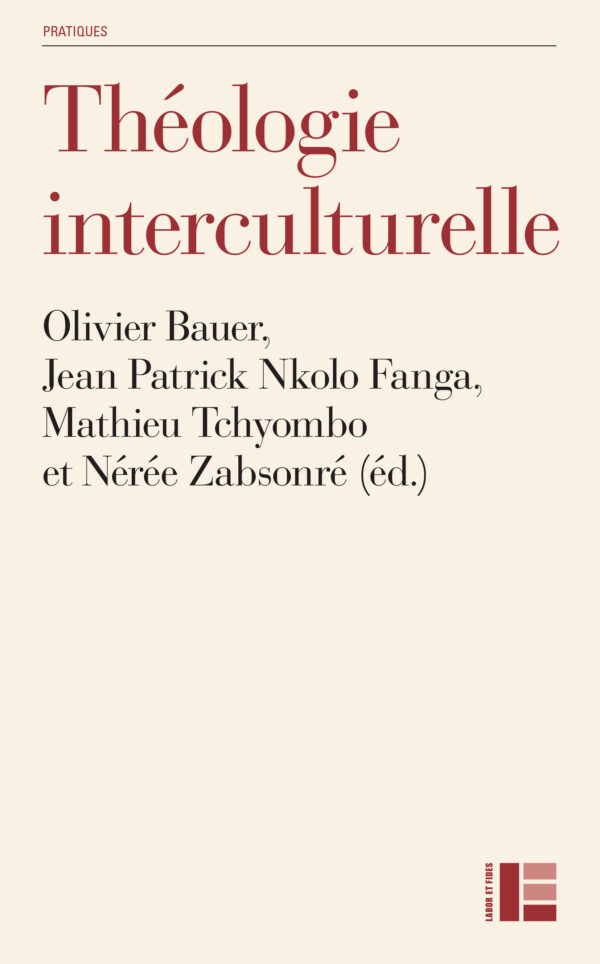
Intercultural Theology
- Jean Patrick Nkolo Fanga
Because every theology is culturally situated, Christian theology is inevitably multicultural. Yet one step remains to be taken: to become intercultural. Crossing languages, contexts, origins, ages...
publication
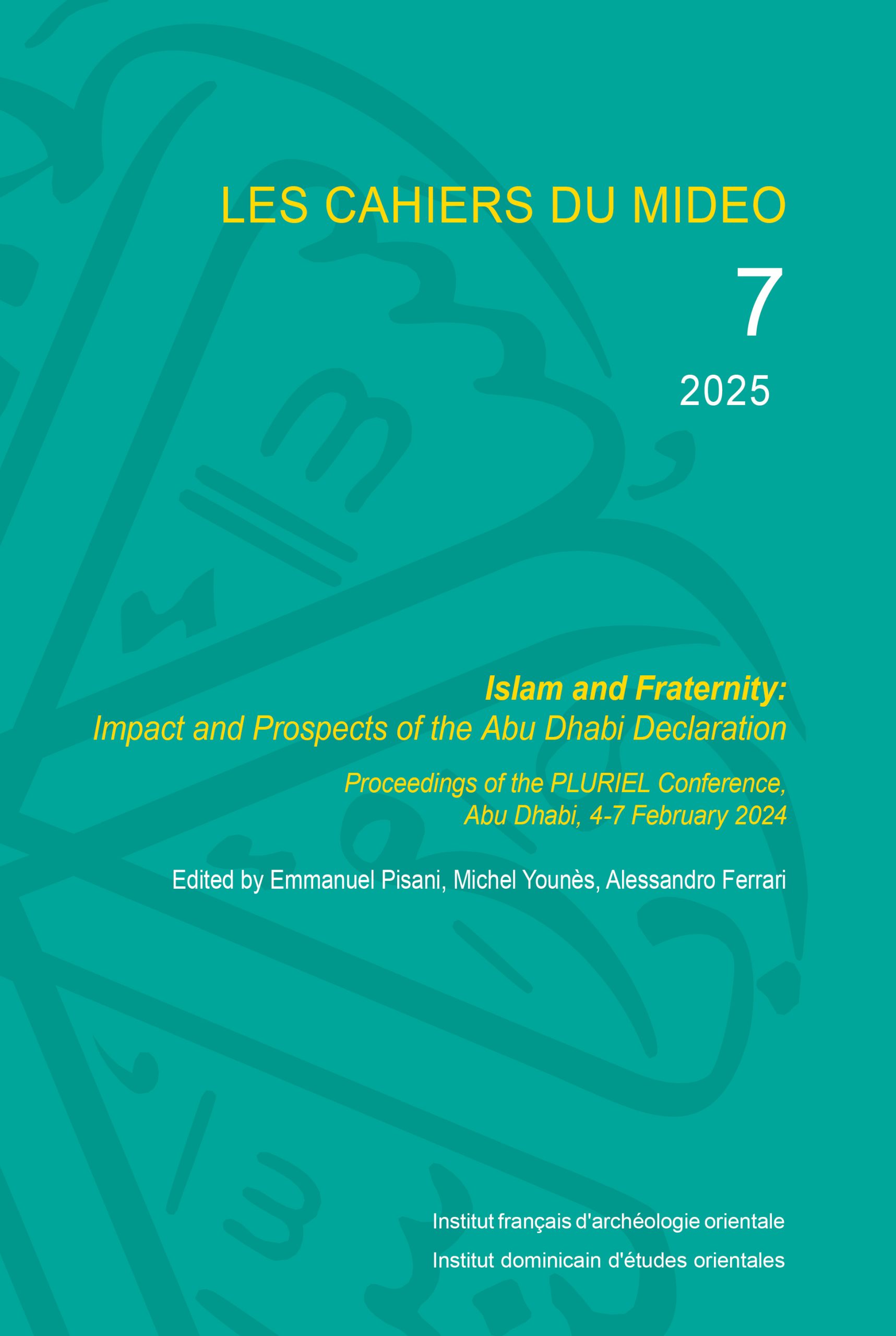
Islam and Fraternity: Impact and Prospects of the Abu Dhabi Declaration
The volume dedicated to the conference “Islam and Fraternity”, held in Abu Dhabi from February 4 to 7, 2024, under the auspices of the PLURIEL network, in partnership with Trends, a research center...
publication
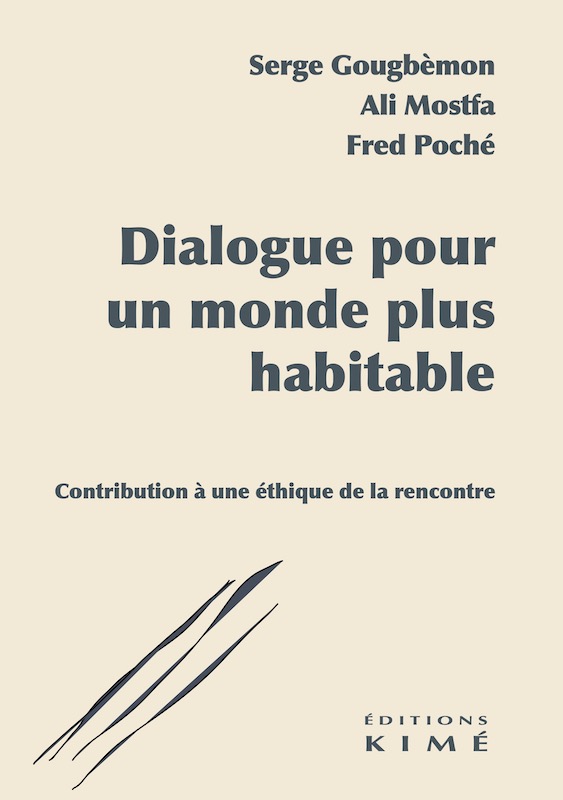
Dialogue for a More Livable World: Toward an Ethics of Encounter
- Mohamed-Ali Mostfa
How can we live in a climate of mistrust, trapped in identity-based withdrawal, and paralyzed by an uncertain future? On what basis can we open new paths to ease suffering—perhaps even reenchant ou...

videos
Freedom of conscience, a contested yet resilient right
- Dominique Avon
Rome. In a conference given on November 28, 2024, at the Pontifical Institute for Arabic and Islamic Studies, Professor Dominique Avon from the École Pratique des Hautes Études in Paris traced the ...
publication
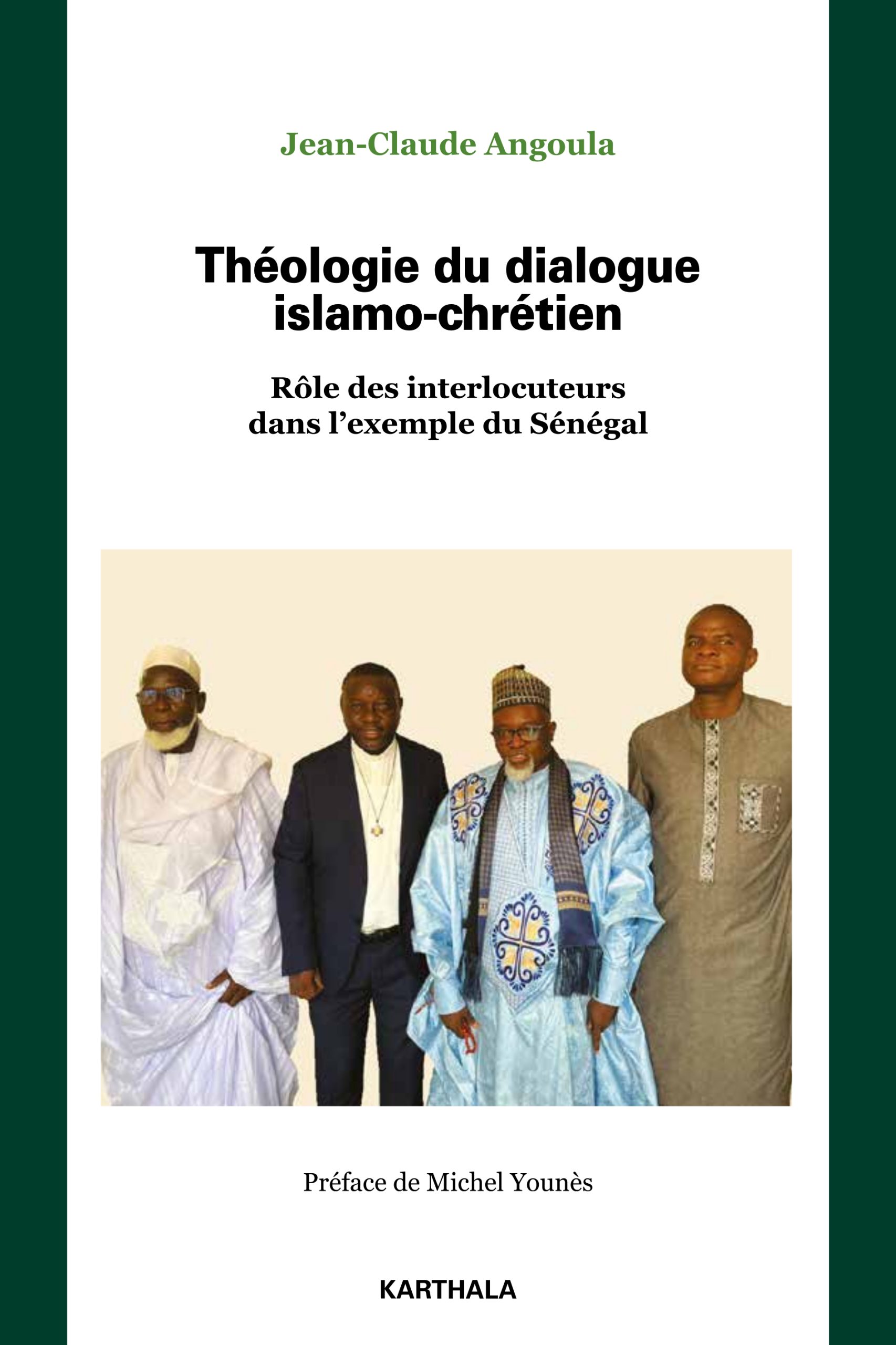
Theology of Islamic-Christian Dialogue: Role of Interlocutors in the Example of Senegal
- Jean-Claude Angoula
Encounters reveal the urgency of dialogue and the difficult quest for truth. This truth sometimes appears unique but elusive, especially during Islamic-Christian encounters. What model of dialogue ...