

After the congress in Abu Dhabi, Pluriel’s new projects
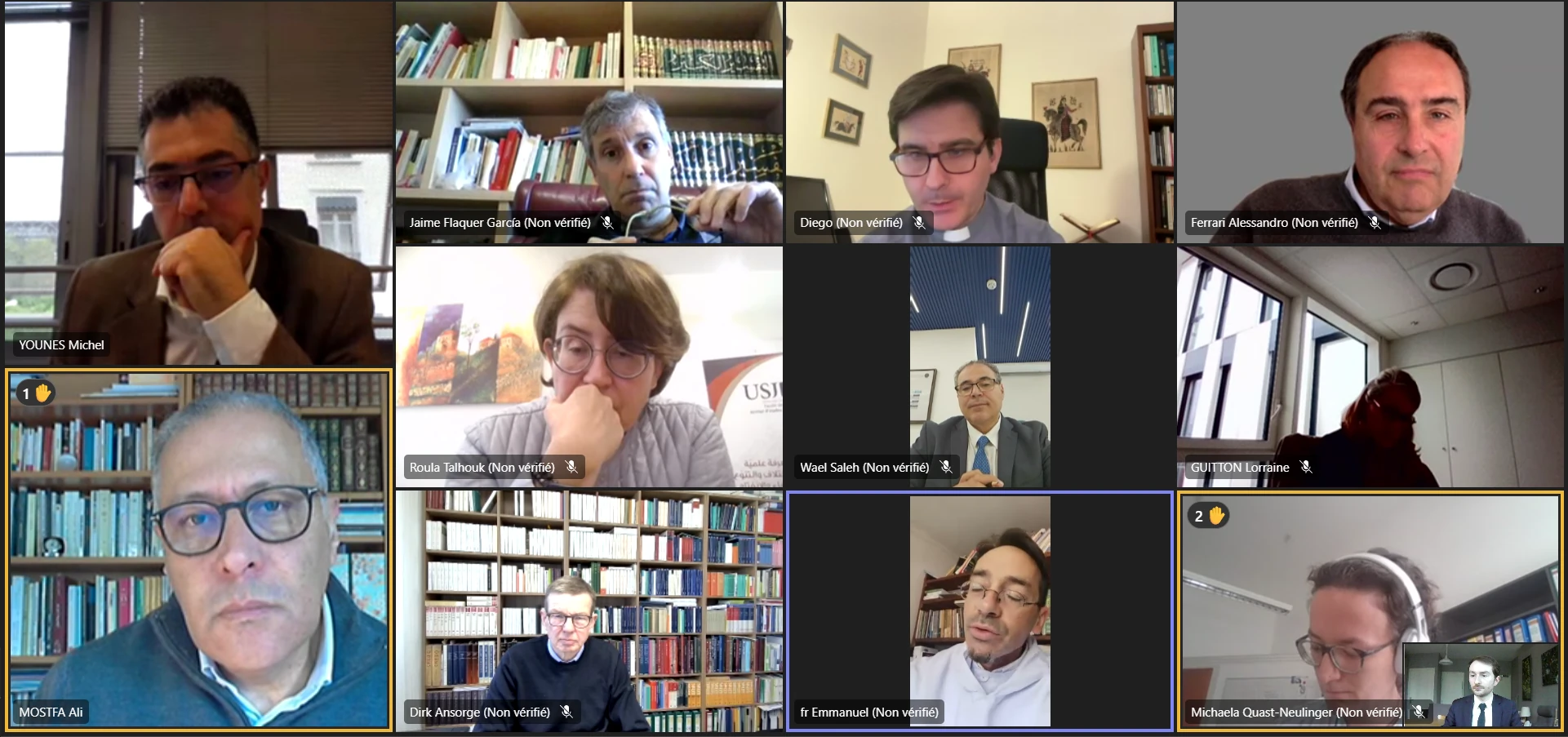
The Pluriel coordination committee met by videoconference on Tuesday, April 30 to discuss the network’s development prospects. General coordinator Michel Younès highlighted the progress made since the Abu Dhabi congress, which has enabled Pluriel to gain recognition on the international scene.
Exciting projects are well underway, with the financial support of Pluriel partners, for the next three years. This will notably make it possible to organize the next congress in Cordoba, Spain in 2026 and to launch new initiatives.
During this meeting, the committee also worked on updating the statutes and internal regulations of the network. The objective is to consolidate governance, while preserving the initial intuition of Pluriel: to value the plurality and diversity of work carried out by researchers present in more than thirty countries. New ideas have emerged, such as the creation of a journal and new digital spaces to showcase the richness of scientific productions.
The discussions also made it possible to specify the ethical and deontological line in which Pluriel is involved. An in-person meeting of the committee members is planned soon to continue this collective work in the service of the network’s development and its international influence.
R.G.
Le comité de coordination de Pluriel s’est réuni en visioconférence le mardi 30 avril dernier pour échanger sur les perspectives de développement du réseau. Le coordinateur général Michel Younès a souligné les progrès réalisés depuis le congrès d’Abu Dhabi qui ont permis à Pluriel de gagner en reconnaissance dans le paysage international.
Des projets stimulants sont en bonne voie, avec le soutien financier de partenaires de Pluriel, pour les trois prochaines années. Cela permettra notamment d’organiser le prochain congrès à Cordoue en Espagne en 2026 et de lancer de nouvelles initiatives.
À l’occasion de cette réunion, le comité a également travaillé sur une mise à jour des statuts et du règlement intérieur du réseau. L’objectif est de consolider la gouvernance, tout en préservant l’intuition initiale de Pluriel : valoriser la pluralité et la diversité des travaux réalisés par les chercheurs présents dans plus d’une trentaine de pays. De nouvelles idées ont émergé, comme la création d’une revue et de nouveaux espaces numériques pour valoriser la richesse des productions scientifiques.
Les échanges ont aussi permis de préciser la ligne éthique et déontologique dans laquelle s’inscrit Pluriel. Une rencontre en présentiel des membres du comité est prévue prochainement pour poursuivre ce travail collectif au service du développement du réseau et de son rayonnement international.
R.G.
اجتمعت لجنة التنسيق لمنصة الجامعة للبحث عن الإسلام عبر مؤتمر فيديو يوم الثلاثاء 30 أبريل الماضي لمناقشة آفاق تطوير الشبكة. وأكد المنسق العام ميشيل يونس على التقدم الذي تم إحرازه منذ مؤتمر أبو ظبي والذي مكّن منصة الجامعة للبحث عن الإسلام من اكتساب الاعتراف على الساحة الدولية.
مشاريع مثيرة في طريقها بدعم مالي من شركاء منصة الجامعة للبحث عن الإسلام للسنوات الثلاث القادمة. سيسمح هذا بشكل خاص بتنظيم المؤتمر القادم في قرطبة بإسبانيا عام 2026 وإطلاق مبادرات جديدة.
بمناسبة هذا الاجتماع، عمل المجلس أيضًا على تحديث النظام الأساسي واللوائح الداخلية للشبكة. والهدف هو تعزيز الحوكمة، مع الحفاظ على الحدس الأولي لمنصة الجامعة للبحث عن الإسلام: تثمين تعددية وتنوع الأعمال التي يقوم بها الباحثون الموجودون في أكثر من ثلاثين دولة. ظهرت أفكار جديدة، مثل إنشاء مجلة ومساحات رقمية جديدة لتثمين ثراء الإنتاج العلمي.
سمحت المناقشات أيضًا بتوضيح الخط الأخلاقي والقيَم المهنية التي تحكم عمل منصة الجامعة للبحث عن الإسلام. ومن المقرر عقد اجتماع مباشر لأعضاء اللجنة في المستقبل القريب لمواصلة هذا العمل الجماعي في خدمة تنمية الشبكة وتعزيز مكانتها الدولية.