

Institut dominicain d’Etudes orientales
قراءة في ندوة «التلاوة في القرون الأولى للإسلام (القرن السابع – القرن التاسع)»
المحاضر الضيف: الأستاذ Devin J. Stewart، جامعة Emory (أتلانتا).
التنسيق العلمي: Anne-Sylvie Boisliveau (IDEO، ستراسبورغ) وأسماء هلالي (ليل).
الأسئلة التي يطرحها موضوع التلاوة عديدة، وأحياناً يصعب استبانتها، كما لخّص Devin Stewart في ملاحظاته الختامية. الصعوبة الأولى منهجية: نتحدّث عن ظاهرة شفوية بامتياز، بينما نبحث عن آثارها في المكتوب. أظهرت المداخلات المختلفة تنوّع الوسائط الممكنة: النقوش الحجرية، والأوستراكا، والبرديات، والمخطوطات. المعلومات المتصلة بالتلاوة إمّا وردت في حواشٍ هامشية أو سطرية أكثر أو أقلّ تقنيناً، وإمّا يجب استنتاجها من الأفعال المستخدَمة لوصف طريقة نقل مضمون النص.
على مستوى أعمق، يفرض موضوع التلاوة الاشتباك مباشرةً مع سؤال ما هو النص. حالة العظة مثاليّة في تعقيدها: تُحفظ عن ظهر قلب انطلاقاً من ملاحظات مكتوبة، ثم تُلقى بتحفّظ أكثر أو أقلّ نحو المشروع الأصلي، ويأخذها بعض المستمعين على شكل ملاحظات في أثناء الاستماع أو بعده، ثم يُحرّرها كاتب محترف وفق قوالب أدبية مقرّرة، ثم تُوزَّع في نسخة قد تُراجَع من قِبَل من ألقاها. ما هو «نصّ» هذه العظة في هذه الحال؟ صلوات الأفخارستيا القبطية، بعد أن كانت تُرتَجَل إلزامياً لفترة طويلة، تستقرّ بفعل التحوّلات اللغوية والنزاعات العقائدية. أمّا نصّ القرآن، فيتشكّل ويستقرّ في الوقت الذي يُوزَّع فيه، كتابةً وشفاهةً. وفي حالات لاحقة أخرى، تُبقي عملية نقل بعض النصوص على وهم النقل بالقراءة أو التلاوة، فيما تتمّ العملية كاملةً كتابةً.
لم تُتِح الصيغة عبر الإنترنت لسوء الحظ إفرادَ مكان للتلاوة في الزرادشتية أو اليهودية أو في بيزنطة. ومن المسائل التي لم تُطرَح كذلك مسألةُ قوّة الكلمات المتلوّة. فإعلان نصّ بالتلاوة يُنتج أثراً مختلفاً عن قراءته، عامّةً كانت أم خاصّة. هل يمكن دراسة هذا الأثر؟ وبصورة أعمّ، ما الأهداف التي ترمي إليها التلاوة؟ التعليم، النقل، التقوى، الجمالية، اكتساب الأعمال الصالحة، تعزيز سلطة النص عبر أدلجة تلاوته؟
Conférencier invité: Prof. Devin J. Stewart, Emory University (Atlanta)
Coordination scientifique : Anne-Sylvie Boisliveau (Idéo, Strasbourg) & Asma Hilali (Lille)
Les questions soulevées par le thème de la récitation sont nombreuses et parfois difficiles à cerner, comme l’a parfaitement résumé Devin Stewart dans ses remarques conclusives. La première difficulté est d’ordre méthodologique : nous parlons d’un phénomène fondamentalement oral dont nous cherchons des traces à l’écrit. Les différentes interventions ont manifesté la diversité des supports possibles : inscriptions lapidaires, ostraca, papyrus et manuscrits. Les informations concernant la récitation sont soit contenues dans des notes marginales ou interlinéaires plus ou moins codifiées, soit à déduire des verbes utilisés pour décrire la façon dont le contenu du texte est transmis.
Plus fondamentalement, le thème de la récitation impose de s’atteler de front à la question de ce qu’est un texte. Le cas de l’homélie est paroxystique : apprise par cœur à partir de notes éventuellement écrites, puis prononcée avec plus ou moins de fidélité au projet initial, prise en note par certains auditeurs pendant ou après l’audition, rédigée ensuite par un écrivain professionnel selon des canons littéraires établis, puis mise en circulation dans une version éventuellement relue par celui qui l’a délivrée. Dans ce cas, quel est le « texte » de cette homélie ? Les prières eucharistiques coptes, après avoir longtemps été obligatoirement improvisées, se stabilisent sous l’effet des changements linguistiques, et des querelles dogmatiques. Le texte du Coran s’élabore et se stabilise en même temps qu’il est diffusé, à l’écrit et à l’oral. Dans d’autres cas plus tardifs, la transmission de certains textes maintient l’illusion d’une transmission par lecture ou récitation alors que le processus passe entièrement par l’écrit.
Le format en ligne ne nous a malheureusement pas permis de faire une place à la récitation dans le zoroastrisme, le judaïsme ou à Byzance. Une question qui n’a pas non plus pu être abordée est celle du pouvoir des mots récités. La proclamation récitée d’un texte engendre un effet différent de sa lecture, publique ou privée. Cet effet est-il étudiable ? Plus généralement, quels sont les buts visés par la récitation ? L’enseignement, la transmission, la piété, l’esthétique, l’acquisition d’œuvres bonnes, le renforcement de l’autorité du texte par la dramatisation de sa récitation ?
Keynote Speaker: Prof. Devin J. Stewart, Emory University (Atlanta)
Scientific coordination: Anne-Sylvie Boisliveau (IDEO, Strasbourg) & Asma Hilali (Lille)
The questions raised by the topic of recitation are many and sometimes difficult to define, as Devin Stewart summed up perfectly in his concluding remarks. The first difficulty is methodological: we are talking about a fundamentally oral phenomenon of which we are looking for traces in written texts. The different contributions showed the diversity of the existing material: lapidary inscriptions, ostraca, papyri and manuscripts. The information concerning recitation is either contained in more or less codified marginal or interlinear notes, or to be deducted from the verbs used to describe the way in which the content of the text is transmitted.
More fundamentally, the topic of recitation forces us to reconsider the definition of what a text is. The case of the homily is paroxysmal: learned by heart from possibly written notes, then pronounced with more or less loyalty to the initial project, taken in notes by some listeners during or after the hearing, then written by a professional author according to established literary canons, then put into circulation in a version that may be reread by the person who delivered it. In this case, what is the “text” of this homily? The Coptic Eucharistic prayers, after having been required to be improvised for a long time, stabilized under the influence of linguistic changes and dogmatic quarrels. The text of the Qurʾān developed and stabilized at the same time as it was disseminated, both in written and oral forms. In other later cases, the transmission of some texts maintained the illusion of an oral transmission, through reading or reciting, while the actual process happened entirely through in written form.
Unfortunately, the online format did not allow us to make place for recitation in Zoroastrianism, Judaism or in Byzantium. One issue that could not be discussed either was the power of the recited words. The recited proclamation of a text has a different impact from its reading, public or private. Can this impact be studied? More generally, what are the aims of recitation? Teaching, transmission, piety, aesthetics, acquisition of good deeds, reinforcement of the authority of the text by the dramatization of its recitation?

Ressources lié aux mots clés
publication
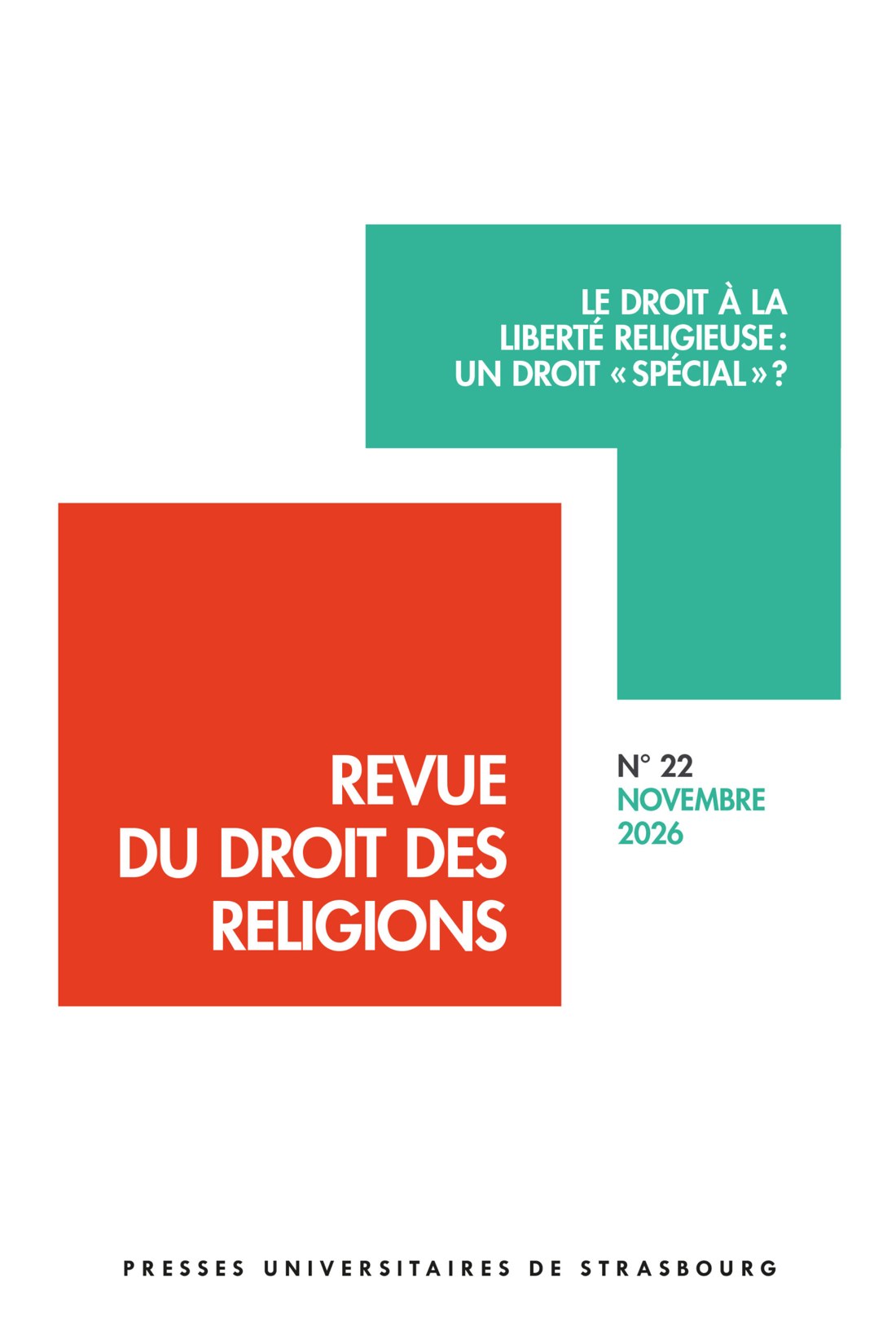
«الحق في الحرية الدينية: حقٌّ “خاص”؟»، مجلة قانون الأديان، العدد 22
- أليساندرو فيراري
يصدر العدد 22 من «مجلة قانون الأديان» (Revue du droit des religions)، التي تنشرها مطبوعات جامعة ستراسبورغ، في 19 نوفمبر/تشرين الثاني 2026. ويحمل ملفّه عنوان «الحق في الحرية الدينية: حقٌّ “خاص...

publication
الآخر الإبستمولوجي في دراسات الإسلاموية: من ما بعد الكولونيالية إلى الغيرية المعرفية النسقية
- وائل صالح
أصدر وائل صالح، عضو لجنة التنسيق في المنصة الجامعية للدراسات حول الإسلام، دراسةً جديدة عن تريندز للبحوث والاستشارات في أبوظبي، صدرت في 21 أكتوبر/تشرين الأول 2026 بعنوان «الآخر الإبستمولوجي في دراسا...
videos
الذكاء الاصطناعي، إله جديد؟ مقاربتان مسيحية وإسلامية
في 20 أكتوبر/تشرين الأول 2026، افتتح مركز الدراسات بين الأديان في جامعة إنسبروك، وهي مؤسسة شريكة للمنصة الجامعية للدراسات حول الإسلام، الفصلَ الدراسي من سلسلة حواراته بين الأديان عبر الإنترنت «لنصن...
publication
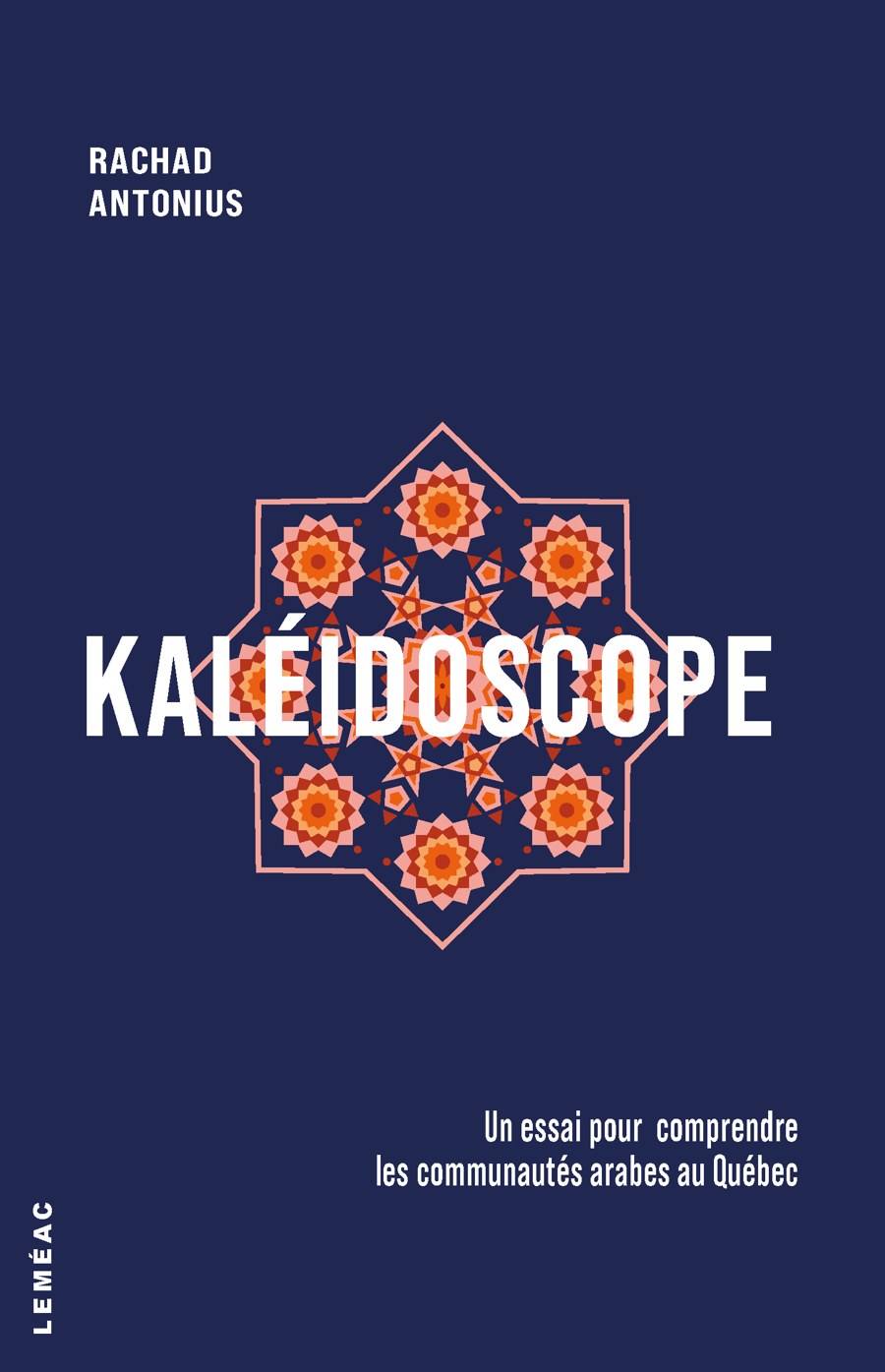
المشكال: محاولة لفهم الجاليات العربية في كيبيك
- رشاد أنطونيوس
صدر في 14 أكتوبر/تشرين الأول 2026 عن دار لوميَك في مونتريال، ضمن سلسلة «مقالات للشباب» (88 صفحة)، كتاب باللغة الفرنسية لـرشاد أنطونيوس، أستاذ علم الاجتماع المتقاعد في جامعة كيبيك في مونتريال، وصاحب...
publication
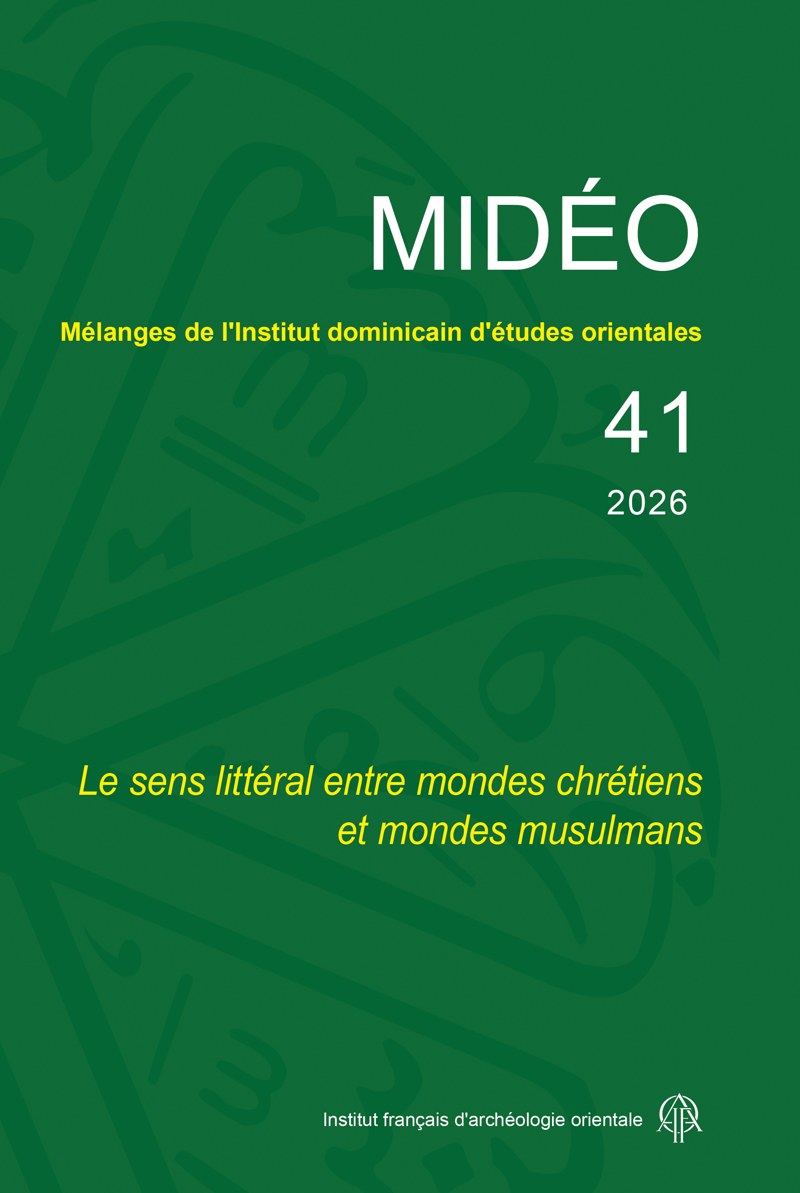
مجلة ميديو، العدد 41: المعنى الحرفي بين العوالم المسيحية والعوالم الإسلامية
- جان درويال
- إيمانويل بيساني
يحمل العدد الحادي والأربعون من مجلة ميديو عنوان ملفّه: «المعنى الحرفي بين العوالم المسيحية والعوالم الإسلامية»، ويتناول مسألة المعنى الحرفي للنصوص المقدّسة من خلال مقاربة مقارنة للتفاسير المسيحية و...
publication
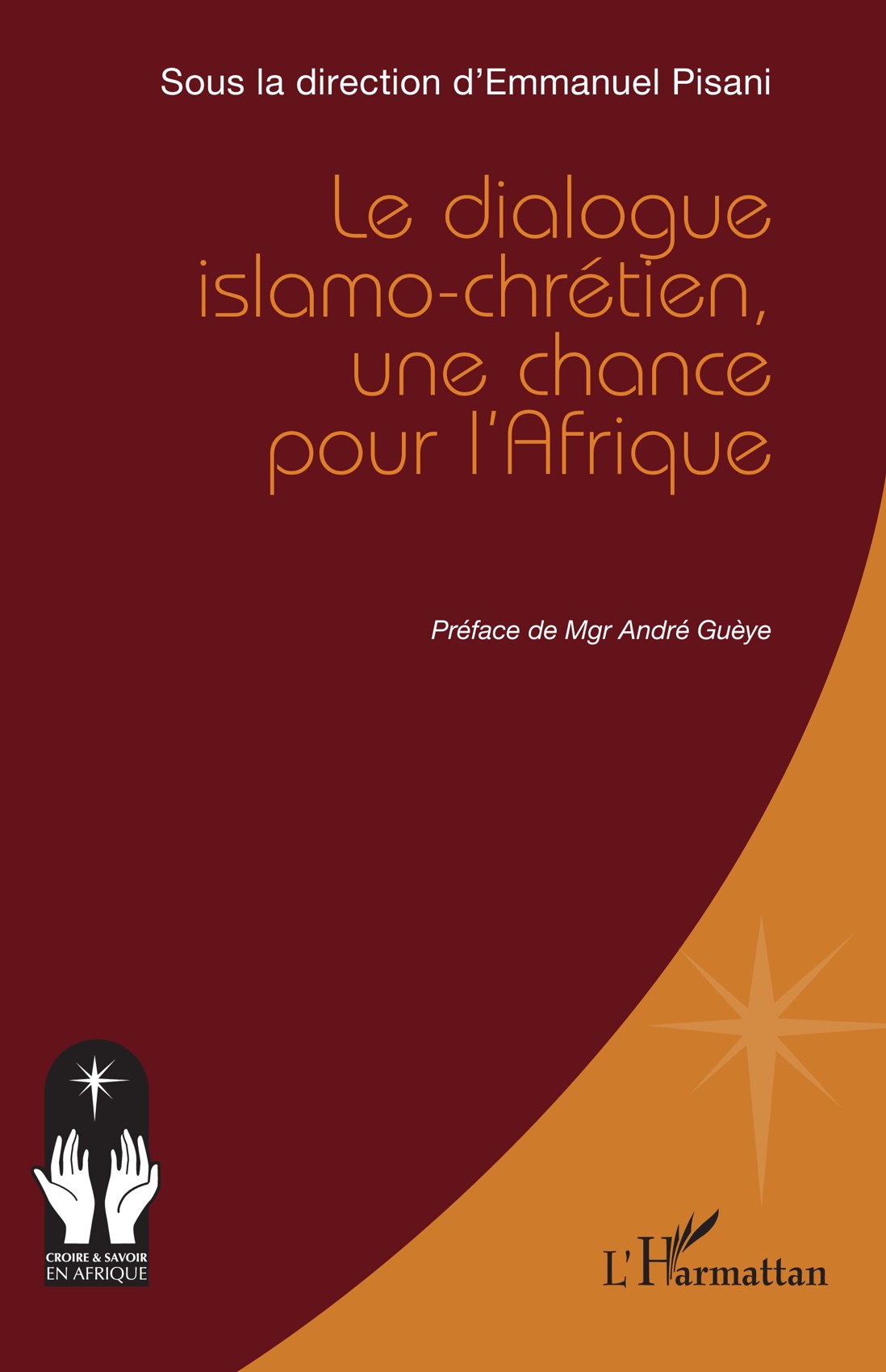
الحوار الإسلامي المسيحي، فرصة لأفريقيا
- إيمانويل بيساني
في وقت تشهد فيه أفريقيا جنوب الصحراء تحوّلات اجتماعية وسياسية عميقة وتصاعداً للتطرّف الديني، يبدو الحوار الإسلامي المسيحي ضرورةً لا مفرّ منها وشرطاً للسلام. ويجمع هذا الكتاب، وهو ثمرةُ حلقة دراسية ...
publication
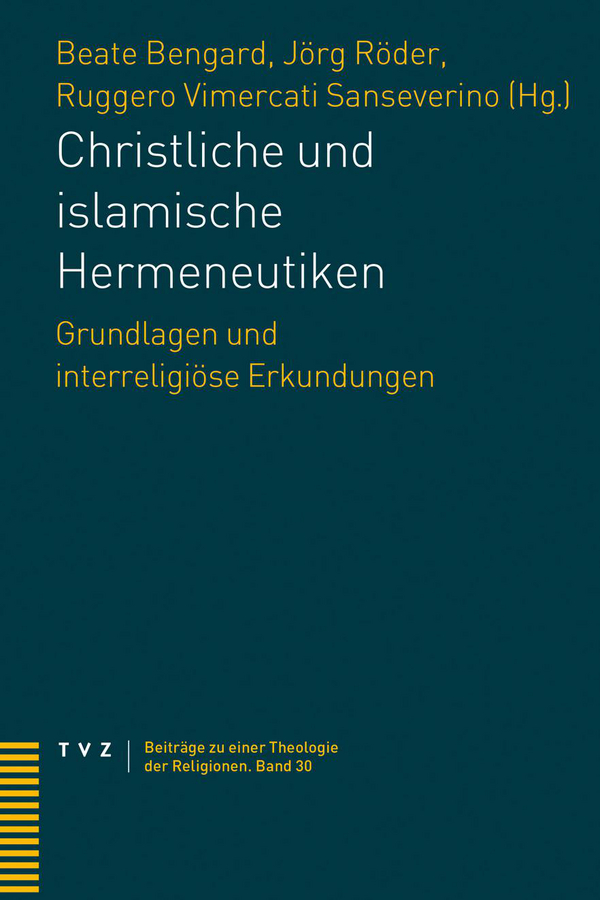
التأويليات المسيحية والإسلامية: أسس واستكشافات بين الأديان
- بياته بنغارد
صدر في أكتوبر/تشرين الأول 2026 عن دار النشر اللاهوتية في زيورخ (TVZ)، ضمن سلسلة «إسهامات في لاهوت الأديان» (المجلد 30، 451 صفحة)، كتاب جماعي باللغة الألمانية حرّرته بياته بنغارد، الأستاذة المشاركة ...

publication
فهم السلفية
- محمد علي الأدرعوي
يصدر هذا الكتاب سنة 2022 عن دار Palgrave Macmillan (Springer)، ضمن سلسلة The Sciences Po Series in International Relations and Political Economy، للأستاذ محمد علي الأدرعي، أستاذ الجامعات في جامعة ا...