

Institut dominicain d’Etudes orientales
Report of the conference “Reciting in the Early Islamic Empire (7ᵗʰ‒9ᵗʰ centuries)”
Keynote Speaker: Prof. Devin J. Stewart, Emory University (Atlanta)
Scientific coordination: Anne-Sylvie Boisliveau (IDEO, Strasbourg) & Asma Hilali (Lille)
The questions raised by the topic of recitation are many and sometimes difficult to define, as Devin Stewart summed up perfectly in his concluding remarks. The first difficulty is methodological: we are talking about a fundamentally oral phenomenon of which we are looking for traces in written texts. The different contributions showed the diversity of the existing material: lapidary inscriptions, ostraca, papyri and manuscripts. The information concerning recitation is either contained in more or less codified marginal or interlinear notes, or to be deducted from the verbs used to describe the way in which the content of the text is transmitted.
More fundamentally, the topic of recitation forces us to reconsider the definition of what a text is. The case of the homily is paroxysmal: learned by heart from possibly written notes, then pronounced with more or less loyalty to the initial project, taken in notes by some listeners during or after the hearing, then written by a professional author according to established literary canons, then put into circulation in a version that may be reread by the person who delivered it. In this case, what is the “text” of this homily? The Coptic Eucharistic prayers, after having been required to be improvised for a long time, stabilized under the influence of linguistic changes and dogmatic quarrels. The text of the Qurʾān developed and stabilized at the same time as it was disseminated, both in written and oral forms. In other later cases, the transmission of some texts maintained the illusion of an oral transmission, through reading or reciting, while the actual process happened entirely through in written form.
Unfortunately, the online format did not allow us to make place for recitation in Zoroastrianism, Judaism or in Byzantium. One issue that could not be discussed either was the power of the recited words. The recited proclamation of a text has a different impact from its reading, public or private. Can this impact be studied? More generally, what are the aims of recitation? Teaching, transmission, piety, aesthetics, acquisition of good deeds, reinforcement of the authority of the text by the dramatization of its recitation?
Conférencier invité: Prof. Devin J. Stewart, Emory University (Atlanta)
Coordination scientifique : Anne-Sylvie Boisliveau (Idéo, Strasbourg) & Asma Hilali (Lille)
Les questions soulevées par le thème de la récitation sont nombreuses et parfois difficiles à cerner, comme l’a parfaitement résumé Devin Stewart dans ses remarques conclusives. La première difficulté est d’ordre méthodologique : nous parlons d’un phénomène fondamentalement oral dont nous cherchons des traces à l’écrit. Les différentes interventions ont manifesté la diversité des supports possibles : inscriptions lapidaires, ostraca, papyrus et manuscrits. Les informations concernant la récitation sont soit contenues dans des notes marginales ou interlinéaires plus ou moins codifiées, soit à déduire des verbes utilisés pour décrire la façon dont le contenu du texte est transmis.
Plus fondamentalement, le thème de la récitation impose de s’atteler de front à la question de ce qu’est un texte. Le cas de l’homélie est paroxystique : apprise par cœur à partir de notes éventuellement écrites, puis prononcée avec plus ou moins de fidélité au projet initial, prise en note par certains auditeurs pendant ou après l’audition, rédigée ensuite par un écrivain professionnel selon des canons littéraires établis, puis mise en circulation dans une version éventuellement relue par celui qui l’a délivrée. Dans ce cas, quel est le « texte » de cette homélie ? Les prières eucharistiques coptes, après avoir longtemps été obligatoirement improvisées, se stabilisent sous l’effet des changements linguistiques, et des querelles dogmatiques. Le texte du Coran s’élabore et se stabilise en même temps qu’il est diffusé, à l’écrit et à l’oral. Dans d’autres cas plus tardifs, la transmission de certains textes maintient l’illusion d’une transmission par lecture ou récitation alors que le processus passe entièrement par l’écrit.
Le format en ligne ne nous a malheureusement pas permis de faire une place à la récitation dans le zoroastrisme, le judaïsme ou à Byzance. Une question qui n’a pas non plus pu être abordée est celle du pouvoir des mots récités. La proclamation récitée d’un texte engendre un effet différent de sa lecture, publique ou privée. Cet effet est-il étudiable ? Plus généralement, quels sont les buts visés par la récitation ? L’enseignement, la transmission, la piété, l’esthétique, l’acquisition d’œuvres bonnes, le renforcement de l’autorité du texte par la dramatisation de sa récitation ?
المحاضر الضيف: الأستاذ Devin J. Stewart، جامعة Emory (أتلانتا).
التنسيق العلمي: Anne-Sylvie Boisliveau (IDEO، ستراسبورغ) وأسماء هلالي (ليل).
الأسئلة التي يطرحها موضوع التلاوة عديدة، وأحياناً يصعب استبانتها، كما لخّص Devin Stewart في ملاحظاته الختامية. الصعوبة الأولى منهجية: نتحدّث عن ظاهرة شفوية بامتياز، بينما نبحث عن آثارها في المكتوب. أظهرت المداخلات المختلفة تنوّع الوسائط الممكنة: النقوش الحجرية، والأوستراكا، والبرديات، والمخطوطات. المعلومات المتصلة بالتلاوة إمّا وردت في حواشٍ هامشية أو سطرية أكثر أو أقلّ تقنيناً، وإمّا يجب استنتاجها من الأفعال المستخدَمة لوصف طريقة نقل مضمون النص.
على مستوى أعمق، يفرض موضوع التلاوة الاشتباك مباشرةً مع سؤال ما هو النص. حالة العظة مثاليّة في تعقيدها: تُحفظ عن ظهر قلب انطلاقاً من ملاحظات مكتوبة، ثم تُلقى بتحفّظ أكثر أو أقلّ نحو المشروع الأصلي، ويأخذها بعض المستمعين على شكل ملاحظات في أثناء الاستماع أو بعده، ثم يُحرّرها كاتب محترف وفق قوالب أدبية مقرّرة، ثم تُوزَّع في نسخة قد تُراجَع من قِبَل من ألقاها. ما هو «نصّ» هذه العظة في هذه الحال؟ صلوات الأفخارستيا القبطية، بعد أن كانت تُرتَجَل إلزامياً لفترة طويلة، تستقرّ بفعل التحوّلات اللغوية والنزاعات العقائدية. أمّا نصّ القرآن، فيتشكّل ويستقرّ في الوقت الذي يُوزَّع فيه، كتابةً وشفاهةً. وفي حالات لاحقة أخرى، تُبقي عملية نقل بعض النصوص على وهم النقل بالقراءة أو التلاوة، فيما تتمّ العملية كاملةً كتابةً.
لم تُتِح الصيغة عبر الإنترنت لسوء الحظ إفرادَ مكان للتلاوة في الزرادشتية أو اليهودية أو في بيزنطة. ومن المسائل التي لم تُطرَح كذلك مسألةُ قوّة الكلمات المتلوّة. فإعلان نصّ بالتلاوة يُنتج أثراً مختلفاً عن قراءته، عامّةً كانت أم خاصّة. هل يمكن دراسة هذا الأثر؟ وبصورة أعمّ، ما الأهداف التي ترمي إليها التلاوة؟ التعليم، النقل، التقوى، الجمالية، اكتساب الأعمال الصالحة، تعزيز سلطة النص عبر أدلجة تلاوته؟

Resources related to keywords
article
Wael Saleh: “Recognising Without Confining, to Better ‘De-other’ the Public Debate”
- Wael Saleh
In an op-ed published on 20 July 2026 by Le Devoir, Wael Saleh, a member of the scientific committee of Pluriel, puts forward a new concept for contemporary democratic debate: "de-othering" (in Fre...
videos
“War and peace”, by Adrien Candiard
On Wednesday 20 May 2026, the Dominican Institute for Oriental Studies (IDEO) hosted in Cairo a lecture by Brother Adrien Candiard, Dominican and Islamologist, on the theme "War and peace". Faced w...
article
Kenneth Cragg and the Event of the Qur’an
- Timo Güzelmansur
Article by Timo Güzelmansur published under the title Kenneth Cragg und das Ereignis des Koran on the theological portal feinschwarz.net (12 June 2026, open access). Timo Güzelmansur presents the A...
article
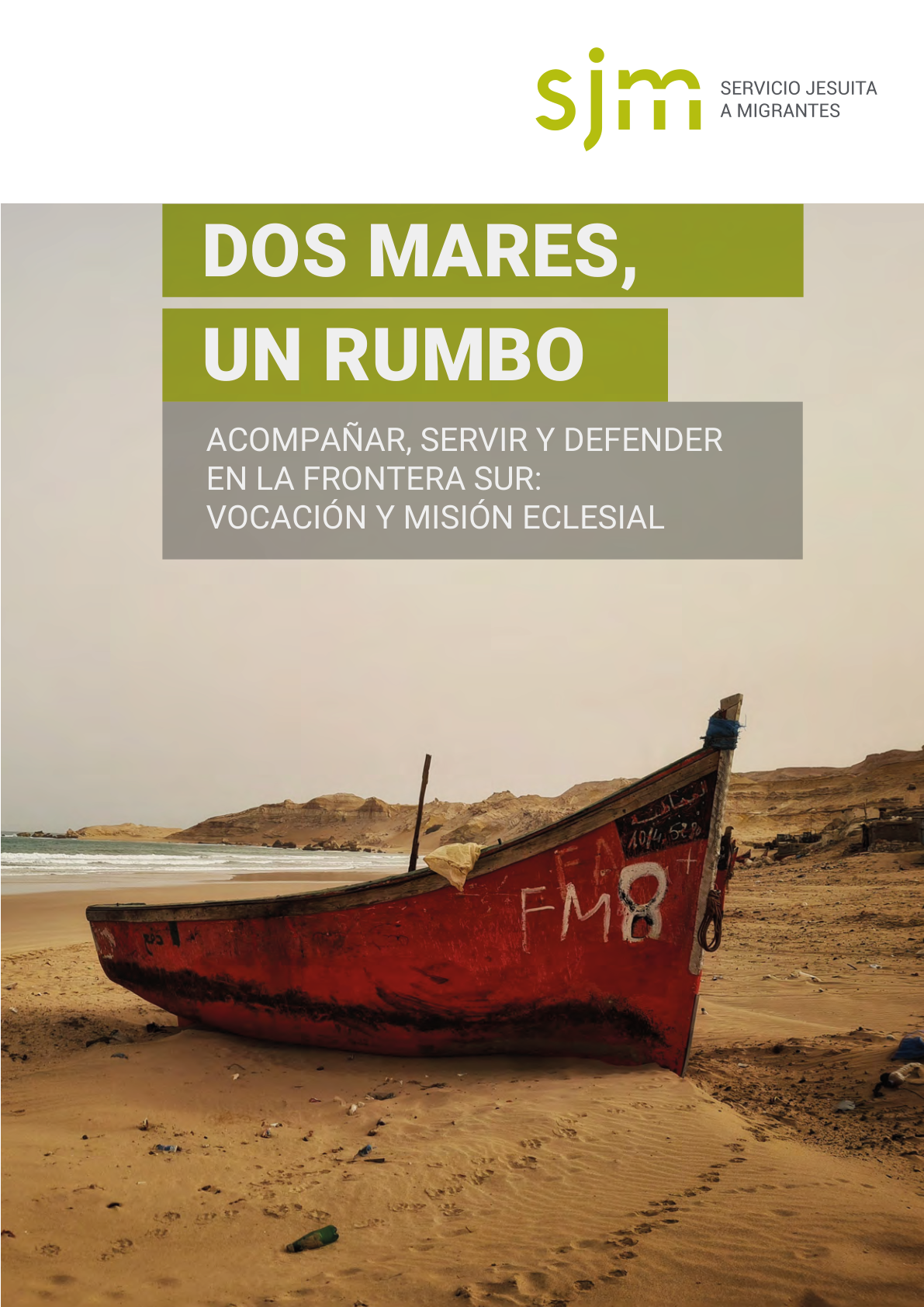
Two Seas, One Course: The 2026 Jesuit Migrant Service Report on Spain’s Southern Border
- Josep Buades
The annual report of the Jesuit Migrant Service (SJM), the social apostolate body of the Society of Jesus in Spain, written by Josep (Pep) Buades Fuster, examines the migratory dynamics of Spain’s ...
publication
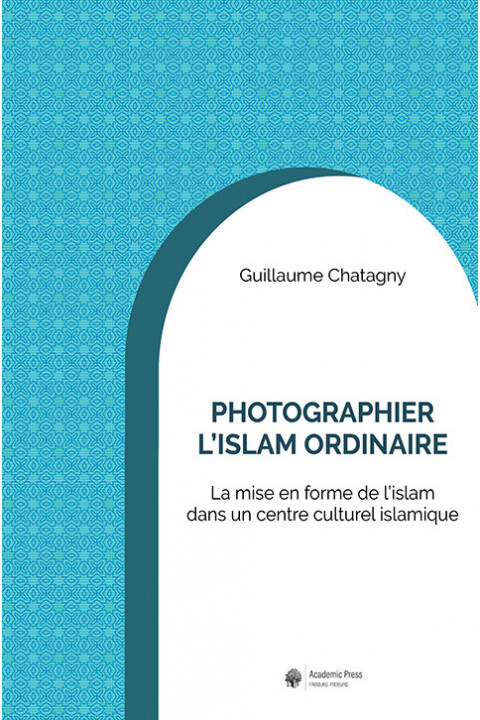
Photographing Ordinary Islam
- Guillaume Chatagny
What does Islam concretely look like within a Muslim association? This is the question addressed by sociologist Guillaume Chatagny in this book, based on fieldwork conducted between 2017 and 2021 w...

article
Leo XIV’s encyclical Magnifica Humanitas and the Pluriel working group on AI-assisted interreligious dialogue
- Wael Saleh
Text by Wael Saleh, researcher at the Université du Québec à Montréal (UQAM) and member of the Pluriel coordination committee. The simultaneous appearance of Leo XIV's encyclical Magnifica Human...
publication
The Recognition of a Hummingbird. Essays on Interreligious Dialogue and Missionary Work (2007-2025)
- Rémi Caucanas
Published in May 2026 by PISAI (Pontifical Institute for Arabic and Islamic Studies, Rome), this collection brings together the essays of Rémi Caucanas on interreligious dialogue and missionary wor...
videos
From Lavigerie to PISAI: The Institutional History of the Missionaries of Africa’s Engagement with Islam
Delivered on 21 May 2026 at the Pontifical Institute for Arabic and Islamic Studies (PISAI) in Rome, this lecture opens the series of conferences marking the institute's centenary (1926-2026). Fr. ...