

Pontificia Università Gregoriana
إطلاق مجموعة بحث جديدة في روما
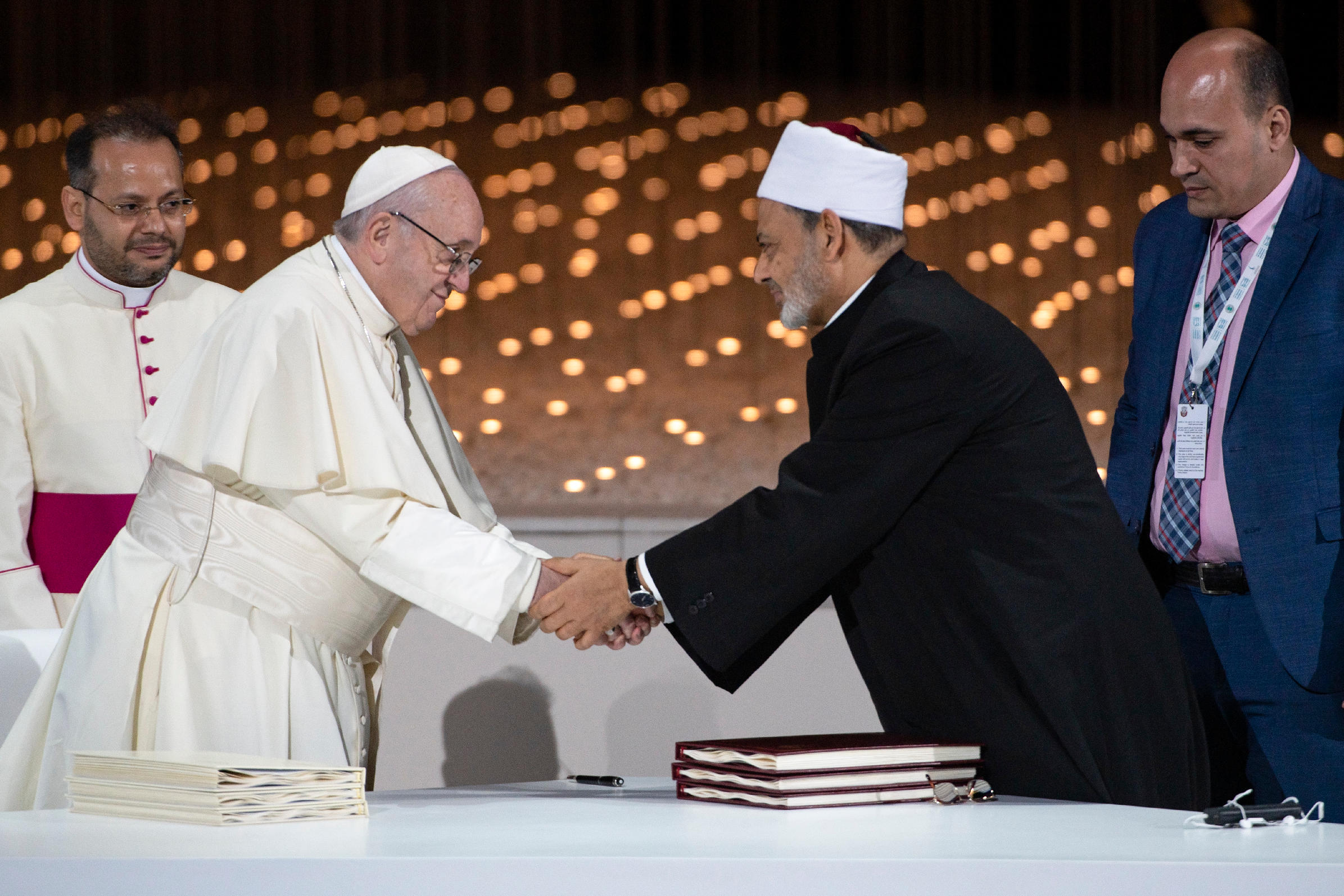
يُطلق Centro Studi Interreligiosi della Gregoriana والمعهد البابوي PISAI مجموعة بحث مشتركة حول موضوع الأخوّة، انطلاقاً من «وثيقة أبوظبي حول الأخوّة الإنسانية من أجل السلام العالمي والعيش المشترك»، التي وقّعها البابا فرنسيس وشيخ الأزهر في 4 فبراير 2019.
يُجيب لوران بازانيز، مدير المركز، على بعض أسئلة المنصة:
1. كيف ولماذا اخترتم موضوع الأخوّة؟
جاء اختيار موضوع البحث تدريجياً. أوّلاً، كانت هناك حاجة لسدّ نقص، ورغبة في البحث حول الإسلام والمسيحية هنا في روما. لا يمكن لأساتذة الجامعات أن يكتفوا بالتدريس أو نشر المقالات كلٌّ في زاويته، دون أن يلتقوا ويُنجزوا أبحاثاً معاً. بعد التجربة الإيجابية جدّاً للمؤتمر الدولي «الإسلام والانتماءات» في يونيو 2018 في الجامعة الغريغورية، بالتعاون مع FUCE وPISAI وCentro Studi Interreligiosi della Gregoriana، قلنا لأنفسنا، دييغو ساريو كوكاريلا وأنا، إنّه ينبغي متابعة البحث على المستوى المحلي، أي الروماني، وهو سياق خاصّ لأنّه مقرّ خليفة بطرس وعاصمة أوروبية وملتقى ثقافات عدّة. جاء العمل على موضوع الأخوّة (صداقة/عداوة/حدود…) في مرحلة ثانية، بعد اتصالنا بباحثين من تخصّصات مختلفة، مهتمّين بالإشكاليات المرتبطة بالإسلام والمقيمين في روما. أدّى نقاشان بالإجماع إلى اختيار هذا الموضوع الغنيّ. كنّا بطبيعة الحال نستحضر لقاء أبوظبي الحديث وتوقيع «وثيقة الأخوّة الإنسانية من أجل السلام العالمي والعيش المشترك» بين البابا فرنسيس وشيخ الأزهر أحمد الطيّب في 4 فبراير الماضي.
 2. هل يمكنكم شرح آلية الإدارة المشتركة PISAI-Gregoriana؟
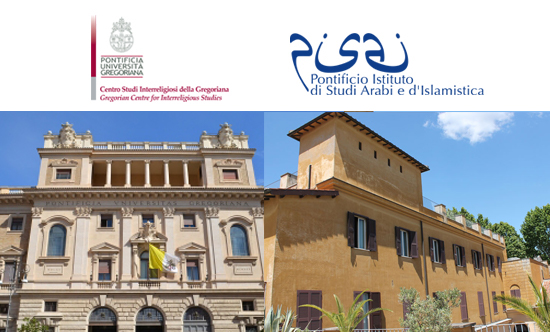
لتسيير مختبر البحث، نتناوب على إدارة الجلسات، دييغو وأنا: مرّة في Gregoriana، ومرّة أخرى في PISAI. نعمل كثيراً معاً، إثر توقيع اتفاقية بين المؤسّستَين في سبتمبر 2015، حين إنشاء Centro Studi Interreligiosi della Gregoriana. ومن المقرّر نشر مشترك بين Gregoriana وPISAI لنتائج أبحاثنا في نهاية عمل المجموعة حول الأخوّة في ديسمبر 2020.
3. ما ستكون منهجية العمل وإيقاعه؟
لقاء كلّ شهرَين، يعرض عضو أو عضوان من المجموعة مقالاً كان قد أُرسل قبل أيّام إلى الجميع. يُناقَش المقال شفهياً، ويأخذ الباحث الذي يعرض أطروحته الملاحظاتِ الموجَّهة. اللغة المشتركة هي الإيطالية. كلّ ذلك مثرٍ جدّاً.
4. لماذا الانضمام إلى شبكة المنصة بهذه المجموعة؟
مرّة أخرى، لا يمكن البقاء وحيداً في العالم الأكاديمي. الجامعة يجب أن تكون فضاء مواجهة وتقدّم ونقاش وإثراء متبادل. شبكة المنصة فرصة رائعة للتجدّد، ولتنمية العلم، ولمساعدة الناس.
Le Centro Studi Interreligiosi della Gregoriana et le PISAI lancent un groupe de recherche conjoint sur le thème de la fraternité à partir du Document de Abu Dhabi sur LA FRATERNITÉ HUMAINE POUR LA PAIX MONDIALE ET LA COEXISTENCE COMMUNE, signé par le Pape François et le Grand Imam d’Al-Azhar le 4 février 2019.
Laurent Basanese, directeur du Centro répond à quelques questions de Pluriel :
1. Comment et pourquoi avez-vous choisi le thème de la fraternité ?
Le choix du thème de recherche est venu progressivement. Avant tout, il y avait un besoin d’honorer un manque mais également un désir de recherche sur l’islam et le christianisme ici, à Rome. Des professeurs d’Universités ne peuvent pas se contenter d’enseigner ou de publier des articles chacun de leur côté, sans se rencontrer et faire aussi de la recherche ensemble. Après l’expérience extrêmement positive du Congrès PLURIEL « Islam et Appartenances » en juin 2018 à la Grégorienne, avec la FUCE, le PISAI et le Centro Studi Interreligiosi della Gregoriana, nous nous sommes dit, Diego Sarrió Cucarella et moi-même, qu’il fallait poursuivre la recherche au niveau local, c’est-à-dire romain, qui est un contexte particulier car Siège du successeur de Pierre, capitale européenne et lieu de croisement de tant de cultures. Travailler le thème de la fraternité (amitié – inimitié – limites…) est venu dans un second temps, et après avoir contacté des chercheurs de différentes spécialités, intéressés aux problématiques liées à l’islam et qui sont stables à Rome. Deux tours de table ont conduit à l’unanimité au choix de ce thème riche. Nous avions bien sûr en mémoire la récente rencontre d’Abu Dhabi et la signature du Document sur la Fraternité humaine pour la paix mondiale et la coexistence commune entre la Pape François et le Grand Imam de Al-Azhar Ahmad al-Tayyeb, le 4 février dernier.
2. Pouvez-vous nous expliquer le fonctionnement de la co-direction PISAI-Grégorienne ?
Pour le fonctionnement du laboratoire de recherche, nous alternons l’animation, Diego et moi-même, une fois à la Grégorienne, une autre fois au PISAI. Nous travaillons souvent ensemble, suite à la signature d’une Convention entre les deux Institutions en septembre 2015, au moment de la création du Centro Studi Interreligiosi della Gregoriana. Une publication conjointe Grégorienne-PISAI des résultats de nos recherches est d’ailleurs prévue à la fin du groupe sur la Fraternité en décembre 2020.
3. Quelle sera la méthode et le rythme de travail ?
Une rencontre tous les deux mois, un ou deux membres du groupe présente son article envoyé quelques jours auparavant à tous. L’article est débattu oralement et le chercheur qui présente ses thèses prend note des remarques qui sont faites. La langue commune est l’italien. Tout cela est très enrichissant.
4. Pourquoi avoir rejoint le réseau Pluriel avec ce groupe ?
Encore une fois, il n’est pas possible de rester seul dans le monde académique. L’Université doit être un lieu de confrontations, de progrès, de débats, d’enrichissements mutuels. Le réseau PLURIEL est une belle opportunité pour se renouveler, faire croître la science, et aider les hommes.
The Centro Studi Interreligiosi della Gregoriana and PISAI launch a research group on the theme of fraternity from the Abu Dhabi Document on HUMAN FRATERNITY FOR WORLD PEACE AND AND LIVING TOGETHER, signed by Pope Francis and the Great Imam of Al-Azhar on February 4th, 2019
Laurent Basanese, director of the Centro answers a few questions of Pluriel :
1. How and why did you choose the theme of fraternity?
The choice of the research theme has come gradually. Above all, there was a need to honor a lack but also a desire for research on Islam and Christianity here in Rome. University professors can not just teach or publish articles on their own, without meeting and doing research together. After the extremely positive experience of the 2nd PLURIEL Congress “Islam and Belongings” in June 2018 at the Pontifical Gregorian University, with the FUCE, PISAI and Centro Studi Interreligiosi della Gregoriana, we told ourselves, Diego Sarrió Cucarella and myself, that it was necessary to continue the research at the local level, that is to say, Roman, which is a particular context because Seat of the successor of Pierre, European capital and place of crossing of so many cultures. To work on the theme of fraternity (friendship – enmity – limits …) came later, and after having contacted researchers of different specialties, interested in issues related to Islam and which are stable in Rome. Two rounds led unanimously to the choice of this rich theme. Of course, we remembered the recent meeting in Abu Dhabi and the signing of the Document on the Human Fraternity for World Peace and Living Together of Pope Francis and the Great Imam of Al-Azhar Ahmad al-Tayyeb on February 4th, 2019.
2. Can you explain the functioning of the PISAI-Gregorian co-direction?
For the functioning of the research group, we alternate animation, Diego and myself, once at the Gregorian, another time at PISAI. We often work together, following the signing of a Convention between our institutions in September 2015, when the Centro Studi Interreligiosi della Gregoriana was created. A Gregorian-PISAI joint publication of the results of our research is also planned at the end of the group in December 2020.
3. What will be the method and the rythm of work?
A meeting every two months, one or two members of the group presents his article sent a few days ago to all. The article is discussed orally and the researcher who presents his theses takes note of the remarks made. The common language is Italian. All this is very rewarding.
4. Why did you join the Pluriel network with this group?
Once again, it is not possible to remain alone in the academic world. The University must be a place of confrontation, progress, debate, mutual enrichment. The PLURIEL network is a great opportunity to renew oneself, to grow science, and to help man.
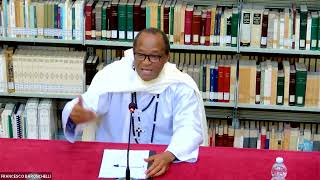
Watch the video of the opening conference of the group (in Italian)

Ressources lié aux mots clés
article
وائل صالح: «الاعتراف بلا حصر لتحرير النقاش العام من مصادرة الهويّات»
- وائل صالح
في مقالة رأي نُشرت يوم 20 تمّوز/يوليو 2026 على صفحات صحيفة Le Devoir الكنديّة، يقترح الباحث وائل صالح، عضو اللجنة العلميّة لـالمنصّة الجامعيّة للدراسات حول الإسلام (Pluriel)، مفهوماً جديداً للنقاش ...
videos
«الحرب والسلام»، بقلم أدريان كانديار
في الأربعاء 20 أيار/مايو 2026 استضاف المعهد الدومنيكي للدراسات الشرقية (IDEO) في القاهرة محاضرةً للأخ أدريان كانديار، الراهب الدومنيكي والمختصّ في الدراسات الإسلامية، حول موضوع «الحرب والسلام». وفي...
article
كِنيث كراغ وحدث القرآن
- تيمو غوزيلمانسور
مقال بقلم تيمو غوزيلمانسور، نُشر بعنوان: Kenneth Cragg und das Ereignis des Koran (feinschwarz.net، 12 June 2026) يُقدّم تيمو غوزيلمانسور اللاهوتيَّ الأنغليكانيَّ كِنيث كراغ (المولود في نوتنغهام سن...
article
بحران ووجهة واحدة: تقرير الخدمة اليسوعية للمهاجرين لعام 2026 حول الحدود الجنوبية لإسبانيا
- جوزيب بواديس
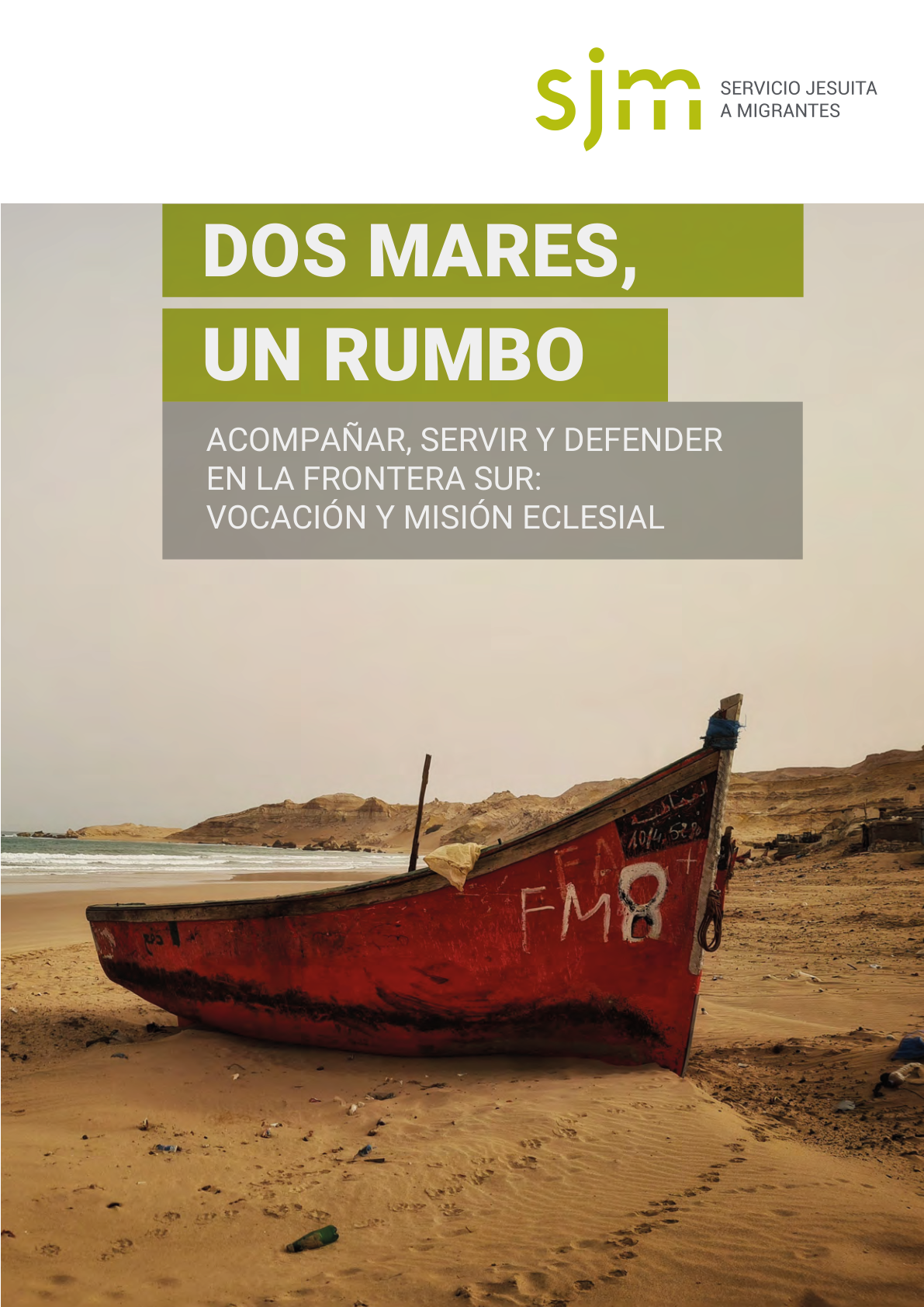
إنّ هذا التقريرَ السنويّ، الذي أصدرته الخدمة اليسوعيّة للمهاجرين (SJM) — الهيئةَ الاجتماعيّةَ للرهبنة اليسوعيّة بإسبانيا — بقلم خوسيه (بيب) بواديس فوستر، يدرس ديناميات الهجرة على « الحدود الجن...
publication
تصوير الإسلام اليومي
- غيوم شاتاني
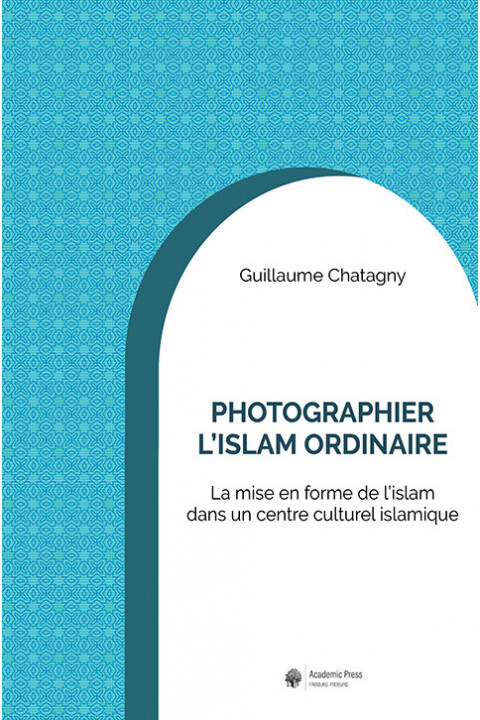
كيف يتجلى الإسلام فعليًا داخل جمعية إسلامية؟ هذا هو السؤال الذي يجيب عنه عالم الاجتماع غيوم شاتانيي في هذا المؤلَّف المستمَد من بحث ميداني أُجري بين عامَي 2017 و2021 داخل مركز ثقافي إسلامي ألباني ف...

article
الرسالة العامة «الإنسانية الرائعة» للبابا ليون الرابع عشر ومجموعة عمل Pluriel حول الحوار بين الأديان بمساعدة الذكاء الاصطناعي
نص بقلم وائل صالح، باحث في جامعة كيبيك في مونتريال (UQAM) وعضو في لجنة تنسيق المنصة الجامعية للدراسات حول الإسلام (Pluriel). إن تزامن صدور الرسالة العامة الإنسانية الرائعة (Magnifica humanitas) ...
publication
اعترافُ طائرٍ طنّان: مقالاتٌ في الحوار بين الأديان والعمل الإرسالي (2007-2025)
- ريمي كوكاناس
صدر هذا الكتاب في أيار/مايو 2026 عن المعهد الحبري للدراسات العربية والإسلامية (PISAI) في روما، ويضمّ مقالات الباحث ريمي كوكاناس حول الحوار بين الأديان والعمل الإرسالي، المكتوبة بين عامَي 2007 و2025...
videos
من لافيجري إلى المعهد البابوي للدراسات العربية والإسلاميات: التاريخ المؤسسي لانخراط مرسلي إفريقيا مع الإسلام
أُلقيَت يوم 21 أيار/مايو 2026 في المعهد البابوي للدراسات العربية والإسلاميات (PISAI) في روما، تفتتح هذه المحاضرة سلسلة المؤتمرات الإحيائية للذكرى المئوية (1926-2026) لتأسيس المعهد. وقد أنجز الأب مو...