
University platform for research on Islam
Initiated by
the Federation
of European
Catholic
Universities
Supported by
the International
Federation
of Catholic
Universities
Hosted by

Research Group
See all Research Groups
The document on Human Fraternity: theological, philosophical and social reflections and developments (Rome)
Study on the theme of fraternity from the Abu Dhabi Document on HUMAN FRATERNITY FOR WORLD PEACE AND LIVING TOGETHER, signed by Pope Francis and the Grand Imam of Al-Azhar on February 4, 2019
Theme
The choice of the research theme came gradually. First of all, there was a need to honour a lack, but also a desire for research on Islam and Christianity here in Rome. University professors cannot just teach or publish articles on their own, without meeting and doing research together. After the extremely positive experience of the PLURIEL Congress “Islam and Belongings” in June 2018 at the Gregorian, with FUCE, PISAI and the Centro Studi Interreligiosi della Gregoriana, Diego Sarrió Cucarella and I said to ourselves that we should continue the research at the local level, that is to say, in Rome, which is a particular context because it is the seat of the successor of Peter, the European capital and a place where so many cultures cross. Working on the theme of fraternity (friendship – enmity – limits…) came as a second step, and after having contacted researchers of different specialities, interested in the problems linked to Islam and who are stable in Rome. Two rounds of discussion led unanimously to the choice of this rich theme. We were of course reminded of the recent meeting in Abu Dhabi and the signing of the Document on Human Fraternity for World Peace and Common Coexistence between Pope Francis and the Grand Imam of Al-Azhar Ahmad al-Tayyeb on 4 February.
PISAI-Gregorian co-direction
For the functioning of the research laboratory, Diego and I alternate the animation, one time at the Gregorian and the other time at the PISAI. We often work together, following the signing of a Convention between the two Institutions in September 2015, when the Centro Studi Interreligiosi della Gregoriana was created. A joint Gregorian-PISAI publication of the results of our research is planned at the end of the group on Fraternity.
Method and rhythm of work
A meeting every two months, one or two members of the group present their article sent a few days before to all. The article is discussed orally and the researcher who presents his thesis takes note of the remarks made. The common language is Italian. All this is very enriching.
A PLURIEL member group
It is not possible to remain alone in the academic world. The University must be a place of confrontation, progress, debate and mutual enrichment. The PLURIEL network is a great opportunity to renew ourselves, to make science grow, and to help people.
by Laurent Basanèse, co-referent of the group, director of the Centre for Interreligious Studies of the Pontifical Gregorian University (2019)
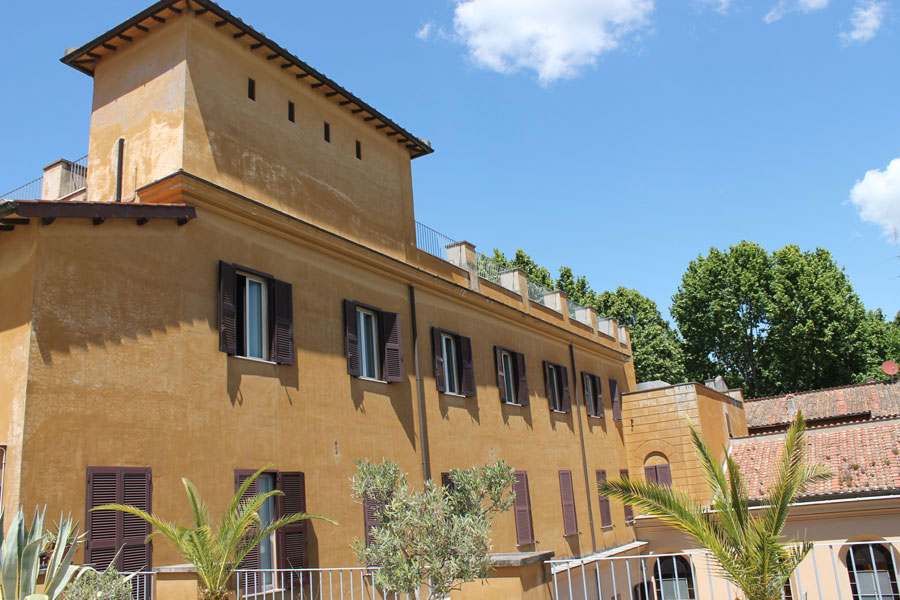
Foto ©Vatican Media


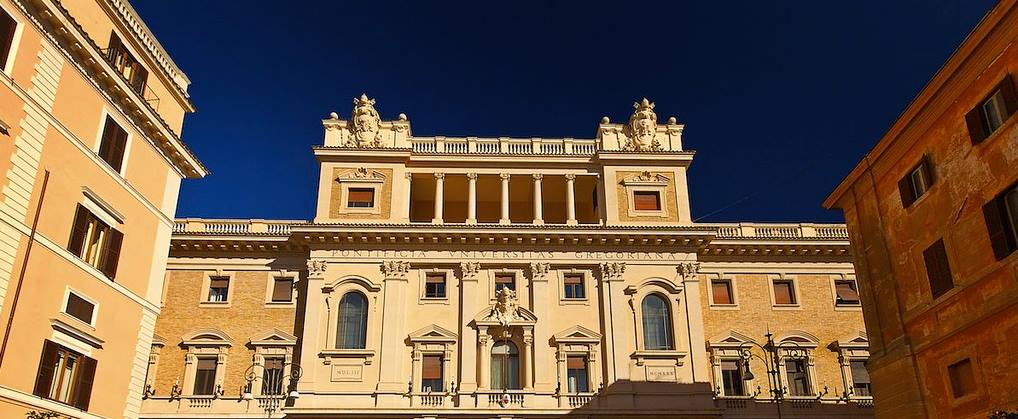
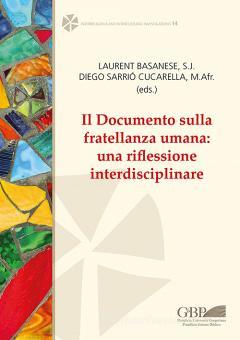
Group members
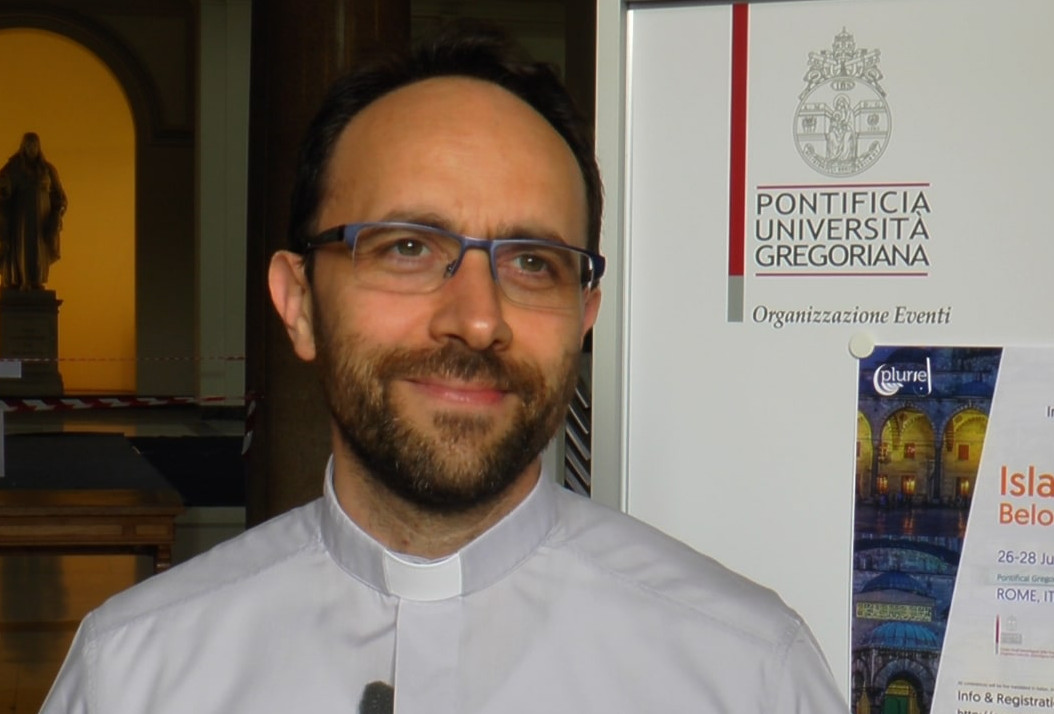
Laurent Basanese
Official member of the Pontifical Council for Interreligious Dialogue. Professor at the Faculty of Missiology of the Gregorian University
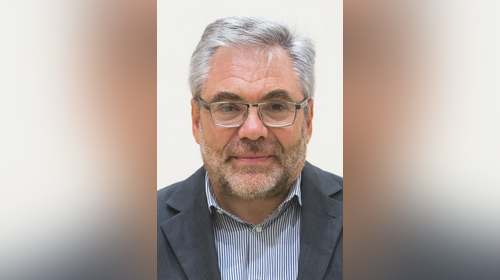
Ambrogio Bongiovanni
Director of the Gregorian Center for Interreligious Studies
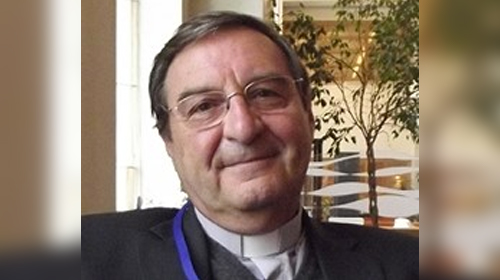
Valentino Cottini
Professor of Bible and Koran at PISAI, Director of the journal Islamochristiana
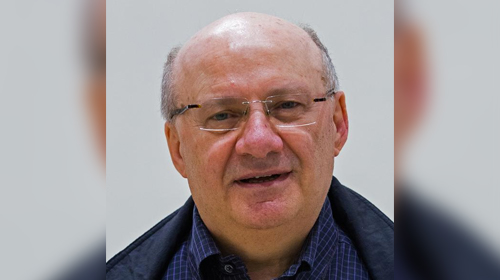
Andrea Mandonico
Invited Lecturer at the Centre for interreligious studies
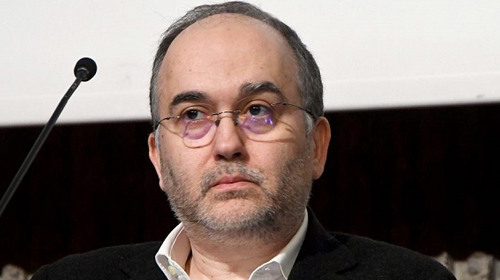
Adnane Mokrani
Aggregate Professor at the Pontifical Gregorian University (Rome), Senior Research Fellow and member of the John XXIII Foundation for Religious Studies (Fscire)
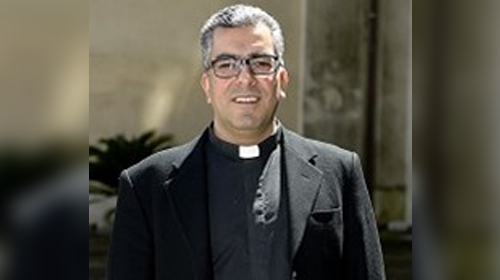
Wasim Salman
President of the Pontifical Institute for Arabic and Islamic Studies (PISAI), Rome, Italy
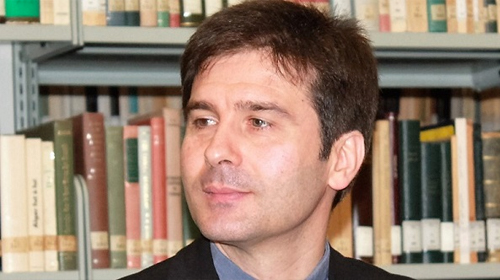
Diego Sarrió Cucarella
Former president of the Pontifical Institute for Arabic Studies and Islamology (PISAI) in Rome
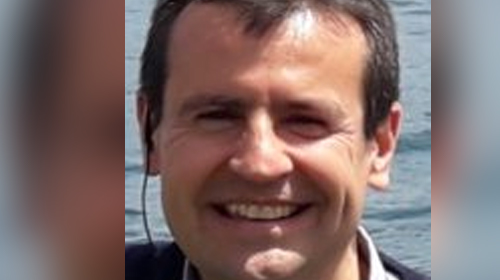
Virgilio Sottana
Professor of Systematic Theology and Theology of Religions, Faculty of Theology of Triveneto, Padua, Italy
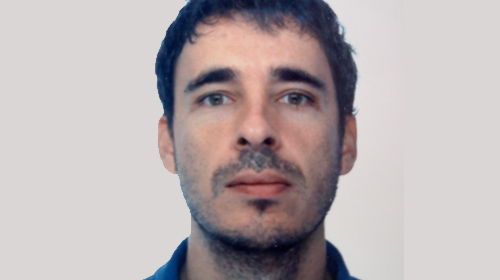
Federico Stella
Lecturer in Islamic philosophy at the Gregorian Centre for Interreligious Studies, Rome
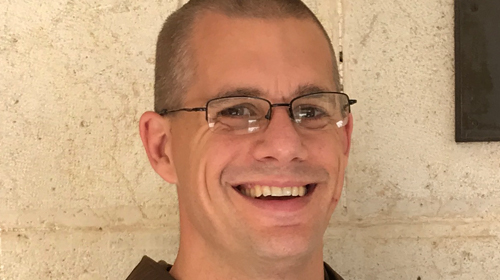
Jason Welle
Dean of Studies at the Pontifical Institute for Arabic and Islamic Studies Rome
Resources related to the group
Related news
CALL FOR PAPER
100 Years of the PISAI: Call for Papers for the International Congress in Rome, 11–12 December 2026
PISAI, Rome. The year 2026 marks the centenary of the foundation of the Pontifical Institute for Arabic and Islamic Studies (PISAI), a training, study, and research institute dedicated to religious...
NEWS
“Mediterranean, Religions and Societies”: a pioneering chair to bring the two shores of the Mediterranean closer together
Rome - For the first time in its history, the Pontifical Institute for Arabic and Islamic Studies (PISAI) is pleased to welcome a university chair entitled "Mediterranean, Religions and Societies"....
NEWS
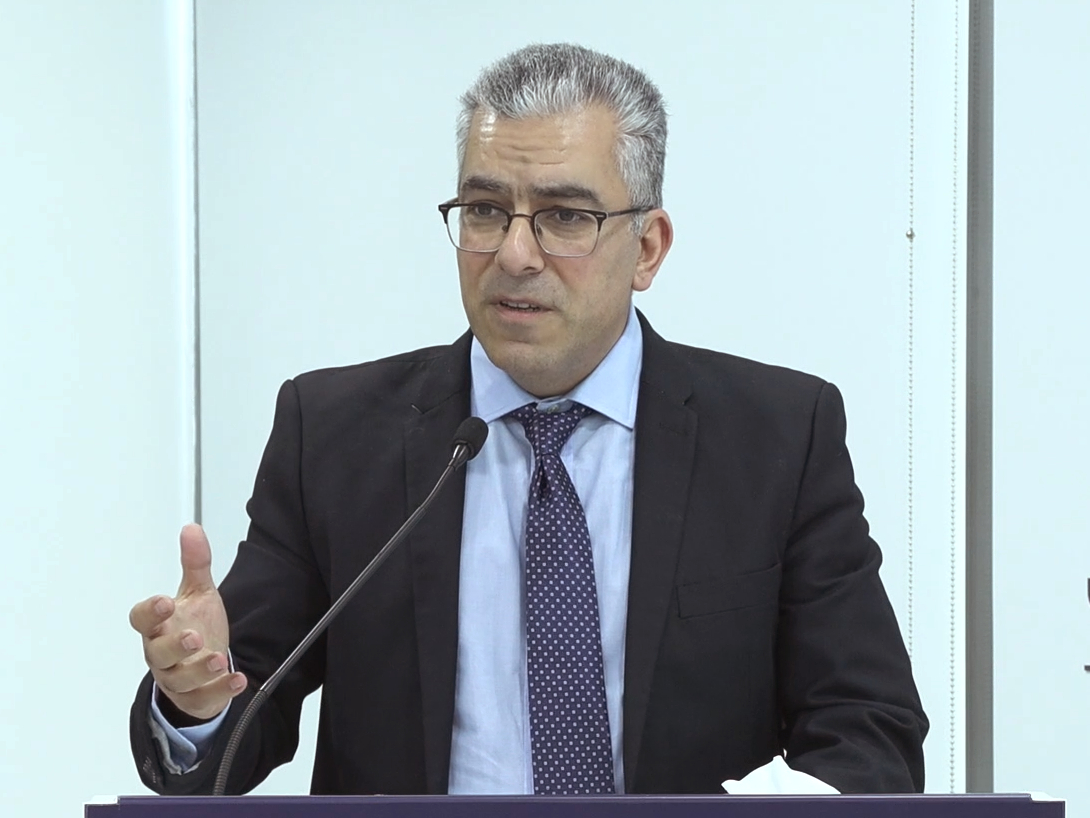
Wasim Salman: “Islam in Europe depends on the other side of the Mediterranean”
Interview. On Wednesday, June 5, PISAI announced the appointment of Wasim Salman for a three-year term at the head of the institution, a historical partner of Pluriel. He succeeds Diego Sarrió Cuca...
11/04/24
AGENDA
Webinar conference: “The Qur’an and its ancient manuscripts: a paradigm shift” by François Déroche
Thursday, April 11, 2024 at 5 pm (Rome time) Participation in person or by videoconference upon registration at eventi@pisai.it "Maurice Borrmans" Library of the Pontifical Institute for Arabic a...
26/10/23
AGENDA
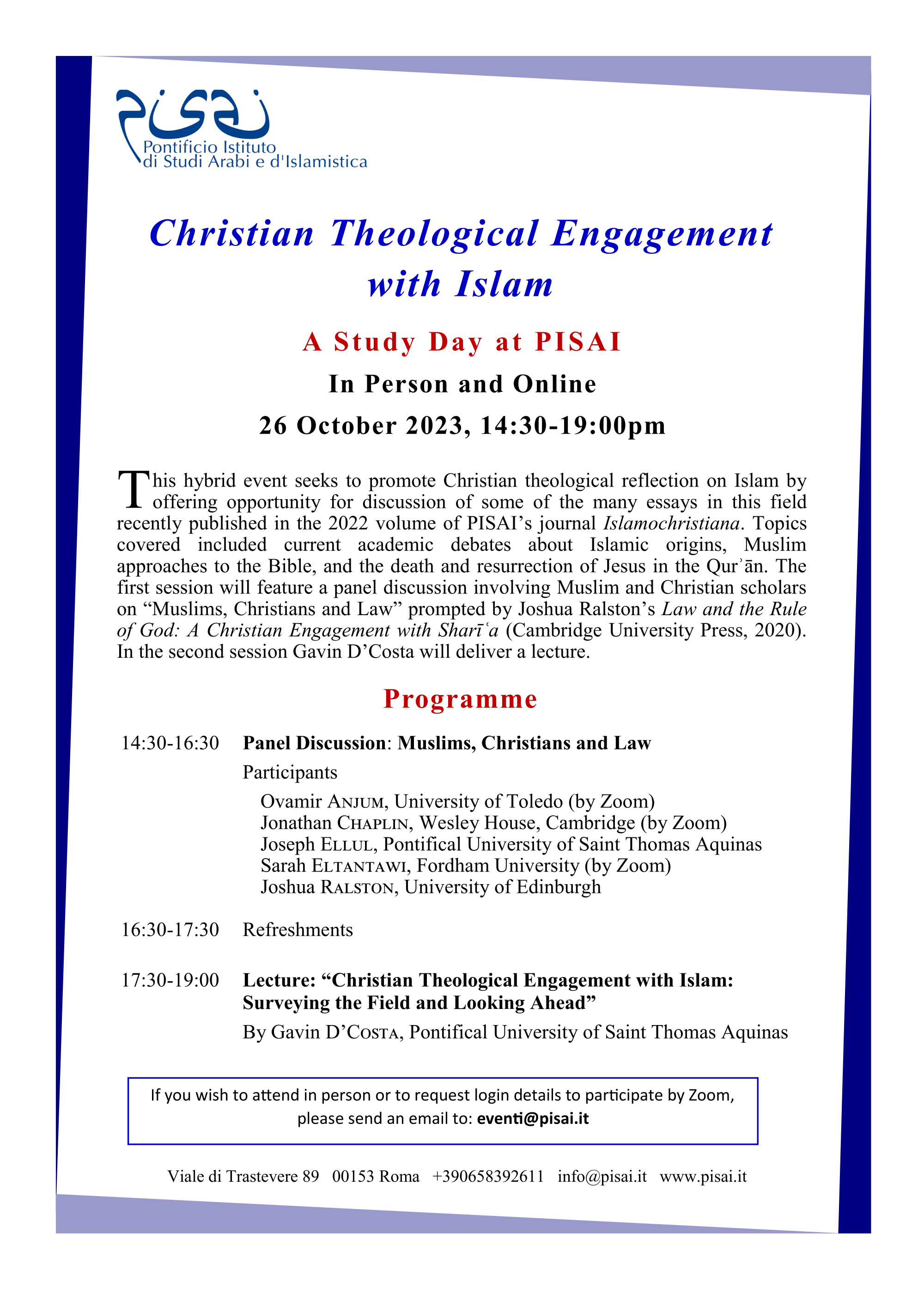
Christian Theological Engagement with Islam: a Study Day at PISAI
This hybrid event seeks to promote Christian theological reflection on Islam by offering opportunity for discussion of some of the many essays in this field recently published in the 2022 volume of...

NEWS
Se Comprendre (1956-2013) available online
PISAI is pleased to announce the online publication of the complete collection of Se Comprendre, a bulletin launched by the Missionaries of Africa (White Fathers) in France in 1956. The bulletin h...