
Pontificio Istituto di Studi Arabi e d’Islamistica
Centenario del PISAI: Call for Papers per il congresso internazionale a Roma, 11–12 dicembre 2026
PISAI, Roma. Nel 2026 ricorre il centenario della fondazione del Pontificio Istituto di Studi Arabi e d’Islamistica (PISAI): un Istituto di formazione, studio e ricerca è impegnato nel dialogo religioso e testimone ormai di un secolo di incontri, da sempre legato alle attività della Società dei Missionari d’Africa (Padri Bianchi).
Dalle origini in Maghreb come Centro di formazione al servizio della missione dei Padri Bianchi, in seguito alle vicissitudini storiche dei primi anni ’60 e al fermento del Concilio Vaticano II il PISAI è a Roma, trasformandosi in seme di dialogo, spesso poco visibile, ma sempre fecondo, vivendo oggi una proficua stagione di studi e di profonde e vissute relazioni islamo-cristiane.
In occasione di questo importante anniversario, il PISAI organizza un convegno scientifico internazionale dedicato alla storia, al presente e al futuro dell’Istituto, e invita ricercatori e studiose/i a proporre contributi originali.
TEMATICHE DEL CONVEGNO
- La storia: un viaggio lungo un secolo
- La fondazione in Maghreb e la missione originaria
- Il trasferimento a Roma e l’influenza del Concilio Vaticano II
- L’impegno nel dialogo islamo-cristiano
- Gli eventi che hanno segnato la vita dell’Istituto e della Chiesa
- I pilastri del PISAI: figure di dialogo
- Profili e contributi di personalità chiave nel dialogo interreligioso: Maurice Borrmans, Robert Caspar, Étienne Renaud, Jean Fontaine, Michael Fitzgerald, etc.
- L’eredità dei martiri d’Algeria, sette dei quali già studenti del PISAI
- Le relazioni islamo-cristiane vissute sul campo e il loro impatto sugli studi dell’Istituto
- Dimensione internazionale: pubblicazioni, convenzioni e ricerca
- Il PISAI come espressione della Chiesa universale e Centro di Eccellenza per la formazione negli studi arabi e di islamistica
- L’Istituto ha sviluppato nel tempo importanti rapporti di collaborazione con università, reti e centri di ricerca occidentali e arabi (Gregoriana, Georgetown, Institut Français Centre Saint-Louis, Idéo, ICM, Trends, CEI, Pluriel), e ha ispirato anche varie istituzioni in Africa (Dar Comboni al Cairo, IFIC a Bamako, IRDIS a Nairobi)
- La Chaire Méditerranée, religions et sociétés nel contesto mediterraneo è il risultato di un partenariato strategico fra il PISAI e l’IFCSL, traducendo e mettendo in pratica l’impegno di papa Francesco nello sviluppare una teologia dialogica nel contesto del Mediterraneo
- Le pubblicazioni come specchio dell’impegno accademico e della continuità scientifica dell’Istituto: Islamochristiana, Études Arabes, Encounter
- L’insegnamento oggi: metodo e contenuti fra passato e futuro
- L’approccio all’insegnamento della lingua araba, delle scienze islamiche e delle relazioni islamo-cristiane
- L’evoluzione dei metodi didattici e le prospettive future per la formazione specialistica
- Il ruolo dei seminari, delle conferenze e delle giornate di studio come parte integrante della pedagogia del PISAI
- Gli studenti iscritti e gli alumni che hanno già compiuto i loro studi sono invitati a condividere le loro esperienze, sia nel momento dello studio, sia nel momento in cui i contenuti appresi sono stati messi in pratica e vissuti
- La biblioteca è il cuore pulsante del PISAI. Dalla sua fondazione si è specializzata in opere e riviste di cultura araba e islamica, in linea con l’approccio scientifico dell’Istituto alle fonti in lingua originale, senza trascurare testi di orientalistica e lavori dedicati al dialogo interreligioso
MODALITÀ DI PRESENTAZIONE DELLE PROPOSTE
Lingua dell’intervento: italiano, francese, inglese e arabo
Durata dell’intervento: gli interventi avranno una durata di 30 minuti, seguiti da Q&A
Calendario
- 1 aprile 2026: termine ultimo per la ricezione delle proposte di comunicazione
- 15 maggio 2026: notifica di accettazione delle proposte dopo revisione in doppio cieco da parte del comitato scientifico
- 1 novembre 2026: termine ultimo per la presentazione della versione finale della comunicazione ai fini della traduzione simultanea il giorno dell’intervento
Formato delle proposte
- Gli abstract degli interventi non devono superare le 300 parole e devono essere accompagnati da una breve biografia che specifichi l’affiliazione istituzionale dei partecipanti
- Si prega di specificare a quale/i tema/i del bando si riferisce la proposta
Invio delle proposte
Eugenia Di Gregorio eventi@pisai.it
Wasim Salman wasim.salman@pisai.it
PUBBLICAZIONE DEGLI ATTI
Calendario
- 15 marzo 2026: termine ultimo per la ricezione degli articoli da pubblicare (in una delle lingue del convegno).
- 1 giugno 2026: notifica di accettazione degli articoli dopo revisione a doppio cieco.
Processo di pubblicazione
- I manoscritti saranno pubblicati dopo revisione a doppio cieco. Le linee guida editoriali dovranno essere rigorosamente rispettate e saranno oggetto di valutazione.
Comitato scientifico
Prof. Wasim Salman wasim.salman@pisai.it
Prof.ssa Celeste Intartaglia celeste.intartaglia@pisai.it Prof. Augustin Sawadogo augustin.sawadogo@pisai.it Dott. Rémi Caucanas rcaucanas@gmail.com
Segreteria del Convegno
Dott.ssa Eugenia Di Gregorio eventi@pisai.it Dott.ssa Monica Ramon info@pisai.it
PISAI, Rome. En 2026, l’Institut Pontifical d’Études Arabes et d’Islamologie (PISAI) célèbre le centenaire de sa fondation. Cet institut de formation, d’étude et de recherche est engagé dans le dialogue religieux et témoin d’un siècle de rencontres, depuis toujours lié aux activités de la Société des Missionnaires d’Afrique (Pères Blancs).
Depuis ses origines au Maghreb en tant que centre de formation au service de la mission des Pères Blancs, à la suite des bouleversements historiques du début des années 60 et du tournant du Concile Vatican II, le PISAI s’est établi à Rome, devenant un lieu de dialogue discret, mais toujours productif, il connaît aujourd’hui une période florissante d’études et de relations islamo-chrétiennes profondes et authentiques.
À l’occasion de cet anniversaire important, le PISAI organise un colloque scientifique international consacré à son histoire, à son présent et à son avenir, et invite les chercheurs et les universitaires à proposer des contributions originales.
Axes de recherche
- L’histoire : un voyage d’un siècle
- La fondation au Maghreb et la mission originelle
- Le transfert à Rome et l’influence du Concile Vatican II
- L’engagement dans le dialogue islamo-chrétien
- Les événements qui ont marqué la vie de l’Institut et de l’Église
- Les piliers du PISAI : figures du dialogue
- Profils et contributions de personnalités clés du dialogue interreligieux : Maurice Borrmans, Robert Caspar, Étienne Renaud, Jean Fontaine, Michael Fitzgerald, etc.
- L’héritage des martyrs d’Algérie, dont sept étaient déjà étudiants au PISAI
- Les relations islamo-chrétiennes vécues sur le terrain et leur impact sur les études de l’Institut
- Dimension internationale : publications, conventions et recherche
- Le PISAI est une expression de l’Église universelle et centre d’excellence pour la formation en études arabes et islamiques
- Au fil du temps, l’Institut a développé d’importantes relations de collaboration avec des universités, des reseaux et des centres de recherche occidentaux et arabes (Gregoriana, Georgetown, Institut Français Centre Saint-Louis, Idéo, ICM, Trends, CEI, Pluriel), et a également inspiré diverses institutions en Afrique (Dar Comboni au Caire, IFIC à Bamako, IRDIS à Nairobi)
- La Chaire Méditerranée, religions et sociétés dans le contexte méditerranéen est le résultat d’un partenariat stratégique entre le PISAI et l’IFCSL, qui traduit et met en pratique l’engagement du pape François en faveur d’une théologie dialogique dans le contexte méditerranéen
- Les revues universitaires reflètent la continuité scientifique de l’Institut : Islamochristiana, Études Arabes, Encounter
- L’enseignement aujourd’hui : méthode et contenus entre passé et avenir
- L’approche de l’enseignement de l’arabe, des sciences islamiques et des relations islamo-chrétiennes
- L’évolution des méthodes didactiques et les perspectives d’avenir pour la formation spécialisée.
- Le rôle des séminaires, des conférences et des journées d’étude en tant que partie intégrante dans la pédagogie du PISAI
- Les étudiants inscrits et les anciens élèves qui ont déjà terminé leurs études sont invités à partager leurs expériences, tant au moment de leurs études qu’au moment où les contenus appris ont été mis en pratique et vécus
- La bibliothèque est le cœur battant du PISAI. Depuis sa fondation, elle s’est spécialisée dans les ouvrages et les revues consacrés à la culture arabe et islamique, conformément à l’approche scientifique de l’Institut vis-à-vis des sources en langue originale, sans négliger les textes d’orientalisme et les travaux consacrés au dialogue interreligieux
MODALITÉS DE SOUMISSION DES PROPOSITIONS DE COMMUNICATION
Langue de la communication : italien, français, anglais et arabe
Durée de l’intervention : les communications seront de 30 minutes, suivies de questions
Calendrier
- 1er avril 2026 : date limite de réception des propositions de communication
- 15 mai 2026 : notification de l’acceptation des propositions après examen en double aveugle par le comité scientifique
- 1er novembre 2026 : date limite de soumission de la version finale de la communication en vue de la traduction simultanée le jour de la présentation
Format des propositions
- Les résumés des interventions ne doivent pas dépasser 300 mots et doivent être accompagnés d’une brève biographie précisant l’affiliation institutionnelle des participants
- Veuillez préciser à quel(s) axe(s) de l’appel à communication se rapporte la proposition
Envoi des propositions
Eugenia Di Gregorio eventi@pisai.it
Wasim Salman wasim.salman@pisai.it
PUBLICATION DES ACTES
Calendrier
- 15 mars 2026 : date limite de réception des articles pour publication (dans une des langues du congrès).
- 1 juin 2026 : notification d’acceptation des articles après expertise en double aveugle.
Processus de publication
- Les manuscrits seront publiés après double expertise en aveugle. Les consignes éditoriales devront être strictement respectées et feront partie de l’évaluation.
Comité scientifique
Prof. Wasim Salman wasim.salman@pisai.it
Prof. Celeste Intartaglia celeste.intartaglia@pisai.it Prof. Augustin Sawadogo augustin.sawadogo@pisai.it Dr Rémi Caucanas rcaucanas@gmail.com
Secrétariat du congrès
Dr Eugenia Di Gregorio eventi@pisai.it Dr Monica Ramon info@pisai.it
PISAI, Rome. The year 2026 marks the centenary of the foundation of the Pontifical Institute for Arabic and Islamic Studies (PISAI), a training, study, and research institute dedicated to religious dialogue and a witness to a century of encounters, and which has always been linked to the activities of the Society of Missionaries of Africa (White Fathers).
From its origins in the Maghreb as a training centre at the service of the mission of the White Fathers, following the historical events of the early 1960s and the initiatives of the Second Vatican Council, PISAI transferred to Rome, transforming itself into a seed of dialogue, often barely visible but always fruitful, and is currently experiencing a productive period of studies and a profound and animated experience of Christian-Muslim relations.
On the occasion of this important anniversary, PISAI is organising an international scientific conference dedicated to the past, present, and future of the Institute and invites researchers and scholars to submit original contributions.
Conference Topics
- The History: A Century-Long Journey
- The foundation in the Maghreb and the original mission
- The transfer of PISAI to Rome and the influence of the Second Vatican Council
- Commitment to Christian-Muslim Dialogue
- Events that have marked the life of the Institute and the Church
- The Pillars of PISAI: Figures of Dialogue
- Profiles and contributions of key figures in interreligious dialogue: Maurice Borrmans, Robert Caspar, Étienne Renaud, Jean Fontaine, Michael Fitzgerald, etc.
- The legacy of the martyrs of Algeria, seven of whom had been students at PISAI
- Muslim-Christian relations as they are experienced in the field and their impact on the Institute’s studies
- International Dimension: Publications, Conventions, and Research
- PISAI as an expression of the universal Church and a Centre of Excellence for training in Arabic and Islamic studies
- The important collaborative relationships the Institute has developed over time, with Western and Arab universities, networks and research centres (Gregorian University, Georgetown University, the Institut Français Centre Saint-Louis, IDÉO, ICM, Trends, CEI, Pluriel), and has also inspired various institutions in Africa (Dar Comboni in Cairo, IFIC in Bamako, IRDIS in Nairobi)
- The Chaire Méditerranée, religions et sociétés and dialogical theology in the Mediterranean context, which is the result of a strategic partnership between PISAI and IFCSL, translating and putting into practice Pope Francis’ commitment to developing a dialogical theology in the Mediterranean context
- Academic journals as a reflection of the Institute’s scientific continuity: Islamochristiana, Études Arabes, Encounter
- Teaching Today: Methods and Content Between Past and Future
- The approach to teaching Arabic, the Islamic sciences, and Christian-Muslim relations
- The evolution of teaching methods and future prospects for specialised training
- The role of seminars, conferences, and study days as an integral part of PISAI’s pedagogy
- Enrolled students and alumni who have already completed their studies are invited to share their experiences, both during their studies and when the content they learned was put into practice as a lived experience
- The library as the beating heart of PISAI. Since its foundation, it has specialised in works and journals on Arab and Islamic culture, in line with the Institute’s scientific approach to sources in their original language, without neglecting texts on Oriental studies and works dedicated to interreligious dialogue
HOW TO SUBMIT PROPOSALS
Language of presentation: Italian, French, English and Arabic
Duration of presentation: presentations will last 30 minutes, followed by a Q&A session
Calendar
- April 1, 2026: deadline for receiving presentation proposals
- May 15, 2026: notification of acceptance of proposals after double-blind review by the scientific committee
- November 1, 2026: Deadline for submitting the final version of the presentation for simultaneous translation on the day of the conference
Proposals Format
- Abstracts of presentations should not exceed 300 words and must be accompanied by a brief biography specifying the institutional affiliation of the participants
- Please specify which theme(s) the proposal aligns with
Submission of proposals to:
Eugenia Di Gregorio events@pisai.it
Wasim Salman wasim.salman@pisai.it
PUBLICATION CONFERENCE PROCEEDINGS
Calendar
- March 15, 2026: Deadline for receiving articles for publication (in one of the conference languages).
- June 1, 2026: Notification of article acceptance after double-blind review.
Publication Process
- Manuscripts will be published after double-blind peer review. The editorial guidelines must be strictly adhered to and will be subject to evaluation.
Scientific Committee
Prof. Wasim Salman wasim.salman@pisai.it
Prof. Celeste Intartaglia celeste.intartaglia@pisai.it Prof. Augustin Sawadogo augustin.sawadogo@pisai.it Dr Rémi Caucanas rcaucanas@gmail.com
Conference Secretariat
Dr Eugenia Di Gregorio events@pisai.it Dr Monica Ramon info@pisai.it
PISAI، روما. في عام 2026، يحتفل المعهد البابوي للدراسات العربية والدراسات الإسلامية (PISAI) بمرور مئة عام على تأسيسه. يخوض هذا المعهد التكويني والدراسي والبحثي في حقل الحوار الديني، ويشهد على قرن من اللقاءات، وقد ارتبط منذ نشأته بأنشطة رهبنة إرساليات إفريقيا (الآباء البيض).
منذ نشأته في المغرب مركزاً للتكوين في خدمة رسالة الآباء البيض، وعقب التحوّلات التاريخية في مطلع الستينيات ومنعطف المجمع الفاتيكاني الثاني، استقرّ PISAI في روما ليصبح فضاء حوار هادئ ومنتِج. ويعيش اليوم مرحلة مزدهرة من الدراسات والعلاقات الإسلامية-المسيحية العميقة والأصيلة.
بمناسبة هذه الذكرى الكبرى، ينظّم PISAI ندوةً علميةً دوليةً مخصّصةً لتاريخه وحاضره ومستقبله، ويدعو الباحثين والأكاديميين إلى تقديم مساهمات أصيلة.
محاور البحث
- التاريخ: رحلة قرن من الزمان
- التأسيس في المغرب والرسالة الأصلية
- الانتقال إلى روما وأثر المجمع الفاتيكاني الثاني
- الالتزام في الحوار الإسلامي-المسيحي
- الأحداث التي طبعت حياة المعهد والكنيسة
- أعمدة PISAI: شخصيات الحوار
- ملامح ومساهمات شخصيات رئيسة في الحوار بين الأديان: موريس بورمانس، روبير كاسبار، إتيان رينو، جان فونتين، مايكل فيتزجيرالد، وغيرهم
- إرث شهداء الجزائر، وسبعة منهم كانوا طلاباً في PISAI
- العلاقات الإسلامية-المسيحية المُعاشة ميدانياً وأثرها في دراسات المعهد
- البعد الدولي: منشورات وشراكات وأبحاث
- يُعبّر PISAI عن الكنيسة الجامعة، وهو مركز امتياز في التكوين في الدراسات العربية والإسلامية
- طوّر المعهد على مرّ الزمن علاقات تعاون مهمّة مع جامعات وشبكات ومراكز بحثية غربية وعربية (غريغوريانا، جورجتاون، المعهد الفرنسي مركز سان لويس، IDEO، ICM، Trends، CEI، Pluriel)، وألهم كذلك مؤسسات في إفريقيا (دار كومبوني في القاهرة، IFIC في باماكو، IRDIS في نيروبي)
- كرسي «البحر المتوسط والأديان والمجتمعات» ثمرة شراكة استراتيجية بين PISAI والمعهد الفرنسي مركز سان لويس (IFCSL)، يُترجم ويُفعّل التزام البابا فرنسيس تجاه لاهوت حواري في السياق المتوسطي
- المجلاّت الأكاديمية تعكس الاستمرارية العلمية للمعهد: Islamochristiana، Études Arabes، Encounter
- التعليم اليوم: منهجاً ومضامين، بين ماضٍ وآفاق مستقبلية
- مقاربة تدريس العربية والعلوم الإسلامية والعلاقات الإسلامية-المسيحية
- تطوّر المناهج التعليمية وآفاق المستقبل للتكوين المتخصّص
- دور الحلقات الدراسية والمحاضرات والأيام الدراسية جزءاً لا يتجزّأ من بيداغوجيا PISAI
- يُدعى الطلاب الحاليون والخريجون إلى تقاسم تجاربهم، سواء في مرحلة الدراسة أو حين طُبِّقت المحتويات المكتسبة في الممارسة الميدانية
- المكتبة قلب PISAI النابض: منذ التأسيس، تخصّصت في الأعمال والمجلاّت المخصّصة للثقافة العربية والإسلامية، وفق المقاربة العلمية للمعهد التي تُولي المصادر بلغتها الأصلية أهمّية قصوى، مع الاهتمام بأعمال الاستشراق والدراسات المخصّصة للحوار بين الأديان
شروط تقديم مقترحات المداخلات
لغات المداخلات: الإيطالية والفرنسية والإنجليزية والعربية
مدّة المداخلة: 30 دقيقة، تليها أسئلة
الرزنامة
- 1 أبريل 2026: آخر أجل لاستلام مقترحات المداخلات
- 15 مايو 2026: إبلاغ قبول المقترحات بعد فحص مزدوج مُعمَّى من قبل اللجنة العلمية
- 1 نوفمبر 2026: آخر أجل لتقديم النسخة النهائية للمداخلة بغرض الترجمة الفورية يوم الحدث
شكل المقترحات
- يجب ألا تتجاوز ملخّصات المداخلات 300 كلمة، مع سيرة ذاتية موجزة تُبيّن الانتماء المؤسسي للمشاركين
- يُرجى تحديد المحور أو المحاور التي يندرج فيها المقترح
إرسال المقترحات
Eugenia Di Gregorio eventi@pisai.it
Wasim Salman wasim.salman@pisai.it
نشر أعمال المؤتمر
الرزنامة
- 15 مارس 2026: آخر أجل لاستلام المقالات للنشر (بإحدى لغات المؤتمر)
- 1 يونيو 2026: إبلاغ قبول المقالات بعد فحص مزدوج مُعمَّى
مسار النشر
- تُنشر المخطوطات بعد فحص مزدوج مُعمَّى. يجب احترام الإرشادات التحريرية احتراماً صارماً، فهي جزء من التقييم.
اللجنة العلمية
الأستاذ وسيم سلمان wasim.salman@pisai.it
الأستاذ Celeste Intartaglia celeste.intartaglia@pisai.it — الأستاذ Augustin Sawadogo augustin.sawadogo@pisai.it — الدكتور Rémi Caucanas rcaucanas@gmail.com
أمانة المؤتمر
الدكتورة Eugenia Di Gregorio eventi@pisai.it — الدكتورة Monica Ramon info@pisai.it


Ressources liées à Dialogo cristiano-musulmano
videos
Dialogo interreligioso e nazionalismi etnici nei Balcani
Su invito del PISAI (Pontificio Istituto di Studi Arabi e d'Islamistica, Roma) e della Georgetown University, Ahmet Alibašić, professore di civiltà islamica presso la Facoltà di Studi Islamici di S...
publication
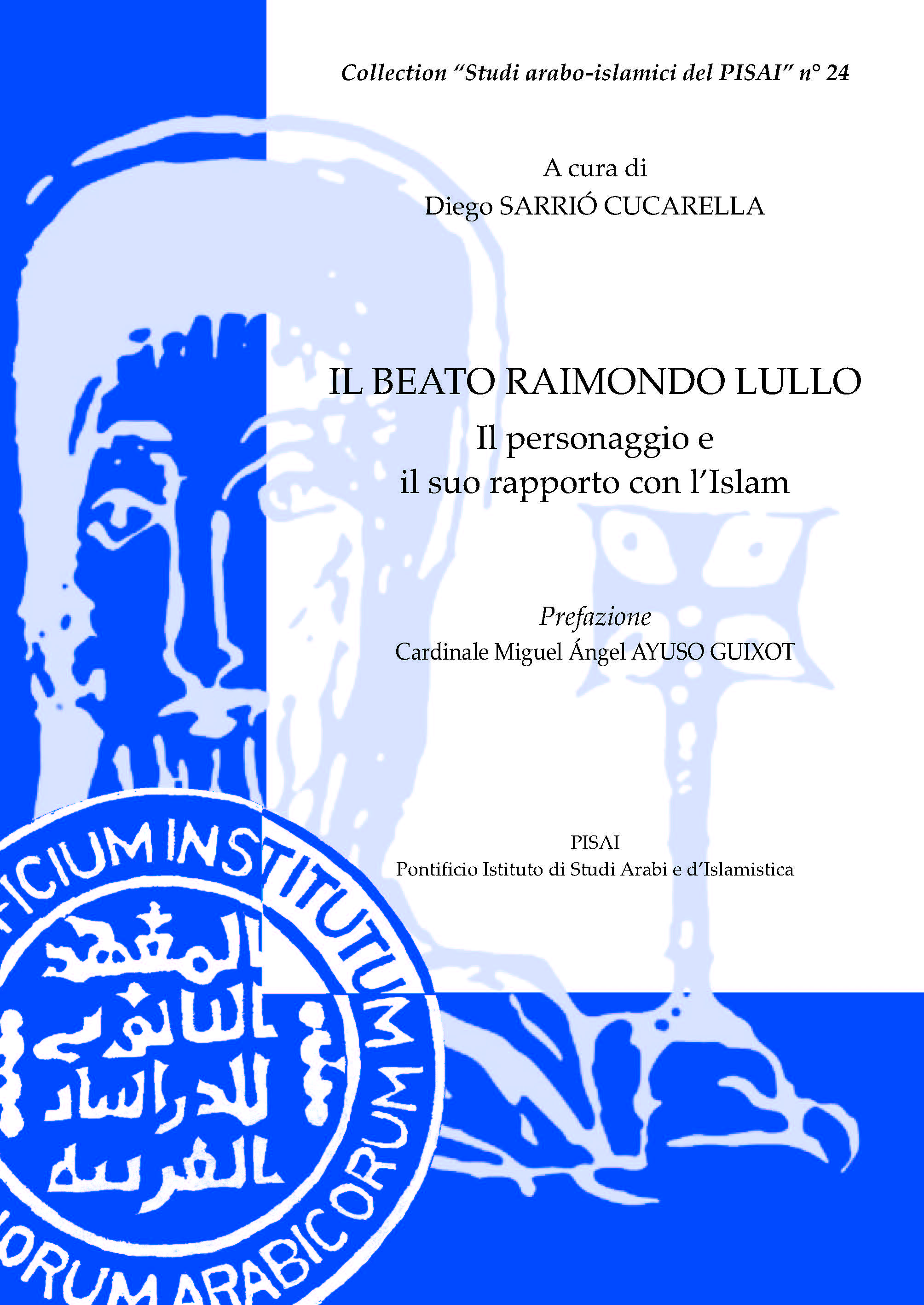
Il beato Raimondo Lullo : il personaggio e il suo rapporto con l’Islam
- Diego Sarrió Cucarella
Il PISAI è lieto di annunciare la pubblicazione del libro Il beato Raimondo Lullo: il personaggio e il suo rapporto con l’Islam (Roma 2021), curato dal professor Diego Sarrió Cucarella, M.Afr., e p...
publication
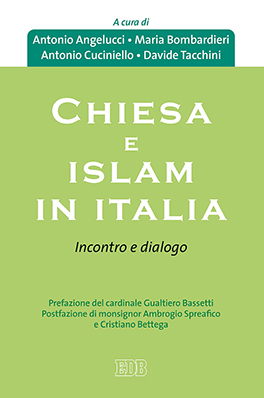
Chiesa e islam in Italia
- Antonio Angelucci
- Antonio Cuciniello
- Davide Tacchini
Descrizione Il volume, che si inserisce tra le iniziative promosse dall’Ufficio ecumenismo e dialogo interreligioso della Conferenza episcopale italiana, si propone di illustrare e favorire l’incon...

videos
Il Documento sulla Fratellanza Umana: un nuovo orizzonte per il dialogo islamo-cristiano?
- Adnane Mokrani
- Laurent Basanese
- Valentino Cottini
Conferenziere: Adnane Mokrani Moderatore: Valentino Cottini Introduzione: P. Laurent Basanese S.J. Conferenza organizzata dalla Pontificia Università Gregoriana a Roma l'8 aprile 2019. ...

videos
Il diritto di liberta religiosà: strumento di gestione del pluralismo cittadino sulle due rive del mediterraneo
- Alessandro Ferrari
Conferenza di Alessandro FERRARI al secondo Congresso internazionale di PLURIEL a Roma. La presenza musulmana in Europa e un pluralismo più visibile nella sponda meridionale del Mediterraneo con...
publication
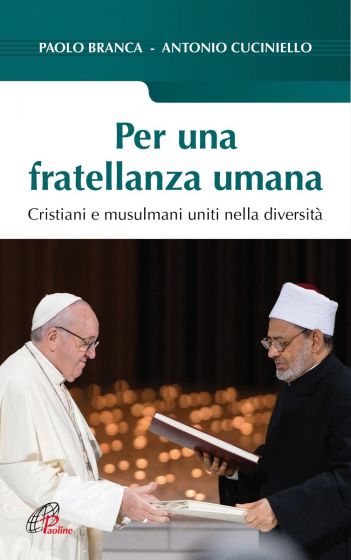
Per una fratellanza umana – Cristiani e musulmani uniti nella diversità
- Antonio Cuciniello
- Paolo Branca
Per una fratellanza umana – Cristiani e musulmani uniti nella diversità A partire dal Documento sulla Fratellanza umana, firmato ad Abu Dhabi da papa Francesco e dal Grande Imam di Al-Azhar A...
article
Cattolici e musulmani in difesa dell’ambiente
- Paolo Gonzaga
Nell'enciclica Laudato si' Papa Francesco tratta le sfide più grandi che l'umanità si trova ad affrontare con sorprendente sintonia con la visione islamica del mondo e del ruolo che questa conferis...