
Christians and Muslims: Similarities and Diversity
Publisher Overview
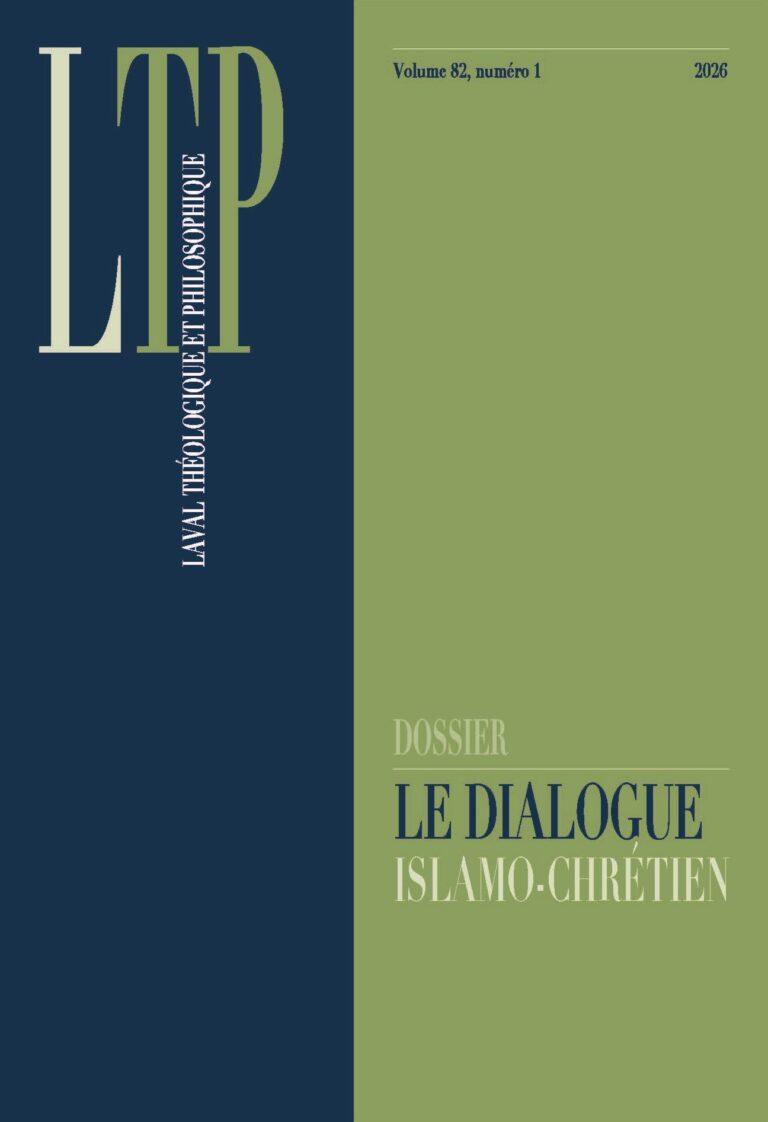
Throughout the ages, the Qur’an, the “sacred book”, has often been presented in a polemical form vis-à-vis Jews and Christians, which has given rise to an initial misunderstanding and interreligious relations between Christians and Muslims all too often conflicting, regardless of cultural contexts. The Second Vatican Council, sensitized to the problem of the Islamic-Christian relationship, encouraged dialogue. Paul VI, during his visit to the Holy Places, had perceived a providential and significant opportunity to begin ecumenical dialogue and in 1964 created a new Secretariat dedicated to relations with non-Christians to reflect on the spiritual needs of all people. The result was a text, which became the very Charter of the Catholic Church’s intercultural and interreligious dialogue with all the world’s religions. In today’s world, the modern structuring of national Islam poses a problem for the “living together” of religious communities.
But one can only rejoice at the fact that some governments of Muslim states are establishing diplomatic relations with the Holy See. The Qur’an does not hide its fascination with the character of Jesus, “an exceptional prophet with progressive social teaching”. It occupies an indisputable place in Muslim thought. And Muslims say they believe in the Gospel and are sensitive to its values. Christians must therefore be a “fifth living Gospel” to commit themselves to the service of human rights everywhere in the name of justice and peace. Thus, inter-religious dialogue between Christians and Muslims becomes “spiritual emulation” and fraternal communion.
Présentation de l’éditeur
À travers les âges, le Coran, “livre sacré” s’est souvent présenté en forme polémique vis-à-vis des Juifs et des Chrétiens, ce qui a suscité un malentendu initial et des rapports interreligieux entre chrétiens et musulmans trop souvent conflictuels, quels que soient les contextes culturels. Le Concile Vatican II, sensibilisé au problème de la relation islamo-chrétienne, a favorisé le dialogue. Paul VI, lors de son voyage sur les Lieux Saints, avait perçu une occasion providentielle et significative pour entamer le dialogue œcuménique et créa en 1964 un nouveau Secrétariat dédié aux relations avec les non chrétiens pour réfléchir aux besoins spirituels de tous les hommes. Il en résulta un texte, devenu la Charte même du dialogue interculturel et interreligieux de l’Église catholique avec toutes les religions du monde. Dans notre monde actuel, la structuration moderne de l’Islam national pose problème pour le « vivre ensemble » des communautés religieuses.
Mais on ne peut que se réjouir de voir certains gouvernements d’États musulmans nouer des relations diplomatiques avec le Saint-Siège. Le Coran ne cache pas sa fascination pour le personnage de Jésus, “prophète exceptionnel à l’enseignement social progressiste”. Il occupe une place incontestable dans la pensée musulmane. Et les musulmans disent croire en l’Évangile et être sensibles à ses valeurs. Les chrétiens doivent donc être un « cinquième Évangile vivant » pour s’engager au service des Droits de l’Homme en tous lieux au nom de la justice et de la paix. Ainsi, entre chrétiens et musulmans le dialogue interreligieux devient “émulation spirituelle” et communion fraternelle.
لطالما اكتسى القرآن، وهو “كتاب مقدّس”، على مرّ العصور طابعاً مثيراً للجدل بنظر اليهود والمسيحيّين ما ولّد سوءَ تفاهمٍ أوّلي وعلاقات دينيّية بين المُسلمين والمسيحيّين غالباً ما كانت متضاربةً، بغضّ النظر عن السياقات الثقافية. لمّا أدركَ المجمع الفاتيكاني الثاني مشكلة العلاقة الإسلامية المسيحية، حثَّ على الحوارِ وشجّعه. ففي خلال رحلته إلى الأراضي المقدّسة، رأى البابا بولس السادس فرصةً إلهيّةً ومهمّةً ليُطلقَ حواراً مسكونياً وأنشأ في العام 1964 الأمانة العامة للعلاقات مع غير المسيحيّين تكمن مهمّتُها في التفكير في الحاجات الروحيّة الخاصّة بكلّ إنسان. وقد نتجَ عن ذلك نصٌّ تحوّلَ إلى ميثاقِ الكنيسة الكاثوليكية التربوي للحوار بين الثقافات والأديان الذي يشملُ أديان العالم كافّةً. ففي عالمنا الحاليّ، تطرحُ هيكليّةُ الإسلام القوميّ الحديثةُ مشكلةً تطالُ “العيش المشترك” بين المجتمعات الدينيّة.
ولكن مما يدعو إلى الارتياح أن بعض حكومات الدول الإسلامية قد أقامت علاقات دبلوماسية مع الكرسي الرسولي. فالقرآن لا يخفي إطلاقاً افتتانه بشخص يسوع المسيح “النبي الاستثنائي ذو التعاليم الاجتماعيّة التقدّمية” الذي يحتلّ مكانةً راسخةً في الفكر الإسلامي. أضف إلى ذلك أنّ المُسلمين يعترفون بإيمانهم بالإنجيل ويحترمون قيمه احتراماً شديداً. لذا، يجدرُ بالمسيحيّين أن يؤدّوا دورَ “الإنجيل الخامس الحيّ” كي ينخرطوا في خدمةِ حقوق الإنسانِ في أرجاء العالم كافّة باسم العدالة والسلام. بالتالي، يغدو الحوار بين المسيحيّين والمُسلمين “محاكاة روحيّة” ومشاركة أخويّة.
Related resources: « Muslim-Christian Dialogue »
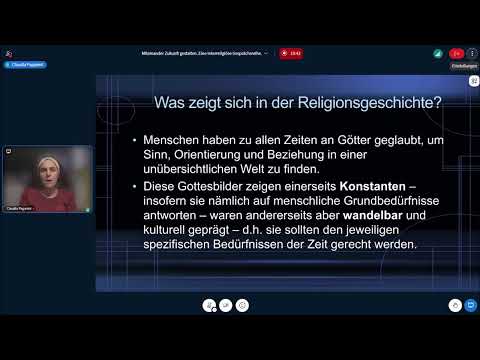 Artificial Intelligence, a New God? Christian and Muslim Perspectives
On 20 October 2026, the Centre for Interreligious Studies (ZIRS) at the University of Innsbruck, a partner institution of Pluriel, opened the semester of…
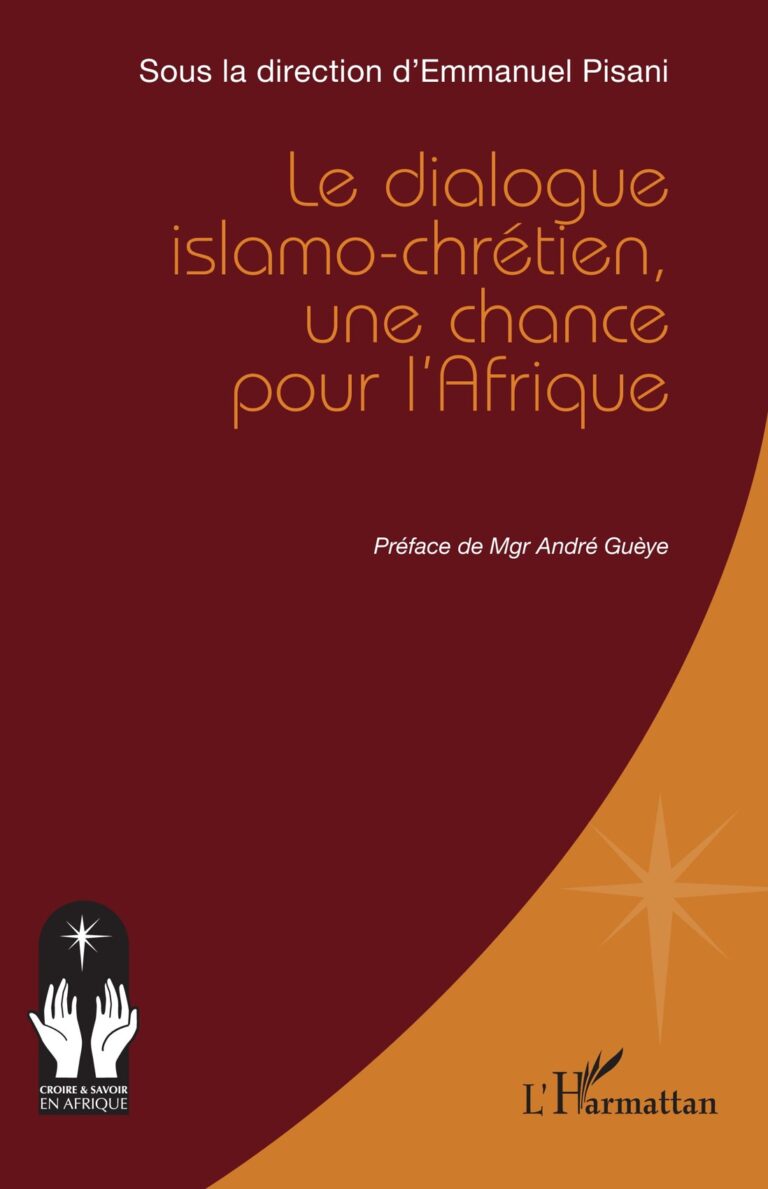 Christian-Muslim Dialogue, an Opportunity for Africa
Emmanuel Pisani At a time when sub-Saharan Africa is undergoing profound socio-political change and the rise of religious radicalism, Christian-Muslim dialogue emerges as an essential requirement…
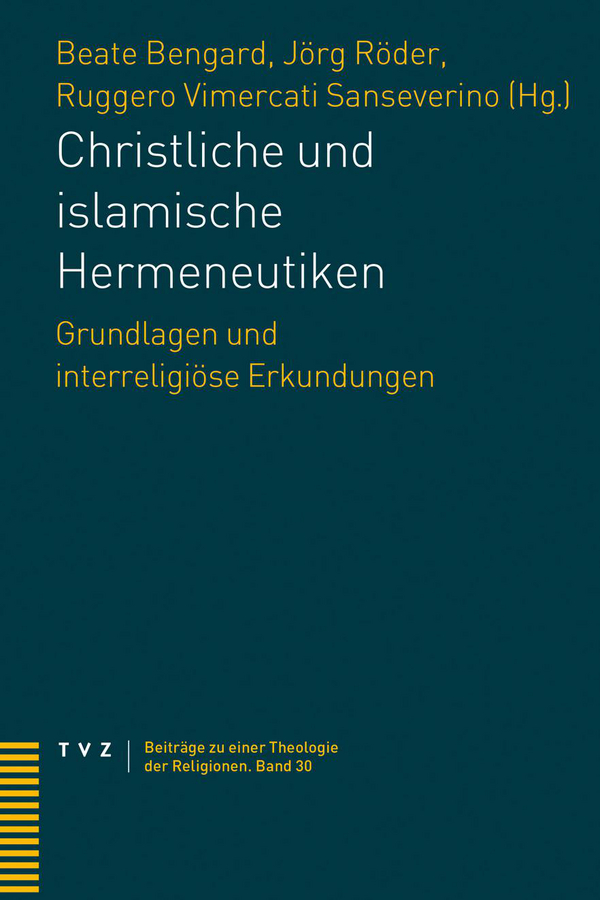 Christian and Islamic Hermeneutics: Foundations and Interreligious Explorations
Beate Bengard Published in October 2026 by TVZ (Theologischer Verlag Zürich) in the series “Beiträge zu einer Theologie der Religionen” (vol. 30, 451 p.), Christliche und…
 The First Council of Nicaea (325) and the Christian-Muslim Dialogue on God’s Unity and Trinity
Dirk Ansorge Abstract Published under the original title "Das erste Konzil von Nizäa (325) und der christlich-muslimische Dialog über Gottes Einheit und Dreifaltigkeit" in issue 2/2025…
 Christian-Muslim Relations Today: Some Reflections
David Marshall Abstract Published as "Christian-Muslim Relations Today: Some Reflections" in a special issue of The Muslim World marking the 50th anniversary of the Duncan Black…
 Ḥaydar Ibrāhīm ʿAlī, a Thinker on Multiple Fronts
Guy-Raymond Sarkis Abstract Ḥaydar Ibrāhīm ʿAlī, a Sudanese sociologist of religion, is a committed intellectual whose writings both arise from and respond to the challenges of…