
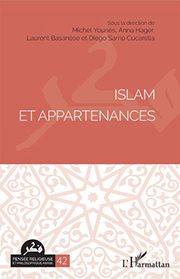
Islam and Belonging | Proceedings of the 2nd PLURIEL Congress
Table of contents
First part : BELONGING AND COMMUNITIES (31)
1. Religious Affiliation, Belonging and Apostasy: A Case Study of Christian and Muslim Concepts, Dirk ANSORGE (33)
2. Le blasphème en islam, d’hier à aujourd”hui, Hamadi REDISSI (49)
3. A comparative approach to the concepts of the Common Good and Maslaḥa, Gonzalo VILLAGRÁN (63)
Second part : BELONGING AND TERRITORIES (73)
4. The Jinsiyya Obsession and the Muwatana Veil: The Constitutional Politics of Citizenship in the 21st Century, Gianluca PAROLIN (75)
5. Appartenance(s) et territoire(s) au prisme de la religiosité (al- tadayyun) dans la pensée arabomusulmanne actuelle. L’exemple de l’Égypte, Wael SALEH (91)
6. When does Religion divide the Community? Reconsidering the Dynamics of Violence and Pacification in the 19th century Ottoman Arab Levant, Marco DEMICHELIS (117)
7. Les fondements de la citoyennté des non-musulmans. Des lectures islamiques modernes d’Égypte et du Liban, Anna HAGER (141)
Third part : BELONGING AND CITIZENSHIP (157)
8. Pour une agora politique partagée autour de la Méditerrannée, Alssandro FERRARI (159)
9. Believing and Belonging? No Belonnging for Believers? A comparative study of Talal Asad’s and Abdullahi Ahmed An- Naʽim’s discussions of Muslims and their (non)belonging in the secular-liberal state, Michaela QUAST-NEULINGER (167)
10. Islam et appartenance. L’appartenance au prisme de l’espace et du territoire, Ali MOSTFA (181)
11. The contextualization of Islam in contemporary Spain. Main foundations and associative networks, José Luis LLAQUET DE ENTRAMBASAGUAS (199)
12. L’éducation islamique des enfants dans les écoles et les mosquées en Espagne. Sa mise en œuvre, son programme et son impact social, Jaume FLAQUER (219)
13. “House of agreement” – The islamic tradition of Bosniaks and its Europeanness, Anja ZALTA (243)
Réflexions conclusives : Islam et appartenance(s),
De l’appartenance aux frontières, Laurent Basanese (289)
Table des matières
Première partie : APPARTENANCE(S) ET COMMUNAUTÉ(S) (31)
1. Religious Affiliation, Belonging and Apostasy: A Case Study of Christian and Muslim Concepts, Dirk ANSORGE (33)
2. Le blasphème en islam, d’hier à aujourd”hui, Hamadi REDISSI (49)
3. A comparative approach to the concepts of the Common Good and Maslaḥa, Gonzalo VILLAGRÁN (63)
Deuxième partie : APPARTENANCE(S) ET TERRITOIRE(S) (73)
4. The Jinsiyya Obsession and the Muwatana Veil: The Constitutional Politics of Citizenship in the 21st Century, Gianluca PAROLIN (75)
5. Appartenance(s) et territoire(s) au prisme de la religiosité (al- tadayyun) dans la pensée arabomusulmanne actuelle. L’exemple de l’Égypte, Wael SALEH (91)
6. When does Religion divide the Community? Reconsidering the Dynamics of Violence and Pacification in the 19th century Ottoman Arab Levant, Marco DEMICHELIS (117)
7. Les fondements de la citoyennté des non-musulmans. Des lectures islamiques modernes d’Égypte et du Liban, Anna HAGER (141)
Troisième partie : APPARTENANCE(S) ET CITOYENNETÉ(S) (157)
8. Pour une agora politique partagée autour de la Méditerrannée, Alssandro FERRARI (159)
9. Believing and Belonging? No Belonnging for Believers? A comparative study of Talal Asad’s and Abdullahi Ahmed An- Naʽim’s discussions of Muslims and their (non)belonging in the secular-liberal state, Michaela QUAST-NEULINGER (167)
10. Islam et appartenance. L’appartenance au prisme de l’espace et du territoire, Ali MOSTFA (181)
11. The contextualization of Islam in contemporary Spain. Main foundations and associative networks, José Luis LLAQUET DE ENTRAMBASAGUAS (199)
12. L’éducation islamique des enfants dans les écoles et les mosquées en Espagne. Sa mise en œuvre, son programme et son impact social, Jaume FLAQUER (219)
13. “House of agreement” – The islamic tradition of Bosniaks and its Europeanness, Anja ZALTA (243)
Réflexions conclusives : Islam et appartenance(s),
De l’appartenance aux frontières, Laurent Basanese (289)
الفهرس
الجزء الأوّل: الانتماء(ات) والجماعة(ات) (31)
1. Religious Affiliation, Belonging and Apostasy: A Case Study of Christian and Muslim Concepts، Dirk ANSORGE (33)
2. Le blasphème en islam, d’hier à aujourd’hui، الحمادي الرديسي (49)
3. A comparative approach to the concepts of the Common Good and Maslaḥa، Gonzalo VILLAGRÁN (63)
الجزء الثاني: الانتماء(ات) والأرض/الإقليم (73)
4. The Jinsiyya Obsession and the Muwatana Veil: The Constitutional Politics of Citizenship in the 21st Century، Gianluca PAROLIN (75)
5. Appartenance(s) et territoire(s) au prisme de la religiosité (al-tadayyun) dans la pensée arabo-musulmane actuelle. L’exemple de l’Égypte، وائل صالح (91)
6. When does Religion divide the Community? Reconsidering the Dynamics of Violence and Pacification in the 19th century Ottoman Arab Levant، Marco DEMICHELIS (117)
7. Les fondements de la citoyenneté des non-musulmans. Des lectures islamiques modernes d’Égypte et du Liban، Anna HAGER (141)
الجزء الثالث: الانتماء(ات) والمواطنة(ات) (157)
8. Pour une agora politique partagée autour de la Méditerranée، Alessandro FERRARI (159)
9. Believing and Belonging? No Belonging for Believers? A comparative study of Talal Asad’s and Abdullahi Ahmed An-Naʽim’s discussions of Muslims and their (non)belonging in the secular-liberal state، Michaela QUAST-NEULINGER (167)
10. Islam et appartenance. L’appartenance au prisme de l’espace et du territoire، علي مصطفى (181)
11. The contextualization of Islam in contemporary Spain. Main foundations and associative networks، José Luis LLAQUET DE ENTRAMBASAGUAS (199)
12. L’éducation islamique des enfants dans les écoles et les mosquées en Espagne. Sa mise en œuvre, son programme et son impact social، Jaume FLAQUER (219)
13. «House of agreement» — The Islamic tradition of Bosniaks and its Europeanness، Anja ZALTA (243)
تأمّلات ختامية: الإسلام والانتماء(ات)،
من الانتماء إلى الحدود، لوران بازانيز (289)
Resources related to keywords
article
Wael Saleh: “Recognising Without Confining, to Better ‘De-other’ the Public Debate”
- Wael Saleh
In an op-ed published on 20 July 2026 by Le Devoir, Wael Saleh, a member of the scientific committee of Pluriel, puts forward a new concept for contemporary democratic debate: "de-othering" (in Fre...
videos
“War and peace”, by Adrien Candiard
On Wednesday 20 May 2026, the Dominican Institute for Oriental Studies (IDEO) hosted in Cairo a lecture by Brother Adrien Candiard, Dominican and Islamologist, on the theme "War and peace". Faced w...
article
Kenneth Cragg and the Event of the Qur’an
- Timo Güzelmansur
Article by Timo Güzelmansur published under the title Kenneth Cragg und das Ereignis des Koran on the theological portal feinschwarz.net (12 June 2026, open access). Timo Güzelmansur presents the A...
article
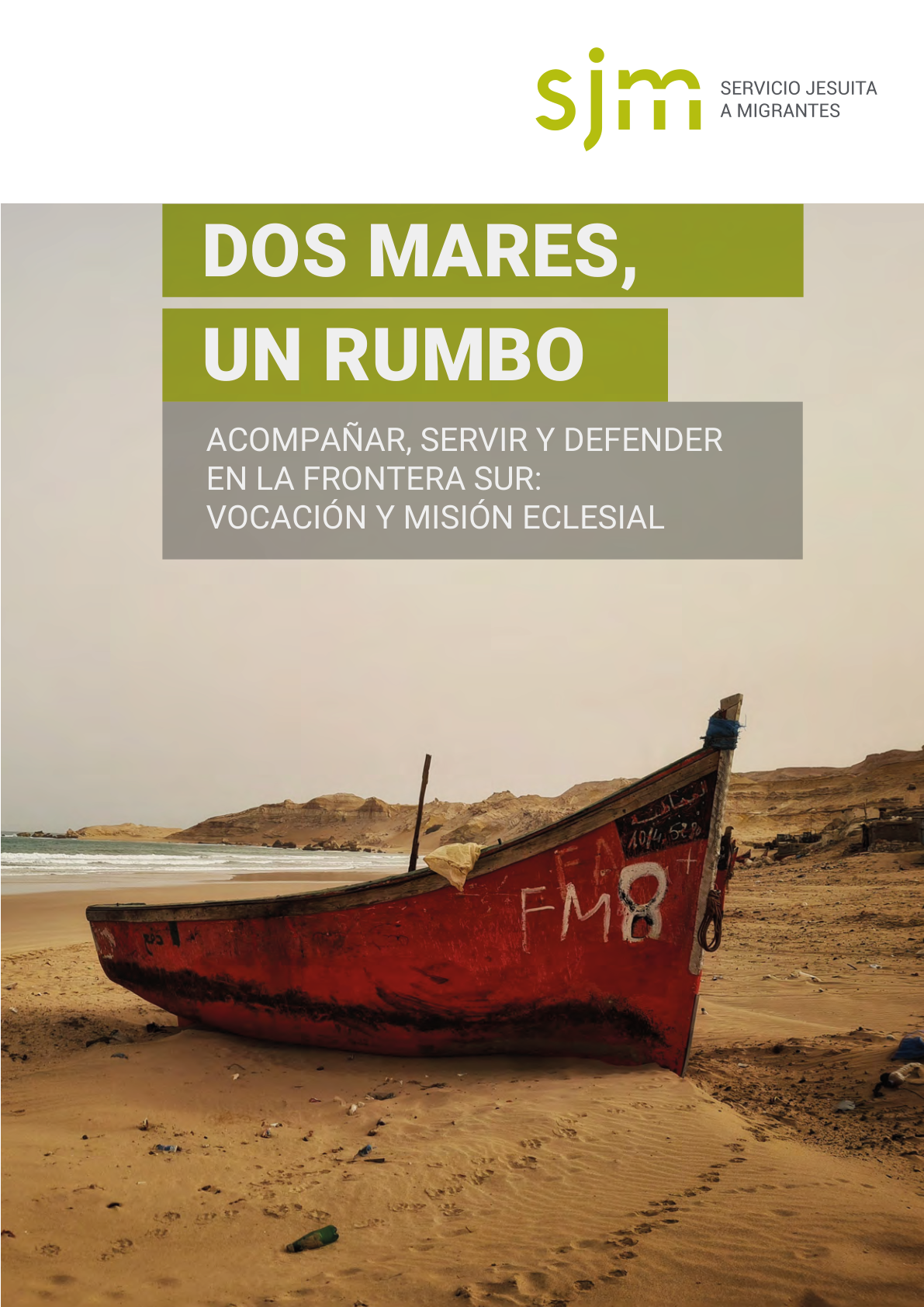
Two Seas, One Course: The 2026 Jesuit Migrant Service Report on Spain’s Southern Border
- Josep Buades
The annual report of the Jesuit Migrant Service (SJM), the social apostolate body of the Society of Jesus in Spain, written by Josep (Pep) Buades Fuster, examines the migratory dynamics of Spain’s ...
publication
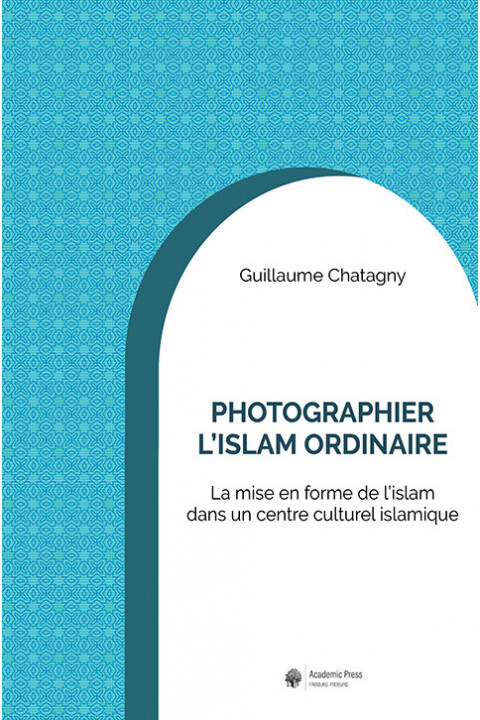
Photographing Ordinary Islam
- Guillaume Chatagny
What does Islam concretely look like within a Muslim association? This is the question addressed by sociologist Guillaume Chatagny in this book, based on fieldwork conducted between 2017 and 2021 w...

article
Leo XIV’s encyclical Magnifica Humanitas and the Pluriel working group on AI-assisted interreligious dialogue
- Wael Saleh
Text by Wael Saleh, researcher at the Université du Québec à Montréal (UQAM) and member of the Pluriel coordination committee. The simultaneous appearance of Leo XIV's encyclical Magnifica Human...
publication
The Recognition of a Hummingbird. Essays on Interreligious Dialogue and Missionary Work (2007-2025)
- Rémi Caucanas
Published in May 2026 by PISAI (Pontifical Institute for Arabic and Islamic Studies, Rome), this collection brings together the essays of Rémi Caucanas on interreligious dialogue and missionary wor...
videos
From Lavigerie to PISAI: The Institutional History of the Missionaries of Africa’s Engagement with Islam
Delivered on 21 May 2026 at the Pontifical Institute for Arabic and Islamic Studies (PISAI) in Rome, this lecture opens the series of conferences marking the institute's centenary (1926-2026). Fr. ...