The Epistemological Other in Studies of Islamism: From Postcolonialism to Systemic Epistemic Alterity
Wael Saleh, a member of Pluriel‘s coordination committee, has published a new study in Arabic with TRENDS Research & Advisory (Abu Dhabi). Released on 21 October 2026 under the title الآخر الإبستمولوجي في دراسات الإسلاموية, it is the twenty-ninth issue of the “Political Islam Trends” series.
The author explains that he was prompted to undertake this work by the way academia dealt with Arab phenomena, especially during what came to be called the “Arab Spring”. In his view, that moment was a revealing epistemological event that exposed the limits of prevailing approaches, much as Edward Said saw the October 1973 war as the spark for Orientalism.
The study puts forward the concept of “systemic epistemic alterity” to explain how “the epistemological Other” is produced through institutional, algorithmic and geo-epistemic structures. Going beyond the critique of representations, it examines the conditions under which knowledge is produced and legitimised.
Its fourth part offers a critical analysis of Western research on Islamism: it examines ten common assumptions about Islamism’s intellectual and political nature and brings to light the mechanisms through which epistemic representations are reproduced within the academic field.
The study’s main contributions:
- moving from the critique of stereotypes to the analysis of the structures that produce epistemic alterity and exclusion;
- bringing to light the role of peer review, publishing, funding and academic norms in perpetuating epistemic hierarchies;
- highlighting the influence of algorithms, digital platforms and impact metrics on how recognition and legitimacy are distributed;
- deconstructing academic representations of Islamism, notably its conflation with Islam, as well as the marginalisation of Islam’s internal plurality and of alternative critical approaches.
The study thus offers a critical framework for understanding the relationship between knowledge and power. Taking studies of Islamism as its test case, it calls for a fresh look at the institutional and technological criteria that decide which forms of knowledge count as legitimate and where they stand in epistemic hierarchies.
It extends the framework of “systemic epistemic alterity” that Wael Saleh set out in his article “Beyond Representation: Systemic Epistemic Alterity and the Architecture of Knowledge in the Contemporary Academy” (Social Epistemology Review and Reply Collective, March 2026), and builds on the reflection begun in his book Studying Islamism between the Crisis of Knowledge and False Representation (Mominoun Without Borders, 2026, in Arabic).
Wael Saleh, membre du comité de coordination de Pluriel, publie en arabe chez TRENDS Research & Advisory (Abou Dhabi) une étude parue le 21 octobre 2026 sous le titre الآخر الإبستمولوجي في دراسات الإسلاموية. Elle constitue le vingt-neuvième numéro de la série « Tendances de l’islam politique ».
L’auteur explique avoir entrepris ce travail en observant la manière dont l’académie a traité les phénomènes arabes, notamment lors de ce que l’on a appelé le « printemps arabe ». Ce moment a constitué à ses yeux un événement épistémologique révélateur, qui a mis au jour les limites des approches dominantes, de même qu’Edward Said voyait dans la guerre d’octobre 1973 l’élément déclencheur de L’Orientalisme.
Cette étude propose le concept d’« altérité épistémique systémique » pour expliquer la production de « l’Autre épistémologique » à travers les structures institutionnelles, algorithmiques et géo-épistémiques. Dépassant la critique des représentations, elle interroge les conditions de production et de légitimation des savoirs.
Sa quatrième partie est consacrée à une analyse critique des recherches occidentales sur l’islamisme : elle examine dix présupposés courants concernant sa nature intellectuelle et politique et met au jour les mécanismes de reproduction des représentations épistémiques au sein du champ académique.
Principaux apports de cette étude :
- passer de la critique des stéréotypes à l’analyse des structures qui produisent l’altérité et l’exclusion épistémiques ;
- mettre au jour le rôle de l’évaluation par les pairs, de la publication, du financement et des normes académiques dans la perpétuation des hiérarchies épistémiques ;
- souligner l’incidence des algorithmes, des plateformes numériques et des indicateurs d’impact sur la répartition de la reconnaissance et de la légitimité ;
- déconstruire les représentations académiques de l’islamisme, notamment sa confusion avec l’islam, ainsi que la marginalisation de la pluralité interne à l’islam et des approches critiques alternatives.
L’étude propose ainsi un cadre critique pour comprendre les rapports entre savoir et pouvoir. En prenant les études sur l’islamisme comme terrain d’application, elle invite à réexaminer les critères institutionnels et technologiques qui déterminent la légitimité des savoirs et leur place dans les hiérarchies de la connaissance.
Elle prolonge le cadre de l’« altérité épistémique systémique » que Wael Saleh a présenté dans l’article « Au-delà de la représentation » (Social Epistemology Review and Reply Collective, mars 2026), ainsi que la réflexion engagée dans son ouvrage Étudier l’islamisme entre crise du savoir et fausse représentation (Mominoun Without Borders, 2026).
أصدر وائل صالح، عضو لجنة التنسيق في المنصة الجامعية للدراسات حول الإسلام، دراسةً جديدة عن تريندز للبحوث والاستشارات في أبوظبي، صدرت في 21 أكتوبر/تشرين الأول 2026 بعنوان «الآخر الإبستمولوجي في دراسات الإسلاموية: من ما بعد الكولونيالية إلى الغيرية المعرفية النسقية»، وهي العدد التاسع والعشرون من سلسلة «اتجاهات حول الإسلام السياسي».
ويوضح المؤلف أنّ ما دفعه إلى إعداد هذه الدراسة هو تعامل الأكاديميا مع الظواهر العربية، ولا سيّما خلال ما سُمّي «الربيع العربي»؛ فقد مثّلت تلك اللحظة حدثاً إبستمولوجياً كاشفاً عرّى حدود مقاربات الفهم السائدة، على نحو ما رأى إدوارد سعيد في حرب أكتوبر 1973 الشرارة التي أطلقت فكرة كتابه «الاستشراق».
وتقترح الدراسة مفهوم «الغيرية المعرفية النسقية» لتفسير إنتاج «الآخر الإبستمولوجي» عبر البنى المؤسسية والخوارزمية والجيو-معرفية. ولا تقف عند نقد التمثيلات، بل تتجاوزه إلى مساءلة شروط إنتاج المعارف وإضفاء الشرعية عليها.
أمّا قسمها الرابع فمخصّص لتحليل نقدي للأبحاث الغربية حول الإسلاموية، إذ يتناول عشر مسلّمات شائعة عن طبيعتها الفكرية والسياسية، ويكشف آليات إعادة إنتاج التمثيلات المعرفية داخل الحقل الأكاديمي.
ومن أبرز إسهامات الدراسة:
- الانتقال من نقد الصور النمطية إلى تحليل البنى التي تُنتج الغيرية والإقصاء المعرفيين؛
- الكشف عن دور التحكيم العلمي والنشر والتمويل والمعايير الأكاديمية في إدامة التراتبيات المعرفية؛
- إبراز أثر الخوارزميات والمنصات الرقمية ومؤشرات التأثير في توزيع الاعتراف والشرعية؛
- تفكيك التمثيلات الأكاديمية للإسلاموية، ولا سيّما خلطها بالإسلام، وتهميش التعددية الداخلية في الإسلام والمقاربات النقدية البديلة.
وبذلك تقدّم الدراسة إطاراً نقدياً لفهم العلاقة بين المعرفة والسلطة؛ فهي، إذ تتّخذ من دراسات الإسلاموية ميداناً للتطبيق، تدعو إلى مراجعة المعايير المؤسسية والتقنية التي تحدّد شرعية المعارف ومكانتها في تراتبيات المعرفة.
وتواصل هذه الدراسة بناء إطار «الغيرية المعرفية النسقية» الذي عرضه المؤلف في مقالة نشرها بالإنجليزية في مارس/آذار 2026، كما تستأنف النظر الذي باشره في كتابه «دراسة الإسلاموية بين أزمة المعرفة وزيف التمثيل» (مؤمنون بلا حدود، 2026).
"Beyond Representation: Systemic Epistemic Alterity and the Architecture of Knowledge in the Contemporary Academy" (Social Epistemology Review and Reply Collective, 2026)
By the same author on Pluriel
 Wael Saleh: “Recognising Without Confining, to Better ‘De-other’ the Public Debate”
Wael Saleh In an op-ed published on 20 July 2026 by Le Devoir, Wael Saleh, a member of the scientific committee of Pluriel, puts forward a…
 Leo XIV’s encyclical Magnifica Humanitas and the Pluriel working group on AI-assisted interreligious dialogue
Wael Saleh Text by Wael Saleh, researcher at the Université du Québec à Montréal (UQAM) and member of the Pluriel coordination committee. The simultaneous appearance of…
Beyond Representation: Systemic Epistemic Alterity and the Architecture of Knowledge in the Contemporary Academy
Wael Saleh In this article, published in two parts by Social Epistemology Review and Reply Collective (SERRC), Wael Saleh, a researcher at the University of Quebec…
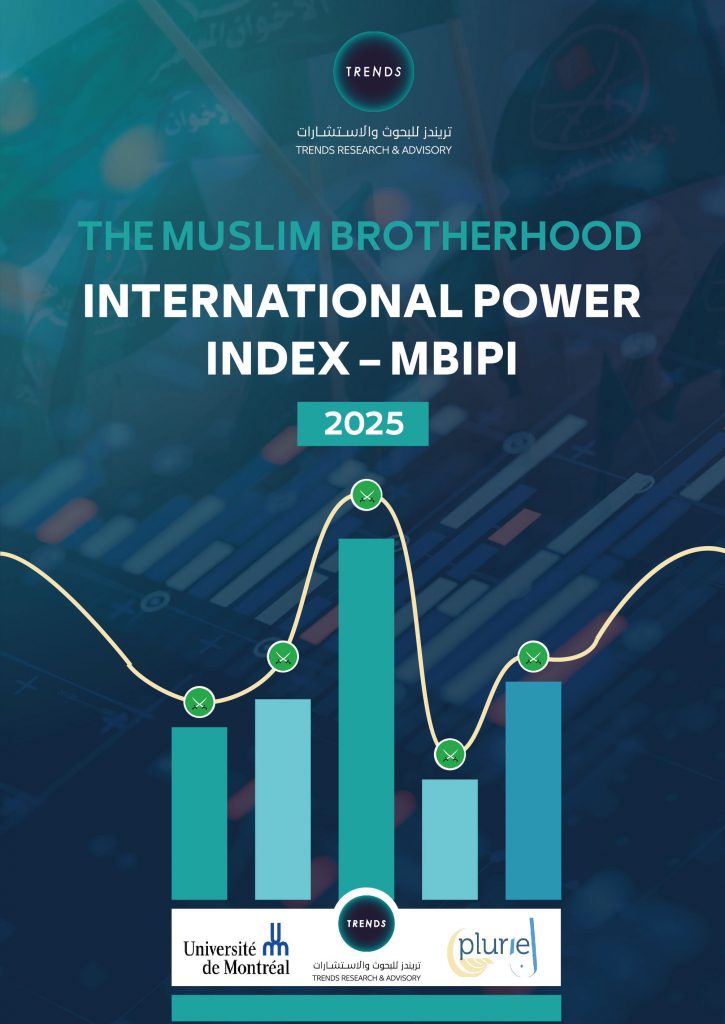 The Muslim Brotherhood International Power Index (MBIPI) 2025
Wael Saleh · Patrice Brodeur Published in February 2026 by TRENDS Research & Advisory (Abu Dhabi), The Muslim Brotherhood International Power Index (MBIPI) 2025 offers the first systematic, global…
 The representation of non-Islamist Muslims in Sunni Islamist discourse
Wael Saleh Full lecture title : 'The representation of non-Islamist Muslims in Sunni Islamist discourse: an intra-religious otherness?' In what ways do non-Brother Muslims (especially secular,…
 From Applied Islamology to Applied Islamismology
Patrice Brodeur · Wael Saleh Lecture given on 14 October 2021 at the Catholic University of Lyon during the conference "Radicalisation leading to violence in the name of Islam,…