
18 March 2022 to 19 March 2022

French
Institut Catholique de Paris
“Religions and Nationalisms” — ISTR Symposium
The Institute of Science and Theology of Religions (ISTR) of the Institut catholique de Paris is organising a symposium to understand and analyse the rise of “religious nationalism”.
Born in Europe in the 18th century, nationalism is an ideology that has taken several historical forms: while it accompanied industrialisation and liberalism, and served as a factor of integration, it also functioned as an ideological vehicle for decolonisation movements. In the era of postmodern globalisation, it is undergoing redefinition and renewed expression.
The stake of the symposium will be to examine how the articulation between nationalism and religions is approached from a theological point of view across different religions (Christianity, Islam, Hinduism, etc.). Can we identify shared methodologies or epistemologies that justify nationalist ideologies? Can a theology of nationalism open to the other be conceived?
Further information and the symposium programme are available on the Institut Catholique de Paris website: https://www.icp.fr/…/religions-et-nationalismes-colloque
Speakers
Inaugural lectures:
- Alain DIECKHOFF, CERI-Sciences Po/CNRS
- Christophe JAFFRELOT, CERI-Sciences Po/CNRS
Papers:
- Alberto AMBROSIO, Luxembourg School of Religion & Society (LSRS) and IDEO
- Jean-Claude ANGOULA, Université catholique de Lyon
- Hanaa BELDJERD, Université de Lille
- Yohan BRIANT, Université de Montpellier
- Sylvain BRISON, Institut catholique de Paris
- Marie-Thérèse DESOUCHE, Institut catholique de Toulouse
- Nasser GABRYEL, Institut Montpensier – Université méditerranéenne de la Francophonie (UMF)
- Xavier GUE, Institut catholique de Paris
- Gabriel HACHEM, Holy Spirit University of Kaslik
- Bruno JUDIC, Université de Tours
- Lucie KAENNEL, University of Zurich
- Catherine MARIN, Institut catholique de Paris
- Paul VAZEUX, Université de Strasbourg
L’Institut de Science et de Théologie des Religions de l’Institut catholique de Paris, organise un colloque pour comprendre et analyser la montée d’un “nationalisme religieux”.
Né en Europe au XVIIIe siècle, le nationalisme est une idéologie qui revêt plusieurs formes historiques : s’il a accompagné l’industrialisation et le libéralisme, s’il a été un facteur d’intégration, il a aussi été un vecteur idéologique pour les mouvements de décolonisation. À l’ère de la globalisation postmoderne, il connait une redéfinition et une expression renouvelée.
L’enjeu du colloque sera de s’interroger sur comment l’articulation entre nationalisme et religions est approchée du point de vue théologique dans les différentes religions (christianisme, islam, hindouisme, etc.). Peut-on mettre en lumière des méthodologies ou des épistémologies communes qui justifient les idéologies nationalistes ? Peut-on penser une théologie du nationalisme ouverte à l’autre ?
Retrouvez davantage d’informations ainsi que le programme du colloque sur le site de l’Institut Catholique de Paris : https://www.icp.fr/…/religions-et-nationalismes-colloque
Intervenants
Conférences inaugurales :
- Alain DIECKHOFF, CERI-Sciences Po/CNRS
- Christophe JAFFRELOT, CERI-Sciences Po/CNRS
Communications :
- Alberto AMBROSIO, Luxembourg School of Religion & Society (LSRS) et IDEO
- Jean-Claude ANGOULA, Université catholique de Lyon
- Hanaa BELDJERD, Université de Lille
- Yohan BRIANT, Université de Montpellier
- Sylvain BRISON, Institut catholique de Paris
- Marie-Thérèse DESOUCHE, Institut catholique de Toulouse
- Nasser GABRYEL, Institut Montpensier – Université méditerranéenne de la Francophonie (UMF)
- Xavier GUE, Institut catholique de Paris
- Gabriel HACHEM, Université Saint-Esprit de Kaslik
- Bruno JUDIC, Université de Tours
- Lucie KAENNEL, Université de Zurich
- Catherine MARIN, Institut catholique de Paris
- Paul VAZEUX, Université de Strasbourg
ينظّم معهد علم الأديان واللاهوت (ISTR) في المعهد الكاثوليكي في باريس مؤتمراً لفهم صعود «القومية الدينية» وتحليله.
وُلدت القومية في أوروبا في القرن الثامن عشر، وهي أيديولوجيا اتّخذت أشكالاً تاريخية عدّة: فإذا كانت قد رافقت التصنيع والليبرالية، وإذا كانت عاملَ اندماج، فقد كانت أيضاً ناقلاً أيديولوجياً لحركات إنهاء الاستعمار. وفي عصر العولمة ما بعد الحديثة، تشهد إعادةَ تعريف وتعبيراً متجدّداً.
يتمحور رهان المؤتمر حول التساؤل عن كيفية مقاربة العلاقة بين القومية والأديان من وجهة نظر لاهوتية في مختلف الأديان (المسيحية، الإسلام، الهندوسية، إلخ). هل يمكن إبراز منهجيات أو معرفيّات مشتركة تُبرّر الأيديولوجيات القومية؟ هل يمكن التفكير في لاهوت للقومية منفتح على الآخر؟
مزيد من المعلومات وبرنامج المؤتمر على موقع المعهد الكاثوليكي في باريس: https://www.icp.fr/…/religions-et-nationalismes-colloque
المتدخّلون
المحاضرات الافتتاحية:
- Alain DIECKHOFF، CERI-Sciences Po/CNRS
- Christophe JAFFRELOT، CERI-Sciences Po/CNRS
المداخلات:
- Alberto AMBROSIO، Luxembourg School of Religion & Society (LSRS) وIDEO
- Jean-Claude ANGOULA، الجامعة الكاثوليكية في ليون
- Hanaa BELDJERD، جامعة ليل
- Yohan BRIANT، جامعة مونبلييه
- Sylvain BRISON، المعهد الكاثوليكي في باريس
- Marie-Thérèse DESOUCHE، المعهد الكاثوليكي في تولوز
- Nasser GABRYEL، معهد Montpensier – الجامعة المتوسطية للفرنكوفونية (UMF)
- Xavier GUE، المعهد الكاثوليكي في باريس
- Gabriel HACHEM، جامعة الروح القدس – الكسليك
- Bruno JUDIC، جامعة تور
- Lucie KAENNEL، جامعة زيوريخ
- Catherine MARIN، المعهد الكاثوليكي في باريس
- Paul VAZEUX، جامعة ستراسبورغ


Resources related to Religious Pluralism
article
Wael Saleh: “Recognising Without Confining, to Better ‘De-other’ the Public Debate”
- Wael Saleh
In an op-ed published on 20 July 2026 by Le Devoir, Wael Saleh, a member of the scientific committee of Pluriel, puts forward a new concept for contemporary democratic debate: "de-othering" (in Fre...

article
Leo XIV’s encyclical Magnifica Humanitas and the Pluriel working group on AI-assisted interreligious dialogue
- Wael Saleh
Text by Wael Saleh, researcher at the Université du Québec à Montréal (UQAM) and member of the Pluriel coordination committee. The simultaneous appearance of Leo XIV's encyclical Magnifica Human...
videos
Interreligious Dialogue and Ethnic Nationalisms in the Balkans
At the invitation of PISAI (Pontifical Institute for Arabic and Islamic Studies, Rome) and Georgetown University, Ahmet Alibašić, professor of Islamic civilization at the Faculty of Islamic Studies...
publication
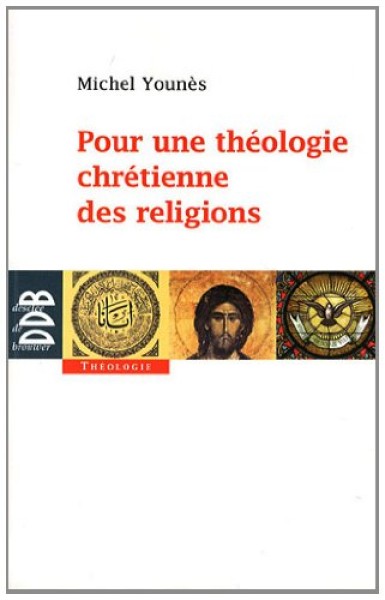
For a Christian Theology of Religions
- Michel Younès
Faced with contemporary religious diversity, how can Christian theology make sense of the place that other religions occupy in God’s design? Michel Younès examines the three traditional ̶...
publication
Intercultural Theology
- Jean Patrick Nkolo Fanga
Because every theology is culturally situated, Christian theology is inevitably multicultural. Yet one step remains to be taken: to become intercultural. Crossing languages, contexts, origins, ages...
publication
Islam and Fraternity: Impact and Prospects of the Abu Dhabi Declaration
The volume dedicated to the conference “Islam and Fraternity”, held in Abu Dhabi from February 4 to 7, 2024, under the auspices of the PLURIEL network, in partnership with Trends, a research center...
publication
Dialogue for a More Livable World: Toward an Ethics of Encounter
- Mohamed-Ali Mostfa
How can we live in a climate of mistrust, trapped in identity-based withdrawal, and paralyzed by an uncertain future? On what basis can we open new paths to ease suffering—perhaps even reenchant ou...
videos
Inaugural Lecture for the Chair in Mediterranean Studies, Religions and Societies
- Dominique Avon
Lecture given by Professor Dominique Avon on October 13, 2025, at the Pontifical Institute for Arabic and Islamic Studies (PISAI).