

German,
English,
Arabic,
Spanish,
French,
Italian

The Question of Otherness in Classical Islam
Argument: How did Muslims represent the other? Here is a questioning overloaded with history, memory and narrative Islamic identity difficult to decode. Fourteen long centuries of conquests and defeats, inclusion and exclusion, tolerance and intolerance. Understanding the normative and sociological relationship of Islam to its medieval and contemporary otherness necessarily implies the interrogation of the immense theological and legal corpus of the classical age. In this context, the exploration not only of the text but also of the context is essential. For, from the birth of the last monotheistic religion in Arabia, through the expansion of the empire and the golden age oscillating between Baghdad and Cordoba, to the establishment of the Ottoman Empire, the perception of non-Islamic otherness went through several phases. However, the Arab-Muslim mechanism of memory transmission privileges first and foremost the collective consciousness of belonging to the Islamic community. This makes the interweaving of the normative corpus, the social realities and the modus vivendi of dealing with the other, as well as the imaginary representations of the latter, difficult to discern.
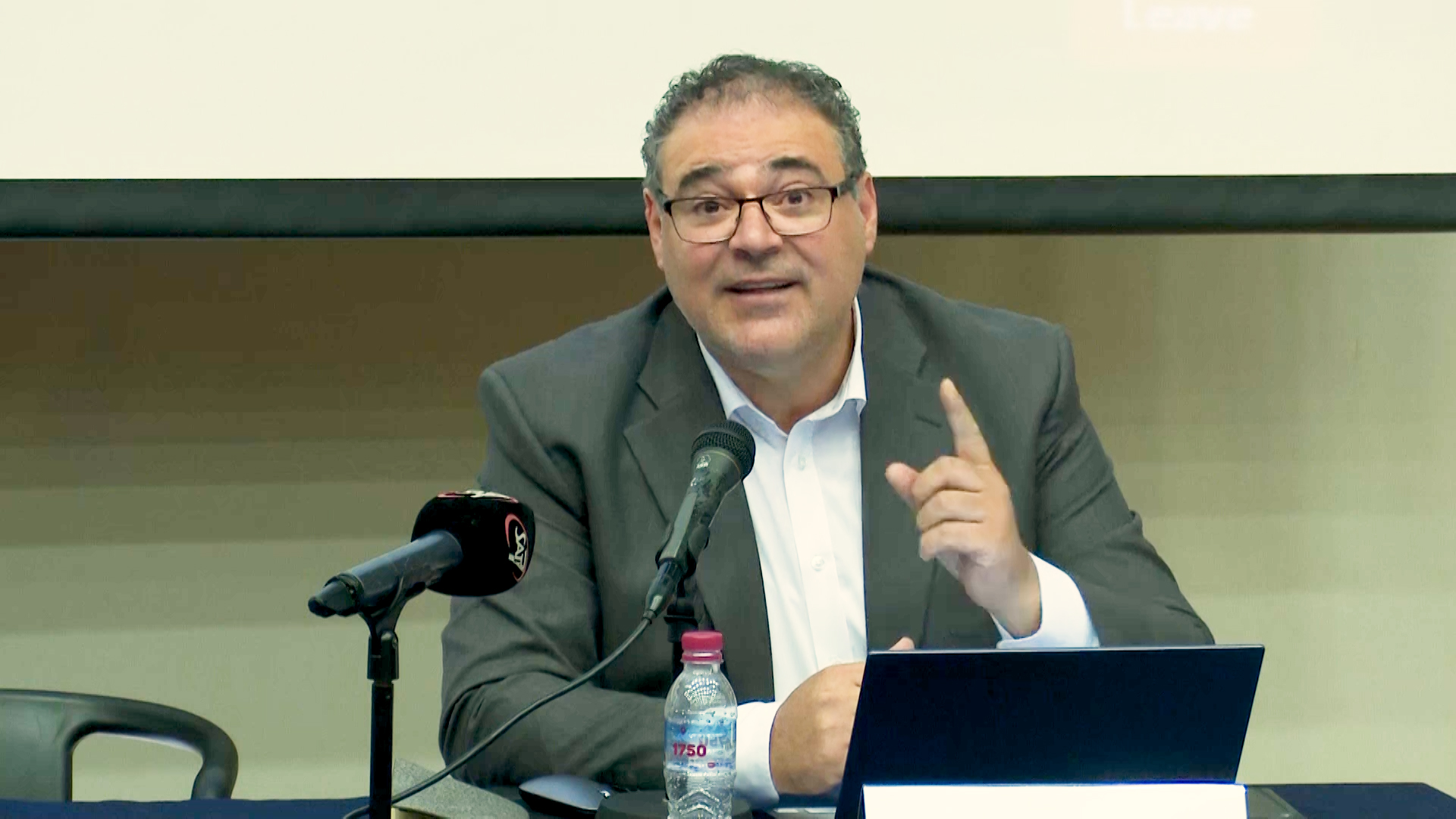
Lecture given in the framework of the webinar “Islam and Otherness – Focus Lebanon” held on 13 April 2021 in opening of the 3rd International Congress of the PLURIEL network.
Argument : Comment les musulmans se représentaient-ils l’autre? Voici un questionnement surchargé d’histoire, de mémoire et d’identité islamique narrative difficile à décoder. Quatorze longs siècles riches de conquêtes et de défaites, d’inclusion et d’exclusion, de tolérance et d’intolérance. Comprendre le rapport normatif et sociologique de l’islam vis-à-vis de ses altérités médiévales et contemporaines, implique nécessairement l’interrogation de l’immense corpus théologique et juridique à l’âge classique. Dans ce cadre, l’exploration non seulement du texte mais aussi du contexte s’impose. Car, depuis la naissance de la dernière religion monothéiste en Arabie, en passant par l’expansion de l’empire et l’âge d’or oscillant entre Bagdad et Cordoue, jusqu’à l’établissement de l’empire ottoman; la perception de l’altérité non islamique est passée par plusieurs phases. Or, le mécanisme arabo-musulman de la transmission mémorielle, privilégie en premier lieu la conscience collective de l’appartenance à la communauté islamique. Ceci, rend les imbrications entre le corpus normatif, les réalités sociales et le modus vivendi de la gestion de l’autre, ainsi que les représentations imaginaires de celui-ci difficiles à discerner.
Conférence donnée dans le cadre du webinaire “Islam et altérité – Focus Liban” qui s’est tenu le 13 avril 2021 en ouverture du 3è congrès international du réseau PLURIEL.
السؤال الجدلي: كيف كان يمثّل المسلمون الطرف الآخر؟ إليكم سؤال غنيّ بالتاريخ، والذاكرة والهوية السرديّة الإسلاميّة التي يصعب فكّ رموزها. أربعة عشر عامًا مليئة بالغزوات والهزائم، والإدماج والاستبعاد، والتسامح وعدم التسامح. إنّ فهم العلاقة المعياريّة والاجتماعيّة بين الإسلام والغيريّة في القرون الوسطى والغيريّة المعاصرة، يستلزم بشكل حتمي البحث في المدوّنة الدينيّة والقضائيّة في العصر الكلاسيكي. وفي هذا الإطار، يتوجّب علينا استكشاف كلّ من النصوص وسياقاتها أيضًا، ذلك أنّه، منذ نشأة الديانة الموحّدة الأخيرة في الجزيرة العربيّة، مرورًا بتوسّع الإمبراطوريّة والعصر الذهبي الذي تراوح بين بغداد وقرطبة، إلى حين نشأة الإمبراطورية العثمانيّة؛ مرّ مفهوم الغيريّة غير الإسلاميّة بمراحل عدّة. إلّا أنّ الآليّة العربيّة الإسلاميّة المتّبعة من أجل الانتقال في الذاكرة، تضع في المقام الأول الوعي الجماعي للانتماء إلى المجتمع الإسلامي، الأمر الذي يجعل من الصلات بين المدوّنة المعياريّة، والوقائع الاجتماعيّة والعمل معًا للتعامل الطرف الآخر، بالإضافة إلى التمثيل الخيالي لهذا الأخير، أمرًا يصعب تمييزه.
أُلقيت هذه المحاضرة في إطار الحلقة الدراسية الشبكية بعنوان الإسلام والغيريّة التي عُقدت في 13 نيسان/ أبريل 2021.


Resources of this researcher

videos
The Question of Otherness in Classical Islam
Argument: How did Muslims represent the other? Here is a questioning overloaded with history, memory and narrative Islamic identity difficult to decode. Fourteen long centuries of conquests and def...
article
The Ḏhimmī as the Other of Multiple Convivencias in al-Andalus
The figure of ḏhimmī is certainly the most emblematic juristic figure in the history of Islamic law. Strangely, it also has the juristic status of being the most ambiguous and complex, as it lacks a ...
article
The Law of the Other
Abstract As the Other is indispensable for the construction of self-identity and collective identity, the question of the Other is viscerally linked not only to the question of identity but also...
Resources related to Religious Pluralism
article
Wael Saleh: “Recognising Without Confining, to Better ‘De-other’ the Public Debate”
- Wael Saleh
In an op-ed published on 20 July 2026 by Le Devoir, Wael Saleh, a member of the scientific committee of Pluriel, puts forward a new concept for contemporary democratic debate: "de-othering" (in Fre...

article
Leo XIV’s encyclical Magnifica Humanitas and the Pluriel working group on AI-assisted interreligious dialogue
- Wael Saleh
Text by Wael Saleh, researcher at the Université du Québec à Montréal (UQAM) and member of the Pluriel coordination committee. The simultaneous appearance of Leo XIV's encyclical Magnifica Human...
videos
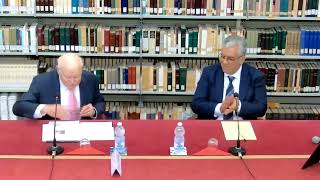
Interreligious Dialogue and Ethnic Nationalisms in the Balkans
At the invitation of PISAI (Pontifical Institute for Arabic and Islamic Studies, Rome) and Georgetown University, Ahmet Alibašić, professor of Islamic civilization at the Faculty of Islamic Studies...
publication
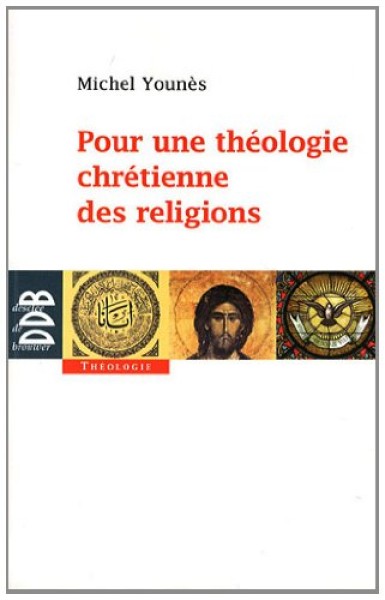
For a Christian Theology of Religions
- Michel Younès
Faced with contemporary religious diversity, how can Christian theology make sense of the place that other religions occupy in God’s design? Michel Younès examines the three traditional ̶...
publication
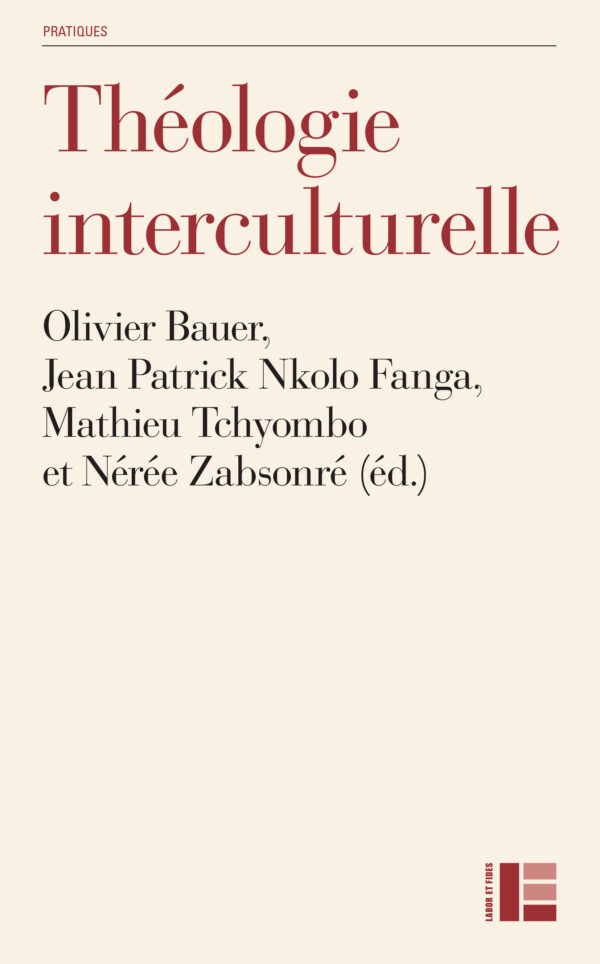
Intercultural Theology
- Jean Patrick Nkolo Fanga
Because every theology is culturally situated, Christian theology is inevitably multicultural. Yet one step remains to be taken: to become intercultural. Crossing languages, contexts, origins, ages...
publication
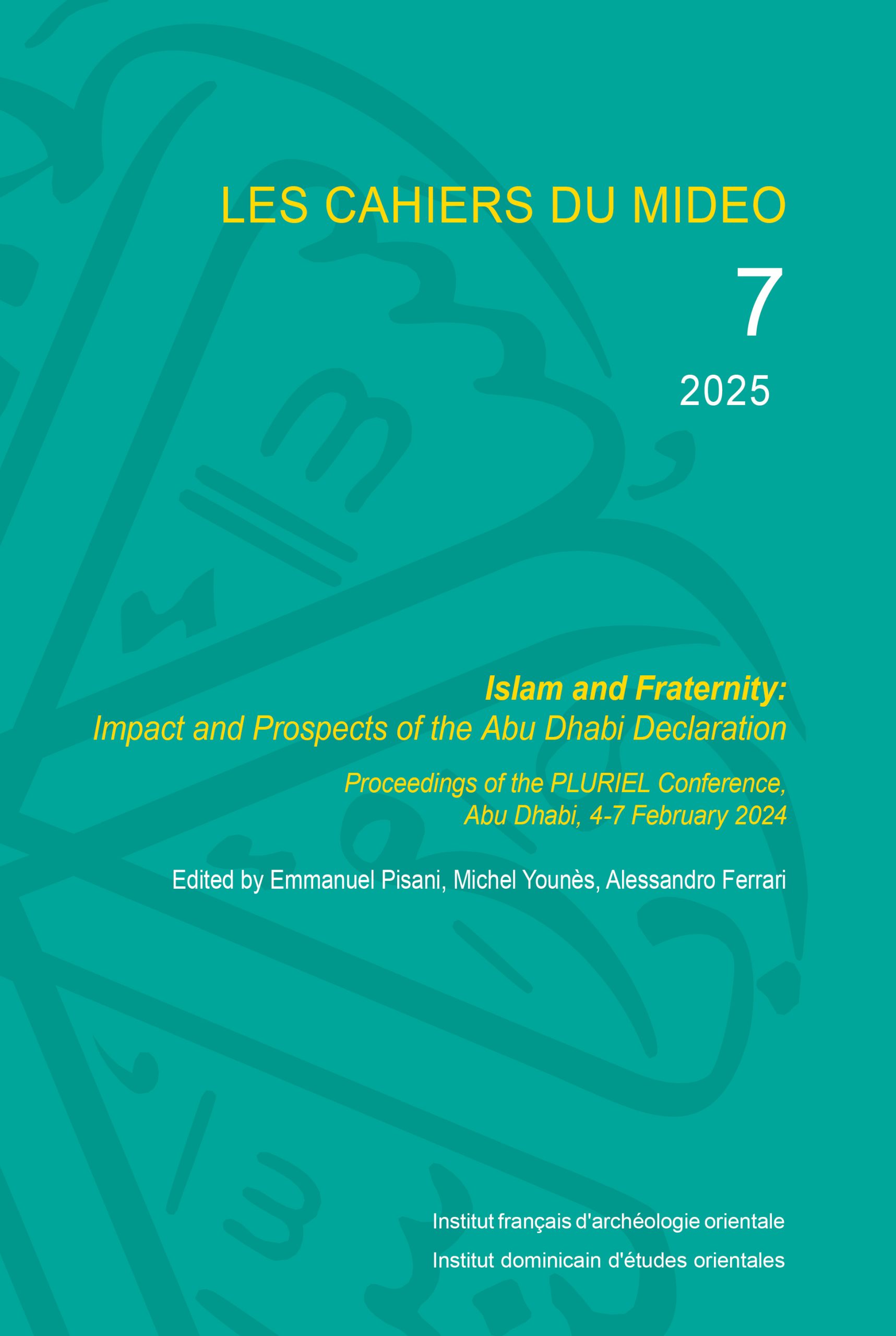
Islam and Fraternity: Impact and Prospects of the Abu Dhabi Declaration
The volume dedicated to the conference “Islam and Fraternity”, held in Abu Dhabi from February 4 to 7, 2024, under the auspices of the PLURIEL network, in partnership with Trends, a research center...
publication
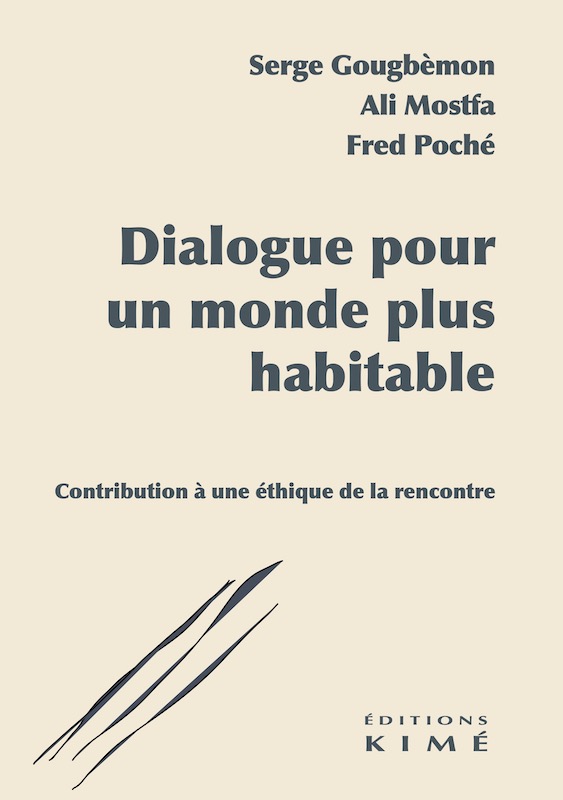
Dialogue for a More Livable World: Toward an Ethics of Encounter
- Mohamed-Ali Mostfa
How can we live in a climate of mistrust, trapped in identity-based withdrawal, and paralyzed by an uncertain future? On what basis can we open new paths to ease suffering—perhaps even reenchant ou...
videos
Inaugural Lecture for the Chair in Mediterranean Studies, Religions and Societies
- Dominique Avon
Lecture given by Professor Dominique Avon on October 13, 2025, at the Pontifical Institute for Arabic and Islamic Studies (PISAI).