

French

Ethics and aesthetics in the art galleries of Zamalek
Paper presented at the fifth international congress of the University Platform for Research on Islam (Pluriel), held in Cordoba from 10 to 14 February 2026 on the theme “Ethics and Aesthetics in Islam”. Emmanuel Pisani (Dominican Institute for Oriental Studies, IDEO, Cairo) spoke as part of Theme 2 — Aesthetics, ethics and everyday life: prohibitions, representations and practices.
Summary of the paper
This paper proposes to address the way in which the ethics and aesthetics of Islamic heritage are being reinvented in contemporary art through a case study grounded in the exhibitions of the art galleries of Zamalek, the cultural epicentre of Cairo. Through, in particular, the works exhibited by Mohamed Hasan, Rana Chalabi or Katherine Bakhoum, the paper analyses the visual expressions of Muslim spirituality and asks how Islamic heritage inspires the approach of these artists. What dialogues do they set up between tradition and modernity? How do they translate Islamic concepts into contemporary media? What dialogues are established between the sacred and the profane? By combining iconographic analysis with interviews conducted with actors of the milieu, the paper thus questions the place of Islamic faith in an artistic space perceived as secularised, and brings to light a subtle but significant reappropriation of Islamic heritage and its resonance with contemporary ethical sensibilities.
Read the panel synthesis by Abdulrahman Usama Mahmoud
This synthesis was written in the aftermath of the congress by Abdulrahman Usama Mahmoud, under the Pluriel student-fellowship programme. It covers all three papers of the panel.
Ethics, Aesthetics and Religious Norms: Artistic and Bodily Practices in Contemporary Muslim Societies
On 12 February 2026 in Cordoba, the panel of the second theme of the congress convened under the chairmanship of Ali Mostfa. Three papers were presented: one on the “new veils” in Tunisia, another on the thought of Nasr Hamid Abu Zayd, and a third on the art galleries of Zamalek in Cairo. Drawing on sociology, Islamic studies, art history and philosophy, these contributions all began from the same question: how do artistic, sartorial and bodily practices allow individuals to negotiate their relationship to religious norms? This synthesis seeks to restore the exchanges of the day.
The three speakers shared a common refusal: reducing Islam to a list of prohibitions. Such a reading, even when it claims to be critical, ends up missing what is actually happening in Muslim societies — namely a constant negotiation between what tradition prescribes and what individuals live, feel and choose. Egypt and Tunisia, the two contexts examined, are not alike. Their political and religious histories differ, as does their relationship to the body. Yet in both cases, something similar can be observed: individuals investing spaces — art galleries, sartorial choices, calligraphic practices — in order to inhabit their relationship to the religious norm differently, without rejecting it.
Clémence Guinot (PISAI, Rome) worked on Abu Zayd. Her contribution offered one of the panel’s most fertile hypotheses: art, by its very nature, resists the fixation of meaning. Where politicised religious discourses seek to impose a single reading of the sacred text — what Abu Zayd called the “closure of meaning” — the work of art produces on the contrary a plurality of possible interpretations. This ambiguity is not a flaw to be corrected; it is precisely what makes art a space of resistance, discreet but real, against attempts at uniformisation. Emmanuel Pisani (IDEO, Cairo) illustrated this through the galleries of Zamalek. The artists of that Cairene neighbourhood play with the Islamic repertoire — calligraphy, Sufism, Qur’anic references — but submit it to a work of formal transformation. The case of “meta-calligraphy” is particularly telling: by rendering the sacred text visually illegible, these artists do not deny it — they transform it into a sensory experience. The divine word ceases to be a rule and becomes a vehicle of interiority. This is neither rupture nor submission; the stance resists any univocal categorisation. Henda Ghribi (Faculty of Human and Social Sciences of Tunis), for her part, worked on the veil in Tunisia. The women she interviewed recognise themselves neither in the feminist discourse that sees in it a submission, nor in the Islamist discourse that would make it the sign of a homogeneous collective identity. They insist on one thing: no text prescribes a precise sartorial model. It is in this space of indeterminacy that they improvise — to use a term that would probably suit them — a practice weaving together Islamic modesty, contemporary taste and self-affirmation.
What links these three papers is, in the end, a single shift: from the normative to the sensible. The artists of Zamalek move away from canonical prayer towards Sufi figures. The Tunisian hijab becomes less the application of a rule than the expression of an “inner disposition”. This displacement speaks to something broader in the way individuals inhabit their religious belonging today.
The discussion was lively. Several points of tension emerged, though none were resolved. The first concerned the nature of choice. Is wearing a “modern veil” truly a reflexive act? Or does one reproduce, in a new form, a conformity to an order that has not been genuinely interrogated? The room did not reach agreement, and the question remains open. A second point raised the social reach of these practices. Art galleries, academic discourse, international networks: all this circulates within milieus already endowed with cultural resources. What of elsewhere? The question of how these forms of expression resonate in popular classes or more conservative milieus remains entire. Several participants also mentioned an Anglo-Saxon cultural hegemony that sometimes imposes itself on connected elites without producing the effects of emancipation it promises. Post-2011 Tunisia was likewise at the heart of a debate. The appearance of the niqab after the revolution gave rise to opposing readings: a freedom regained after years of sartorial repression, or the installation of a politico-religious discourse dressed up as personal choice? The two interpretations coexist, and neither imposes itself clearly. Finally, a structural question was raised, perhaps the most unsettling of all: do these spaces of aesthetic freedom not produce their own norms? The Tunisian study shows it clearly: some women come to judge the sincerity of others’ modesty, creating new conflicts within the very communities they inhabit. Liberation through aesthetics does not abolish the boundaries of the norm — it displaces them.
This panel will have contributed to shifting the gaze: rather than assessing whether these practices are “truly” free or “truly” compliant, it is a matter of understanding what they make possible and what they produce. Art, dress and bodily gesture do not stand opposed to religious norms — they work them from within, reinterpreting their margins.
Communication présentée lors du cinquième congrès international de la Plateforme universitaire de recherche sur l’islam (PLURIEL), tenu à Cordoue du 10 au 14 février 2026 sur le thème « Éthique et esthétique en islam ». Emmanuel Pisani (Institut dominicain d’études orientales (IDEO, Le Caire)) est intervenu dans le cadre de l’Axe 2 — Esthétique, éthique et vie quotidienne : interdits, représentations et pratiques.
Résumé de la communication
Cette communication propose d’aborder la manière dont l’éthique et l’esthétique du patrimoine islamique se réinventent dans l’art contemporain par une étude de cas à la lumière des expositions de galeries d’art de Zamalek, épicentre culturel du Caire. À travers notamment les œuvres exposées de Mohamed Hasan, Rana Chalabi ou Katherine Bakhoum, il s’agira d’analyser les expressions visuelles de la spiritualité musulmane, et de se demander comment le patrimoine islamique inspire la démarche de ces artistes. Quels dialogues instaurent-ils entre tradition et modernité ? Comment traduisent-ils des concepts islamiques dans des médiums contemporains ? Quels dialogues s’établissent entre le sacré et le profane ? En croisant l’analyse iconographique et des entretiens conduits avec les acteurs du milieu, notre communication interrogera ainsi la place de la foi islamique dans un espace artistique perçu comme sécularisé, révélant ainsi une réappropriation subtile mais significative de l’héritage islamique et leur résonance avec les sensibilités éthiques contemporaines.
Lire la synthèse du panel rédigée par Abdulrahman Usama Mahmoud
Cette synthèse a été rédigée à la suite du congrès par Abdulrahman Usama Mahmoud, dans le cadre du programme de bourses étudiantes de PLURIEL. Elle couvre l’ensemble des communications du panel.
Éthique, esthétique et normes religieuses : les pratiques artistiques et corporelles dans les sociétés musulmanes contemporaines
Éthique, esthétique et normes religieuses : les pratiques artistiques et corporelles dans les sociétés musulmanes contemporaines Le 12 février 2026 à Cordoue, le panel de l’axe 2 du colloque s’est réuni sous la présidence d’Ali Mostafa. Trois communications y ont été présentées : l’une sur les « nouveaux voiles » en Tunisie, une autre sur la pensée de Nasr Hamid Abu Zayd, et une dernière sur les galeries du Zamalek au Caire. Ces travaux, issus de la sociologie, de l’islamologie, de l’histoire de l’art et de la philosophie, partaient tous de la même interrogation : comment des pratiques artistiques, vestimentaires et corporelles permettent-elles de négocier le rapport aux normes religieuses ? Cette synthèse tente de restituer les échanges de la journée.
Les trois intervenants partageaient un même refus : celui de réduire l’islam à une liste d’interdictions. Ce type de lecture, même quand elle se veut critique, finit par rater ce qui se passe vraiment dans les sociétés musulmanes c’est-à-dire une négociation constante entre ce que la tradition prescrit et ce que les individus vivent, ressentent et choisissent. L’Égypte et la Tunisie, les deux contextes retenus, ne se ressemblent pas. Leurs histoires politiques et religieuses diffèrent, leur rapport au corps aussi. Mais dans les deux cas, on observe quelque chose de similaire : des individus qui investissent des espaces galeries d’art, choix vestimentaires, pratiques calligraphiques pour vivre leur rapport à la norme religieuse autrement, sans pour autant la rejeter.
Clémence Guinot (PISAI, Rome) a travaillé sur Abu Zayd. Cette contribution propose l’une des hypothèses les plus fécondes du panel : l’art, par nature, résiste à la fixation du sens. Là où les discours religieux politisés cherchent à imposer une lecture unique du texte sacré ce qu’Abu Zayd appelait la « fermeture du sens » , l’œuvre d’art produit au contraire une pluralité d’interprétations possibles. Cette ambiguïté n’est pas un défaut à corriger ; c’est précisément ce qui fait de l’art un espace de résistance, discret mais réel, face aux tentatives d’uniformisation. Emmanuel Pisani (IDEO, Le Caire) a illustré cela à travers les galeries du Zamalek. Les artistes de ce quartier du Caire jouent avec le répertoire islamique calligraphie, soufisme, références coraniques mais le soumettent à un travail de transformation formelle. Le cas de la « méta- calligraphie » est particulièrement parlant : en rendant le texte sacré visuellement illisible, ces artistes ne le nient pas, ils le transforment en expérience sensorielle. La parole divine cesse d’être une règle pour devenir un vecteur d’intériorité. Ce n’est ni une rupture ni une soumission ; Cette posture résiste à toute catégorisation univoque. Henda Ghribi (Faculté des Sciences Humaines et Sociales de Tunis) a quant à elle travaillé sur le voile en Tunisie. Les femmes qu’elle a interrogées ne se reconnaissent ni dans le discours féministe qui y voit une soumission, ni dans le discours islamiste qui en ferait le signe d’une identité collective homogène. Elles insistent sur une chose : aucun texte ne leur impose un modèle vestimentaire précis. C’est dans cet espace d’indétermination qu’elles bricolent pour reprendre un terme qui leur conviendrait sans doute une pratique qui mêle pudeur islamique, goût contemporain et affirmation de soi.
Ce qui relie ces trois communications, c’est finalement un même glissement : du normatif vers le sensible. Les artistes du Zamalek délaissent la prière canonique pour les figures soufies. Le hijab tunisien devient moins l’application d’une règle que l’expression d’une « disposition intérieure ». Ce déplacement dit quelque chose de plus large sur la manière dont les individus habitent aujourd’hui leur appartenance religieuse.
La discussion a été animée. Plusieurs points de tension ont émergé, sans être tranchés. Le premier portait sur la nature du choix. Porter un « voile moderne » est-ce vraiment un acte réflexif ? Ou reproduit-on, sous une forme nouvelle, une conformité à un ordre qu’on n’a pas vraiment interrogé ? La salle ne s’est pas accordée là-dessus, et La question demeure ouverte. Le deuxième point soulevé était celui de la portée sociale de ces pratiques. Galeries d’art, discours académique, réseaux internationaux : tout cela circule dans des milieux déjà dotés de ressources culturelles. Qu’en est-il ailleurs ? La question de la résonance de ces formes d’expression dans les classes populaires ou les milieux plus conservateurs reste entière. Plusieurs participants ont également mentionné une hégémonie culturelle d’inspiration anglo- saxonne qui s’impose parfois aux élites connectées sans produire les effets d’émancipation qu’elle promet. La Tunisie post-2011 a également été au cœur d’un débat. L’apparition du niqab après la révolution a suscité des lectures opposées : liberté retrouvée après des années de répression vestimentaire, ou installation d’un discours politico-religieux qui se présente sous les dehors du choix personnel ? Les deux interprétations coexistent, et aucune ne s’impose clairement. Enfin, une question structurelle a été posée, peut-être la plus dérangeante : ces espaces de liberté esthétique ne produisent-ils pas leurs propres normes ? L’étude tunisienne le montre bien : des femmes en viennent à juger la sincérité de la pudeur des autres, créant de nouveaux conflits au sein même des communautés. La libération par l’esthétique ne supprime pas les frontières de la norme elle les déplace.
Ce panel aura contribué à déplacer le regard : plutôt que d’évaluer si ces pratiques sont « vraiment » libres ou « vraiment » conformes, il s’agit de comprendre ce qu’elles rendent possible et ce qu’elles produisent. L’art, le vêtement, le geste corporel ne s’opposent pas aux normes religieuses ils les travaillent de l’intérieur, en en réinterprétant les marges.
مداخلةٌ قُدّمت في المؤتمر الدوليّ الخامس للمنصّة الجامعيّة للدراسات حول الإسلام (Pluriel)، المنعقد في قرطبة من 10 إلى 14 فبراير 2026 حول موضوع «الأخلاق والجماليّة في الإسلام». تدخّل إمانويل بيزاني (المعهد الدومنيكيّ للدراسات الشرقيّة، القاهرة) في إطار المحور الثاني — الجماليّة والأخلاق والحياة اليوميّة: المحرّمات والتمثّلات والممارسات.
ملخّص المداخلة
تقترح هذه المداخلة تناولَ الطريقة التي يُعاد بها ابتكارُ الأخلاق والجماليّة للتراث الإسلاميّ في الفنّ المعاصر، من خلال دراسة حالةٍ في ضوء معارض قاعات الفنّ في حيّ الزمالك، المركز الثقافيّ للقاهرة. وسيجري تحليل التعبيرات البصريّة للروحانيّة الإسلاميّة انطلاقًا من أعمالٍ عرضها بخاصّة محمّد حسن، ورنا الشلبي، وكاترين باخوم؛ والتساؤل عن كيفيّة استلهام هؤلاء الفنّانين للتراث الإسلاميّ. أيّ حواراتٍ يُقيمون بين التقليد والحداثة؟ كيف يُترجمون المفاهيم الإسلاميّة في وسائطَ معاصرة؟ وأيّ حواراتٍ تقوم بين المقدَّس والدنيويّ؟ وبتقاطعها بين التحليل الأيقونيّ والمقابلات المُنجزة مع فاعلي الوسط، تُساءل المداخلةُ مكانةَ الإيمان الإسلاميّ في فضاءٍ فنّيّ يُتصوَّر علمانيًّا، مُبرِزةً إعادةَ استيعابٍ خفيّةٍ ولكنّها بليغة للإرث الإسلاميّ، ورنينَه مع الحساسيّات الأخلاقيّة المعاصرة.
اقرأ ملخّص لوحة النقاش بقلم عبد الرحمن أسامة محمود
حرّر هذا الملخّص إثر انعقاد المؤتمر عبد الرحمن أسامة محمود، ضمن برنامج المنح الطلاّبيّة للمنصّة الجامعيّة للدراسات حول الإسلام (Pluriel). ويغطّي مجموع مداخلات لوحة النقاش الثلاث.
الأخلاق والجماليّة والمعايير الدينيّة: الممارسات الفنيّة والجسديّة في المجتمعات الإسلاميّة المعاصرة
في 12 فبراير 2026 بقرطبة، انعقدت لوحة النقاش الخاصّة بالمحور الثاني من المؤتمر برئاسة علي مصطفى. عُرضت فيها ثلاث مداخلات: الأولى حول «الحجاب الجديد» في تونس، والثانية حول فكر نصر حامد أبو زيد، والثالثة حول قاعات الفنّ في حيّ الزمالك بالقاهرة. وقد انطلقت هذه الأعمال، المستمدّة من علم الاجتماع والدراسات الإسلاميّة وتاريخ الفنّ والفلسفة، من تساؤلٍ واحد: كيف تُتيح الممارسات الفنيّة والحُلليّة والجسديّة التفاوضَ مع المعايير الدينيّة؟ ويحاول هذا الملخّص استعادة نقاشات اليوم.
إنّ ما جمَع بين المتدخّلين الثلاثة رفضٌ مشترك: رفض اختزال الإسلام في قائمةٍ من المحرّمات. فمثل هذه القراءة، حتّى وإن ادّعت النقديّة، تُخفق في التقاط ما يجري فعلاً في المجتمعات الإسلاميّة، أي تفاوضٍ متواصلٍ بين ما يفرضه التقليد وما يعيشه الأفراد ويشعرون به ويختارونه. أمّا مصر وتونس، السياقان المدروسان، فلا يتشابهان: تختلف تواريخُهما السياسيّة والدينيّة، وتختلف علاقتهما بالجسد كذلك. بيدَ أنّ المرء يُلاحظ في الحالتَين شيئًا متشابهًا: أفرادٌ يستثمرون فضاءات — قاعات فنّ، خيارات حُلليّة، ممارسات خطّيّة — بغية عيش صلتهم بالمعيار الدينيّ بشكلٍ مغاير، من دون رفضه.
تناولت كليمانس غينو (المعهد البابويّ للدراسات العربيّة والدراسات الإسلاميّة، روما) فكرَ أبو زيد. وقدّمت مساهمتُها إحدى أخصب فرضيّات اللوحة: إنّ الفنّ يقاوم، بطبيعته، تثبيتَ المعنى. فحيث تسعى الخطابات الدينيّة المُسيَّسة إلى فرض قراءةٍ وحيدة للنصّ المقدّس — ما أسماه أبو زيد «إغلاق المعنى» — يُنتج العملُ الفنّيّ، على العكس، تعدّديّةً من التأويلات الممكنة. وهذا الغموض ليس عيبًا يجب تصويبه، بل هو تحديدًا ما يجعل الفنّ فضاءَ مقاومةٍ، خفيّةٍ وواقعيّة في آنٍ معًا، في وجه مساعي التوحيد. وقد بيّن إمانويل بيزاني (المعهد الدومنيكيّ للدراسات الشرقيّة، القاهرة) ذلك من خلال قاعات الزمالك: يلعب فنّانو هذا الحيّ القاهريّ بالمرجعيّة الإسلاميّة — الخطّ، والتصوّف، والإحالات القرآنيّة — غير أنّهم يُخضعونها لتحوّلٍ شكليّ عميق. وحالة «الخطّ ما فوق الخطّ» بليغةٌ بشكلٍ خاصّ: فحين يُصبح النصّ المقدّس مقروءًا بصريًّا بصعوبة، لا يُنكره هؤلاء الفنّانون، بل يُحوّلونه إلى تجربةٍ حسّيّة. تتوقّف الكلمة الإلهيّة عن كونها قاعدة، لتصير ناقلًا للحميميّة. إنّها ليست قطيعةً ولا خضوعًا: هذه الوقفة تأبى كلّ تصنيفٍ أحاديّ. أمّا هندة غريبي (كليّة العلوم الإنسانيّة والاجتماعيّة، تونس)، فقد اشتغلت على مسألة الحجاب في تونس. النساء اللواتي حاورتهنّ لا يجدن أنفسهنّ لا في الخطاب النسويّ الذي يرى فيه خضوعًا، ولا في الخطاب الإسلاميّ الذي يجعله علامةَ هويّةٍ جماعيّةٍ متجانسة. يُصررن على أمرٍ واحد: لا نصَّ يفرض عليهنّ نموذجًا حُلليًّا بعينه. وفي فضاء الإبهام هذا يَنسجن — إن جاز استخدام مصطلحٍ يوافقهنّ — ممارسةً تجمع بين الحياء الإسلاميّ والذوق المعاصر وتأكيد الذات.
وما يربط بين هذه المداخلات الثلاث، في نهاية المطاف، انزلاقٌ واحد: من المعياريّ إلى الحسّيّ. فيهجر فنّانو الزمالك الصلاةَ القانونيّة نحو الشخصيّات الصوفيّة. ويصير الحجاب التونسيّ أقلَّ تطبيقًا لقاعدةٍ منه تعبيرًا عن «استعدادٍ داخليّ». وهذا الانزياح يقول شيئًا أوسع عن الطريقة التي يعيش بها الأفراد اليوم انتماءهم الدينيّ.
كان النقاش حيًّا. وقد برزت نقاطُ توتّرٍ عدّة، من دون أن يُبتّ فيها. أوّلها تعلّق بطبيعة الاختيار: هل ارتداء «حجابٍ حديث» فعلٌ تأمّليّ حقًّا؟ أم أنّ المرء يُعيد إنتاج، في شكلٍ جديد، امتثالًا لنظامٍ لم يُستجوَب فعلاً؟ لم تتّفق القاعة على ذلك، ويبقى السؤال مفتوحًا. أمّا النقطة الثانية فطرحت مسألة الأثر الاجتماعيّ لهذه الممارسات: فقاعات الفنّ، والخطاب الأكاديميّ، والشبكات الدوليّة، كلّ ذلك يدور في أوساطٍ تحظى أصلاً بموارد ثقافيّة. فماذا عن غيرها؟ يبقى السؤال قائمًا عن صدى هذه الأشكال التعبيريّة في الأوساط الشعبيّة أو الأكثر محافظة. وأشار مشاركون كذلك إلى هيمنةٍ ثقافيّة ذات إلهامٍ أنجلوسكسونيّ، تُفرض أحيانًا على النخب المتّصلة من دون أن تُحدث ما تعد به من آثار التحرّر. وكانت تونس ما بعد 2011 كذلك في صميم النقاش: أثار ظهور النقاب بعد الثورة قراءاتٍ متعارضة، تراوحت بين حريّةٍ مستعادة إثر سنواتٍ من القمع الحُلليّ، وترسيخٍ لخطابٍ سياسيّ-دينيّ يتزيّا بزيّ الاختيار الشخصيّ. تتعايش القراءتان، ولا تفرض إحداهما نفسها بوضوح. وأخيرًا، طُرح سؤالٌ بنيويّ ربّما هو الأكثر إحراجًا: ألا تُنتج فضاءاتُ الحريّة الجماليّة هذه معاييرَها الخاصّة؟ تُبيّن الدراسة التونسيّة ذلك جيّدًا: تصل بعض النساء إلى الحكم على صدق حياء الأخريات، مُنتِجاتٍ صراعاتٍ جديدةً في قلب المجتمعات نفسها. فالتحرّر بالجماليّ لا يُلغي حدود المعيار — بل يُزحزحها.
أسهمت هذه اللوحة في إزاحة النظر: بدلاً من تقييم ما إذا كانت هذه الممارسات «حقًّا» حرّة أو «حقًّا» مطابِقة، يتعلّق الأمر بفهم ما تُتيحه وما تُنتجه. فالفنّ واللباس والحركة الجسديّة لا تقف في وجه المعايير الدينيّة — بل تشتغل عليها من الداخل، مُعيدةً تأويل هوامشها.


Resources of this researcher
Resources related to Islam Studies
article
Kenneth Cragg and the Event of the Qur’an
- Timo Güzelmansur
Article by Timo Güzelmansur published under the title Kenneth Cragg und das Ereignis des Koran on the theological portal feinschwarz.net (12 June 2026, open access). Timo Güzelmansur presents the A...
publication
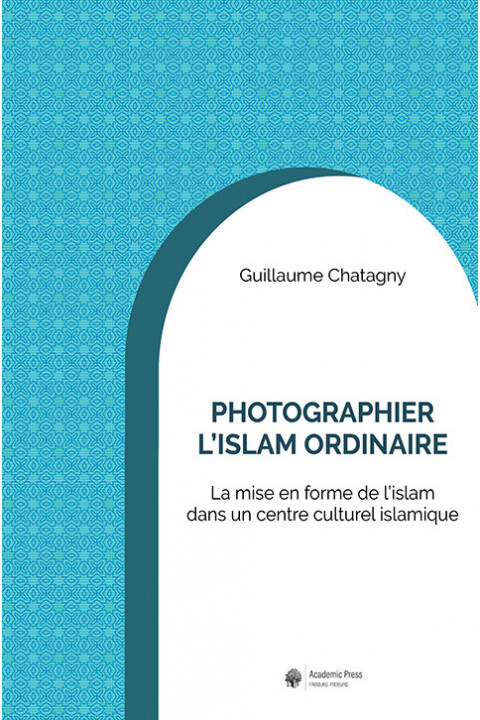
Photographing Ordinary Islam
- Guillaume Chatagny
What does Islam concretely look like within a Muslim association? This is the question addressed by sociologist Guillaume Chatagny in this book, based on fieldwork conducted between 2017 and 2021 w...

article
Leo XIV’s encyclical Magnifica Humanitas and the Pluriel working group on AI-assisted interreligious dialogue
- Wael Saleh
Text by Wael Saleh, researcher at the Université du Québec à Montréal (UQAM) and member of the Pluriel coordination committee. The simultaneous appearance of Leo XIV's encyclical Magnifica Human...
videos
From Lavigerie to PISAI: The Institutional History of the Missionaries of Africa’s Engagement with Islam
Delivered on 21 May 2026 at the Pontifical Institute for Arabic and Islamic Studies (PISAI) in Rome, this lecture opens the series of conferences marking the institute's centenary (1926-2026). Fr. ...
publication
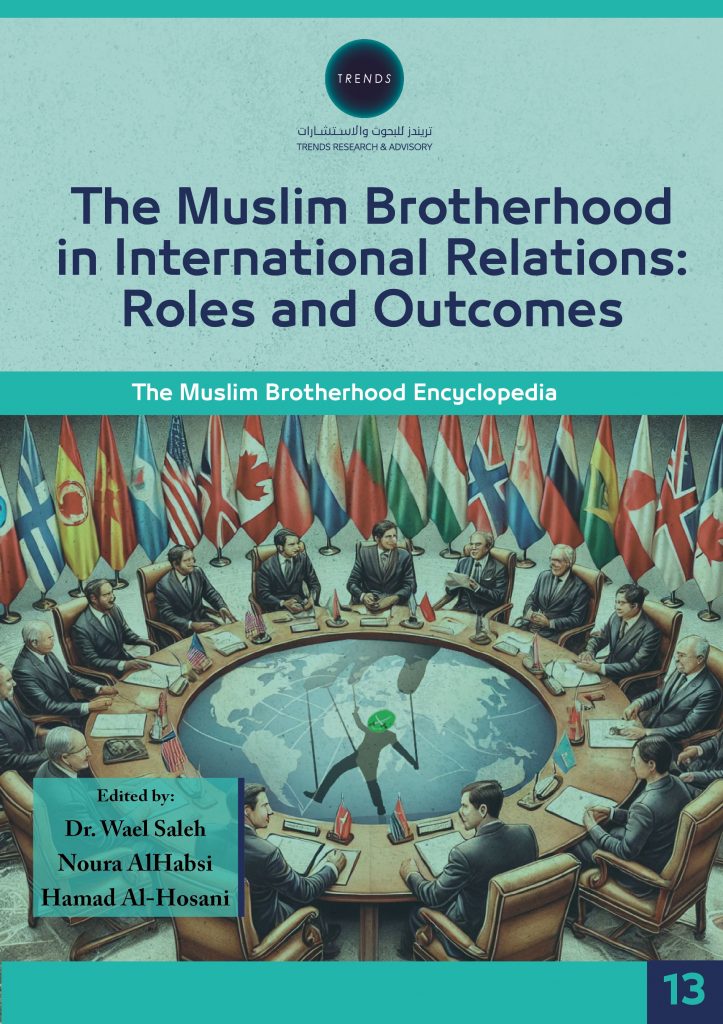
The Muslim Brotherhood in International Relations: Roles and Outcomes
- Wael Saleh
In this book published by TRENDS Research & Advisory (Abu Dhabi, May 2026), Wael Saleh, a member of Pluriel‘s coordination committee, examines the place and modes of action of the Muslim ...
videos
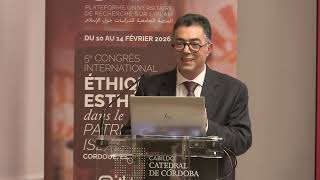
Opening address of the Cordoba congress
- Michel Younès
On Tuesday 10 February 2026 in Cordoba, Michel Younès, general coordinator of Pluriel and dean of the Faculty of Theology of the Catholic University of Lyon (UCLy), delivered the opening address of...
publication
Islam and Muslims. Doctrines, Schools of Thought, and Current Trends
- Michel Younès
Publication date: April 16, 2026. Islam, as a historical, religious, and civilizational reality, is difficult to define. It can be perceived as a form of political governance, an expression of fait...
publication
Canon and Censorship in Islamic Intellectual History
- Amir Dziri
Published in De Gruyter’s series “Islam: Thought, Culture, and Society” (vol. 16, 2026), this collective volume is edited by Mohammad Gharaibeh and Bacem Dziri (Humboldt University of Berlin)...