
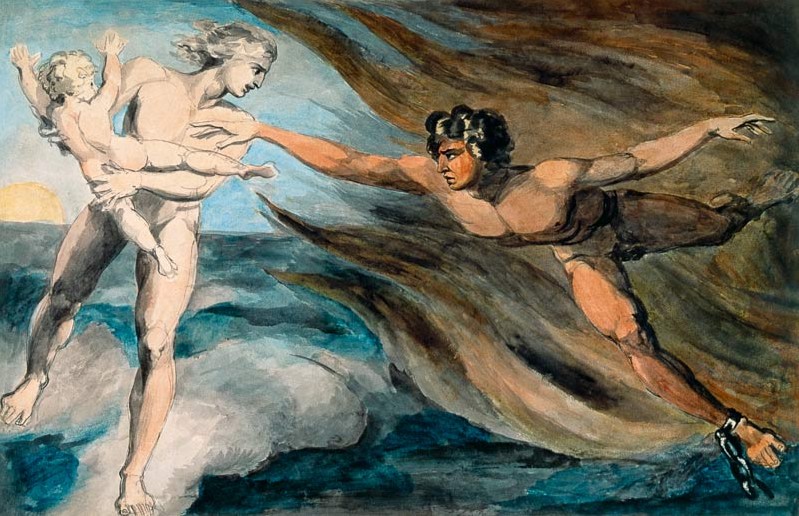
Call for Papers: “Evil between Providence, Will, and Reality”, a Conference at the USJ Institute of Oriental Studies
The Institute of Oriental Studies (ILO) of Saint Joseph University of Beirut (USJ), a partner institution of Pluriel, is holding an international conference on 16 and 17 March 2027 entitled “Evil between Providence, Will, and Reality: Contemporary Philosophical Approaches”. It will take place in Beirut and online, in Arabic, French and English. Proposals are due by 1 December 2026.
The conference starts from an observation: contemporary philosophy no longer treats evil as a purely metaphysical question, tied to divine Providence and to the existence of evil in a world created by an all-good, all-powerful and all-knowing God. Alongside theodicy, still a lively field in the analytic philosophy of religion, other approaches have emerged, focusing on human will and moral responsibility, on the political and social dimensions of evil, or drawing on neuroscience and psychology. The question is whether contemporary philosophy can bring these dimensions together into a comprehensive understanding of evil, or whether each one reveals one aspect only by concealing another.
Five strands
- Evil and science: the neural and psychological foundations of moral behaviour and decision-making, in Patricia Churchland, Sam Harris, Joshua Greene or Julian Savulescu;
- Evil and God: evil in relation to faith and divine Providence, and whether its existence can be reconciled with God’s goodness, knowledge and power, through a contemporary reading of the theologians of kalām and of medieval Arab and Muslim philosophers (the Muʿtazilites, Avicenna) in the light of the questions of the “new kalām“, of contemporary Arab thinkers such as Hassan Hanafi, and of philosophers of religion such as John Hick, Alvin Plantinga, Richard Swinburne or Peter van Inwagen;
- Evil and the human being: the ethical, existential, social and political dimensions of evil, in Hannah Arendt, Martin Heidegger, Emmanuel Levinas, Paul Ricœur or André Comte-Sponville, and philosophical feminism, which has linked evil to power and gender (Claudia Card);
- Evil and knowledge: the part played by epistemic errors and mistaken judgements in causing harm and suffering (Edgar Morin, Joel Tierno);
- Evil, literature and art: how the novel, film or poem make evil felt and reveal dimensions of it beyond the reach of philosophical or scientific language.
Practical details
- Proposals: an abstract of 300 to 500 words (title, research question and outline) and a short bio-bibliographical note, to be sent to nadine.abbas@usj.edu.lb by 1 December 2026;
- Notification: 15 December 2026;
- Full papers: 22 February 2027; they will be peer-reviewed before publication in the Annales de l’Institut de lettres orientales;
- Participation: at the Institute of Oriental Studies in Beirut or online; participation and publication fee: 100 US dollars.
The scientific committee includes Toni Kahwaji, director of the ILO, and Chadi Kahwaji, lecturer and researcher at the ILO, both members of Pluriel, alongside Nadine Abbas (ILO), Georges Tamer (University of Erlangen-Nuremberg) and scholars from Lebanon, Egypt, Tunisia and Morocco. The full call, with an indicative bibliography, is available on the USJ website.
L’Institut de lettres orientales (ILO) de l’Université Saint-Joseph de Beyrouth (USJ), institution partenaire de Pluriel, organise les 16 et 17 mars 2027 un colloque international intitulé « Le mal entre Providence, volonté et réalité : approches philosophiques contemporaines ». Il se tiendra à Beyrouth et en ligne, en arabe, en français et en anglais. Les propositions de communication sont attendues jusqu’au 1er décembre 2026.
Le colloque part d’un constat : la philosophie contemporaine n’envisage plus le mal comme une question seulement métaphysique, liée à la Providence divine et à l’existence du mal dans un monde créé par un Dieu bon, tout-puissant et omniscient. À côté de la théodicée, toujours vivante dans la philosophie analytique de la religion, se sont développées des approches centrées sur la volonté humaine et la responsabilité morale, sur les dimensions politiques et sociales du mal, ou appuyées sur les neurosciences et la psychologie. La question posée est de savoir si la philosophie contemporaine peut articuler ces dimensions dans une compréhension d’ensemble du mal, ou si chacune n’en éclaire un aspect qu’en en masquant un autre.
Cinq axes
- Le mal et la science : fondements neuronaux et psychologiques du comportement moral et de la décision, chez Patricia Churchland, Sam Harris, Joshua Greene ou Julian Savulescu ;
- Le mal et Dieu : le mal face à la foi et à la Providence divine, et la possibilité de concilier son existence avec la bonté, la science et la puissance de Dieu, à travers une lecture contemporaine des théologiens du kalām et des philosophes arabes et musulmans du Moyen Âge (les muʿtazilites, Avicenne) à la lumière des questions du « nouveau kalām », des penseurs arabes contemporains comme Hassan Hanafi, et des philosophes de la religion comme John Hick, Alvin Plantinga, Richard Swinburne ou Peter van Inwagen ;
- Le mal et l’homme : dimensions éthiques, existentielles, sociales et politiques du mal, chez Hannah Arendt, Martin Heidegger, Emmanuel Levinas, Paul Ricœur ou André Comte-Sponville, et féminisme philosophique, qui a lié le mal au pouvoir et au genre (Claudia Card) ;
- Le mal et la connaissance : la part des erreurs épistémiques et des jugements erronés dans la production du tort et de la souffrance (Edgar Morin, Joel Tierno) ;
- Le mal, la littérature et l’art : comment le roman, le film ou le poème donnent à éprouver le mal et en révèlent des dimensions que n’atteignent ni le langage philosophique ni le langage scientifique.
Modalités
- Propositions : un résumé de 300 à 500 mots (titre, problématique et plan) et une brève notice biobibliographique, à envoyer à nadine.abbas@usj.edu.lb au plus tard le 1er décembre 2026 ;
- Réponse aux auteurs : 15 décembre 2026 ;
- Textes complets : 22 février 2027 ; ils seront évalués par les pairs avant publication dans les Annales de l’Institut de lettres orientales ;
- Participation : à l’Institut de lettres orientales, à Beyrouth, ou en ligne ; frais de participation et de publication : 100 dollars américains.
Le comité scientifique réunit notamment Toni Kahwaji, directeur de l’ILO, et Chadi Kahwaji, enseignant-chercheur à l’ILO, tous deux membres de Pluriel, aux côtés de Nadine Abbas (ILO), de Georges Tamer (Université d’Erlangen-Nuremberg) et de chercheurs du Liban, d’Égypte, de Tunisie et du Maroc. L’appel complet, avec sa bibliographie indicative, figure sur la page de l’USJ.
ينظّم معهد الآداب الشرقية في جامعة القديس يوسف في بيروت، وهي مؤسسة شريكة للمنصة الجامعية للدراسات حول الإسلام، مؤتمرًا دوليًّا يومَي 16 و17 آذار/مارس 2027 بعنوان «الشرّ بين العناية والإرادة والواقع: مقاربات فلسفية معاصرة»، يُعقد في بيروت وعبر الإنترنت، باللغات العربية والفرنسية والإنجليزية. وتُستقبل المقترحات حتى 1 كانون الأول/ديسمبر 2026.
وينطلق المؤتمر من أنّ الفلسفة المعاصرة لم تعد تنظر إلى الشرّ بوصفه مسألة ميتافيزيقية مرتبطة بالعناية الإلهية فحسب، ولم يعد السؤال يدور حصرًا حول تفسير وجود الشرّ في عالم خلقه إله كلّي الخير والقدرة والعلم؛ فإلى جانب الثيوديسيا، التي لا تزال ميدانًا حيًّا في الفلسفة التحليلية للدين، برزت مقاربات تركّز على الإرادة الإنسانية والمسؤولية الأخلاقية، وعلى أبعاد الشرّ السياسية والاجتماعية، أو تستعين بعلوم الأعصاب وعلم النفس. ومن هنا يسأل المؤتمر: هل يمكن للفلسفة المعاصرة أن تؤسّس فهمًا مركّبًا للشرّ يجمع هذه الأبعاد، أم أنّ كلّ مقاربة منها تكشف جانبًا وتخفي آخر؟
المحاور الخمسة
- الشرّ والعلم: الأسس العصبية والنفسية للسلوك الأخلاقي واتخاذ القرار، عند باتريشيا تشرشلاند وسام هاريس وجوشوا غرين وجوليان سافوليسكو؛
- الشرّ والله: إشكالية الشرّ في علاقتها بالإيمان بالله والعناية الإلهية، وإمكان التوفيق بين وجوده وصفات الإله من خير وعلم وقدرة، من خلال قراءة معاصرة لآراء علماء الكلام والفلاسفة العرب والمسلمين في العصر الوسيط، مثل المعتزلة وابن سينا، في ضوء أسئلة علم الكلام الجديد، وآراء المفكّرين العرب المعاصرين مثل حسن حنفي، وفلاسفة الدين المعاصرين مثل جون هيك وألفين بلانتينغا وريتشارد سوينبرن وبيتر فان إنواغن؛
- الشرّ والإنسان: الأبعاد الأخلاقية والوجودية والاجتماعية والسياسية للشرّ عند حنّة أرندت ومارتن هايدغر وإيمانويل ليفيناس وبول ريكور وأندريه كونت سبونفيل، والنسوية الفلسفية التي ربطت الشرّ بالسلطة والجندر، كما عند كلوديا كارد؛
- الشرّ والمعرفة: أثر الأخطاء المعرفية والأحكام الخاطئة في إنتاج الأذى والمعاناة، عند إدغار موران وجويل تيرنو؛
- الشرّ والأدب والفنّ: كيف تجعلنا الرواية والفيلم والقصيدة نعيش تجربة الشرّ، وتكشف عن أبعاد له لا تبلغها اللغة الفلسفية ولا اللغة العلمية.
شروط المشاركة
- المقترحات: ملخّص من 300 إلى 500 كلمة (العنوان والإشكالية والخطة) مع نبذة موجزة عن السيرة العلمية، يُرسل إلى العنوان nadine.abbas@usj.edu.lb في موعد أقصاه 1 كانون الأول/ديسمبر 2026؛
- الردّ على أصحاب الملخّصات: 15 كانون الأول/ديسمبر 2026؛
- البحوث كاملةً: 22 شباط/فبراير 2027، وتخضع للتحكيم قبل نشرها في «حوليات معهد الآداب الشرقية»؛
- المشاركة: حضوريًّا في معهد الآداب الشرقية في بيروت أو عبر الإنترنت؛ رسوم المشاركة والنشر: 100 دولار أميركي.
وتضمّ اللجنة العلمية، من بين أعضائها، طوني قهوجي، مدير معهد الآداب الشرقية، وشادي قهوجي، الأستاذ الباحث في المعهد، وهما عضوان في المنصة الجامعية للدراسات حول الإسلام، إلى جانب نادين عبّاس (معهد الآداب الشرقية) وجورج تامر (جامعة إرلانغن-نورنبرغ) وباحثين من لبنان ومصر وتونس والمغرب. ويمكن الاطلاع على نصّ الدعوة كاملًا، مع ثبت مراجع إرشادي، على موقع الجامعة.
Le mal entre Providence, volonté et réalité : approches philosophiques contemporaines, Institut de lettres orientales, Université Saint-Joseph de Beyrouth, 16-17 mars 2027.


Resources related to Philosophy

videos
Artificial Intelligence, a New God? Christian and Muslim Perspectives
On 20 October 2026, the Centre for Interreligious Studies (ZIRS) at the University of Innsbruck, a partner institution of Pluriel, opened the semester of its online interreligious conversation seri...

article
Literary, Semiotic and Hermeneutical Approaches to the Qur’an in the Modern Period
- Wasim Salman
Abstract In this contribution to issue 51 (Mélanges) of the journal Islamochristiana, published in Italian as Approcci letterari, semiotici ed ermeneutici al Corano nel periodo moderno, Wasim Sa...
article
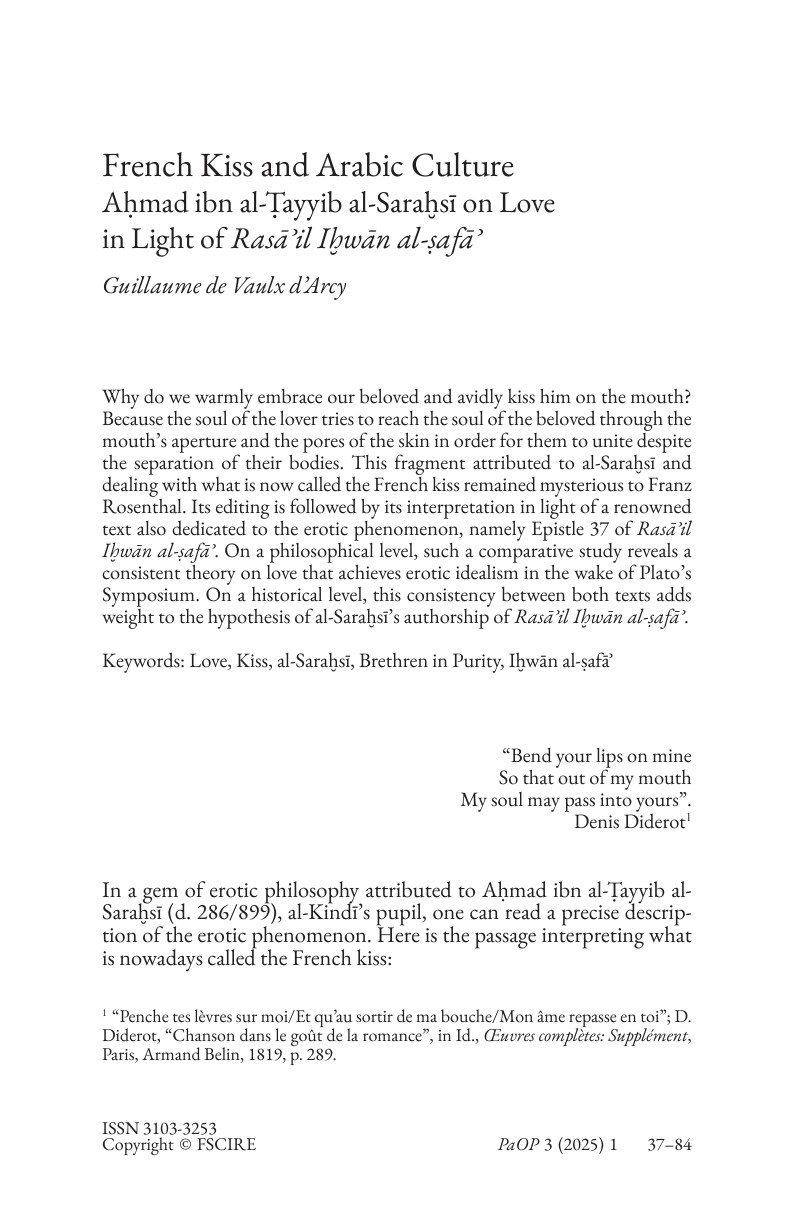
French Kiss and Arabic Culture: Aḥmad ibn al-Ṭayyib al-Saraḫsī on Love in Light of Rasāʾil Iḫwān al-ṣafāʾ
- Guillaume de Vaulx d'Arcy
Abstract Published in the Palermo Occasional Papers of the Foundation for Religious Sciences (FSCIRE) (vol. 3, no. 1, 2025, pp. 37-84), this article by Guillaume de Vaulx d'Arcy, associate resea...

videos
Spiritual eroticism and erotic spirituality in Sufi mystical thought
Paper presented at the 5th international congress of the University Platform for Research on Islam (Pluriel), held in Cordoba from 10 to 14 February 2026 on the theme "Ethics and Aesthetics in Isla...

videos
Defining the beautiful in Islam: between submission to and transgression of ethical norms
Paper presented at the 5th international congress of the University Platform for Research on Islam (Pluriel), held in Cordoba from 10 to 14 February 2026 on the theme "Ethics and Aesthetics in Isla...

videos
The gnostic constitution of aesthetic values in Ibn ʿArabī
Paper presented at the 5th international congress of the University Platform for Research on Islam (Pluriel), held in Cordoba from 10 to 14 February 2026 on the theme "Ethics and Aesthetics in Isla...

videos
Art in the face of authoritarian discourse: the contribution of Nasr Hamid Abu Zayd
Paper presented at the 5th international congress of the University Platform for Research on Islam (Pluriel), held in Cordoba from 10 to 14 February 2026 on the theme "Ethics and Aesthetics in Isla...

videos
Ethics and aesthetics in the thought of Abū Ḥayyān al-Tawḥīdī (d. 414/1023)
Paper presented at the 5th international congress of the University Platform for Research on Islam (Pluriel), held in Cordoba from 10 to 14 February 2026 on the theme "Ethics and Aesthetics in Isla...