
Authority in Islam. What regulation? Proceedings of the symposium.
“It is often said: “”no clergy in Islam””. In the absence of a hierarchical and universal magisterial authority, what are the instances and figures that serve as regulation?
With the help of specialists, this book seeks to clarify what this notion encompasses in the Muslim tradition, the historical and modern actors, and their impacts on the way the Quranic text and prophetic tradition are invoked. Different approaches are thus solicited to account for the modalities that traverse history and accommodate them. Depending on the eras, the authority of the Quran, caliphal figures, or imams in the Shiite tradition do not play the same role. In the classical age or in the modern era, historical and political turning points give rise to religious interpretations that transform the nature of power exercise. From Morocco to Indonesia, passing through Europe, how do authority figures or counter-authorities emerge in Islam?”
On entend souvent dire : « pas de clergé en islam ». En l’absence d’une autorité magistérielle hiérarchique et universelle, quelles sont les instances et les figures qui font office de régulation ?
À l’aide de spécialistes, ce livre cherche à clarifier ce que recouvre cette notion dans la tradition musulmane, les acteurs historiques et modernes, leurs impacts dans la manière de convoquer le texte coranique et la tradition prophétique. Différents angles d’approche sont ainsi sollicités pour rendre compte des modalités qui traversent l’histoire et s’en accommodent. Selon les époques, l’autorité du Coran, des figures califales ou des imams dans la tradition chiite ne jouent pas le même rôle. À l’âge classique ou à l’époque moderne, les tournants historiques et politiques donnent lieu à des interprétations religieuses transformant la nature de l’exercice du pouvoir. Du Maroc jusqu’en Indonésie, en passant par l’Europe, comment émergent les figures d’autorité ou des contre-autorités en islam ?
“نسمع كثيراً قول “”لا رجال دين في الإسلام””. في غياب سلطة تعليمية تسليمية هرمية وعالمية، ما هي الهيئات والشخصيات التي تعمل كآلية تنظيمية؟
من خلال التعاون مع المتخصصين، يسعى هذا الكتاب إلى توضيح ما يغطيه هذا المفهوم في التقليد الإسلامي، والممثلين التاريخيين والحديثيين، وتأثيرهم في طريقة استدعاء النص القرآني والتقليد النبوي. يتم استدعاء زوايا مختلفة للتقرب من واقع الظروف التي تعبر عنها التاريخ وتتفق معها. يختلف دور سلطة القرآن وشخصيات الخلافة أو الأئمة في التقليد الشيعي حسب العصور. في العصر الكلاسيكي أو الحديث، تؤدي التحولات التاريخية والسياسية إلى تفسيرات دينية تحول طبيعة ممارسة السلطة. من المغرب إلى إندونيسيا، وعبر أوروبا، كيف تظهر شخصيات السلطة أو الضد السلطة في الإسلام؟”
By the same authors on Pluriel
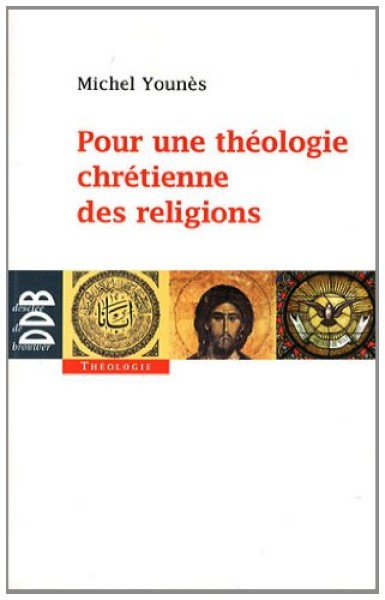 For a Christian Theology of Religions
Michel Younès Faced with contemporary religious diversity, how can Christian theology make sense of the place that other religions occupy in God’s design? Michel Younès examines…
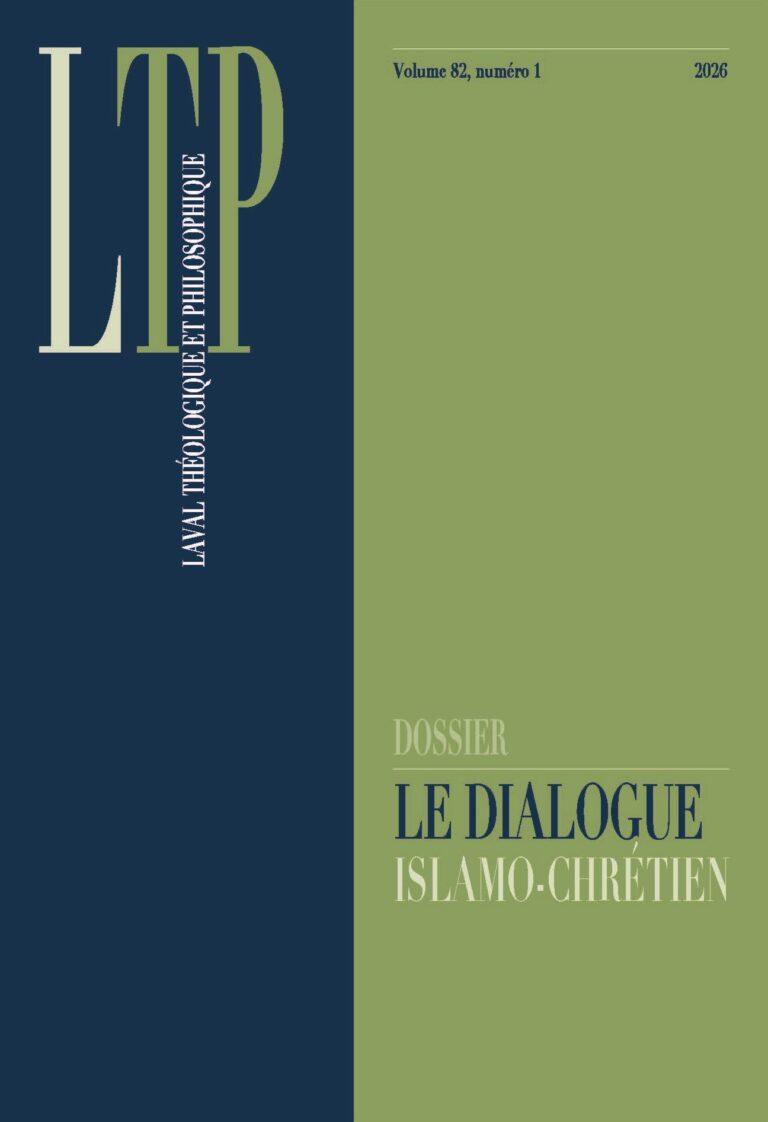 Comparative Theology as a Vehicle for a New Approach to Religious Diversity?
Michel Younès Published in the special issue “Islam and Interreligious Dialogue” of the journal Laval théologique et philosophique (vol. 82, no. 1, 2026, pp. 7-25), this…
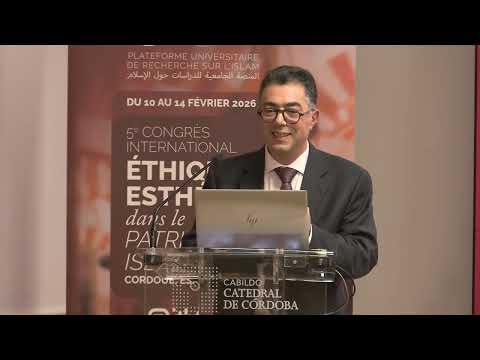 Opening address of the Cordoba congress
Michel Younès On Tuesday 10 February 2026 in Cordoba, Michel Younès, general coordinator of Pluriel and dean of the Faculty of Theology of the Catholic University…
 The grammar of sacred violence: A critical discourse analysis of radical Islamist writings
Mohamed-Ali Mostfa This article offers a discursive analysis of two contemporary Islamist texts that present violence not as a deviation from religious normativity, but as its…
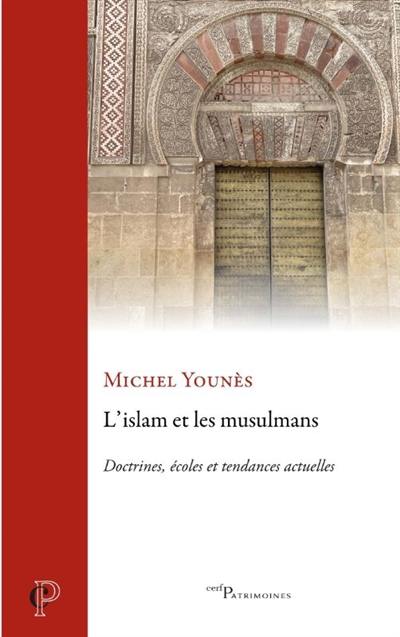 Islam and Muslims. Doctrines, Schools of Thought, and Current Trends
Michel Younès Publication date: April 16, 2026. Islam, as a historical, religious, and civilizational reality, is difficult to define. It can be perceived as a form…
 Dialogue for a More Livable World: Toward an Ethics of Encounter
Mohamed-Ali Mostfa How can we live in a climate of mistrust, trapped in identity-based withdrawal, and paralyzed by an uncertain future? On what basis can we…
Related resources: « Authority »
 From Transnational Islamic Movements to Individual Religiosity: the Crisis of Religious Authority in Western European Muslim Communities
Baptiste Brodard Islam has evolved in form over recent decades in Western European countries, where its lack of institutionalization and official representation allow different ideological trends,…
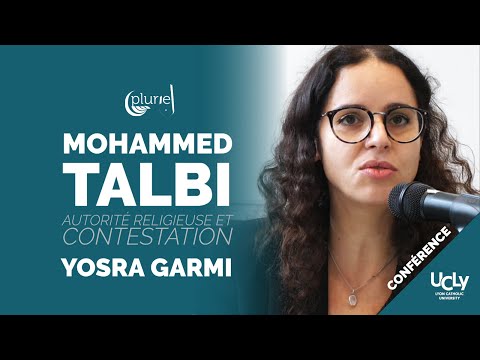 Religious authority and its contestation according to Mohammad Talbi
Yosra Garmi Conference « Religious Authority in Islam », organised by the Centre for the Study of Cultures and Religions and the Research Unit of the…
 The authority of the Ulemas, Glory and misery according to Abdel Jawad Yassin
Samir Arbache Conference « Religious Authority in Islam », organised by the Centre for the Study of Cultures and Religions and the Research Unit of the…
 Sunni authorities at the turn of the 20th-21st century
Dominique Avon Conference « Religious Authority in Islam », organised by the Centre for the Study of Cultures and Religions and the Research Unit of the…
 al-Ġazālī, a figure of a magisterial authority?
Emmanuel Pisani Conference « Religious Authority in Islam », organised by the Centre for the Study of Cultures and Religions and the Research Unit of the…
 Al-Ash’arî, what place does still hold the authority of the theologians?
Michel Younès Conference « Religious Authority in Islam », organised by the Centre for the Study of Cultures and Religions and the Research Unit of the…