
Islam thought by a woman
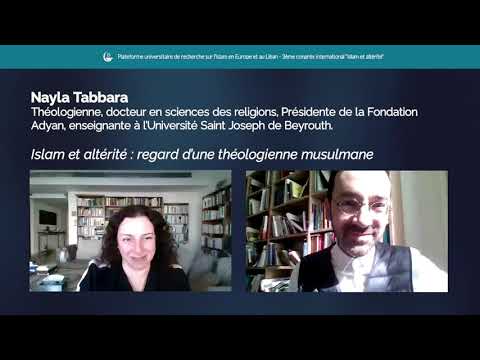
Today, we can speak of a crisis within Islam. Based on a rigorist vision of the Qur’an and tradition, extremist speeches have been very successful, sometimes with dramatic consequences. However, at the same time, some Muslim thinkers are protesting against this reading. For the theologian Nayla Tabbara, if most Islam suffers today from authoritarianism and lack of critical thinking, it is mainly because it was conceived from its origins in a strongly patriarchal context, by men and for men. A new approach is therefore needed, one that allows for the feminine side of reason and sensitivity. This ‘feminine reading’ of the Qur’an highlights, for example, the ‘maternal’ attribute of God’s mercy, much more than its strength or intransigence. For the author, it is not a question of being interested only in “women’s issues”, such as the veil or polygamy for example, but of considering the whole of the Muslim religion in a new light. By moving away from a literalist conception and purely formal practice, this new perspective could enable Islam to rediscover its spiritual vocation.
On peut parler aujourd’hui de crise au sein de l’islam. Issus d’une vision rigoriste qui s’appuie sur le Coran et sur la tradition, les discours extrémistes rencontrent un réel succès, avec des conséquences parfois dramatiques. Pourtant, dans le même temps, certains penseurs musulmans s’insurgent contre cette lecture. Pour la théologienne Nayla Tabbara, si l’islam majoritaire souffre aujourd’hui d’autoritarisme et de manque d’esprit critique, c’est notamment parce qu’il a été pensé depuis ses origines dans un contexte fortement patriarcal, par des hommes et pour des hommes. Aussi, une nouvelle approche est nécessaire, faisant droit désormais à la part féminine de la raison et de la sensibilité. Cette « lecture féminine » du Coran met par exemple en lumière l’attribut « maternel » de la miséricorde de Dieu, beaucoup plus que sa force ou son intransigeance. Il ne s’agit pas pour l’auteure, de ne s’intéresser qu’aux « questions de femme », comme le voile ou la polygamie par exemple, mais d’envisager sous un jour nouveau l’ensemble de la religion musulmane. Dégagé d’une conception littéraliste et de la pratique purement formelle, ce nouveau regard pourrait permettre à l’islam de retrouver sa vocation spirituelle.
By the same author on Pluriel
Related resources: « Women in Islam »
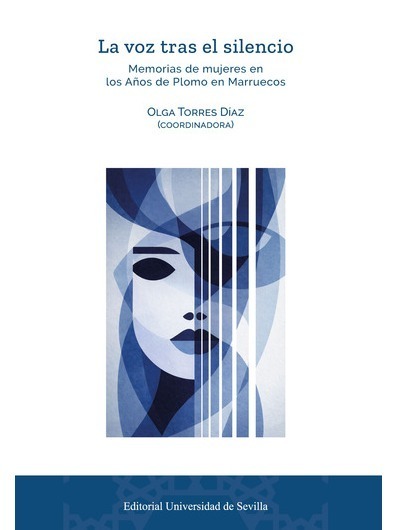 The Voice After Silence: Memories of Women during the Years of Lead in Morocco
Olga Torres Díaz Published as La voz tras el silencio. Memorias de mujeres en los Años de Plomo en Marruecos (Editorial Universidad de Sevilla, 2025), this collective…
 Women, Agency and Religion: Social and Legal Issues in the Mediterranean Public Space
Leïla Tauil On the two Mediterranean shores, women’s agency is articulated by new social and legal actors who face the religious factor both as an asset…
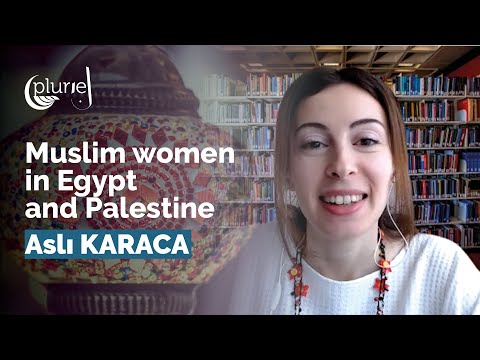 Personal Status Laws of Women in Egypt and Palestine
Asli Karaca Yanger Title of the lecture : 'Institutionalized Islam in Personal Status Laws and Challenged Position of Women as ‘the Other’' In most of the Muslim-majority…
 Geography of a forbidden land, women’s bodies: the image of women in Hanbalite fatwas in French-language works
Bénédicte Du Chaffaut Original tile : ‘Géographie d’une terre interdite, le corps des femmes : l’image des femmes dans les fatwas hanbalites d’ouvrages francophones’ This work aims…
 Female figures of holiness, Muslim and Christian, in the MENA region
Thom Sicking Actes du colloque du centre d’études et d’interprétation du fait religieux, Université Saint Joseph, 20-21 février 2015. Sommaire Afrique du Nord : Nelly Amri…
 The demystified veil
Publisher Overview “A totally new discourse in the history of Islam has been spreading for some years in France, according to which the veil…