
Luther and Mohammed. Western European Protestantism and Islam (16th-18th centuries)
Publisher’s presentation
Autumn 1611: while visiting France, a young Dutch Protestant student refines his knowledge of Arabic with a Muslim of Castilian origin he met in the Paris region. Thomas Erpenius, who was to become the first professor of Arabic at the University of Leiden, discovered that the Muslim religion was unsuspectedly rich and that medieval theories about it were mostly legends. At the end of the Enlightenment, the Lutheran philosopher Gotthold Ephraim Lessing used Islam as a model for the natural religion of mankind, while the pastor and philosopher Johann Gottfried Herder sang the beauties of Islamic poetry. From its very beginnings, the Protestant tradition has been permeated by a recurrent interest in Islam, its prophet and its holy book. From Luther to Herder and from Michel Servet to Pierre Bayle, Pierre-Olivier Léchot traces the history of this Protestant passion for Islam, whether it was made up of anguish and repulsion or fascination and admiration. This fascinating account places the study of the Koran at the heart of this Protestant relationship with Islam and shows how decisive it was in the construction of the Protestant identity, including when it came to the interpretation of the biblical text itself.
Présentation de l’éditeur
Automne 1611 : de passage en France, un jeune étudiant protestant hollandais affine sa connaissance de l’arabe avec un musulman d’origine castillane rencontré en région parisienne. Thomas Erpenius, qui sera le premier professeur d’arabe de l’université de Leyde, découvre ainsi que la religion musulmane est d’une richesse insoupçonnée et que les théories médiévales au sujet de celle-ci ne sont pour la plupart que des légendes. À la fin des Lumières, le philosophe luthérien Gotthold Ephraïm Lessing fera quant à lui de l’islam un modèle de la religion naturelle de l’humanité, tandis que le pasteur et philosophe Johann Gottfried Herder chantera les beautés de la poésie islamique. Dès ses origines, la tradition protestante a été traversée par un intérêt récurrent pour l’islam, son prophète et son livre saint. De Luther à Herder et de Michel Servet à Pierre Bayle, Pierre-Olivier Léchot retrace l’histoire de cette passion protestante pour l’islam, qu’elle ait été faite d’angoisse et de répulsion ou de fascination et d’admiration. Un récit passionnant qui place au coeur de ce rapport protestant à l’islam l’étude du Coran et montre combien celle-ci fut déterminante dans la construction de l’identité protestante, y compris lorsqu’il en allait de l’interprétation du texte biblique lui-même.
By the same author on Pluriel
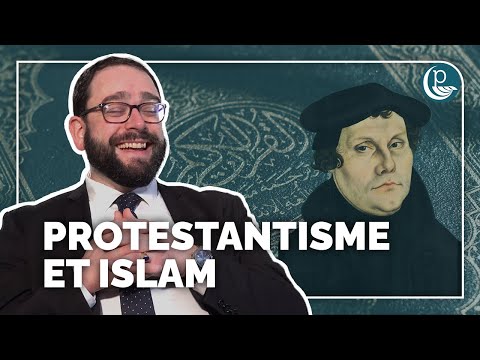
Related resources: « History »
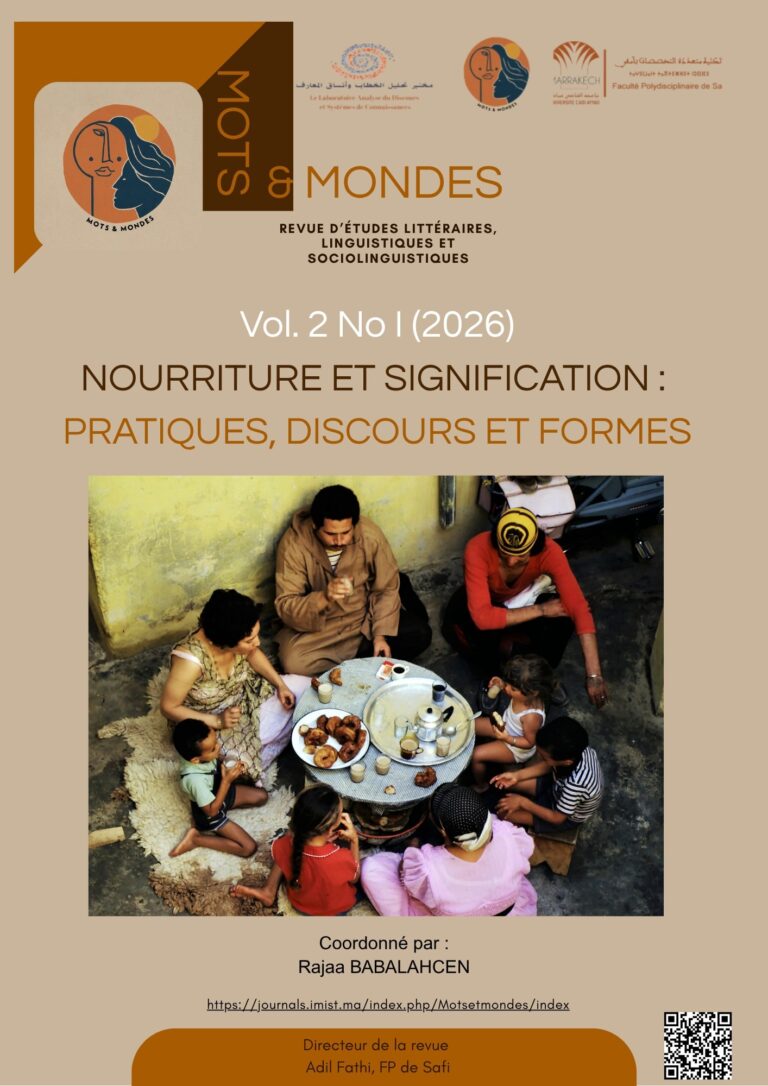 The Table as a Social Language: Food and Norms in al-Ǧāḥiẓ
Faisal Kenanah Abstract Published in French in the journal Mots et mondes. Revue d'études littéraires, linguistiques et sociolinguistiques (Cadi Ayyad University, Marrakesh), in the issue "Nourriture…
 From Lavigerie to PISAI: The Institutional History of the Missionaries of Africa’s Engagement with Islam
Delivered on 21 May 2026 at the Pontifical Institute for Arabic and Islamic Studies (PISAI) in Rome, this lecture opens the series of conferences…
 Muhammad in Modern Art, by Alice Bombardier
Lecture given by Alice Bombardier (Professeure agrégée at Sorbonne Université) as part of the Théologies en dialogue Chair of the Faculty of Theology at…
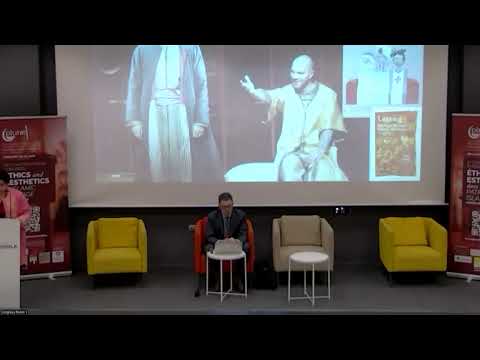 Aesthetics of living together: visualising an Islamic ethics of the other in al-Andalus
Paper presented at the fifth international congress of the University Platform for Research on Islam (Pluriel), held in Cordoba from 10 to 14 February…
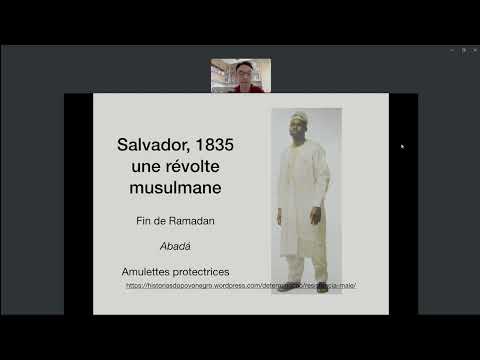 The Carnival of the Malês: signs of an ethics of Muslim resistance
Paper presented at the fifth international congress of the University Platform for Research on Islam (Pluriel), held in Cordoba from 10 to 14 February…
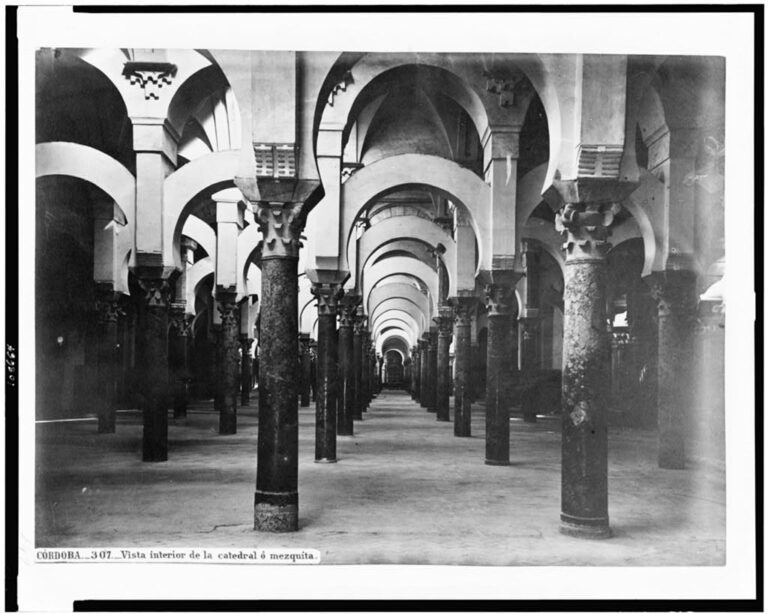 “The 1970s Debates on the Architectural Separation between the Mosque and the Cathedral of Córdoba”, by José Luis Llaquet de Entrambasaguas
José Luis Llaquet de Entrambasaguas In the collective volume Gobernar la desorganización global (ed. Alfonso Chaves-Montero, Dykinson, 2026), José Luis Llaquet de Entrambasaguas, professor of state ecclesiastical law at…