

French

From Lavigerie to PISAI: The Institutional History of the Missionaries of Africa’s Engagement with Islam
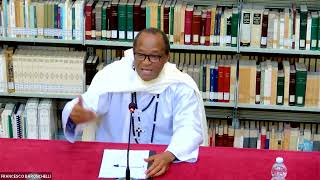
Delivered on 21 May 2026 at the Pontifical Institute for Arabic and Islamic Studies (PISAI) in Rome, this lecture opens the series of conferences marking the institute’s centenary (1926-2026). Fr. Moussa Serge Traore, a Missionary of Africa from Burkina Faso, has recently completed a doctorate in history at the School of Oriental and African Studies (SOAS), University of London, and will soon join the Institute for Inter-Religious Dialogue and Islamic Studies at Tangaza University, Nairobi.
Drawing on previously untapped minutes of the General Council of his Society, the speaker argues that the Missionaries of Africa’s engagement with Islam was neither a mere continuation of Cardinal Lavigerie’s personal vision, nor the cumulative outcome of individual scholarly initiatives. It is rather an institutional history, shaped by collective discernment, administrative arbitration and strategic adaptation.
He retraces its key milestones: the first years of Saharan presence in 1872, marked by friendship and hospitality; the introduction in 1876 of a prayer to Our Lady of Africa for Muslims, which inscribed apostolate among Muslims at the very heart of the Society’s identity; the pragmatic withdrawal from Kairouan in 1887; the first occurrence of the word “Islam” as an object of study in the minutes of 17 May 1926; the choice of Tunis rather than Cairo for the founding of the House of Islamic Studies that would become PISAI; the Roberto Focca case, in which the leadership maintained a common missionary line despite methodological disagreements; then, from Vatican II onwards, the “demaghrebisation” of the approach, its opening to sub-Saharan Africa, and, during the 1980s, its expansion across Europe in response to Muslim migration.
Rather than a linear path from conversion to dialogue, Fr. Traore describes a transformation through institutional discernment: the vocabulary changes, but the commitment of an entire Society to Muslims endures. PISAI, he concludes, is not the product of an isolated inspiration but the fruit of a century of shared decisions, in which the academic knowledge of Islam remains at the service of encounter.
Donnée le 21 mai 2026 à l’Institut pontifical d’études arabes et d’islamologie (PISAI) de Rome, cette conférence ouvre le cycle commémoratif du centenaire (1926-2026) de l’institut. Le père Moussa Serge Traore, missionnaire d’Afrique originaire du Burkina Faso, vient d’achever un doctorat en histoire à la School of Oriental and African Studies (SOAS) de l’Université de Londres et rejoindra prochainement l’Institut pour le dialogue interreligieux et les études islamiques de l’Université Tangaza, à Nairobi.
S’appuyant sur les minutes inédites du Conseil général de sa Société, le conférencier soutient que l’engagement des Missionnaires d’Afrique avec l’islam ne se réduit ni à la prolongation de la vision personnelle du cardinal Lavigerie, ni à la simple addition d’initiatives savantes individuelles. C’est une histoire institutionnelle, faite de discernements collectifs, d’arbitrages administratifs et d’adaptations stratégiques.
Il en retrace les jalons : les premières années sahariennes de 1872 placées sous le signe de l’amitié et de l’hospitalité ; l’introduction d’une prière à Notre-Dame d’Afrique pour les musulmans en 1876, qui inscrit l’apostolat auprès de l’islam dans l’identité même de la congrégation ; le retrait pragmatique de Kairouan en 1887 ; la mention pour la première fois du mot « islam » comme objet d’étude dans les minutes du 17 mai 1926 ; le choix de Tunis plutôt que du Caire pour fonder la Maison d’études islamiques, qui deviendra le PISAI ; le cas Roberto Focca, où le leadership maintient une ligne missionnaire commune malgré les divergences de méthode ; puis, à partir de Vatican II, la « démaghrébisation » de l’approche, l’ouverture à l’Afrique subsaharienne, et, dans les années 1980, le déploiement en Europe au contact des migrations.
Plutôt qu’un passage linéaire de la conversion au dialogue, le père Traore décrit une transformation par discernement institutionnel : le vocabulaire change, mais demeure l’engagement de toute une Société auprès des musulmans. Le PISAI, conclut-il, n’est pas le produit d’une inspiration isolée mais le fruit d’un siècle de décisions partagées, où la connaissance académique de l’islam reste au service de la rencontre.
أُلقيَت يوم 21 أيار/مايو 2026 في المعهد البابوي للدراسات العربية والإسلاميات (PISAI) في روما، تفتتح هذه المحاضرة سلسلة المؤتمرات الإحيائية للذكرى المئوية (1926-2026) لتأسيس المعهد. وقد أنجز الأب موسى سيرج تراوري، أحد مرسلي إفريقيا (الآباء البيض) من بوركينا فاسو، مؤخراً أطروحة دكتوراه في التاريخ بكلية الدراسات الشرقية والإفريقية (SOAS) بجامعة لندن، ومن المنتظر أن ينضم قريباً إلى معهد الحوار بين الأديان والدراسات الإسلامية في جامعة تانغازا بنيروبي.
اعتماداً على محاضر غير منشورة للمجلس العام لمؤسسته، يطرح المحاضر أطروحته القائلة بأن انخراط مرسلي إفريقيا مع الإسلام لم يكن مجرد امتداد للرؤية الشخصية للكاردينال لافيجري، ولا حصيلةً لمبادرات فردية متراكمة لعلماء بعينهم، بل هو تاريخ مؤسسي صنعه التمييز الجماعي، والتحكيم الإداري، والتكيف الاستراتيجي.
ويتتبع أبرز محطاته: السنوات الأولى للحضور في الصحراء عام 1872، حيث طبعتها الصداقة والضيافة؛ ثم اعتماد صلاة سيدة إفريقيا من أجل المسلمين عام 1876، وهو ما رسّخ الرسالة لدى المسلمين في صلب هوية الجماعة؛ ثم الانسحاب البراغماتي من القيروان عام 1887؛ ثم أول ورود لكلمة «الإسلام» موضوعاً للدراسة في محاضر 17 أيار/مايو 1926؛ واختيار تونس بدلاً من القاهرة لتأسيس بيت الدراسات الإسلامية الذي سيصبح المعهد البابوي للدراسات العربية والإسلاميات؛ وقضية روبرتو فوكا، التي حافظت فيها القيادة على خط رسالي مشترك رغم الاختلافات المنهجية؛ ثم، انطلاقاً من المجمع الفاتيكاني الثاني، «إخراج المقاربة من إطارها المغاربي» وانفتاحها على إفريقيا جنوب الصحراء، وفي الثمانينيات توسعها في أوروبا استجابةً للهجرة الإسلامية.
بدلاً من تتبع مسار خطي من التبشير بالتحول إلى الحوار، يصف الأب تراوري تحولاً يقوم على التمييز المؤسسي: تتغير المفردات، لكن يبقى التزام جماعة بأسرها تجاه المسلمين. ويخلص إلى أن المعهد ليس ثمرة إلهام منعزل، بل حصيلة قرن من القرارات المشتركة، تظل فيه المعرفة الأكاديمية بالإسلام في خدمة اللقاء الإنساني.


Resources of this researcher
Resources related to History

article
Experiencing a Mosque Through Photography: Islam As an Ordinary Religion
- Guillaume Chatagny
Abstract Published in 2021 in Visual Ethnography (vol. 10, no. 2) under the title "Experiencing a Mosque Through Photography: Islam As an Ordinary Religion", this article by Guillaume Chatagny, ...

article
Islam Seen through the Work of Aziz al-Azmeh
- Wasim Salman
Abstract Published in Arabic in issue 50 (2024) of Islamochristiana (PISAI, released in April 2025), this essay by Wasim Salman, president of PISAI and director of the journal, examines the rela...

article
Islamic Visions of Jesus: Revelation, Prophecy, and Eschatology
- Antonio Cuciniello
Abstract Published in the collective volume Jerusalem in Memory and Eschatology: Jewish, Christian, and Muslim Visions of the Past and Future of Jerusalem, edited by Emma O'Donnell Polyakov (Blo...

article
The First Council of Nicaea (325) and the Christian-Muslim Dialogue on God’s Unity and Trinity
- Dirk Ansorge
Abstract Published under the original title "Das erste Konzil von Nizäa (325) und der christlich-muslimische Dialog über Gottes Einheit und Dreifaltigkeit" in issue 2/2025 of CIBEDO-Beiträge, th...
publication
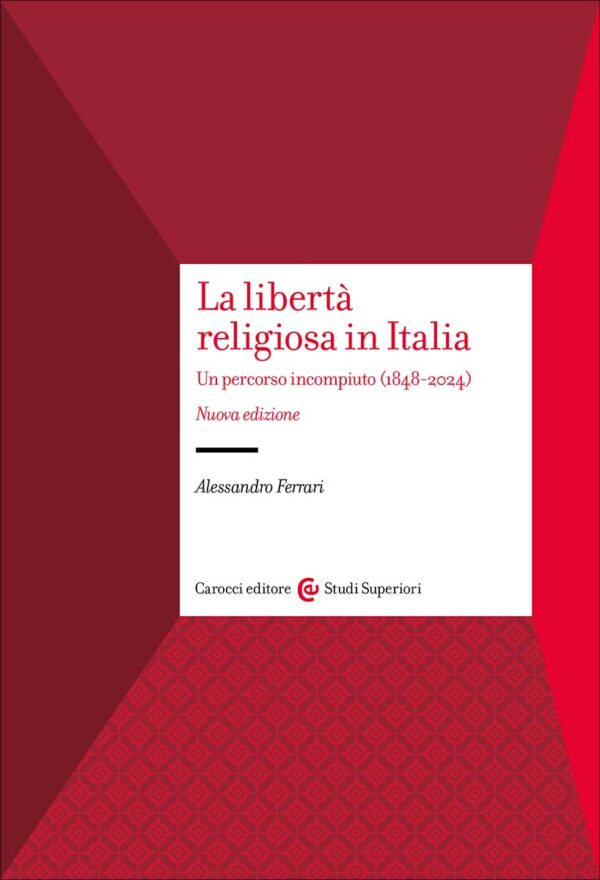
Religious Freedom in Italy. An Unfinished Path (1848-2024)
- Alessandro Ferrari
Published under the original title La libertà religiosa in Italia. Un percorso incompiuto (1848-2024), this synthesis by Alessandro Ferrari, professor of ecclesiastical law and comparative religiou...
publication
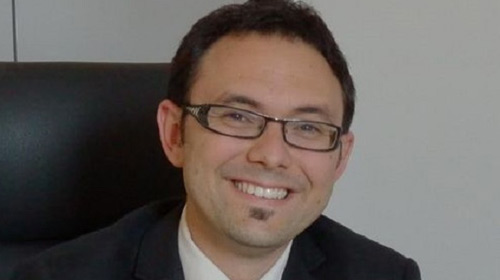
The Recognition of a Hummingbird. Essays on Interreligious Dialogue and Missionary Work (2007-2025)
- Rémi Caucanas
Published in May 2026 by PISAI (Pontifical Institute for Arabic and Islamic Studies, Rome), this collection brings together the essays of Rémi Caucanas on interreligious dialogue and missionary wor...
videos
From Lavigerie to PISAI: The Institutional History of the Missionaries of Africa’s Engagement with Islam
Delivered on 21 May 2026 at the Pontifical Institute for Arabic and Islamic Studies (PISAI) in Rome, this lecture opens the series of conferences marking the institute's centenary (1926-2026). Fr. ...
publication
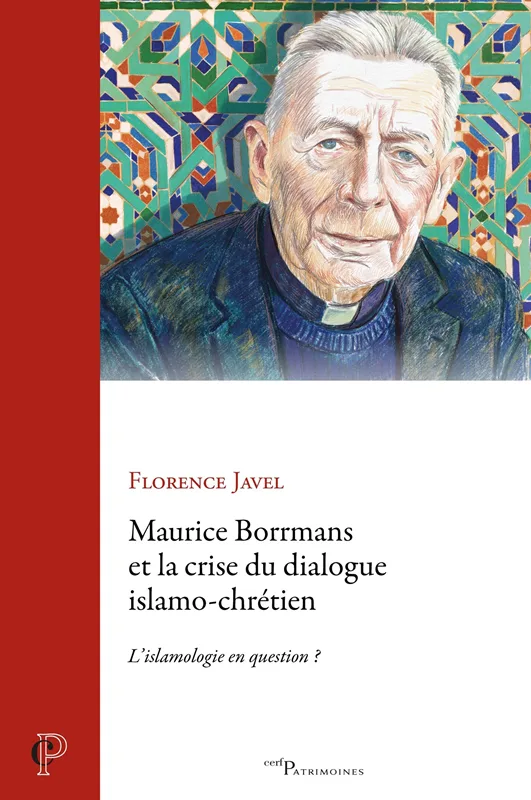
Maurice Borrmans and the Crisis of Christian-Muslim Dialogue. Islamic studies in Question?
- Florence Javel
In 2025-2026, we mark the sixtieth anniversary of the Second Vatican Council and of the declaration Nostra aetate (28 October 1965). One century earlier, in October 1925, Maurice Borrmans was born ...