
When Religion Invites Itself into Business: Tools for Management
How to approach the different facets of the religious when it arises in the field of the enterprise? What role can the common law or rule have? What help can good practices in this area bring, without falling into the logic of ready-made recipes? Questions that arise, sometimes on a background of religious “inculture” and a cruel lack of “tools” of adapted knowledge.
The first part of this book is based on the idea that is now established in modern and secularized societies on the separation of the spheres, public and private. But the goal here is to understand how this idea is challenged by practice. The second part deals directly with management from several angles of approach. First of all, the legal framework is to recall the contours of the rules in force. Two strictly managerial chapters shed light on specific managerial tools, based on good practices, or on lived experiences. The third part summarizes the strong convictions:
– to think of the notion of “dialogue” as a finality and not as an end;
– addressing cultural and religious diversity in an interactive way rather than a passive juxtaposition;
– take into account the question of spirituality in business, as an issue to consider;
– change its view of the complexity of the world rather than wanting to change it;
– the fraternity which, far from being a fantasized utopia, can transform relations in societies and companies, a sure value which forbids discrimination and avoids compartmentalization.
Presentation and purchase order
Comment aborder les différentes facettes du religieux quand il surgit sur le terrain de l’entreprise ? Quel rôle peut avoir le droit ou la règle commune ? Quelle aide peuvent apporter les bonnes pratiques en la matière, sans tomber dans la logique des recettes toutes faites ? Des questions qui surgissent, parfois sur un fond “d’inculture” religieuse et d’un manque cruel d’”outils” de connaissance adaptés.
La première partie de cet ouvrage part de l’idée désormais installée dans les sociétés modernes et sécularisées sur la séparation des sphères, publique et privée. Mais le but ici est de comprendre comment cette idée est contestée par la pratique. La deuxième partie aborde directement la question du management suivant plusieurs angles d’approche. En convoquant d’abord le cadre juridique, il s’agit de rappeler les contours des règles en vigueur. Deux chapitres proprement managériaux éclairent, à partir des bonnes pratiques, ou d’expériences vécues, des outils managériaux spécifiques. La troisième partie résume les convictions fortes :
- penser la notion de “dialogue” comme une finalité et non pas comme une fin ;
- aborder la diversité culturelle et religieuse suivant une logique interactive plutôt qu’une juxtaposition passive ;
- prendre en compte la question de la spiritualité en entreprise, comme un enjeu à réfléchir ;
- changer son regard sur la complexité du monde plutôt que de vouloir le changer ;
- la fraternité qui, loin d’être une utopie fantasmée, peut transformer les rapports dans les sociétés et les entreprises, une valeur sûre qui interdit les discriminations et évite les cloisonnements.
كيف لنا أن نعالجَ مختلف أوجه العنصر الدينيّ حينما يظهر في عالم الأعمالِ؟ ما الدور الذي قد يؤدّيه القانون أو النظام المشترك؟ ما المساعدة التي قد تقدِّمها الممارسات الحسنة في هذا السياق من دون الوقوع في منطقِ الصيغ الجاهزة والمُعَدّة مُسبقاً؟ أسئلةٌ تنبثق أحياناً من خلفية “غياب الثقافة” الدينيّة أو نقص فاضح في”الأدوات” المعرفيّة المُكيَّفة.
يستندُ القسم الأوّل من هذا الكتاب إلى الفكرة المرسّخة في المجتمعات الحديثة والعلمانية والقائمة على فصلِ المجالين العام والخاصّ. إلّا أنّ الهدفَ في هذا الإطار يكمن في فهم كيفية دحض هذه الفكرة بالممارسة والتطبيق. ويعالج القسم الثاني مسألة الإدارة بشكل مباشرٍ من خلال مقاربتها من زوايا عدّة، فيعمدُ إلى التذكير بالقواعد السارية المفعول مستنداً إلى الإطار القانوني. ويخَصُّ الشقَّ الإداريَّ بفصلَين يشرحان بوضوحٍ أدوات إدرايّة معيّنة إنطلاقاً من الممارسات الحسنة أو من الخبرات المُعاشة. أمّا القسم الثالث فيختصر القناعات الراسخة:
التفكير في مفهوم “الحوار” على أنّه السعي لبلوغ الغاية وليس الغاية بحدّ ذاتها؛
مقاربة التنوّع الثقافي والديني باتّباع منطق تفاعلي بدلاً من تجاور خامل؛
اعتبار مسألة الروحانية في مجال الأعمال كمجازفة يجدر التفكير فيها؛
تغيير النظرة إلى تعقيدات العالم بدلاً من إبداء الرغبة في تغييره؛
إنّ الأخوّة ليست فكرةً فاضلةً خياليّة بل مفهوماً قادراً على تغيير العلاقات في المجتمعات والشركات. إنّها قيمة حقيقيّة راسخة تحظّر التمييز وتحول دون وقوع الانفصالات والانقسامات.
By the same author on Pluriel
 For a Christian Theology of Religions
Michel Younès Faced with contemporary religious diversity, how can Christian theology make sense of the place that other religions occupy in God’s design? Michel Younès examines…
 Comparative Theology as a Vehicle for a New Approach to Religious Diversity?
Michel Younès Published in the special issue “Islam and Interreligious Dialogue” of the journal Laval théologique et philosophique (vol. 82, no. 1, 2026, pp. 7-25), this…
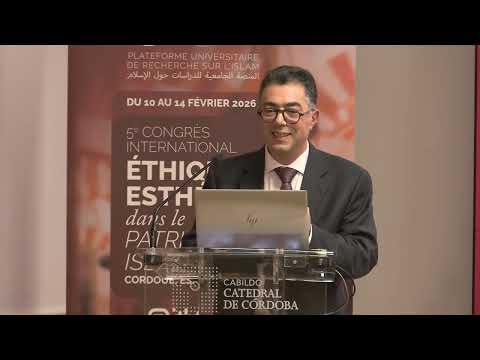 Opening address of the Cordoba congress
Michel Younès On Tuesday 10 February 2026 in Cordoba, Michel Younès, general coordinator of Pluriel and dean of the Faculty of Theology of the Catholic University…
 Islam and Muslims. Doctrines, Schools of Thought, and Current Trends
Michel Younès Publication date: April 16, 2026. Islam, as a historical, religious, and civilizational reality, is difficult to define. It can be perceived as a form…
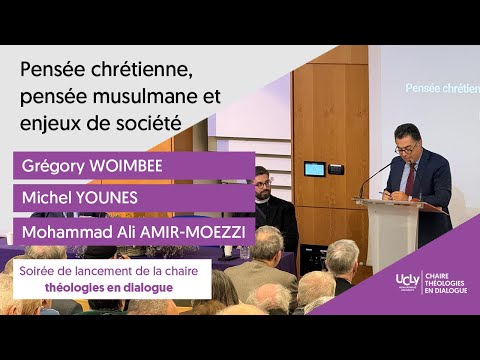 Christian Thought, Muslim Thought and Societal Issues: Launch of the “Theologies in Dialogue” Chair
Mohammad Ali Amir-Moezzi · Michel Younès On Wednesday, September 25, 2024, this inaugural conference presents a new chair entitled "Theologies in Dialogue" at the Faculty of Theology of the Catholic…
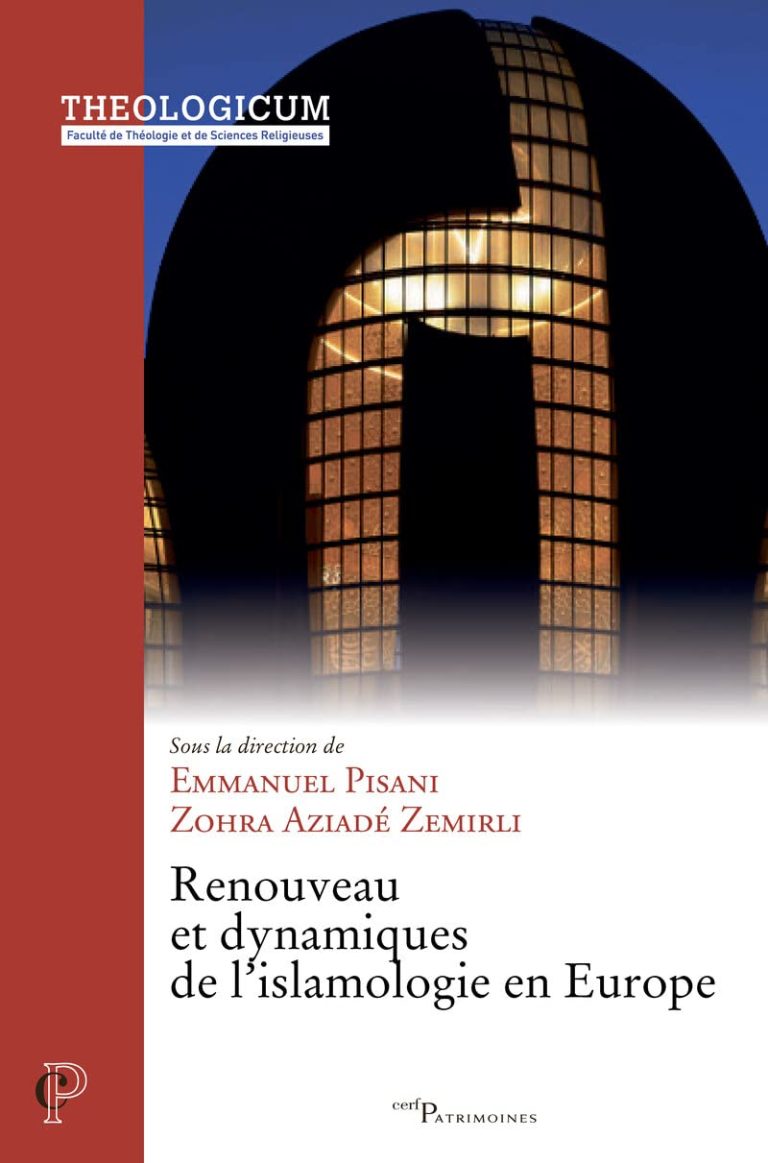 Revival and Dynamics of Islamic Studies in Europe
Michel Younès · Emmanuel Pisani · Cédric Baylocq · Zohra Aziadé Zemirli · Michele Brignone · Haoues Seniguer “In a troubled international context where Islam is sometimes defined as an ideological marker of many conflicts, academic research drawing on history, sociology, and…
Related resources: « Religion at work »
 Between Standardization And Otherness: Being A Muslim In The In The French Armed Forces
Elyamine Settoul Already present since the colonisation process, the question of Islam within the French army has reappeared strongly with the settling down of the populations…
 Building community without communitarianism. The corporate world and the challenge of religion
Michel Younès More than at any other time in recent history, “making community” appears as a requirement for cohesion, unity and solidarity. At a time when…
 The corporate world and the challenge of religion. Crossed views from the Mediterranean area
Michel Younès We are currently witnessing a significant growth in religious demands, which are increasingly interfering with professional life and have impacted the world of work.…