
Salafist Movements in Europe: Between Local and Transnational Mobilizations
In this chapter, the author sheds light on the main sociological features and academic debates on the issue of Salafism in Europe. Through a comparative analysis of different countries, he shows the complexity of this fundamentalist and puritanical current, which is currently expanding in many countries around the world. As Europe has been affected by the globalization of Salafism for several decades, this contribution shows the links that groups claiming to be part of this ideology have with Islamist and jihadist forces, as well as the varieties of identification with Salafism. Showing both the modernity and radicalism of this phenomenon, the author also takes stock of the possible future evolution of this ideology in the European context.
Dans ce chapitre, l’auteur met en lumière les principales caractéristiques sociologiques et les débats académiques sur la question du salafisme en Europe. À travers une analyse comparative de différents pays, il montre la complexité de ce courant fondamentaliste et puritain, qui est actuellement en expansion dans de nombreux pays à travers le monde. L’Europe étant touchée par la mondialisation du salafisme depuis plusieurs décennies, cette contribution montre les liens qu’entretiennent les groupes se réclamant de cette idéologie avec les forces islamistes et jihadistes, ainsi que les variétés d’identification au salafisme. Montrant à la fois la modernité et le radicalisme de ce phénomène, l’auteur fait également le point sur l’évolution possible de cette idéologie dans le contexte européen.
في هذا الفصل، يسلط المؤلف الضوء على السمات الاجتماعية الرئيسية والنقاشات الأكاديمية حول قضية السلفية في أوروبا. من خلال تحليل مقارن لمختلف البلدان، يوضح تعقيد هذا التيار الأصولي والمتشدد، الذي يتوسع حاليًا في العديد من البلدان حول العالم. وبما أن أوروبا قد تأثرت بعولمة السلفية منذ عدة عقود، فإن هذه المساهمة تبين الروابط التي تربط المجموعات التي تدعي انتماءها لهذه الأيديولوجية بالقوى الإسلامية والجهادية، فضلاً عن تنوع أشكال التماهي مع السلفية. ومع إظهار حداثة هذه الظاهرة وتطرفها في آن واحد، يقدم المؤلف أيضًا تقييمًا للتطور المستقبلي المحتمل لهذه الأيديولوجية في السياق الأوروبي.
By the same author on Pluriel
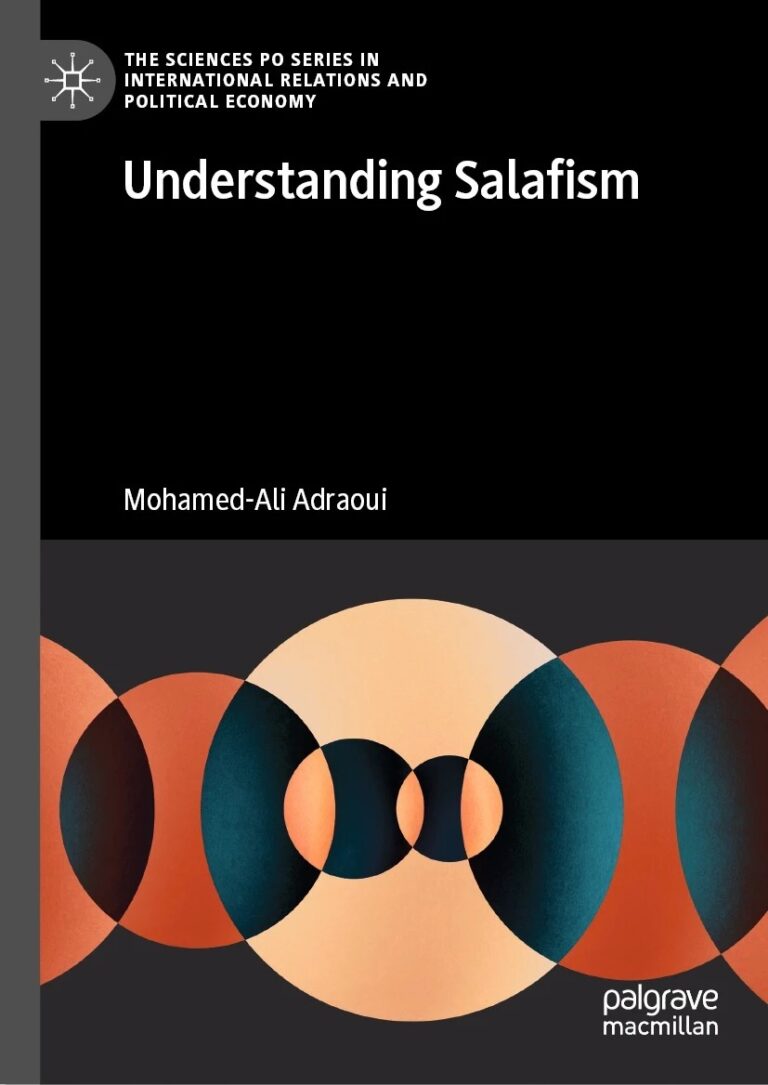 Understanding Salafism
Mohamed-Ali Adraoui Published in 2022 by Palgrave Macmillan (Springer) in the series The Sciences Po Series in International Relations and Political Economy, this book by Mohamed-Ali…
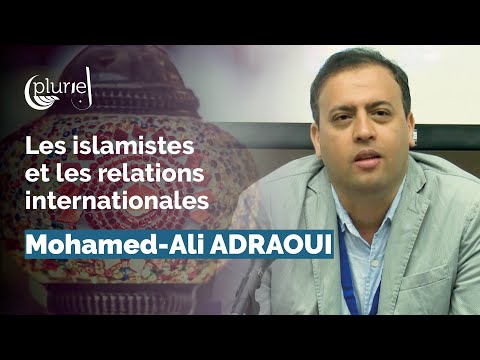 Islamists and international relations
Mohamed-Ali Adraoui Full title of the conference: "Islamists and International Relations. What worldview? What diplomatic practices? Emergence, evolution and amendment of a culturalist and antagonistic theory…
Related resources: « Islam in Europe »
 Scientific Evaluation of Islamic Religious Education in North Rhine-Westphalia
Mouhanad Khorchide Conducted by the Center for Islamic Theology at the University of Münster (directed by Mouhanad Khorchide) at the request of the Ministry of Education…
 Public order and religious family rights. Sustainability and limits of an evolving legal relationship
Ilaria Valenzi Abstract The public-order clause, which safeguards the fundamental principles of the legal order, is today tested by the circulation of family models rooted in…
 Muslim worship in France: is the State-led reorganization underway?
Mohamed-Ali Mostfa In this article published on February 26, 2025, on The Conversation, Ali Mostfa analyzes the evolution of the Forum of Islam in France (Forif),…
 Islam in Europe or European Islam?
In this conference given on January 30, 2025, at PISAI (Pontifical Institute for Arabic and Islamic Studies) in Rome, political scientist Olivier Roy offers…
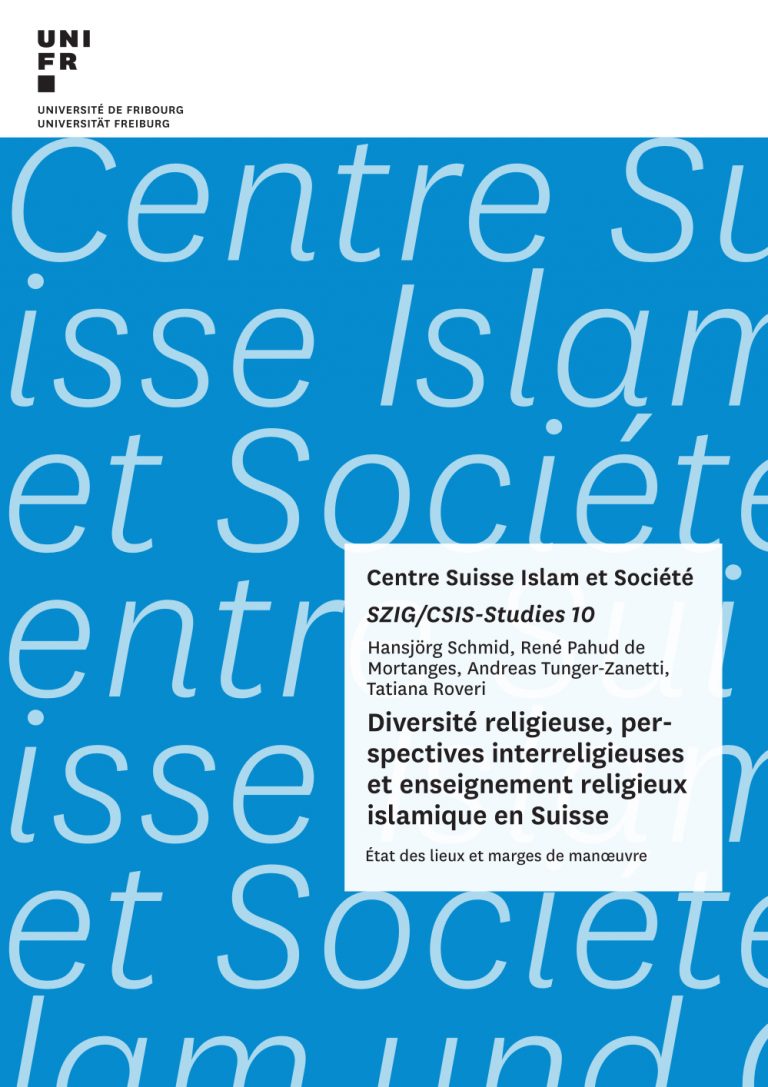 Religious Diversity, Interreligious Perspectives, and Islamic Religious Education in Switzerland: Current Situation and Room for Maneuver
Hansjörg Schmid Twenty years ago, the first pilot projects of Islamic religious education (IRE) in public schools in Switzerland caused a stir in some parts of…
 Bad guy or good guy? The framing of an imam
Noemi Trucco In this paper, we investigate framing in the case of an imam in Switzerland. We conducted a qualitative content analysis of 175 articles from…