
Publisher : SZIG/CSIS-Studies - Fribourg

French

Religious Diversity, Interreligious Perspectives, and Islamic Religious Education in Switzerland: Current Situation and Room for Maneuver
Twenty years ago, the first pilot projects of Islamic religious education (IRE) in public schools in Switzerland caused a stir in some parts of the country. From a pedagogical perspective, the rationale for IRE, analogous to confessional Christian education, was undisputed, as it was about guiding children and young people in German in their first steps towards forming their own capacity for religious language. However, today there are only a handful of IRE projects, all of which are also located in German-speaking Switzerland. At the same time, specialized circles in Switzerland and other European countries were debating what form of religious education could be most appropriate for children and young people today. Does confessional teaching in schools (still) make sense? And if so, what should be the role of religious communities in this context? And how should religion be dealt with in other school subjects? The debates around confessional IRE as well as around “neutral” teaching about religions, potentially covering any religion, are set in the context of the megatrends of secularization, individualization, and pluralization, but also of sometimes emotionally charged societal debates around Muslim women and men as the largest religious minority.
Il y a vingt ans, les premiers projets pilotes d’enseignement religieux islamique (ERI) à l’école publique en Suisse ont fait grand bruit en certains endroits du pays. Sur le plan pédagogique, la raison d’être d’un ERI, de manière analogue à l’enseignement chrétien confessionnel, était incontestée, puisqu’il s’agissait de guider en langue allemande enfants et jeunes dans leurs premiers pas vers la formation d’une capacité de langage religieux propre. On ne compte pourtant aujourd’hui qu’une poignée de projets d’ERI, tous implantés, de surcroît, en Suisse alémanique.
À la même période, les milieux spécialisés en Suisse comme dans d’autres pays européens débattaient pour déterminer quelle forme d’éducation religieuse pouvait être la plus adaptée aux enfants et aux jeunes aujourd’hui. L’enseignement confessionnel à l’école a-t-il au juste (encore) un sens ? Et si oui, quel doit être le rôle des communautés religieuses dans ce contexte ? Et comment la religion doit-elle être traitée dans d’autres disciplines scolaires ? Les débats autour de l’ERI confessionnel comme autour d’un enseignement “neutre” sur les religions, portant potentiellement sur n’importe quelle religion, s’inscrivent dans le contexte des mégatendances que sont la sécularisation, l’individualisation et la pluralisation, mais aussi de débats de société, parfois à forte teneur émotionnelle, autour des musulmanes et musulmans en tant que plus grande minorité religieuse.
قبل عشرين عامًا، أثارت المشاريع التجريبية الأولى لتعليم الدين الإسلامي في المدارس العامة في سويسرا ضجة كبيرة في بعض أنحاء البلاد. من الناحية التربوية، كان مبرر وجود تعليم الدين الإسلامي، على غرار التعليم المسيحي الطائفي، لا جدال فيه، إذ كان الهدف هو توجيه الأطفال والشباب باللغة الألمانية في خطواتهم الأولى نحو تكوين قدرة لغوية دينية خاصة بهم. ومع ذلك، لا يوجد اليوم سوى حفنة من مشاريع تعليم الدين الإسلامي، وكلها موجودة في سويسرا الناطقة بالألمانية. في نفس الفترة، ناقشت الأوساط المتخصصة في سويسرا وفي بلدان أوروبية أخرى الشكل الأنسب للتربية الدينية للأطفال والشباب اليوم. هل التعليم الطائفي في المدرسة له معنى (لا يزال)؟ وإذا كان الأمر كذلك، فما هو دور الجماعات الدينية في هذا السياق؟ وكيف ينبغي التعامل مع الدين في المواد الدراسية الأخرى؟ تندرج النقاشات حول تعليم الدين الإسلامي الطائفي وكذلك حول التعليم “المحايد” للأديان، والذي يمكن أن يشمل أي دين، في سياق الاتجاهات الكبرى مثل العلمنة والفردنة والتعددية، وكذلك في سياق النقاشات المجتمعية، التي تكون أحيانًا عاطفية للغاية، حول المسلمات والمسلمين باعتبارهم أكبر أقلية دينية.


 publisher's website
Resources of this researcher
publication
Anti-Muslim Racism in Switzerland: A Baseline Study
Commissioned by the Swiss Confederation’s Service for Combating Racism (SLR), this study (SZIG/CSIS-Studies 12, 2025) is the first comprehensive baseline survey of anti-Muslim racism in Switz...
publication
Religious Diversity, Interreligious Perspectives, and Islamic Religious Education in Switzerland: Current Situation and Room for Maneuver
Twenty years ago, the first pilot projects of Islamic religious education (IRE) in public schools in Switzerland caused a stir in some parts of the country. From a pedagogical perspective, the rati...
publication
Exploring Islamic Social Work. Between Community and the Common Good
This open access book addresses, for the first time, Islamic social work as an emerging concept at the interface of Islamic thought and social sciences. Applying a multidisciplinary approach it exp...
publication
A Response to Public Discourse? Intracultural Islamic Social Work in a Plural Society
As the public discourse on Islam is strongly influenced by the issue of radicalisation, the topic of prevention is gaining in importance and legitimacy. While the Swiss welfare state leaves little ...
publication
Islam in the European Home: Towards an Interreligious Social Ethic.
Presentation by the publisher The integration of Islam in Western European immigration countries presupposes an understanding of the fundamental issues of coexistence. The relationship between reli...
Resources related to Islam in Europe
publication
Religious Freedom in Italy. An Unfinished Path (1848-2024)
- Alessandro Ferrari
Published under the original title La libertà religiosa in Italia. Un percorso incompiuto (1848-2024), this synthesis by Alessandro Ferrari, professor of ecclesiastical law and comparative religiou...
article
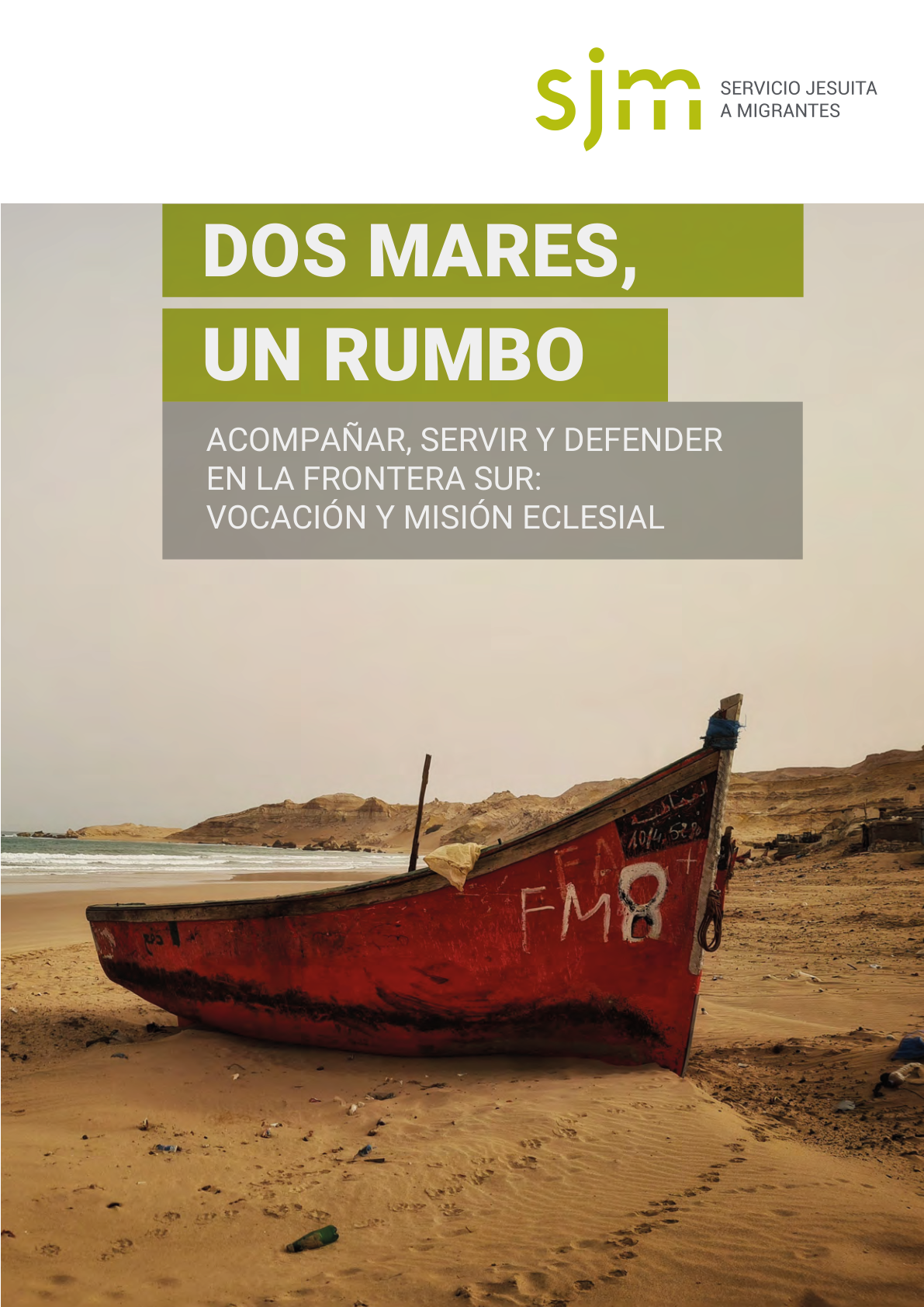
Two Seas, One Course: The 2026 Jesuit Migrant Service Report on Spain’s Southern Border
- Josep Buades
The annual report of the Jesuit Migrant Service (SJM), the social apostolate body of the Society of Jesus in Spain, written by Josep (Pep) Buades Fuster, examines the migratory dynamics of Spain’s ...
videos
From Lavigerie to PISAI: The Institutional History of the Missionaries of Africa’s Engagement with Islam
Delivered on 21 May 2026 at the Pontifical Institute for Arabic and Islamic Studies (PISAI) in Rome, this lecture opens the series of conferences marking the institute's centenary (1926-2026). Fr. ...
videos
Interreligious Dialogue and Ethnic Nationalisms in the Balkans
At the invitation of PISAI (Pontifical Institute for Arabic and Islamic Studies, Rome) and Georgetown University, Ahmet Alibašić, professor of Islamic civilization at the Faculty of Islamic Studies...
article
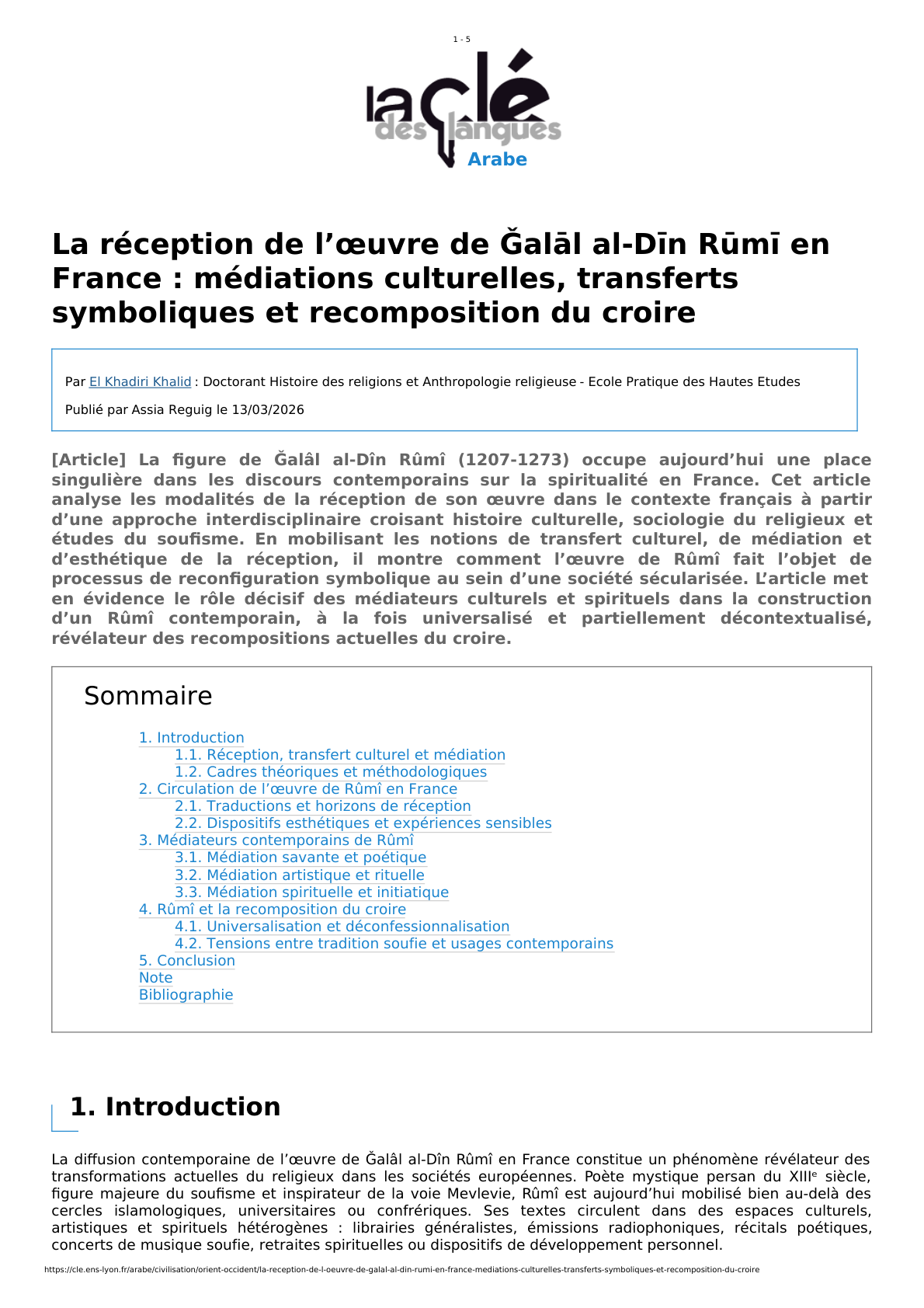
“The Reception of Rūmī’s Work in France: Cultural Mediations, Symbolic Transfers and the Recomposition of Belief”, by Khalid El Khadiri
- Khalid El Khadiri
In the journal La Clé des Langues (ENS de Lyon, March 2026), Khalid El Khadiri, a PhD candidate in the history and sociology of religions at the École pratique des hautes études (EPHE), examines th...

videos
Political and religious anarchism in the musical forms of rebel Islam: from rap to taqwacore
Paper presented at the fifth international congress of the University Platform for Research on Islam (Pluriel), held in Cordoba from 10 to 14 February 2026 on the theme "Ethics and Aesthetics in Is...

videos
From regulating religious sound to transforming it into light: public, legal and architectural debates on the adhān
Paper presented at the fifth international congress of the University Platform for Research on Islam (Pluriel), held in Cordoba from 10 to 14 February 2026 on the theme "Ethics and Aesthetics in Is...
publication
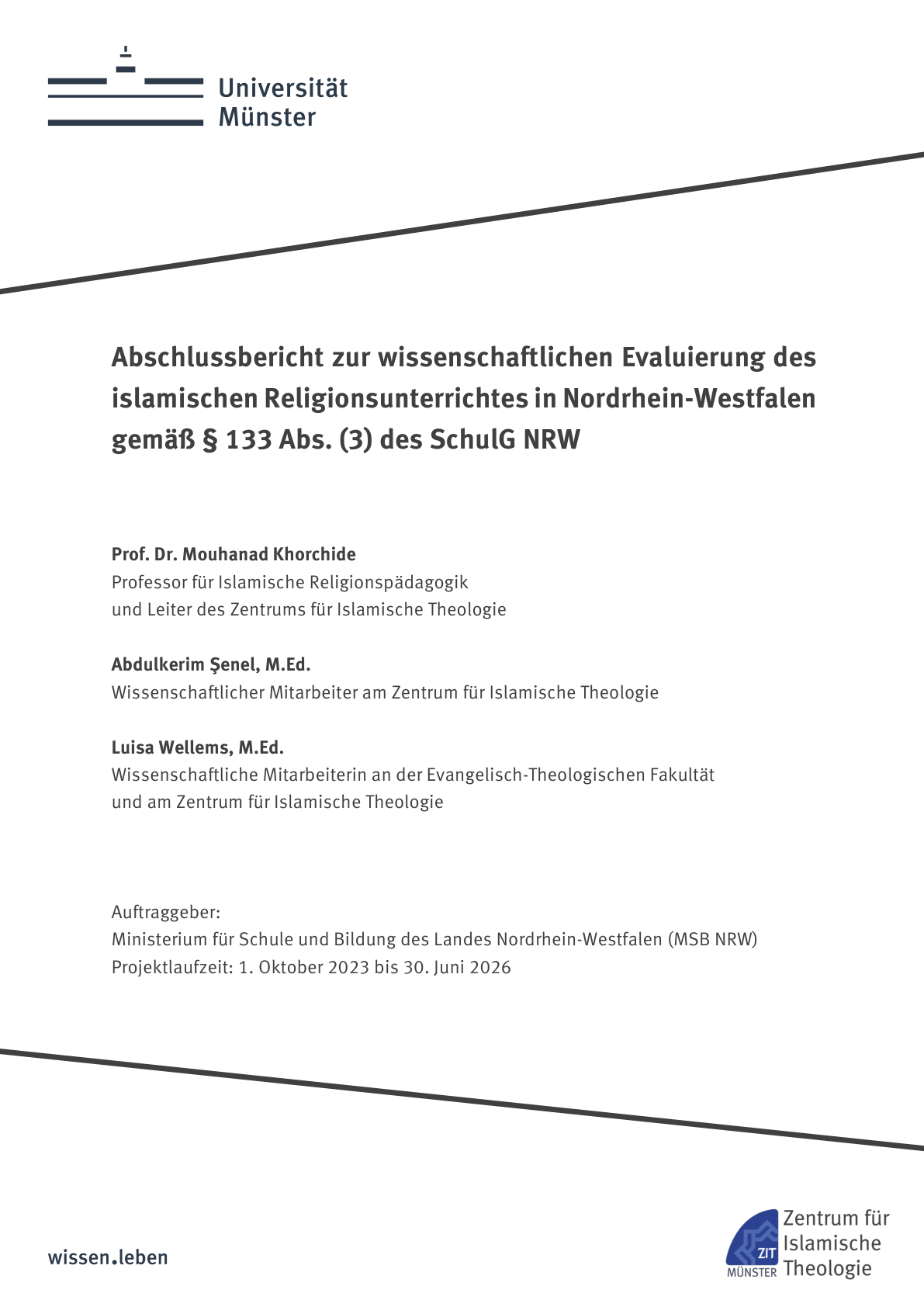
Scientific Evaluation of Islamic Religious Education in North Rhine-Westphalia
- Mouhanad Khorchide
Conducted by the Center for Islamic Theology at the University of Münster (directed by Mouhanad Khorchide) at the request of the Ministry of Education of North Rhine-Westphalia, this final scientif...