
Sayyid Qutb. Architect of Radical Islamism
The thought of Sayyid Qutb (1906–1966) has profoundly shaped a wide range of religio-political movements, from the Muslim Brotherhood to Salafi-jihadists, radicalizing political Islam and inspiring groups such as Al-Qaeda and the Islamic State. Yet Qutb’s thought transcends mere calls to violence; it skillfully interweaves a critique of the West, a search for identity, and an aspiration to an absolute, legitimate Islamic order.
How did Qutb, a man passionate about poetry and literature, embrace an ideology demanding society’s total transformation along Islamist lines? What philosophical, historical, and cultural forces drove his radicalization? This book addresses these questions, departing from prevailing psychological or ideological interpretations and grounding its analysis in meticulous translations of his works. The author examines the very architecture of the Egyptian writer’s discourse, the internal coherence of his thought, and the gradual deepening of its fundamental principles—offering a work that will engage readers interested in history, politics, or philosophy, as well as religious and Islamic studies.
La pensée de Sayyid Qutb (1906-1966) a marqué de nombreuses organisations politico-religieuses, des Frères musulmans aux salafistes djihadistes, et a contribué à radicaliser l’islam politique en inspirant des groupes comme Al-Qaïda et l’État islamique. Mais elle ne se limite toutefois pas à un simple appel à la violence et mêle finement critique de l’Occident, quête identitaire et aspiration à un ordre islamique absolu et légitime.
Comment Qutb, un homme passionné de poésie et de littérature, a-t-il pu endosser une idéologie appelant à la refonte totale de la société selon une vision islamiste? Quelles sont les racines philosophiques, historiques et culturelles de sa radicalisation? Cet ouvrage tente de répondre à ces questions en s’éloignant des interprétations psychologiques ou idéologiques dominantes habituelles et s’appuie sur un travail de traduction rigoureux de l’oeuvre. L’autrice prend en compte la structure même du discours de l’écrivain égyptien, la cohérence interne de sa pensée et l’approfondissement progressif de principes fondamentaux dans un ouvrage qui saura répondre à la curiosité de tout lecteur qui s’intéresse à l’histoire, à la politique ou à la philosophie ainsi qu’aux sciences des religions ou à l’islamologie.
By the same author on Pluriel
Related resources: « Islam Studies »
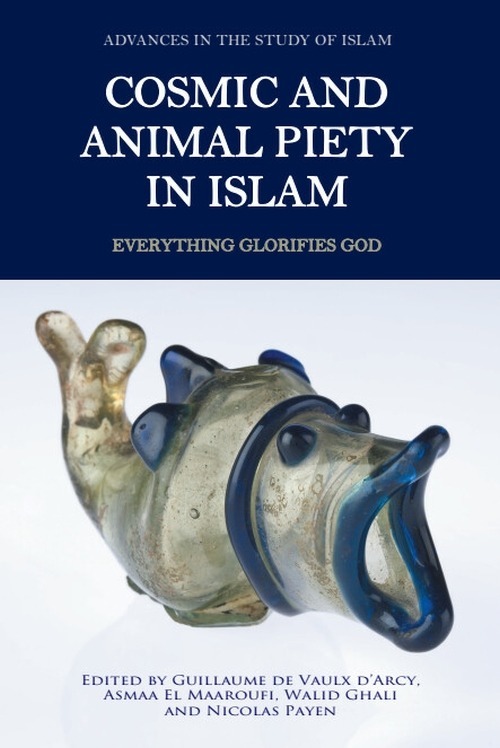 Cosmic and Animal Piety in Islam: Everything Glorifies God
Geneviève Gobillot · Pierre Lory · Florence Ollivry · Guillaume de Vaulx d’Arcy Edited by Walid Ghali, Guillaume de Vaulx d’Arcy, Asmaa El Maaroufi and Nicolas Payen, this collective volume examines the concept of praise (tasbīḥ) in…
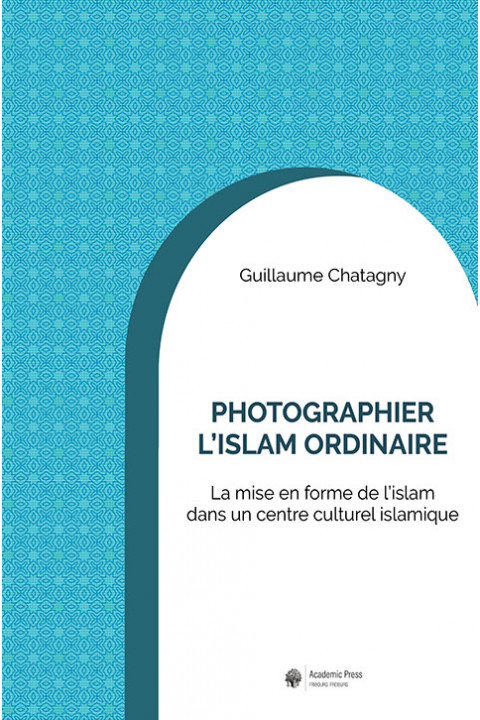 Photographing Ordinary Islam
Guillaume Chatagny What does Islam concretely look like within a Muslim association? This is the question addressed by sociologist Guillaume Chatagny in this book, based on…
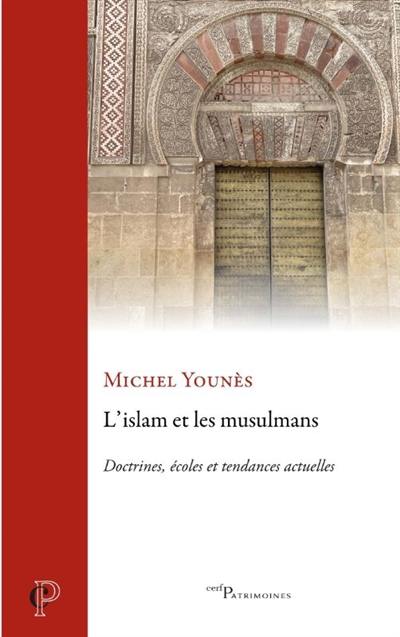 Islam and Muslims. Doctrines, Schools of Thought, and Current Trends
Michel Younès Publication date: April 16, 2026. Islam, as a historical, religious, and civilizational reality, is difficult to define. It can be perceived as a form…
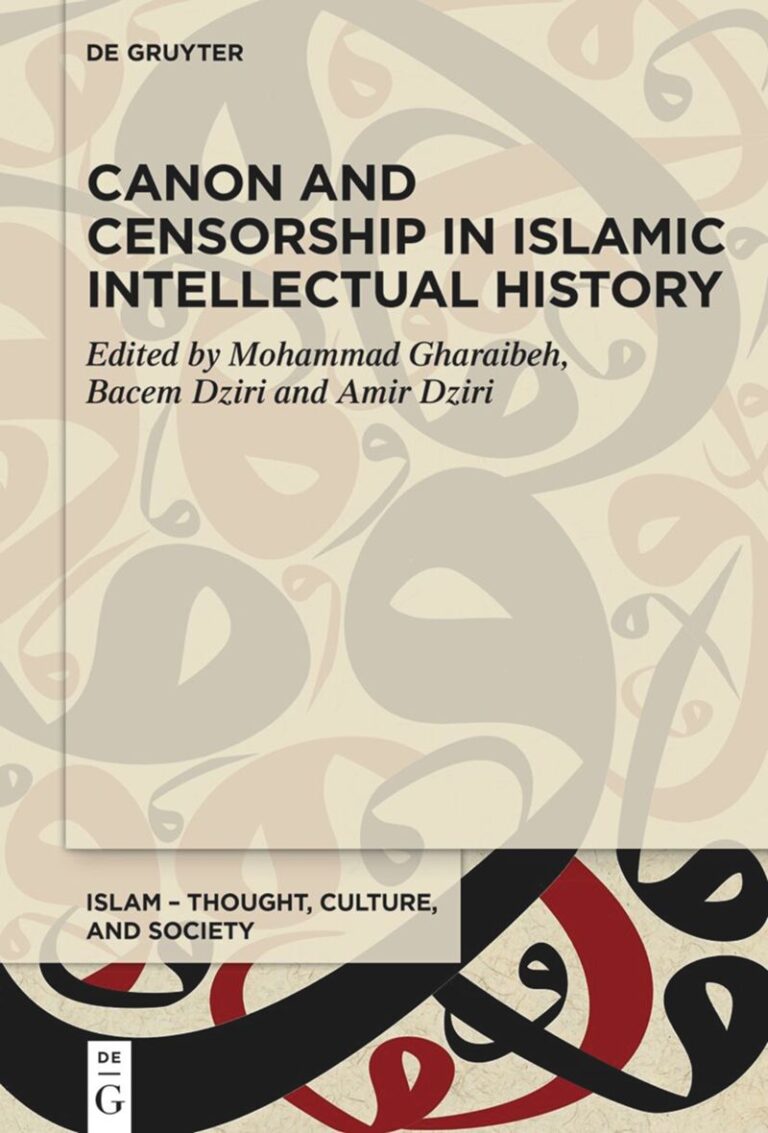 Canon and Censorship in Islamic Intellectual History
Amir Dziri Published in De Gruyter’s series “Islam: Thought, Culture, and Society” (vol. 16, 2026), this collective volume is edited by Mohammad Gharaibeh and Bacem Dziri…
 Ethics and aesthetics in the art galleries of Zamalek
Paper presented at the fifth international congress of the University Platform for Research on Islam (Pluriel), held in Cordoba from 10 to 14 February…
 The theme of the Cordoba congress
Emmanuel Pisani An opening presentation of the stakes of the 5th international congress of the University Platform for Research on Islam (Pluriel), held in Cordoba from…