
24 May 2018 to 25 May 2018
Tell me Europe, how do you feel about religion?
The contributions of religions in the formation of Europe‘s „identity“ cannot be exaggerated. From the infusion of moral codes and educational principles to the productive tensions between the heritage of antiquity and Christianity as well as the bloody intrafaith conflicts which have devastated vast regions over centuries in the early modern period and also led to the creation of a substantial tradition of a(nti-) religious thought from the Enlightenment onwards.
Today, Europe is proud to have overcome most of these strives – with different models, ranging from strict laïcité to cooperative alliances between states and religious bodies. Still, Europe is not „done“ with religions – far from it. Whereas the significance of religious practice and doctrine is on the decline in large parts of Europe‘s societies, new forms of piety and even zealotism are on the rise in others.
For more than one decade questions as to the proper relation between religions and the state, the (counter-)dynamics of “secularization“, the roots of religious violence and the compatibility of “Islam“ with European constitutions and “values“ have been discussed in public with much vigor. All too often, however, these discourses suffer from minds already made up or, worse, closed to rivaling perspectives.
As the climate for productive discussions on religion in Europe gets rougher, it is more than ever vital for academia to create spaces where distinct views get into touch and urgent topics can be addressed in a free and earnest manner.
Admission is free.
We kindly ask to register via systheol@uibk.ac.at
Marie-Luisa Frick, Department of Philosophy,
E-Mail: marie-luisa.frick@uibk.ac.at
Michaela Neulinger, Department of Systematic Theology,
E-Mail: michaela.neulinger@uibk.ac.at
Download the programm : https://www.uibk.ac.at/theol/plakatarchiv/el-tell-me-europe-programm.pdf
The contributions of religions in the formation of Europe‘s „identity“ cannot be exaggerated. From the infusion of moral codes and educational principles to the productive tensions between the heritage of antiquity and Christianity as well as the bloody intrafaith conflicts which have devastated vast regions over centuries in the early modern period and also led to the creation of a substantial tradition of a(nti-) religious thought from the Enlightenment onwards.
Today, Europe is proud to have overcome most of these strives – with different models, ranging from strict laïcité to cooperative alliances between states and religious bodies. Still, Europe is not „done“ with religions – far from it. Whereas the significance of religious practice and doctrine is on the decline in large parts of Europe‘s societies, new forms of piety and even zealotism are on the rise in others.
For more than one decade questions as to the proper relation between religions and the state, the (counter-)dynamics of “secularization“, the roots of religious violence and the compatibility of “Islam“ with European constitutions and “values“ have been discussed in public with much vigor. All too often, however, these discourses suffer from minds already made up or, worse, closed to rivaling perspectives.
As the climate for productive discussions on religion in Europe gets rougher, it is more than ever vital for academia to create spaces where distinct views get into touch and urgent topics can be addressed in a free and earnest manner.
Admission is free.
We kindly ask to register via systheol@uibk.ac.at
Marie-Luisa Frick, Department of Philosophy,
E-Mail: marie-luisa.frick@uibk.ac.at
Michaela Neulinger, Department of Systematic Theology,
E-Mail: michaela.neulinger@uibk.ac.at
Download the programm : https://www.uibk.ac.at/theol/plakatarchiv/el-tell-me-europe-programm.pdf
لا يمكن المبالغة في تقدير إسهامات الأديان في تشكيل «هوية» أوروبا. من ضخّ المدوّنات الأخلاقية والمبادئ التربوية، إلى التوتّرات المنتِجة بين إرث العصور القديمة والمسيحية، وصولاً إلى النزاعات الدموية داخل الديانة الواحدة التي دمّرت مناطق شاسعة على مرّ قرون في مطلع العصر الحديث، وأدّت أيضاً إلى نشوء تقليد جوهري من الفكر (المضادّ) للدين منذ عصر الأنوار.
اليوم، تفخر أوروبا بأنّها تجاوزت معظم هذه التوتّرات، بنماذج مختلفة، من العلمانية الصارمة إلى التحالفات التعاونية بين الدول والهيئات الدينية. غير أنّ أوروبا لم «تُغلق» ملفّها مع الأديان، بل بعيداً عن ذلك. فبينما تراجع أهمية الممارسة والعقيدة الدينيتَين في أجزاء واسعة من مجتمعات أوروبا، تشهد أخرى صعوداً لأشكال جديدة من التقوى بل من التعصّب.
منذ أكثر من عقد، تُناقَش علناً بحماس مسائل العلاقة الملائمة بين الأديان والدولة، وديناميّات «العلمنة» (والمضادّة لها)، وجذور العنف الديني، ومدى توافق «الإسلام» مع الدساتير و«القيم» الأوروبية. لكنّ هذه الخطابات تعاني في الغالب من عقول قد حُسم أمرها، بل من عقول مغلقة أمام المنظورات المنافسة.
مع اشتداد وطأة النقاش حول الدين في أوروبا، صار من الحيوي أكثر من أيّ وقت مضى أن يُنشئ العالم الأكاديمي فضاءات تلتقي فيها الآراء المتباينة، وتُطرَح فيها الموضوعات العاجلة بحرّية وصدق.
الدخول مجاني.
يُرجى التسجيل عبر: systheol@uibk.ac.at
Marie-Luisa Frick، قسم الفلسفة
البريد: marie-luisa.frick@uibk.ac.at
Michaela Neulinger، قسم اللاهوت النظامي
البريد: michaela.neulinger@uibk.ac.at
تحميل البرنامج: https://www.uibk.ac.at/theol/plakatarchiv/el-tell-me-europe-programm.pdf
Resources related to keywords
article
Wael Saleh: “Recognising Without Confining, to Better ‘De-other’ the Public Debate”
- Wael Saleh
In an op-ed published on 20 July 2026 by Le Devoir, Wael Saleh, a member of the scientific committee of Pluriel, puts forward a new concept for contemporary democratic debate: "de-othering" (in Fre...
videos
“War and peace”, by Adrien Candiard
On Wednesday 20 May 2026, the Dominican Institute for Oriental Studies (IDEO) hosted in Cairo a lecture by Brother Adrien Candiard, Dominican and Islamologist, on the theme "War and peace". Faced w...
article
Kenneth Cragg and the Event of the Qur’an
- Timo Güzelmansur
Article by Timo Güzelmansur published under the title Kenneth Cragg und das Ereignis des Koran on the theological portal feinschwarz.net (12 June 2026, open access). Timo Güzelmansur presents the A...
article
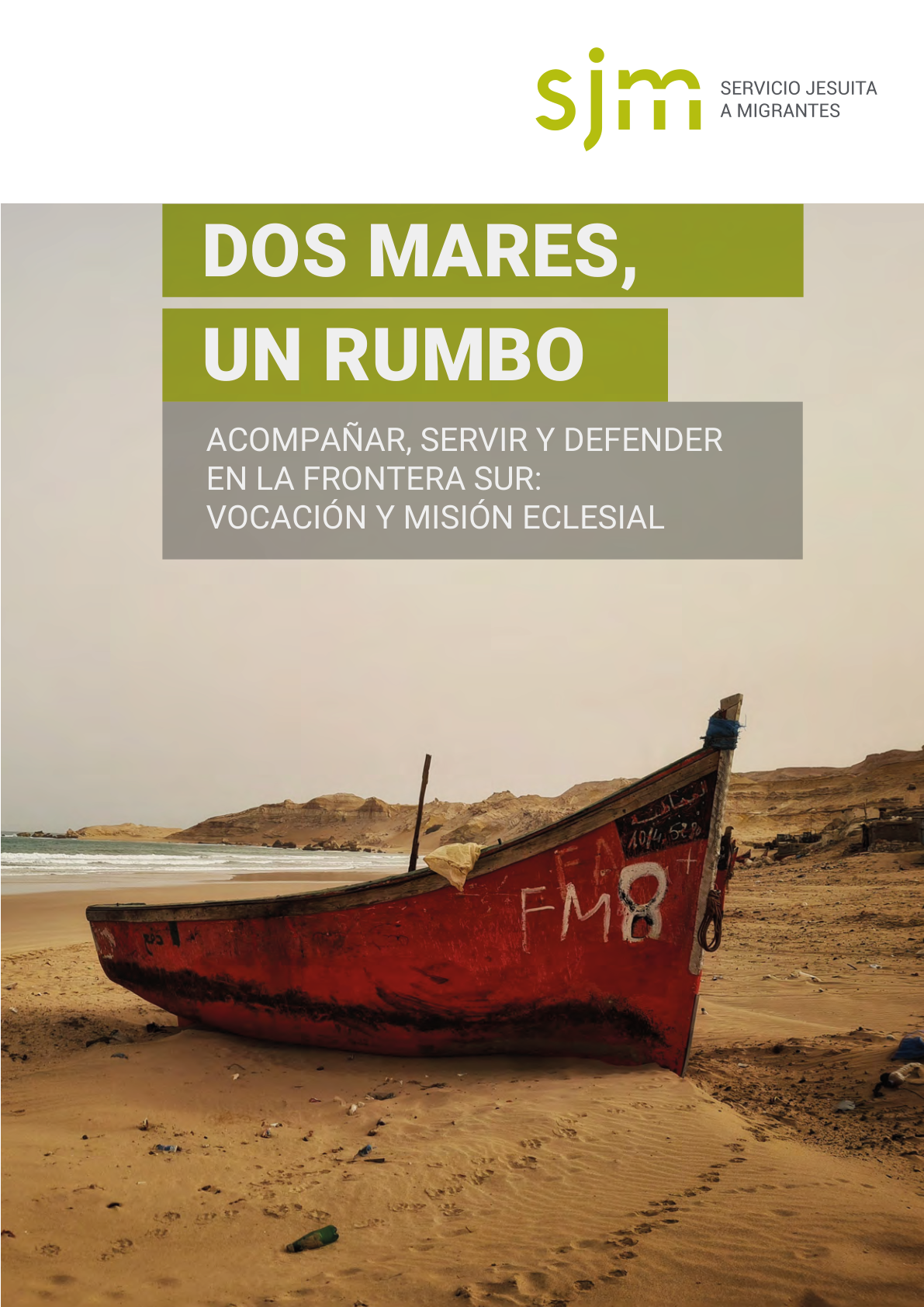
Two Seas, One Course: The 2026 Jesuit Migrant Service Report on Spain’s Southern Border
- Josep Buades
The annual report of the Jesuit Migrant Service (SJM), the social apostolate body of the Society of Jesus in Spain, written by Josep (Pep) Buades Fuster, examines the migratory dynamics of Spain’s ...
publication
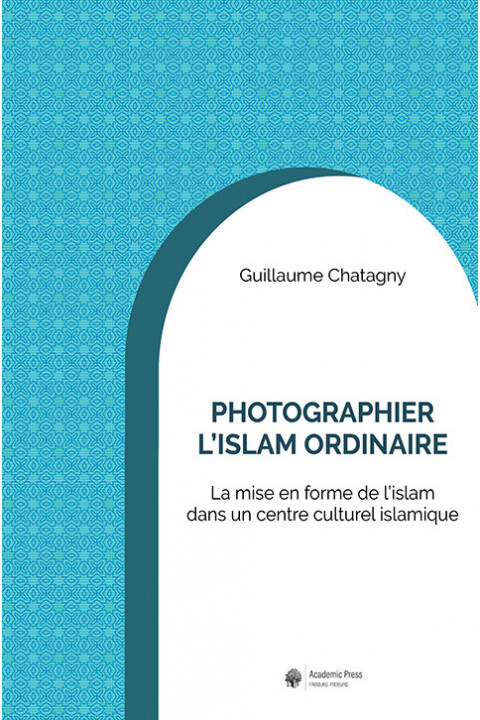
Photographing Ordinary Islam
- Guillaume Chatagny
What does Islam concretely look like within a Muslim association? This is the question addressed by sociologist Guillaume Chatagny in this book, based on fieldwork conducted between 2017 and 2021 w...

article
Leo XIV’s encyclical Magnifica Humanitas and the Pluriel working group on AI-assisted interreligious dialogue
- Wael Saleh
Text by Wael Saleh, researcher at the Université du Québec à Montréal (UQAM) and member of the Pluriel coordination committee. The simultaneous appearance of Leo XIV's encyclical Magnifica Human...
publication
The Recognition of a Hummingbird. Essays on Interreligious Dialogue and Missionary Work (2007-2025)
- Rémi Caucanas
Published in May 2026 by PISAI (Pontifical Institute for Arabic and Islamic Studies, Rome), this collection brings together the essays of Rémi Caucanas on interreligious dialogue and missionary wor...
videos
From Lavigerie to PISAI: The Institutional History of the Missionaries of Africa’s Engagement with Islam
Delivered on 21 May 2026 at the Pontifical Institute for Arabic and Islamic Studies (PISAI) in Rome, this lecture opens the series of conferences marking the institute's centenary (1926-2026). Fr. ...