
5 November 2020
Université de Montréal
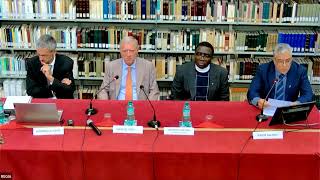
Conference about Radicalization at ‘Entretiens Jacques Cartier’
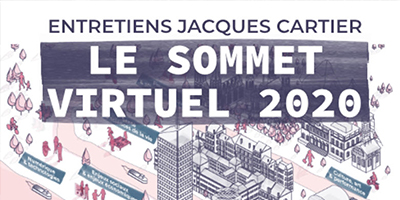
After a first conference on this theme organized in Quebec in 2019 (32nd Jacques Cartier Interviews), the member research groups of Pluriel from Lyon and Montreal are co-organizing a second conference on the theme of radicalization leading to violence. The health context has forced the organizers to an “online” version: The virtual summit.
Check info in French on the event website : https://www.centrejacquescartier.com/les-entretiens/
Après un premier colloque sur ce thème organisé au Québec en 2019 (32 è Entretiens Jacques Cartier), les groupes de recherche membres de Pluriel de Lyon et de Montréal co-organisent un second colloque sur le thème de la radicalisation menant à la violence. Le contexte sanitaire a contraint les organisateurs à une version « online » : Le sommet virtuel.

Infos et inscriptions sur le site internet de l’évènement : https://www.centrejacquescartier.com/les-entretiens/
33è Entretiens Jacques Cartier : le rendez-vous France x Québec – #EJCVIRTUEL
Enjeux sociaux et économiques
LA RADICALISATION MENANT À LA VIOLENCE AU NOM DE L’ISLAM OU DU NATIONALISME : APPROCHES ET ENJEUX ÉPISTÉMOLOGIQUES, MÉTHODOLOGIQUES ET ÉTHIQUES
JEUDI 5 NOVEMBRE
8h – 8h15 // 14h – 14h15 I CONFÉRENCE D’OUVERTURE
Pour faire avancer l`entente France-Québec sur la radicalisation (2016) : création d’un groupe de recherche franco-québécois sur les enjeux épistémologiques et méthodologiques des études sur la violence au nom de l’islam au sein de Plateforme Universitaire de Recherche sur L’Islam en Europe et au Liban (PLURIEL)
_Michel Younès (co-président)
_Patrice Brodeur (co-président)
_Wael Saleh (co-président)
8h15 – 9h // 14h15 – 15h I PANEL 1 : Radicalisation menant à la violence au nom de l’Islam ou du nationalisme : discours, réception et contre-discours
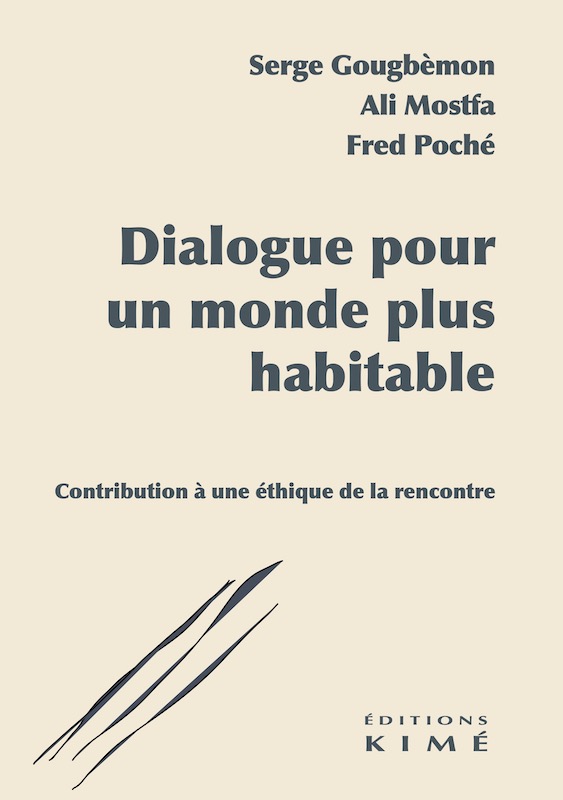
_Ali Mostfa
La radicalisation au nom de l’islam. Entre discours, réception et contre-discours
_Haouès Seniguer
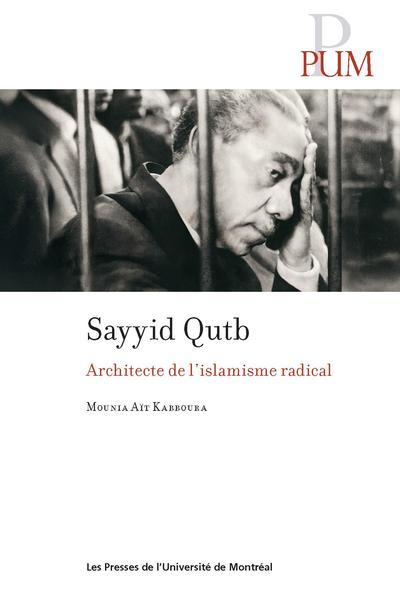
Le discours islamique contemporain à l’épreuve de la violence : de quelques enseignements utiles de l’œuvre de Nasr Hamid Abou Zayd (1943-2010)
_Solange Lefebvre
Peur de quoi ? L’extrémisme violent au Québec et le paysage médiatique
9h – 10h // 15h – 16h I PANEL 2 : Enjeux épistémologiques et éthiques de l’étude de la radicalisation menant à la violence au nom de l’islam : apports de l’islamologie appliquée et de l’islamismologie appliquée
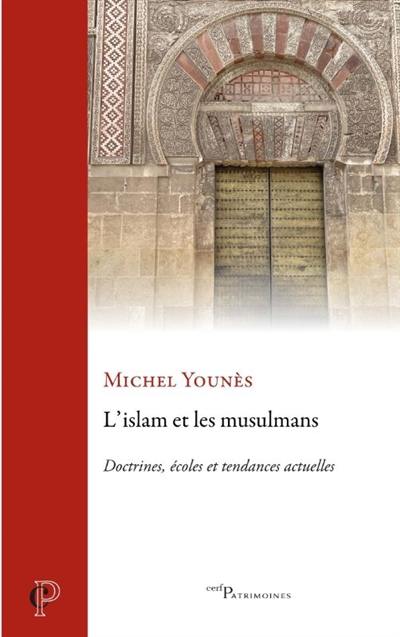
_Michel Younès
L’islamologie appliquée : recherches universitaires et enjeux sociétaux
_Yosra Gharmi
« Islamologie appliquée : le cas de la finance islamique en France et au Canada »
_Wael Saleh
L’islamismologie appliquée : une approche pour mieux comprendre la radicalisation menant à la violence au nom de l’islam (1)
_Patrice Brodeur
L’islamismologie appliquée : une approche pour mieux comprendre la radicalisation menant à la violence au nom de l’islam (2)
10h – 10h30 // 16h – 16h30 I PANEL 2 : Radicalisation menant à la violence au nom de l`islam ou du nationalisme : enjeux méthodologiques
_Bénédicte Du Chaffaut
Méthodologie d’analyse des discours de radicalisation et des contre-discours: pertinence des approches quantitatives et qualitatives.
_Karim Kardady
Islamisme, terrorisme et propagande numérique : entre enjeux épistémologiques et défis de l’interdisciplinarité.
10h30 – 11h // 16h30 – 17h I DISCUSSION
Période de questions et de réponses entre les membres du public et les conférenciers