
University platform for research on Islam
Initiated by
the Federation
of European
Catholic
Universities
Supported by
the International
Federation
of Catholic
Universities
Hosted by

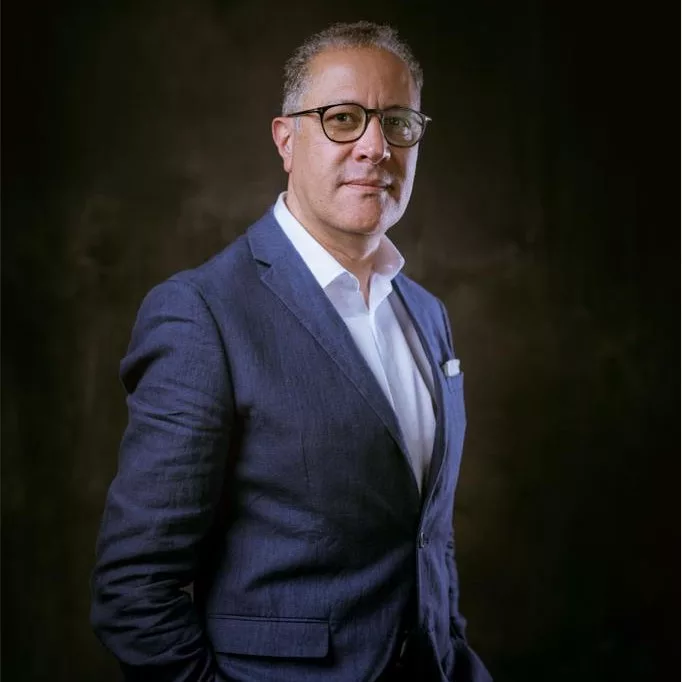
Hamadi Redissi



Hamadi Redissi, born in 1952 in Tunisia, is Professor of Political Science at the University of Tunis. He is the author of numerous books and studies on the Arab-Muslim world written in a comparative and multidisciplinary perspective (history, political theory and sociology). He has been awarded grants from the Anne-Marie-Schimmel Foundation in Bonn (June 2005) and the Senior Fulbright Programme in New York (1998-1999). He was a visiting scholar at Yale University from 2007 to 2008, and a resident at the Center for Advanced Studies “Recht als Kultur” in Bonn in 2010. He was also a visiting professor at the University of Bologna (2000-2010) and at the University of Saint Joseph in Beirut (2000-2014). He is a member of the A.I.M.S. (American Institute For Maghreb Studies), as well as of the editorial boards of the journals Jura Gentium (Florence) and Iris (European Journal of Philosophy and Public Debate). Involved in the public debate in Tunisia, he is honorary president of the Tunisian Observatory of Democratic Transition.


Affiliation institution(s)
Resources of this researcher
-
publication
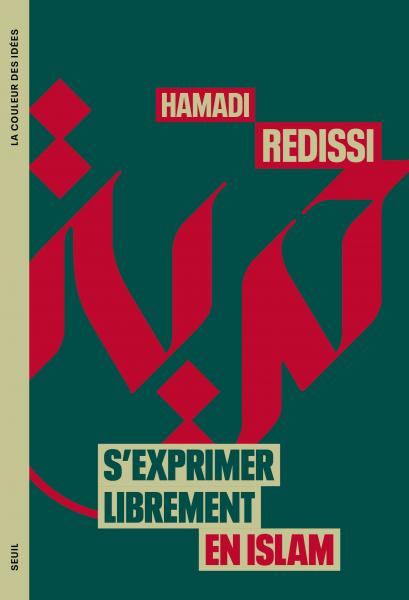
Speaking freely in Islam
- Hamadi Redissi
What is the Islamic doctrine of blasphemy, insult to God, religion and the Prophet? What about the prohibition of figurative representation of Muhammad? Can one openly believe or abjure in Islam? T...
-

videos
Blasphemy in Islam, past and present
- Hamadi Redissi
Lecture by Hamadi REDISSI, Professor of Political Science at the University of Tunis, given on 26 June 2018 at the Pontifical Gregorian University in Rome within the framework of the second interna...
Location
Resources related to Political Sciences
videos
Interreligious Dialogue and Ethnic Nationalisms in the Balkans
At the invitation of PISAI (Pontifical Institute for Arabic and Islamic Studies, Rome) and Georgetown University, Ahmet Alibašić, professor of Islamic civilization at the Faculty of Islamic Studies...
publication
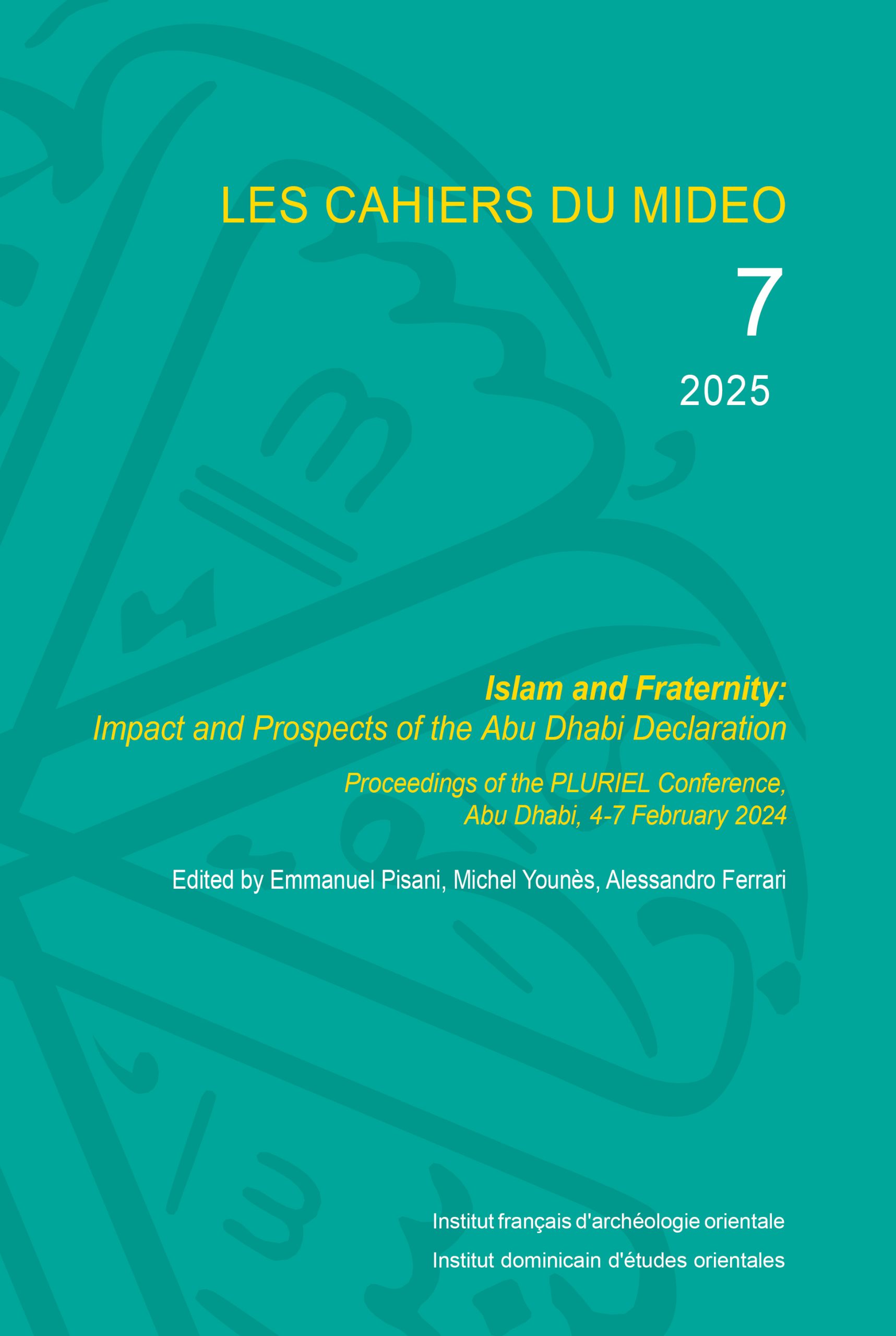
Islam and Fraternity: Impact and Prospects of the Abu Dhabi Declaration
The volume dedicated to the conference “Islam and Fraternity”, held in Abu Dhabi from February 4 to 7, 2024, under the auspices of the PLURIEL network, in partnership with Trends, a research center...
publication
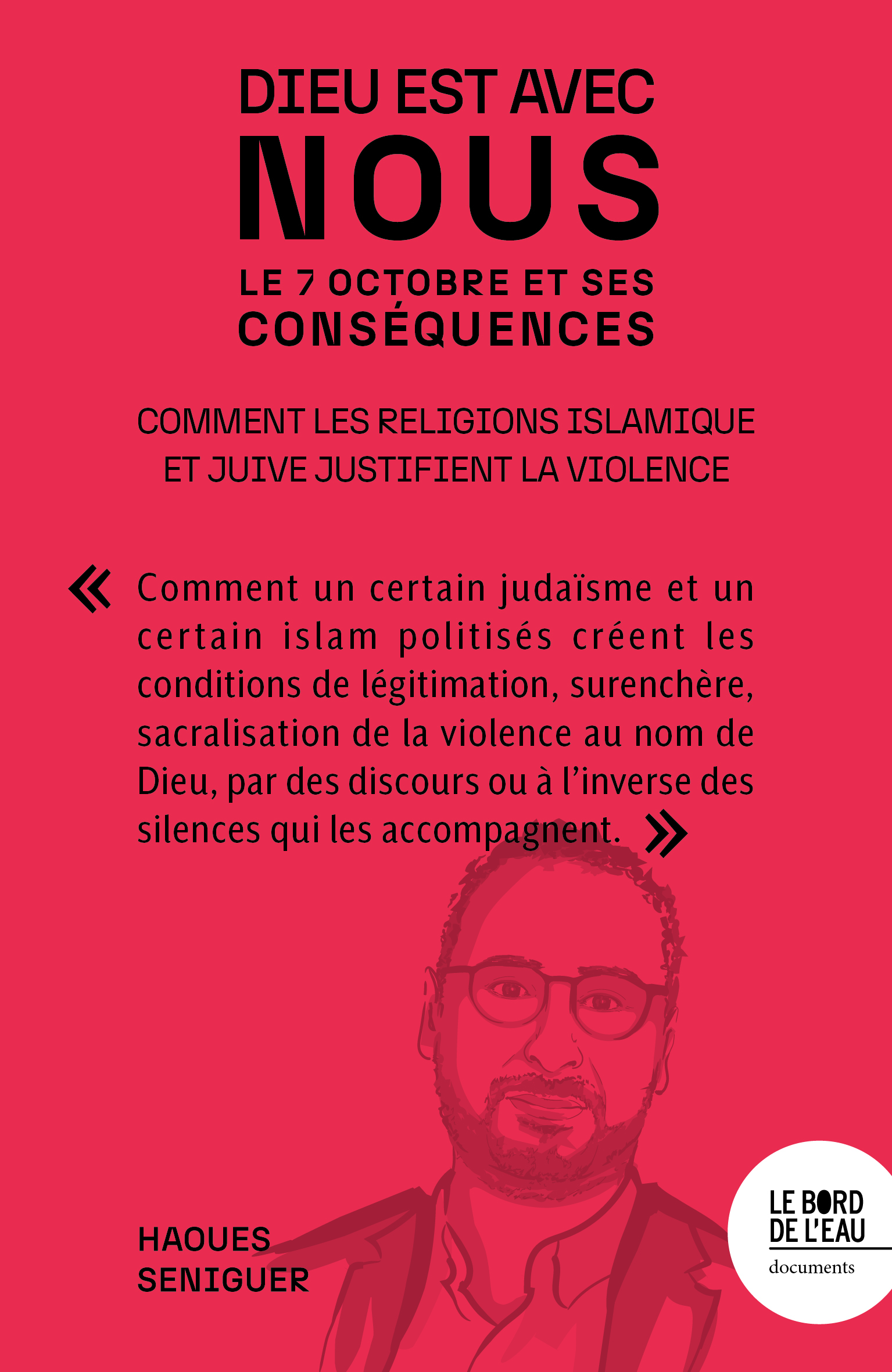
God Is with Us: How Islam and Judaism Justify Violence
- Haoues Seniguer
Long before October 7, 2023—and even more so since—certain politicized strands of Judaism and Islam have been creating conditions that legitimize, escalate, and sacralize violence in God’s na...
publication
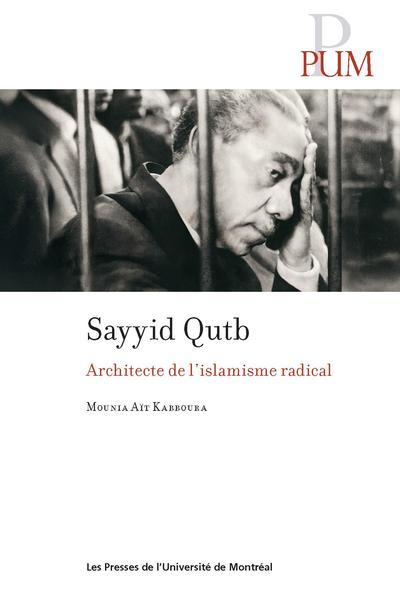
Sayyid Qutb. Architect of Radical Islamism
- Mounia Ait Kabboura
The thought of Sayyid Qutb (1906–1966) has profoundly shaped a wide range of religio-political movements, from the Muslim Brotherhood to Salafi-jihadists, radicalizing political Islam and inspiring...
article
Muslim worship in France: is the State-led reorganization underway?
- Mohamed-Ali Mostfa
In this article published on February 26, 2025, on The Conversation, Ali Mostfa analyzes the evolution of the Forum of Islam in France (Forif), created in 2022 to replace the French Council of Musl...
publication
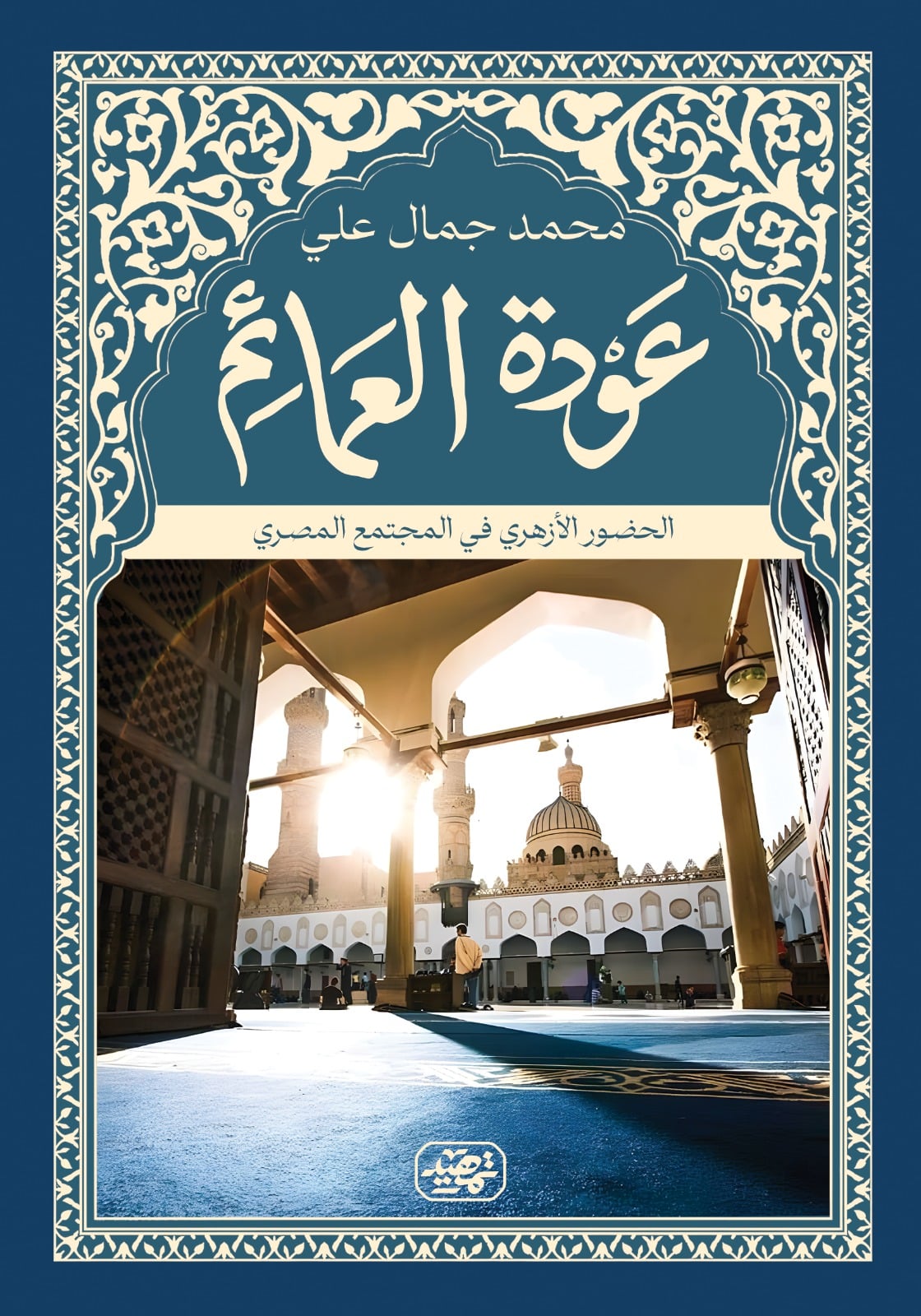
The Return of Turbans. Al-Azhar’s Presence in Egyptian Society
- Mohamed Gamal Ali
Published in late 2024, “The Return of the Turbans: Al-Azhar’s Presence in Egyptian Society” is the culmination of Mohamad Gamal Ali’s master’s thesis in political sci...

videos
Islam in Europe or European Islam?
In this conference given on January 30, 2025, at PISAI (Pontifical Institute for Arabic and Islamic Studies) in Rome, political scientist Olivier Roy offers an in-depth analysis of the Muslim prese...

videos
Freedom of conscience, a contested yet resilient right
- Dominique Avon
Rome. In a conference given on November 28, 2024, at the Pontifical Institute for Arabic and Islamic Studies, Professor Dominique Avon from the École Pratique des Hautes Études in Paris traced the ...