
27 June 2016 to 30 June 2016
ICP – International Conference: “Diverse Cultural and Religious Ways of Thinking, A Dia-logue” (June 27-30, 2016)
Our world is made up of very diverse cultural and religious traditions. How do they come together and engage in dialogue when they each have their own particular intellectual conventions and understanding of the world?
This is the fundamental and inescapable question being considered by the Conference: Diverse Cultural and Religious Ways of Thinking and Reasoning – a Conversation.
A research project on this subject was initiated five years ago by the Institute of Science and Theology of Religions, as part of the Research Unit: “Religions, Culture and Society” of the Catholic Institute of Paris. It has led to three successive colloquiums (two organized in Paris and one in Taipei), research days, as well as several publications.
Following these five years of research, this conference presents a unique opportunity to bring together in Paris researchers from universities in the four points of the compass: South Africa and Latin America, the North Atlantic region, Asia and the West.
It builds on the collaboration initiated by the University Fu Jen of Taipei, the International Review of Theology Concilium1 and the Order of Preachers, and will engage university partners from different continents and religions (researchers and universities), in particular those of the Southern Hemisphere. The structure of the program allows for both plenary and workshop sessions. Each workshop will take the form of a panel of three speakers who will make short presentations and then open discussion with the audience. In this way the conference will enable both experienced and beginning researchers to make contributions that will promote interaction among a variety of religious and cultural disciplines. The conference will bring together about 300 people.
Outcomes of the conference will be featured in an issue of Concilium (2017/1, with 10,000 printings in 6 languages). Papers of panelists will be published in an e-book. Hard copies will be available on request everywhere in the world. The conference will be covered by French and international public and academic media, both civil and religious.
For more details: http://congrestheologicum2016-icp.fr
Notre planète est constituée d’univers culturels et religieux très divers. Comment se rencontrent-ils et dialoguent-ils, alors que leur approche rationnelle et leur appréhension du monde est singulière ? Telle est la question fondamentale et aujourd’hui incontournable que le congrès “Dialogue des rationalités culturelles et religieuses” se propose de traiter.
La réflexion sur ce sujet a été initiée il y a cinq ans par le Theologicum (Faculté de Théologie et de sciences religieuses de l’Institut Catholique de Paris). Elle se prolonge aujourd’hui dans le cadre de l’Unité de recherche « Religions, culture et société » – EA 7403de l’Institut Catholique de Paris.
Cet événement international est organisé avec l’appui de 15 universités, de la revueConcilium, de l’Ordre des Prêcheurs et de l’UR de l’Institut Catholique de Paris. Après trois colloques d’étape (deux à Paris, un à Taipei), plusieurs journées d’études et des publications, le congrès est une opportunité exceptionnelle pour rassembler à Paris des chercheurs des Universités du Sud, du Nord, de l’Est et de l’Ouest.
Thierry-Marie Courau, Bernard Bourdin, Anne Douaire-Banny, Jérôme de Gramont, Vincent Holzer, Jean-Louis Souletie enseignants-chercheurs et membres l’UR de l’ICP participeront à l’événement.
La question : des rationalités en dialogue
Nous sommes toujours l’Est ou l’Ouest d’une autre culture que la nôtre.
Que se passe-t-il quand elles se font face ?
Que se passe-t-il quand un chinois reçoit une pensée européenne, un discours européen dont les structures ont été construites, élaborées pendant des siècles ? Et réciproquement. Plus généralement, qu’est-ce que l’acte de penser et de communiquer dans une culture, une tradition religieuse, un monde, et comment ceux-ci en rencontrent-ils d’autres ?
Proposer un changement de paradigme
Le Congrès se propose de prendre comme hypothèse que les différences culturelles et religieuses avec leurs aspects singuliers et irréductibles ne sont pas des obstacles à un dialogue véritable, mais représentent de plus et bien au contraire des atouts pour une connaissance plus juste de soi et d’autrui, pour la construction d’un projet commun de société. Il s’agit d’un changement de paradigme car la pratique la plus partagée est de penser pouvoir réussir le dialogue d’abord à partir de ce que les partenaires ont de semblable.
Les résultats du congrès feront l’objet d’un numéro de la revue Concilium en janvier 2017.
Pour connaitre tous les détails du congrès : http://congrestheologicum2016-icp.fr
يتكوّن كوكبنا من عوالم ثقافية ودينية شديدة التنوّع. كيف تلتقي وتتحاور، في حين أنّ مقاربتها العقلانية وإدراكها للعالم كلاهما فريد؟ هذا هو السؤال الجوهري الذي لا مناص منه اليوم، والذي يقترح المؤتمر «حوار العقلانيات الثقافية والدينية» تناوله.
انطلق التفكير في هذا الموضوع منذ خمس سنوات في Theologicum (كلية اللاهوت وعلوم الأديان بالمعهد الكاثوليكي في باريس). ويتواصل اليوم في إطار وحدة البحث «الأديان والثقافة والمجتمع» – EA 7403 بالمعهد الكاثوليكي في باريس.
يُنظَّم هذا الحدث الدولي بدعم من 15 جامعة، ومجلة Concilium، ورهبانية الوعّاظ، ووحدة البحث بالمعهد الكاثوليكي في باريس. وبعد ثلاثة مؤتمرات مرحلية (اثنين في باريس، وواحد في تايبيه)، وأيام دراسية عدة ومنشورات، يمثّل المؤتمر فرصةً استثنائية لجمع باحثين من جامعات الجنوب والشمال والشرق والغرب في باريس.
سيُشارك في هذا الحدث Thierry-Marie Courau، Bernard Bourdin، Anne Douaire-Banny، Jérôme de Gramont، Vincent Holzer، Jean-Louis Souletie، أساتذة وباحثون وأعضاء وحدة البحث بالمعهد الكاثوليكي في باريس.
السؤال: عقلانيات في حوار
نحن دائماً «الشرق» أو «الغرب» لثقافة أخرى غير ثقافتنا.
ماذا يحدث عندما تتقابل؟
ماذا يحدث عندما يتلقّى صيني فكراً أوروبياً، خطاباً أوروبياً بُنيت هياكله وطُوِّرت عبر قرون؟ والعكس بالعكس. وبشكل أعمّ، ما هو فعل التفكير والتواصل داخل ثقافة أو تقليد ديني أو عالم، وكيف تلتقي هذه الأخيرة بأخرى؟
اقتراح تغيير نموذجي
يقترح المؤتمر افتراضاً مفاده أنّ الفوارق الثقافية والدينية، بجوانبها الفريدة وغير القابلة للاختزال، ليست عقبات أمام حوار حقيقي، بل تُشكّل، على العكس، أوراقاً رابحة لمعرفة أعدل بالذات وبالآخر، ولبناء مشروع مجتمعي مشترك. الأمر هنا يتعلّق بتغيير نموذجي، إذ إنّ الممارسة الأكثر شيوعاً هي التفكير بأنّ الحوار لا ينجح إلا انطلاقاً ممّا يتشارك فيه الطرفان.
ستُنشر نتائج المؤتمر في عدد من مجلة Concilium.
Resources related to keywords
article
Wael Saleh: “Recognising Without Confining, to Better ‘De-other’ the Public Debate”
- Wael Saleh
In an op-ed published on 20 July 2026 by Le Devoir, Wael Saleh, a member of the scientific committee of Pluriel, puts forward a new concept for contemporary democratic debate: "de-othering" (in Fre...
videos
“War and peace”, by Adrien Candiard
On Wednesday 20 May 2026, the Dominican Institute for Oriental Studies (IDEO) hosted in Cairo a lecture by Brother Adrien Candiard, Dominican and Islamologist, on the theme "War and peace". Faced w...
article
Kenneth Cragg and the Event of the Qur’an
- Timo Güzelmansur
Article by Timo Güzelmansur published under the title Kenneth Cragg und das Ereignis des Koran on the theological portal feinschwarz.net (12 June 2026, open access). Timo Güzelmansur presents the A...
article
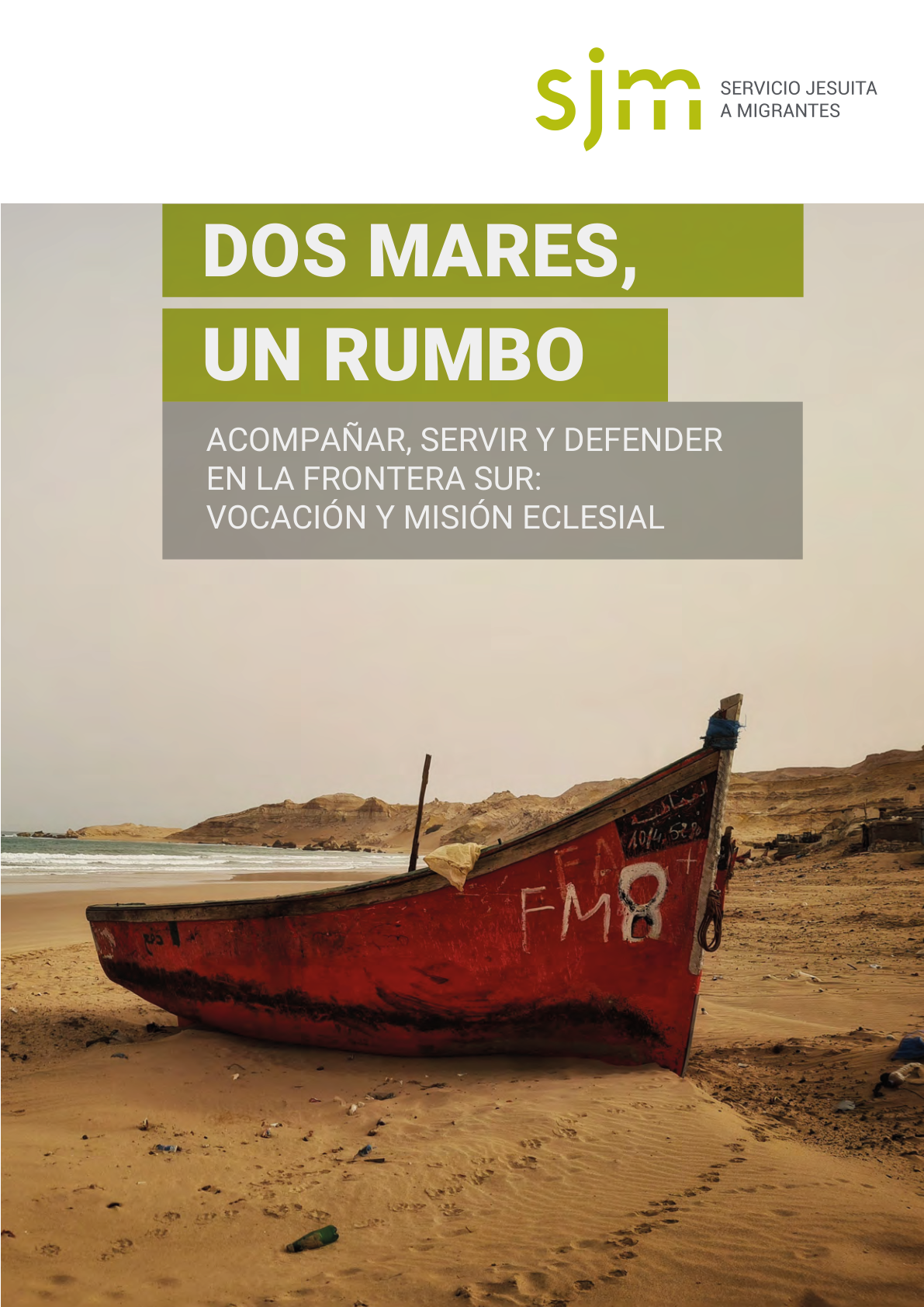
Two Seas, One Course: The 2026 Jesuit Migrant Service Report on Spain’s Southern Border
- Josep Buades
The annual report of the Jesuit Migrant Service (SJM), the social apostolate body of the Society of Jesus in Spain, written by Josep (Pep) Buades Fuster, examines the migratory dynamics of Spain’s ...
publication
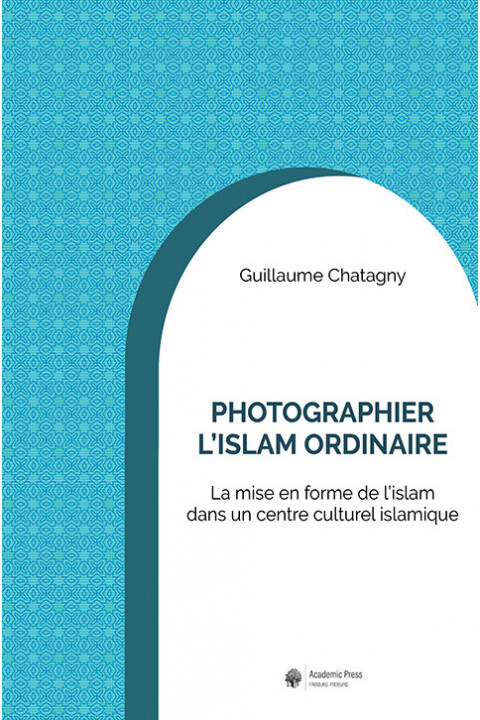
Photographing Ordinary Islam
- Guillaume Chatagny
What does Islam concretely look like within a Muslim association? This is the question addressed by sociologist Guillaume Chatagny in this book, based on fieldwork conducted between 2017 and 2021 w...

article
Leo XIV’s encyclical Magnifica Humanitas and the Pluriel working group on AI-assisted interreligious dialogue
- Wael Saleh
Text by Wael Saleh, researcher at the Université du Québec à Montréal (UQAM) and member of the Pluriel coordination committee. The simultaneous appearance of Leo XIV's encyclical Magnifica Human...
publication
The Recognition of a Hummingbird. Essays on Interreligious Dialogue and Missionary Work (2007-2025)
- Rémi Caucanas
Published in May 2026 by PISAI (Pontifical Institute for Arabic and Islamic Studies, Rome), this collection brings together the essays of Rémi Caucanas on interreligious dialogue and missionary wor...
videos
From Lavigerie to PISAI: The Institutional History of the Missionaries of Africa’s Engagement with Islam
Delivered on 21 May 2026 at the Pontifical Institute for Arabic and Islamic Studies (PISAI) in Rome, this lecture opens the series of conferences marking the institute's centenary (1926-2026). Fr. ...