


Français
Du 4 au 7 février 2024 : congrès « Islam et fraternité » à Abu Dhabi
L’intégralité du congrès est traduite simultanément en français, anglais et arabe.
Dimanche 4 février 2024
Lundi 5 février 2024
9h
Institut pontifical d'études arabes et islamiques, Rome, Italie
10h-11h30 : Les enjeux géopolitiques du Document sur la fraternité
Salle 1
Université de l'Insubrie, Italie
Human Brotherhood and sustainable development in the 2030 horizon: theological perspectives vs geopolitical strategies?
Université de l'Insubrie, Italie
Trends Research and Advisory, Émirats arabes unis
Shifting sands of policy: geopolitics and interfaith dialogue in the Middle East
Université d'Alger 3, Algérie
"Le Document sur la fraternité humaine" et la théorie des relations internationales : un nouveau raisonnement dans l'intégration du rôle de la religion et la résolution des conflits
Salle 2
Faculté de philosophie et de théologie de Sankt Georgen, Francfort-sur-le-Main, Allemagne
Faculté de théologie de l'Université de Lugano, Suisse italienne
Trends Research and Advisory, Émirats arabes unis
Les accords abrahamiques comme reflet pour la vision émiratie en matière de fraternité humaine
11h50-13h15 : La réception problématique de la fraternité
Salle 1
TRENDS Research & Advisory, Émirats arabes unis
Les différents types de religiosité dans le monde arabe et leur impact sur l'annonce d'Abu Dhabi pour la coexistence entre chrétiens et musulmans et ses perspectives
Université Antonine, Baabda, Liban
La notion de "fraternité" dans la pensée islamique contemporaine : entre conception et application
Institut de théologie systématique de l'Université d'Innsbruck, Autriche
More of the same? Reading the Document on Human Fraternity in the Context of Women’s Rights
Salle 2
Faculté de théologie de l'Université Loyola, Grenade, Espagne
Enquête sur la réception du Document sur la fraternité d’Abu Dhabi parmi les centres islamiques d’Andalousie
TRENDS Research and Advisory, Émirats arabes unis
La fraternité chez les Frères Musulmans en tant qu'antidote idéologique à la fraternité humaine
Université catholique de Lyon, France
La fraternité humaine face à l’extrémisme - Les enjeux d’un principe controversé
14h30-16h : Fraternité et droit des minorités
Salle 1
École Normale Supérieure, France | Université Sidi Mohamed Ben Abdellah, Maroc
Redéfinir la notion de "citoyenneté égale" dans le Maroc post-2011 : une lecture critique des Déclarations de Marrakech et d'Abu Dhabi
Université des Études de l'Insubrie de Côme, Italie
Minorités religieuses et Document sur la fraternité humaine : la nouvelle responsabilité publique du dialogue islamo-chrétien
Université Salahaddin, Iraq
Le concept de citoyenneté à la lumière du Document sur la fraternité humaine : une étude analytique
Université Lumière Lyon 2, France
Le statut des femmes chrétiennes dans les communautés musulmanes : une vision sur l’application de la déclaration d’Abu Dhabi sur la coexistence entre chrétiens et musulmans
Salle 2
Faculté des arts et des sciences humaines du King's College de Londres, Royaume-Uni
Cosmopolitisme et droits des minorités : aller au-delà de la protection des minorités ethnoreligieuses au Moyen-Orient
Centre Population et Développement Université Paris Cité/IRD, France
Pleine citoyenneté et pluralité des statuts personnels en Égypte et au Liban
Fellow of the Merian Centre for Advanced Studies in the Maghreb (MECAM) - 2023/2024, Université de Tunis, and Postdoctoral Research Fellow at the WZB Berlin Social Science Center La liberté de conscience à la lumière du Document sur la fraternité humaine pour la paix mondiale et le vivre-ensemble : les cas de la Tunisie et du Liban
Mardi 6 février 2024
9h-10h45 : Fondements et enjeux théologiques de la fraternité
Salle 1
Centre pour la réalisation du patrimoine arabe, Université de Sciences et Technologie, Égypte
Les Frères humains dans la pensée islamique : perspectives théoriques
Université catholique de Louvain, Belgique | University of Public Service, Budapest, Hongrie
La fraternité humaine comme fondement de la loyauté envers les non-musulmans
Université de Fribourg | Fonds National Suisse
Et le Verbe s’est fait frère. La fraternité vécue à Tibhirine (Algérie)
Studio Teologico Interprovinciale Laurentianum, Venise, Italie Fraternité humaine pour la paix mondiale et le vivre ensemble, théologies chrétienne et musulmane des religions et leur compréhension de la mission
Salle 2
Université catholique de Lyon, France
Pour une fraternité théologique dialogale : une relecture du document sur la Fraternité humaine à la lumière des premiers écrits théologiques arabes
Institut dominicain d'études orientales, Le Caire, Égypte
Le sacrement du frère : une relecture théologique des écrits de Christian de Chergé
La fraternité dans le récit coranique est une introduction à la fraternité humaine. Les frères de Joseph comme modèle
Université catholique de Lille, France
Fraternité humaine et paternité divine - Enjeux théologiques et sociétaux entre musulmans et chrétiens
11h15 : Conférence à deux voix
École Pratique des Hautes Études, Paris, France
Azharis, représentations du christianisme et aléas du dialogue islamo-catholique (années 1940-années 2010)
Institut dominicain d'études orientales, Le Caire, Égypte
De la Déclaration Nostra Aetate au Document d’Abu Dhabi. Relecture d’une trajectoire historique et théologique dans l’approche catholique du dialogue islamo-chrétien
14h-15h30 : Expérience et analyse suivant les contextes nationaux
Salle 1
Université de Montréal, Institut d'études religieuses, province du Québec, Canada
Impact et perspectives de la déclaration d'Abu Dhabi pour le vivre-ensemble des chrétiens et des musulmans : le cas du Canada/Québec
Université de Cornell, États-Unis d'Amérique | Université Al-Azhar, Le Caire, Égypte
L'islam et la quête de la fraternité humaine : le rôle d'Al-Azhar dans la guerre civile islamo-chrétienne en République centrafricaine
Ministère de la Justice, Émirats arabes unis
La perspective juridique et sociale des efforts de l'État des Émirats arabes unis pour la réalisation des principes de la Déclaration universelle des droits de l'homme
ESSEC et Mannheim Executive MBA Asie Pacifique
Salle 2
Khairun University, Universités d'Indonésie
La fraternité humaine dans la vision du monde islamique : une étude de la communauté intellectuelle musulmane indonésienne
Université catholique du Sacré-Cœur, Milan, Italie
Contextualiser l'islam et les musulmans dans l'école publique italienne à la lumière du Document d'Abu Dhabi
Conseil central des musulmans d'Allemagne
L'impact de la notion de fraternité sur la consolidation du principe de citoyenneté dans les communautés à minorités musulmanes : l'Allemagne en tant qu'exemple
16h-17h15 : Enjeux dialogiques dans le Document sur la fraternité
Salle 1
Belgique
Impact et perspectives de la déclaration d’Abu Dhabi sur la coexistence entre chrétiens et musulmans
Université catholique de Lyon, France
Le dialogue intra-ecclésial en vue d’une fraternité inter-religieuse. Quel débat possible avec des courants exclusivistes au sein de l’Église catholique ?
Université pontificale grégorienne de Rome, Italie
La fraternité dans le Bulletins du Ribâṭ es-Salâm et son lien avec la Déclaration d’Abu Dhabi sur la coexistence entre chrétiens et musulmans
Université Saint-Joseph, Beyrouth, Liban
La fraternité humaine comme dépassement et aboutissement du dialogue interreligieux et interculturel
Salle 2
Institut pontifical d'études arabes et d'islamologie, Rome, Italie Dialogue, diversité et fraternité dans la pensée de l'imam Al-Tayyib
Al-Mesbar Studies and Research Center, Dubaï, Émirats arabes unis
Youakim Moubarac et le Concile Vatican II : impact et réactions
Université des Sciences Islamiques Emir Abdelkader, Constantine, Algérie
Approche analytique de la Déclaration sur la fraternité humaine
17h30 : Plénière
Institut pontifical d'études arabes et d'islamologie, Rome, Italie
Wael Saleh
TRENDS Research & Advisory, Émirats arabes unis Synthèse et perspective
Mercredi 7 février 2024
En partenariat avec

Avec le soutien de

The entire congress is simultaneously translated into French, English and Arabic.
Monday 5 February 2024
9 am
Pontifical Institute for Arabic and Islamic Studies, Rome, Italy
10.00-11.30 The geopolitical stakes of the Document on Brotherhood
Room 1
University of Insubria, Como, Italy
Human Brotherhood and sustainable development in the 2030 horizon: theological perspectives vs geopolitical strategies?
University of Insubria, Italy
Trends Research and Consulting Center, United Arab Emirates
Shifting sands of policy: geopolitics and interfaith dialogue in the Middle East
University of Algiers 3, Algeria
The "Human Brotherhood Paper" and international relations theory: a new rationale for integrating the role of religion and conflict resolution
Room 2
Sankt Georgen Faculty of Philosophy and Theology, Frankfurt am Main, Germany
Università della Svizzera italiana, Faculty of Theology, Lugano, Switzerland
Trends Research and Consulting Center, United Arab Emirates
The Abrahamic agreements as a reflection of the Emirati vision of human brotherhood
11.50-13.15: The problematic reception of fraternity
Room 1
TRENDS Research & Advisory, United Arab Emirates
The different types of religiosity in the Arab world and their impact on the Abu Dhabi announcement for Christian-Muslim coexistence and its prospects
Antonine University, Baabda, Lebanon
The notion of 'brotherhood' in contemporary Islamic thought: between conception and application
Institute of Systematic Theology at the University of Innsbruck, Austria
More of the same? Reading the Document on Human Fraternity in the Context of Women’s Rights
Room 2
Faculty of Theology, Loyola University, Granada, Spain
Survey on the reception of the Abu Dhabi Brotherhood Document among Islamic centres in Andalusia
TRENDS Research and Advisory, United Arab Emirates
Brotherhood in the Muslim Brotherhood as an ideological antidote to human brotherhood
Catholic University of Lyon, France
Human brotherhood versus extremism - The challenges of a controversial principle
2.30-4 pm: Fraternity and minority rights
Room 1
École Normale Supérieure, France | Sidi Mohamed Ben Abdellah University, Morocco
Redefining the notion of 'equal citizenship' in post-2011 Morocco: a critical reading of the Marrakech and Abu Dhabi Declarations
Como University of Insubria Studies, Italy
Religious Minorities and the Human Brotherhood Paper: The New Public Responsibility of Muslim-Christian Dialogue
Salahaddin University, Iraq
The Concept of Citizenship in the Light of the Human Brotherhood Paper: An Analytical Study
Room 2
Faculty of Arts and Humanities, King's College London, United Kingdom
Cosmopolitanism and minority rights: moving beyond the protection of ethno-religious minorities in the Middle East
Population and Development Center University of Paris Cité/IRD, France
Full citizenship and plurality of personal status in Egypt and Lebanon
Fellow of the Merian Centre for Advanced Studies in the Maghreb (MECAM) - 2023/2024, Université de Tunis, and Postdoctoral Research Fellow at the WZB Berlin Social Science Center Freedom of Conscience in the Light of the Document on Human Brotherhood for World Peace and Living Together: The Cases of Tunisia and Lebanon
Lumière Lyon 2 University, France
The Status of Christian Women in Muslim Communities: A Vision on the Implementation of the Abu Dhabi Declaration on Christian-Muslim Coexistence
Tuesday 6 February 2024
9-10.45 am: Theological foundations and challenges of fraternity
Room 1
Centre for the realisation of Arab heritage - Egypt University of Science and Technology
The Human Brotherhood in Islamic Thought: Theoretical Perspectives
Université catholique de Louvain, Belgium | University of Public Service, Budapest, Hungary
Human brotherhood as a basis for loyalty to non-Muslims
University of Fribourg | Swiss National Foundation
And the Word became a brother. Fraternity lived in Tibhirine (Algeria)
Catholic University of Lille, France
Human brotherhood and divine fatherhood - Theological and societal issues between Muslims and Christians
Room 2
Catholic University of Lyon, France
For a dialogical theological brotherhood: a rereading of the document on human brotherhood in the light of early Arab theological writings
Dominican Institute of Oriental Studies, Cairo, Egypt
The sacrament of the brother: a theological rereading of the writings of Christian de Chergé
Brotherhood in the Qur'anic narrative is an introduction to human brotherhood. Joseph's brothers as a model
Studio Teologico Interprovinciale Laurentianum, Venice, Italy Human fraternity for world peace and living together, Christian and Muslim theologies of religions and their understanding of mission
11.15 am: Two-part conference
École Pratique des Hautes Études, Paris, France
Azharis, representations of Christianity and the vagaries of the Islamic-Catholic dialogue (1940s-2010s)
Dominican Institute of Oriental Studies, Cairo, Egypt
From the Nostra Aetate Declaration to the Abu Dhabi Document. Rereading a historical and theological trajectory in the Catholic approach to Christian-Muslim dialogue
14.00-15.30: Experience and analysis in national contexts
Room 1
University of Montreal, Institute of Religious Studies, Province of Quebec, Canada
Impact and perspectives of the Abu Dhabi Declaration for the living together of Christians and Muslims: the case of Canada/Quebec
Cornell University, USA | Al-Azhar University, Cairo, Egypt
Islam and the Quest for Human Brotherhood: The Role of Al-Azhar in the Christian-Muslim Civil War in the Central African Republic
Public Prosecution, United Arab Emirates
The legal and social perspective of the UAE State's efforts to realize the principles of the Universal Declaration of Human Rights
Mannheim Executive MBA Asia Pacific
Room 2
Muslims, Christians and social coexistence in the family context in Cameroon
Khairun University University of Indonesia
Human Brotherhood in the Islamic Worldview: A Study of the Indonesian Muslim Intellectual Community
Catholic University of the Sacred Heart, Milan, Italy
Contextualising Islam and Muslims in the Italian public school in the light of the Abu Dhabi Document
Central Council of Muslims in Germany
The impact of the notion of brotherhood on the consolidation of citizenship in Muslim minority communities: Germany as an example
16.00-17.15: Dialogical Issues in the Document on Brotherhood
Room 1
Impact and perspectives of the Abu Dhabi Declaration on Christian-Muslim coexistence
Catholic University of Lyon, France
Intra-ecclesial dialogue for inter-religious brotherhood. What debate is possible with exclusivist currents within the Catholic Church?
Pontifical Gregorian University, Rome, Italy
Brotherhood in the Bulletin of the Ribâṭ es-Salâm and its link with the Abu Dhabi Declaration on Christian-Muslim Coexistence
Saint-Joseph University, Beirut, Lebanon
Human brotherhood as an overcoming and outcome of interreligious and intercultural dialogue
Room 2
Pontifical Institute for Arabic Studies and Islamology, Rome, Italy Dialogue, diversity and brotherhood in the thought of Imam Al-Tayyib
Al-Mesbar Studies and Research Center, Dubai, United Arab Emirates
Youakim Moubarac and the Second Vatican Council: impact and reactions
Emir Abdelkader University of Islamic Sciences, Constantine, Algeria
Analytical approach to the Declaration on Human Brotherhood
5.30 pm: Plenary session
Pontifical Institute for Arabic Studies and Islamology, Rome, Italy
Wael Saleh
TRENDS Research & Advisory, United Arab Emirates Summary and outlook
Wednesday 7 February 2024
يُترجَم المؤتمر بأكمله فوريّاً إلى الفرنسية والإنجليزية والعربية.
المؤتمر
المؤتمر بأكمله مترجم إلى العربية والإنجليزية والفرنسية في نفس الوقت.الأحد 4 فبراير 2024
الاثنين 5 فبراير 2024
9 صباحا
عميد المعهد البابوي للدراسات العربية والإسلامية بروما
10 صباحًا - 11:30 صباحًا
التحديات الجيوسياسية لوثيقة الأخوة
غرفة 1
كلية اللاهوت في لوغانو ، سويسرا
الأخوة الإنسانية والتنمية المستدامة في أفق عام 2030: وجهات النظر اللاهوتية مقابل الاستراتيجيات الجيوسياسية؟
جامعة إنسوبريا بإيطاليا
مركز تريندز للبحوث والاستشارات تحول المواقف السياسية: الجيوسياسية والحوار بين الأديان في الشرق الأوسط
جامعة الجزائر 3 ، الجزائر ""وثيقةُ الأُخوَّة الإنسانيَّة"" ونظريَّةُ العلاقات الدَّولية منطقٌ جديدٌ في إدماجِ دور الدّين وحلِّ النّزاعات
الغرفة 2
كلية الفلسفة واللاهوت في سانكت جورجين ، فرانكفورت
الجامعة الإيطالية السويسرية ، كلية اللاهوت ، لوغانو ، إيطاليا
مركز تريندز للبحوث والاستشارات
الاتفاقيات الإبراهمية كرافد للرؤية الإماراتية بشأن الإخوة الإنسانية
11.50 صباحًا - 1.15 مساءً
إشكالية تلقي لمفهوم الأخوة
غرفة 1
ابعد من التشابه ؟ قراءة في وثيقة الاخوّة الانسانيّة في سياق حقوق المراة
الجامعة الأنطونية ، لبنان مفهوم "الأخوة" في الفكر الإسلامي المعاصر: بين التصميم والتطبيق
الغرفة 2
دراسة استقصائية عن تلقي وثيقة الأخوة الإنسانية من المراكز الإسلامية في الأندلس
الإخوة عند جماعة الإخوان المسلمين كمضاد إبستمولوجي للأخوة الإنسانية
الجامعة الكاثوليكية في ليون ، فرنسا لأخوة الإنسانية في مواجهة التطرف - تحديات مبدأ مثير للجدل
14:30 - 16
الأخوة وحقوق الأقليات
غرفة 1
لاعادة تحديد "المواطنة المتساوية" في ما بعد المغرب 2011 : قراءة نقديّة في اعلان مراكش وابو ظبي
الأقليات الدينية والوثيقة المتعلقة بالأخوة الإنسانية: المسؤولية العامة الجديدة للحوار الإسلامي - المسيحي
مفهوم المواطنة في ضوء "وثيقة الأخوة الإنسانية": دراسة تحليلية
الغرفة 2
الكوزموبوليتانية و حقوق الأقليات : المضي قدما في حماية الأقليات العرقية في الشرق الأوسط
المواطنة الشاملة وتعددية الاحوال الشخصيّة في مصر ولبنان
حريّة الضمير على ضوء وثيقة الاخوّة الانسانيّة لسلام عالمي وعيش مشترك : مثل تونس ولبنان
احوال النساء المسيحيّات بين المجموعات المسلمة : نظرة تطبيقيّة لوثيقة ابو ظبي حول التعايش بين لامسيحيين والمسلمين
الثلاثاء 6 فبراير 2024
9 صباحًا - 10:45 صباحًا: الاصول والتداعيات اللاهوتيّة للاخوّة
غرفة 1
"الأخوة الإنسانية في الفكر الإسلامي ""نظرات تأصيلية """
الاخوّة الانسانيّة كاساس للولاء لغير المسلمين
والكلمة اصبحت اخاً، الاخوّة المعيوشة في تبحرين (الجزائر)
الاخوّة الانسانيّة والابوّة الالهيّة، التداعيات الاهوتيّة والاجتماعيّة بين المسلمين والمسيحيين
الغرفة 2
نحو اخوّة لاهوتيّة حواريّة، قراءة في وثيقة الاخوّة الانسانيّة على ضوء اقدم كتب لاهوتيّة عربيّة
سرّ الاخوّة : قراءة لاهوتيّة في مؤلفات كريستيان دو شرجيه
"الأخوة في القصة القرآنية مدخلا للأخوة الانسانية إخوة يوسف أنموذجا"
الاخوّة الانسانيّة لسلام عالمي وعيش مشترك : لاهوت مسيحي واسلامي لتعدديّة الاديان وفهم الرسالة
11:15 صباحًا: مؤتمر بصوتين
الأزهريون ، تمثيلات المسيحية وتقلبات الحوار الإسلامي الكاثوليكي (الأربعينيات وحتى 2010)
من إعلان نوسترا أياتي إلى وثيقة أبو ظبي. إعادة قراءة المسار التاريخي واللاهوتي في المقاربة الكاثوليكية للحوار الإسلامي المسيحي
14 - 15: 30
تجارب و تحليلات في سياقات وطنية مختلفة
الغرفة 1
الأثار و الآفاق في إعلان أبو ظبي بشأن الكتاب المقدس للمسيحيين والمسلمين: ورقة حول كندا/ كيبيك
الإسلام والبحث عن الأخوة الإنسانية: دور الأزهر في الحرب الأهلية بين المسلمين والمسيحيين في جمهورية إفريقيا الوسطى
المنظور الاجتماعي القانوني لجهود دولة الإمارات العربية المتحدة لتحقيق مبادئ وثيقة الأخوّة الإنسانية
برنامج مانهايم التنفيذي لإدارة الأعمال آسيا والمحيط الهادئ
غرفة 2
مسلمين ومسيحيين وتعايش اجتماعي داخل الاسرة في الكاميرون
الأخوة في العالم الإسلامي: دراسة عن مجتمع المثقفين الإندونيسيين
الإسلام والمسلمين في المدرسة الإيطالية العامة في ضوء إعلان أبوظبي
أثر مفهوم الأخوة على ترسيخ مبدأ المواطنة في المجتمعات ذات الأقلية المسلمة - ألمانيا نموذجًا
4-5.15 مساءً
التحديات الحوارية في وثيقة الأخوة
غرفة 1
تأثير وآفاق إعلان أبو ظبي حول التعايش المشترك بين المسيحيين والمسلمين
الحوار في الداخل الكنسي لاجل اخوّة دينيّة. اي نقاش مع النزعات الاقصائيّة داخل الكنيسة الكاثوليكيّة ؟
الاخوّة في مجلة رباط السلام وعلاقتها مع اعلان ابو ظبي حول التعايش الاسلامي المسيحي
الاخوّة الانسانيّة كتخطّي واكمال لحوار الاديان والثقافات
الغرفة 2
الحوار والتعددية والأخوة في فكر الإمام الطي ب
يواكيم مبارك والمجمع الفاتيكاني الثاني: التأثير والتعقيبات
من أجل السلام العالمي والعيش المشترك في ضوء مشروع هانس كينج
5:30 مساءً: جلسة عامة
وائل صالح
التوليف والتوقعات
الأربعاء 7 فبراير 2024


Ressources liées à Dialogue islamo-chrétien

article
Visions islamiques de Jésus : révélation, prophétie et eschatologie
- Antonio Cuciniello
Résumé Publié sous le titre original « Islamic Visions of Jesus: Revelation, Prophecy, and Eschatology » dans l'ouvrage collectif Jerusalem in Memory and Eschatology: Jewish, Christian, and Musl...

article
Questions sur la sotériologie islamique dans l’islam primitif
- Jaume Flaquer
Résumé Publié sous le titre original « Cuestiones sobre la soteriología islámica en el islam primitivo » dans l'ouvrage collectif Riesgos y fidelidades. Miradas teológicas para un mundo plural, ...

article
Le Coran musulman incréé et le Logos chrétien éternellement engendré
- Jaume Flaquer
Résumé Publié sous le titre original « El Corán musulmán increado y el Logos cristiano eternamente engendrado » dans le monographique Logos, Agape, Sarx. Una dialógica cristiana du numéro 79 (20...

article
Le premier concile de Nicée (325) et le dialogue islamo-chrétien sur l’unité et la trinité de Dieu
- Dirk Ansorge
Résumé Publié sous le titre original « Das erste Konzil von Nizäa (325) und der christlich-muslimische Dialog über Gottes Einheit und Dreifaltigkeit » dans le numéro 2/2025 des CIBEDO-Beiträge, ...
article
Les relations islamo-chrétiennes aujourd’hui : quelques réflexions
- David Marshall
Résumé Publiée sous le titre original « Christian-Muslim Relations Today: Some Reflections » dans un numéro spécial de The Muslim World consacré aux 50 ans du Duncan Black Macdonald Center (Hart...
article
Ḥaydar Ibrāhīm ʿAlī, un penseur sur des fronts multiples
- Guy-Raymond Sarkis
Résumé Ḥaydar Ibrāhīm ʿAlī, sociologue soudanais de la religion, est un intellectuel errant et engagé dont les écrits émergent des défis de sa société, et y répondent. Il appelle ainsi à une thé...

article
Approches littéraires, sémiotiques et herméneutiques du Coran à l’époque moderne
- Wasim Salman
Résumé Dans cette contribution au numéro 51 (Mélanges) de la revue Islamochristiana, parue en italien sous le titre Approcci letterari, semiotici ed ermeneutici al Corano nel periodo moderno, Wa...
publication
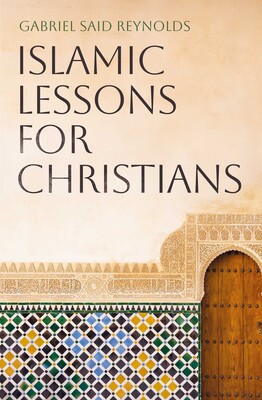
Leçons islamiques pour les chrétiens
- Gabriel Said Reynolds
Paru sous le titre Islamic Lessons for Christians (Oneworld Publications, 2026), ce livre de Gabriel Said Reynolds, professeur d’études islamiques et de théologie à l’Université de Notr...