
Does the term “frérisme” clarify or obscure the public debate?
In an op-ed published on May 13, 2026, in the Quebec daily Le Devoir, Mounia Aït Kabboura, a sociologist of Islam, and sociologist Samir Amghar examine the growing use of the word “frérisme” (Brotherhood-ism) in Quebec public debate. While the term has emerged as a lens for reading dynamics tied to political Islam, it has drawn criticism in academic circles for its imprecision and its at times essentialist character.
The authors distinguish between the historical existence of the Muslim Brotherhood, a movement founded in Egypt in the early twentieth century, and the contemporary use of the derived term “frérisme.” Depending on the discourse, it may refer to “a structured Islamist ideology, an influence network, a form of religious conservatism, or, more diffusely, any visible expression of Islam perceived as problematic.” Such a semantic slippage is not without consequence: when the concept comes to encompass indiscriminately community associations, anti-racist activists, or ordinary believers, “it ceases to shed light on reality and becomes a vector of suspicion.”
The op-ed calls for a rigorous distinction between formal organizational ties, doctrinal references, forms of political engagement, and discursive strategies of representation. It points out that no consensual mapping currently exists to identify organizations in Quebec as formal branches of the Muslim Brotherhood, while acknowledging that certain currents or figures do inscribe themselves to varying degrees in this ideological heritage, such as associations and mosques linked to the Muslim Association of Canada.
Aït Kabboura and Amghar further observe a relative weakening of Islamist movements: an individualization of spiritual trajectories, declining militant engagement, aging leadership, and a growing gap with the expectations of new generations. Their inscription in the Quebec and Canadian environment, particularly through interactions with public institutions, has fostered forms of adaptation and pragmatism that partially soften their original ideology.
The analysis closes on a call to rigor: “A society that wishes to debate calmly must be able to distinguish between criticism of a politico-religious ideology and the stigmatization of a population.” Lacking precision, the authors warn, “words no longer shed light on reality, they become its distortion.”
Read the full article in Le Devoir.
Dans une tribune publiée le 13 mai 2026 dans le quotidien québécois Le Devoir, Mounia Aït Kabboura, sociologue de l’islam, et le sociologue Samir Amghar interrogent l’usage croissant du mot « frérisme » dans le débat public québécois. Devenu une grille de lecture des dynamiques liées à l’islam politique, ce terme, soulignent-ils, fait l’objet de critiques dans le champ universitaire pour son imprécision et son caractère parfois essentialisant.
Les auteurs distinguent l’existence historique des Frères musulmans, mouvement fondé en Égypte au début du XXe siècle, et l’usage contemporain du terme « frérisme » qui en dérive. Selon les discours, ce dernier peut désigner « une idéologie islamiste structurée, un réseau d’influence, une forme de conservatisme religieux, ou encore, de manière plus diffuse, toute expression visible de l’islam perçue comme étant problématique ». Un glissement qui n’est pas sans conséquence : lorsque le concept englobe indistinctement des associations communautaires, des militants antiracistes ou de simples croyants, « il cesse d’éclairer le réel pour devenir un vecteur de suspicion ».
Le texte plaide pour une distinction rigoureuse entre liens organisationnels formels, références doctrinales, formes d’engagement politique et stratégies discursives de représentation. Il rappelle qu’il n’existe pas, à ce jour, de cartographie consensuelle permettant d’identifier au Québec des organisations comme des branches formelles des Frères musulmans, tout en soulignant que des courants ou des figures s’inscrivent à des degrés divers dans cet héritage idéologique, à l’instar des associations et mosquées liées à la Muslim Association of Canada.
Aït Kabboura et Amghar observent par ailleurs un affaiblissement relatif des mouvances islamistes : individualisation des trajectoires spirituelles, recul de l’engagement militant, vieillissement des cadres, décalage croissant avec les attentes des nouvelles générations. Leur inscription dans l’environnement québécois et canadien, notamment par leurs interactions avec les institutions publiques, a favorisé des formes d’adaptation et de pragmatisme atténuant en partie leur idéologie initiale.
L’analyse se conclut sur un appel à la rigueur : « Une société qui souhaite débattre sereinement doit être en mesure de distinguer entre la critique d’une idéologie politico-religieuse et la stigmatisation d’une population. » À défaut de précision, préviennent les auteurs, « les mots n’éclairent plus le réel, ils en deviennent la déformation ».
Lire l’article complet sur Le Devoir.
في مقال رأي نُشر في 13 مايو 2026 في صحيفة Le Devoir الكيبيكية، تتساءل مونية آيت كبورة، عالمة الاجتماع المتخصصة في الإسلام، وعالم الاجتماع سمير عمغار حول الاستخدام المتنامي لكلمة «الإخوانية» في النقاش العام في كيبيك. فهذا المصطلح، الذي بات يُستعمل قراءةً للديناميات المرتبطة بالإسلام السياسي، يخضع لانتقادات في الأوساط الأكاديمية بسبب افتقاره إلى الدقة ومنزعه الجوهراني أحياناً.
يميّز الكاتبان بين الوجود التاريخي لجماعة الإخوان المسلمين، الحركة التي تأسست في مصر مطلع القرن العشرين، والاستخدام المعاصر لمصطلح «الإخوانية» المشتق منها. فبحسب الخطابات، قد يُشير المصطلح إلى «أيديولوجيا إسلاموية منظّمة، أو شبكة نفوذ، أو شكل من أشكال المحافظة الدينية، أو بصورة أكثر غموضاً، إلى كل تعبير ظاهر للإسلام يُعدّ إشكالياً». وهذا الانزياح الدلالي ليس بلا عواقب: فحين يصير المفهوم يشمل دون تمييز جمعيات أهلية وناشطين مناهضين للعنصرية ومؤمنين عاديين، «فإنه يكفّ عن إنارة الواقع ليصبح أداةً للريبة».
يدعو النصّ إلى تمييز دقيق بين الروابط التنظيمية الرسمية، والمرجعيات العقدية، وأشكال الانخراط السياسي، والاستراتيجيات الخطابية للتمثيل. ويُذكّر بأنه لا توجد حتى اليوم خريطة توافقية تسمح بتحديد منظمات في كيبيك بوصفها فروعاً رسمية لجماعة الإخوان المسلمين، مع الإقرار بأن بعض التيارات أو الشخصيات تنتسب بدرجات متفاوتة إلى هذا الإرث الأيديولوجي، على غرار الجمعيات والمساجد المرتبطة بـ Muslim Association of Canada.
ويُلاحظ آيت كبورة وعمغار من ناحية أخرى ضعفاً نسبياً للحركات الإسلاموية: تفرّد المسارات الروحية، وتراجع الالتزام النضالي، وشيخوخة الأطر، واتّساع الهوّة مع تطلعات الأجيال الجديدة. كما أن اندماج هذه الحركات في البيئة الكيبيكية والكندية، لا سيما عبر تفاعلاتها مع المؤسسات العامة، أسهم في أشكال من التكيّف والبراغماتية خفّفت من أيديولوجيتها الأصلية.
ويُختتم التحليل بدعوة إلى الصرامة: «على المجتمع الذي يرغب في نقاش هادئ أن يكون قادراً على التمييز بين نقد أيديولوجيا سياسية دينية ووصم فئة من السكان». ويُحذّر الكاتبان من أن غياب الدقة يجعل «الكلمات لا تُنير الواقع بل تتحوّل إلى تشويه له».
قراءة المقال كاملاً على Le Devoir.


Resources related to Political Islam
publication
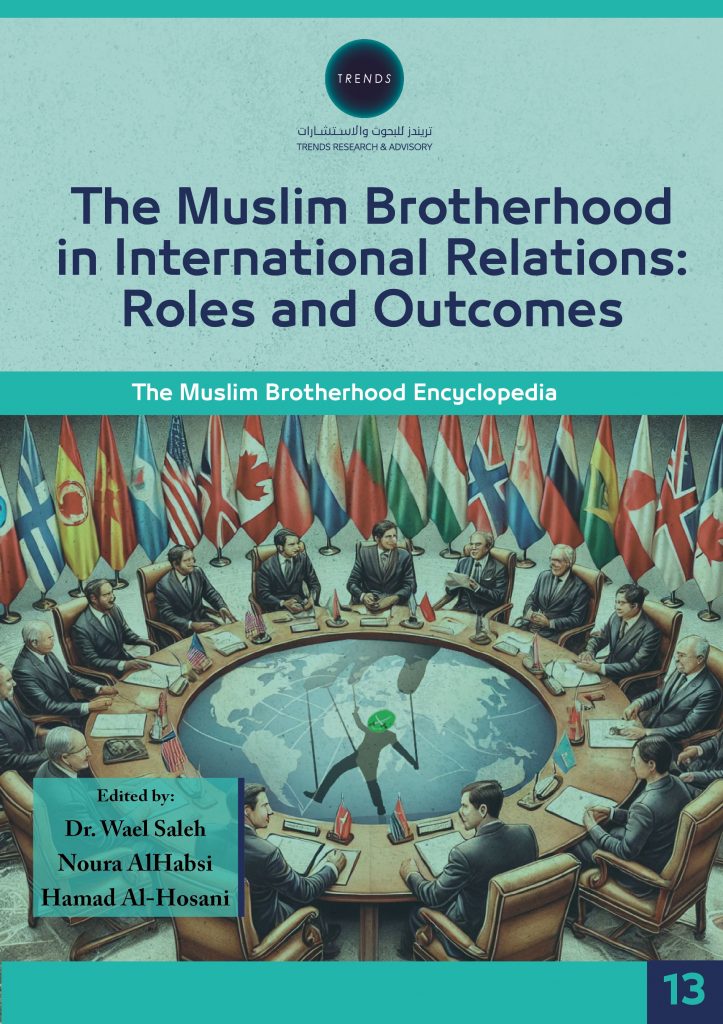
The Muslim Brotherhood in International Relations: Roles and Outcomes
- Wael Saleh
In this book published by TRENDS Research & Advisory (Abu Dhabi, May 2026), Wael Saleh, a member of Pluriel‘s coordination committee, examines the place and modes of action of the Muslim ...
videos
Interreligious Dialogue and Ethnic Nationalisms in the Balkans
At the invitation of PISAI (Pontifical Institute for Arabic and Islamic Studies, Rome) and Georgetown University, Ahmet Alibašić, professor of Islamic civilization at the Faculty of Islamic Studies...
publication
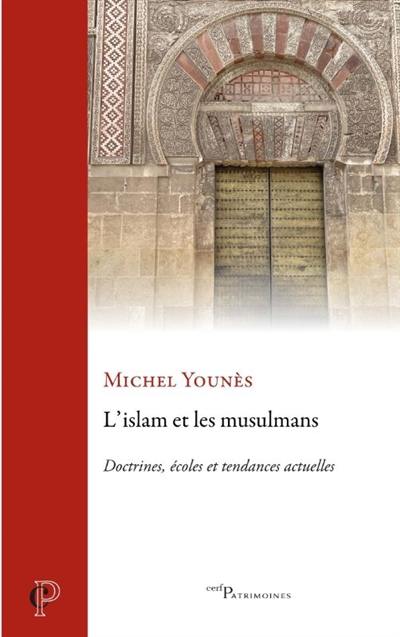
Islam and Muslims. Doctrines, Schools of Thought, and Current Trends
- Michel Younès
Publication date: April 16, 2026. Islam, as a historical, religious, and civilizational reality, is difficult to define. It can be perceived as a form of political governance, an expression of fait...

videos
Aesthetics and politico-ethics of Islamic thought: for a new reading of Averroes
Paper presented at the 5th international congress of the University Platform for Research on Islam (Pluriel), held in Cordoba from 10 to 14 February 2026 on the theme "Ethics and Aesthetics in Isla...
publication
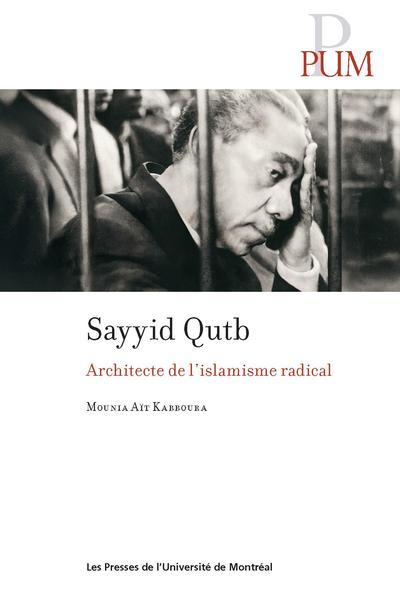
Sayyid Qutb. Architect of Radical Islamism
- Mounia Ait Kabboura
The thought of Sayyid Qutb (1906–1966) has profoundly shaped a wide range of religio-political movements, from the Muslim Brotherhood to Salafi-jihadists, radicalizing political Islam and inspiring...
publication
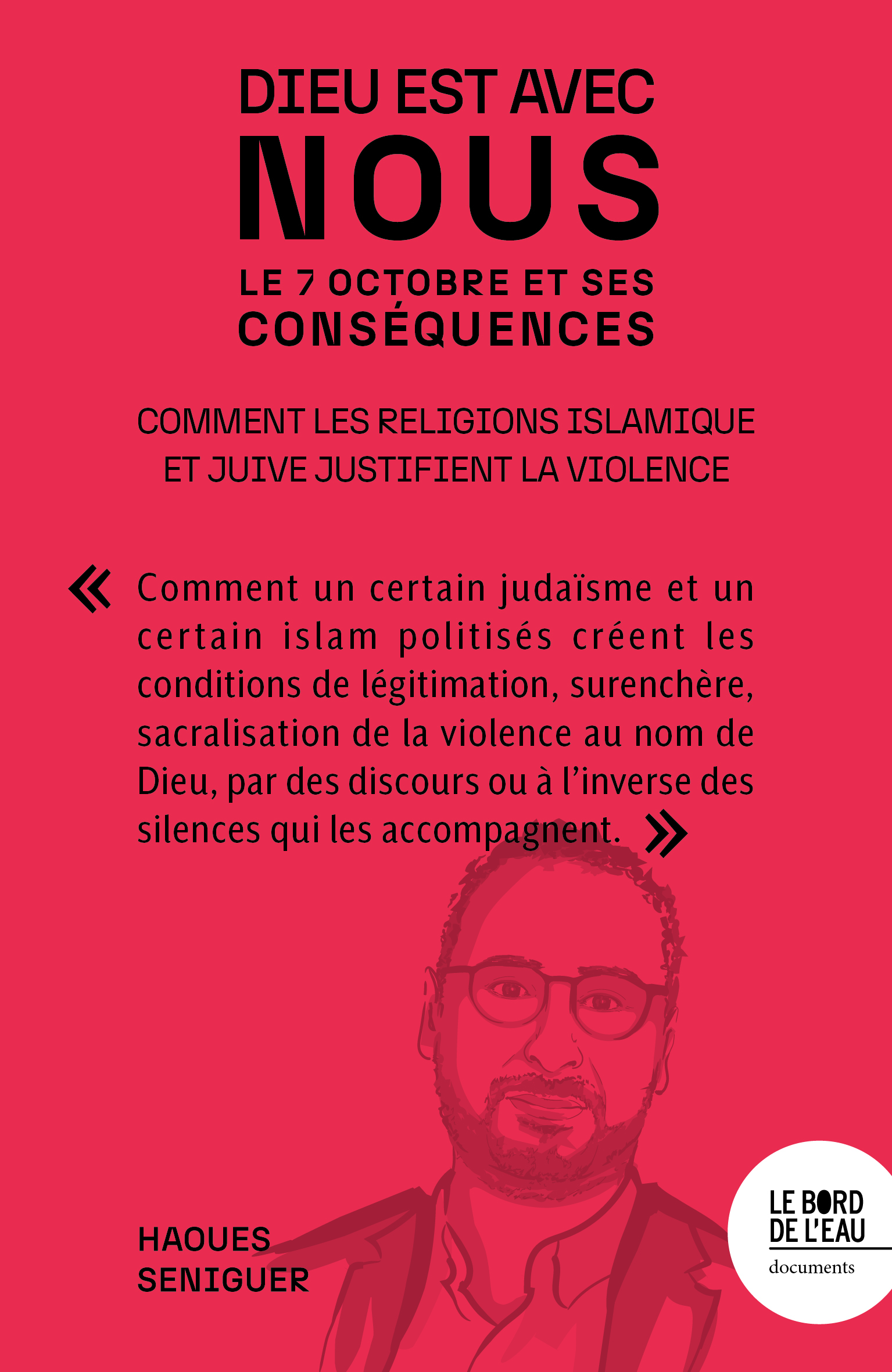
God Is with Us: How Islam and Judaism Justify Violence
- Haoues Seniguer
Long before October 7, 2023—and even more so since—certain politicized strands of Judaism and Islam have been creating conditions that legitimize, escalate, and sacralize violence in God’s na...
article
Al-Azhar and Politics in Egypt in the Post-Arab Spring: Al-Azhar’s Position within State-Society Relations (2011-2021)
- Mohamed Gamal Ali
Presentation This chapter analyses the transformations of al-Azhar's position within state-society relations in Egypt, from the 2011 revolution to 2021. A centuries-old religious institution, al-Az...
article
The Politics of Family Laws in Egypt and Tunisia: A Comparative Study of State-Religion Relations
- Mohamed Gamal Ali
Abstract Egypt and Tunisia share many historical, cultural and political commonalities, yet their state-religion arrangements differ markedly, particularly regarding the scope of religious referenc...