
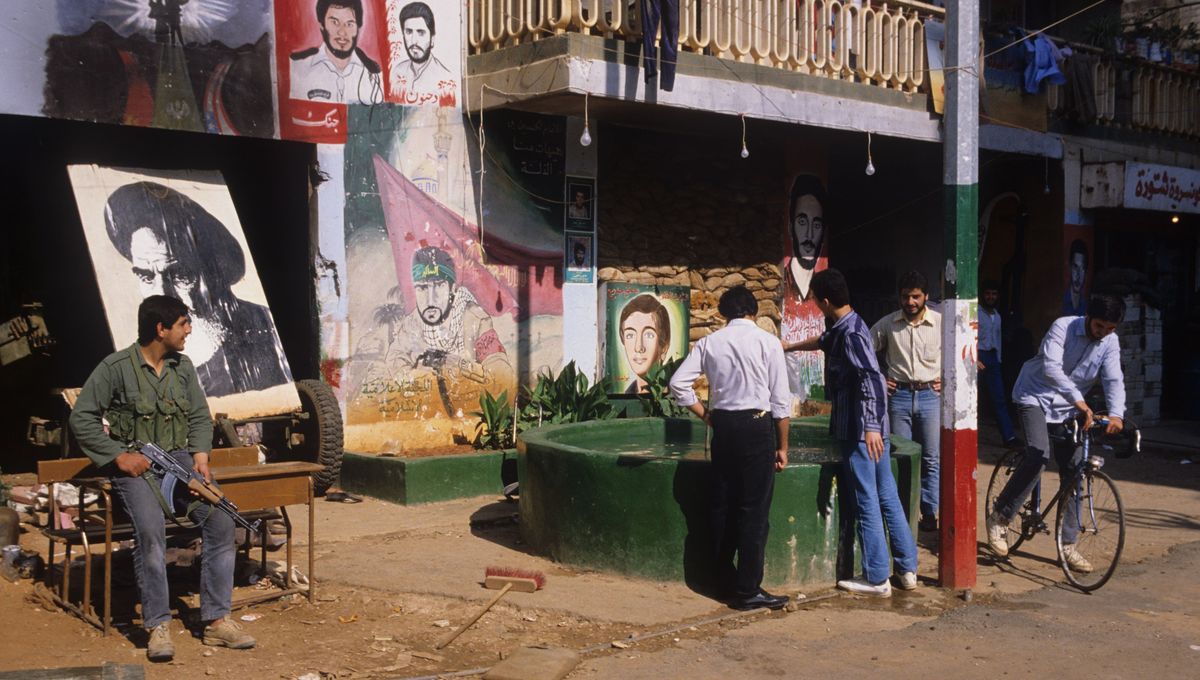
Dominique Avon: “Hezbollah, the History of an Armed Organisation”
On 25 March 2026, historian Dominique Avon was a guest on Le Cours de l’histoire on France Culture for an episode in the series Guerre au Moyen-Orient, l’histoire pour comprendre, hosted by Xavier Mauduit. He was joined by Aurélie Daher, senior lecturer at Université Paris-Dauphine.
Dominique Avon presented his book Le Hezbollah. De la doctrine à l’action, une histoire du parti de Dieu (Éditions du Seuil), co-written with Anaïs-Trissa Khatchadourian. The investigation traces back to the late 1970s: the first Israeli invasion of South Lebanon in 1978, the emergence of the preaching of two Shia clerics from the Bekaa Valley — Sobhi Tofeili and Abbas Moussaoui — and the coalescence of the movement in 1982 in a Lebanon torn by civil war.
The programme highlights the complexity of the Iranian connection: Khomeini, consumed by the Iran-Iraq war, initially refused any aid and only agreed on the condition that the Pasdaran would not fight Israel directly. The role of Mohtashamipour, Iran’s ambassador in Damascus, is recalled. Dominique Avon underlines the doctrinal continuity between Khomeini and Khamenei, the centrality of wilāyat al-faqīh in the founding open letter of February 1985, and the enduring register of jihad — from the founding text to the 2009 charter and Hassan Nasrallah’s speeches in 2024 — articulated throughout with a consistent political pragmatism.
The second half of the programme traces the party’s entry into the Lebanese arena (first parliamentary elections in 1992, entry into government in 2005), the Nasrallah turn, the Syrian engagement of 2012-2013 that fractured its support across the Arab world, and the ambiguity of its response to 7 October 2023. It also revisits episodes that have long remained opaque to French audiences: the September 1986 Rue de Rennes bombing, to be placed within the context of the Franco-Iranian standoff over the Eurodif dispute.
Full episode (58 min) on France Culture: Hezbollah, histoire d’une organisation armée.
Le 25 mars 2026, l’historien Dominique Avon était l’invité du Cours de l’histoire sur France Culture pour un épisode de la série Guerre au Moyen-Orient, l’histoire pour comprendre, animé par Xavier Mauduit. Il y intervenait aux côtés d’Aurélie Daher, enseignante-chercheuse à l’Université Paris-Dauphine.
Dominique Avon présentait son ouvrage Le Hezbollah. De la doctrine à l’action, une histoire du parti de Dieu (Éditions du Seuil), coécrit avec Anaïs-Trissa Khatchadourian. L’enquête remonte aux prémices de la fin des années 1970 : la première invasion israélienne du Liban-Sud en 1978, l’émergence des prédications de deux clercs chiites de la Béqaa, Sobhi Tofeili et Abbas Moussaoui, et la cristallisation du mouvement en 1982 dans un Liban en pleine guerre civile.
L’émission insiste sur la complexité du lien iranien : Khomeini, accaparé par la guerre Iran-Irak, refuse d’abord toute aide et n’accepte qu’à la condition que les pasdaran ne combattent pas directement Israël. Le rôle de Mohtashamipour, ambassadeur d’Iran à Damas, est rappelé. Dominique Avon souligne la continuité doctrinale entre Khomeini et Khamenei, la centralité du wilāyat al-faqīh dans la lettre ouverte fondatrice de février 1985, et la permanence du registre du jihad du texte fondateur à la charte de 2009 jusqu’aux discours de Hassan Nasrallah en 2024, articulée à un pragmatisme politique constant.
Le second versant de l’émission retrace l’entrée du parti dans l’arène libanaise (premières législatives en 1992, accès au gouvernement en 2005), le tournant Nasrallah, l’engagement en Syrie en 2012-2013 qui fissure les soutiens dans le monde arabe, et l’ambiguïté de la riposte au 7 octobre 2023. Elle revient aussi sur des épisodes longtemps illisibles pour le public français : l’attentat de la rue de Rennes en septembre 1986, à replacer dans le bras de fer franco-iranien autour du contentieux Eurodif.
Émission complète (58 min) à écouter sur France Culture : Hezbollah, histoire d’une organisation armée.
في الخامس والعشرين من مارس 2026، حلّ المؤرّخُ دومينيك أفون ضيفاً على برنامج «مسار التاريخ» في إذاعة France Culture، ضمن حلقةٍ من سلسلة «حرب الشرق الأوسط: التاريخ لفهم الحاضر»، من تقديم كزافييه مودوي. وقد شاركته الحلقةَ أوريلي داهر، الأستاذةُ الباحثة في جامعة باريس-دوفين.
عرض دومينيك أفون كتابه، الصادر عن دار Seuil، والذي شارك في تأليفه مع أنائيس-تريسا خاتشادوريان:
Le Hezbollah. De la doctrine à l’action, une histoire du parti de Dieu (Éditions du Seuil)
يعود التحقيقُ إلى منابع الحدث في أواخر السبعينيّات: الاجتياحُ الإسرائيليّ الأوّل لجنوب لبنان عام 1978، وبروزُ خطاب رجلَي دينٍ شيعيَّين من البقاع هما صبحي الطفيلي وعبّاس الموسوي، ثمّ تبلورُ الحركة عام 1982 في لبنان الغارق آنذاك في حربٍ أهليّة.
وتُبرز الحلقةُ تعقيدَ الصلة الإيرانيّة: فقد كان الخمينيّ آنذاك مشغولاً بالحرب الإيرانيّة-العراقيّة، فرفض أيّ مساعدةٍ في البداية، ولم يقبل بها إلاّ بشرط ألاّ يقاتل الحرس الثوريّ الإيرانيّ إسرائيلَ مباشرةً. فضلاً عن ذلك، يُستحضَر دورُ محتشمي بور، سفير إيران في دمشق. ويُجلي دومينيك أفون الاستمراريّةَ العقديّة بين الخمينيّ وخامنئي، ومركزيّةَ «ولاية الفقيه» في الرسالة المفتوحة التأسيسيّة الصادرة في فبراير 1985، لا سيّما ثباتَ خطاب الجهاد من النصّ التأسيسيّ إلى وثيقة 2009 ثمّ إلى خطابات حسن نصرالله عام 2024، مقروناً ببراغماتيّةٍ سياسيّةٍ متواصلة.
أمّا النصفُ الثاني من الحلقة فيعرض دخولَ الحزب إلى الساحة اللبنانيّة (أوّلَ انتخاباتٍ نيابيّة عام 1992، ثمّ الدخول إلى الحكومة عام 2005)، ومنعطفَ نصرالله، والانخراطَ في سوريا خلال الفترة 2012-2013 الذي أفضى إلى تصدّع التأييد له في العالم العربيّ، فضلاً عن غموض الردّ على أحداث السابع من أكتوبر 2023. كما يعود البرنامجُ إلى فصولٍ ظلّت طويلاً غامضةً على الجمهور الفرنسيّ، ولا سيّما تفجيرُ شارع رين (Rue de Rennes) في باريس في سبتمبر 1986، الذي ينبغي وضعُه في سياق الصراع الفرنسيّ-الإيرانيّ حول ملفّ Eurodif.
الحلقة كاملة (58 دقيقة) على France Culture: Hezbollah, histoire d’une organisation armée.


Resources related to Political Islam
publication
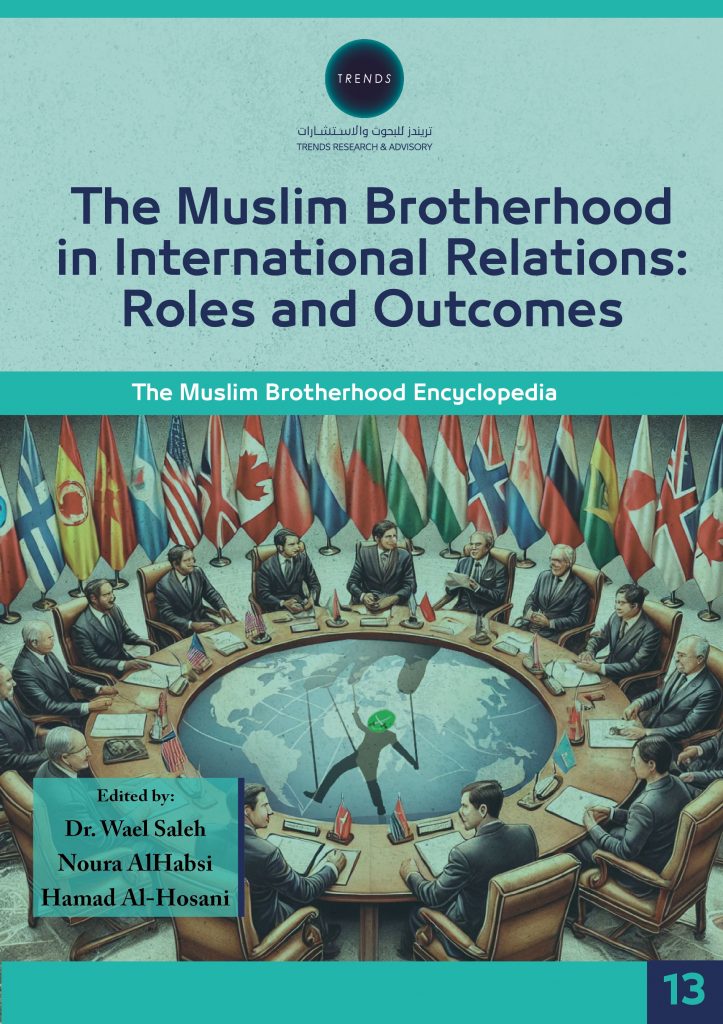
The Muslim Brotherhood in International Relations: Roles and Outcomes
- Wael Saleh
In this book published by TRENDS Research & Advisory (Abu Dhabi, May 2026), Wael Saleh, a member of Pluriel‘s coordination committee, examines the place and modes of action of the Muslim ...
videos
Interreligious Dialogue and Ethnic Nationalisms in the Balkans
At the invitation of PISAI (Pontifical Institute for Arabic and Islamic Studies, Rome) and Georgetown University, Ahmet Alibašić, professor of Islamic civilization at the Faculty of Islamic Studies...
publication
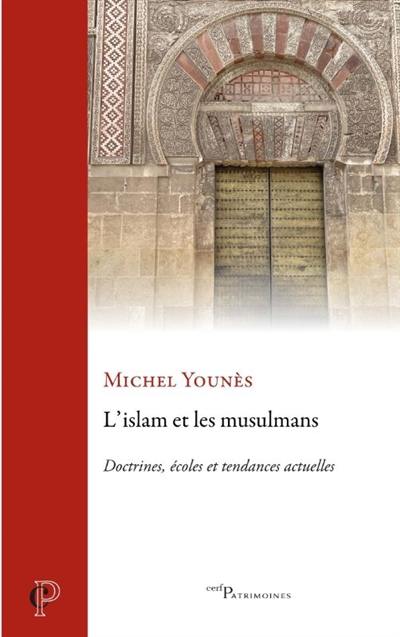
Islam and Muslims. Doctrines, Schools of Thought, and Current Trends
- Michel Younès
Publication date: April 16, 2026. Islam, as a historical, religious, and civilizational reality, is difficult to define. It can be perceived as a form of political governance, an expression of fait...

videos
Aesthetics and politico-ethics of Islamic thought: for a new reading of Averroes
Paper presented at the 5th international congress of the University Platform for Research on Islam (Pluriel), held in Cordoba from 10 to 14 February 2026 on the theme "Ethics and Aesthetics in Isla...
publication
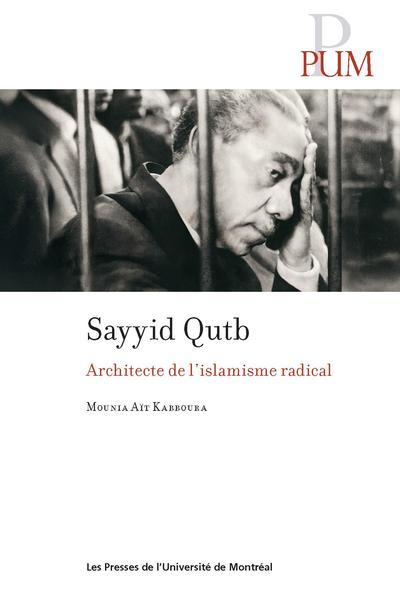
Sayyid Qutb. Architect of Radical Islamism
- Mounia Ait Kabboura
The thought of Sayyid Qutb (1906–1966) has profoundly shaped a wide range of religio-political movements, from the Muslim Brotherhood to Salafi-jihadists, radicalizing political Islam and inspiring...

publication
God Is with Us: How Islam and Judaism Justify Violence
- Haoues Seniguer
Long before October 7, 2023—and even more so since—certain politicized strands of Judaism and Islam have been creating conditions that legitimize, escalate, and sacralize violence in God’s na...
article
Al-Azhar and Politics in Egypt in the Post-Arab Spring: Al-Azhar’s Position within State-Society Relations (2011-2021)
- Mohamed Gamal Ali
Presentation This chapter analyses the transformations of al-Azhar's position within state-society relations in Egypt, from the 2011 revolution to 2021. A centuries-old religious institution, al-Az...
article
The Politics of Family Laws in Egypt and Tunisia: A Comparative Study of State-Religion Relations
- Mohamed Gamal Ali
Abstract Egypt and Tunisia share many historical, cultural and political commonalities, yet their state-religion arrangements differ markedly, particularly regarding the scope of religious referenc...