
4 November 2024

Italian
Università degli Studi dell’Insubria
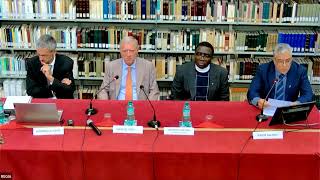
Webinar “Religions and Public Order: Challenges of Pluralism and Constitutional Identity”
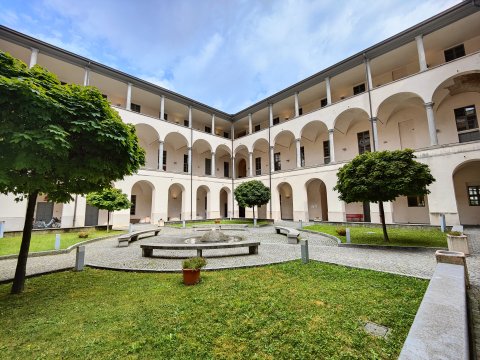
“Public Order of Religions” is the title of the seminar scheduled for Monday 4 November from 2:30 to 4:30 pm at the University of Insubria, in Como (Via Sant’Abbondio 12).
The event is organised by Professor Alessandro Ferrari, of the Department of Law, Economics and Cultures at the University of Insubria, as part of the “Prin Boosting a Sustainable Religious Pluralism: Public Order and European Constitutional Identity – Surplei”. Growing religious pluralism contributes to the cultural enrichment of our societies, yet raises increasingly delicate questions about the social cohesion of ever less homogeneous communities. The need for States to ground their stability on a “living together” built around rules shared by the political community brings back, on the one hand, the notion of public order, and on the other calls upon religious denominations, pushed to conform their doctrinal heritage with the majority sentiment of secularised societies. However, this reveals another dynamic linked to “religious public orders”. Religious denominations do have “impassable red lines” — normative deposits defended against external interference that would jeopardise essential components of confessional identities. The seminar examines four different religious orders to illustrate the most characteristic features of their reactions to the growing demands for compliance required by State laws.
Target audience: Prospective students, Students, Graduates, Bodies and companies, Staff
Programme
2:30 pm
Introduction and coordination by Alessandro Ferrari, University of Insubria
Interventions:
A Jewish perspective
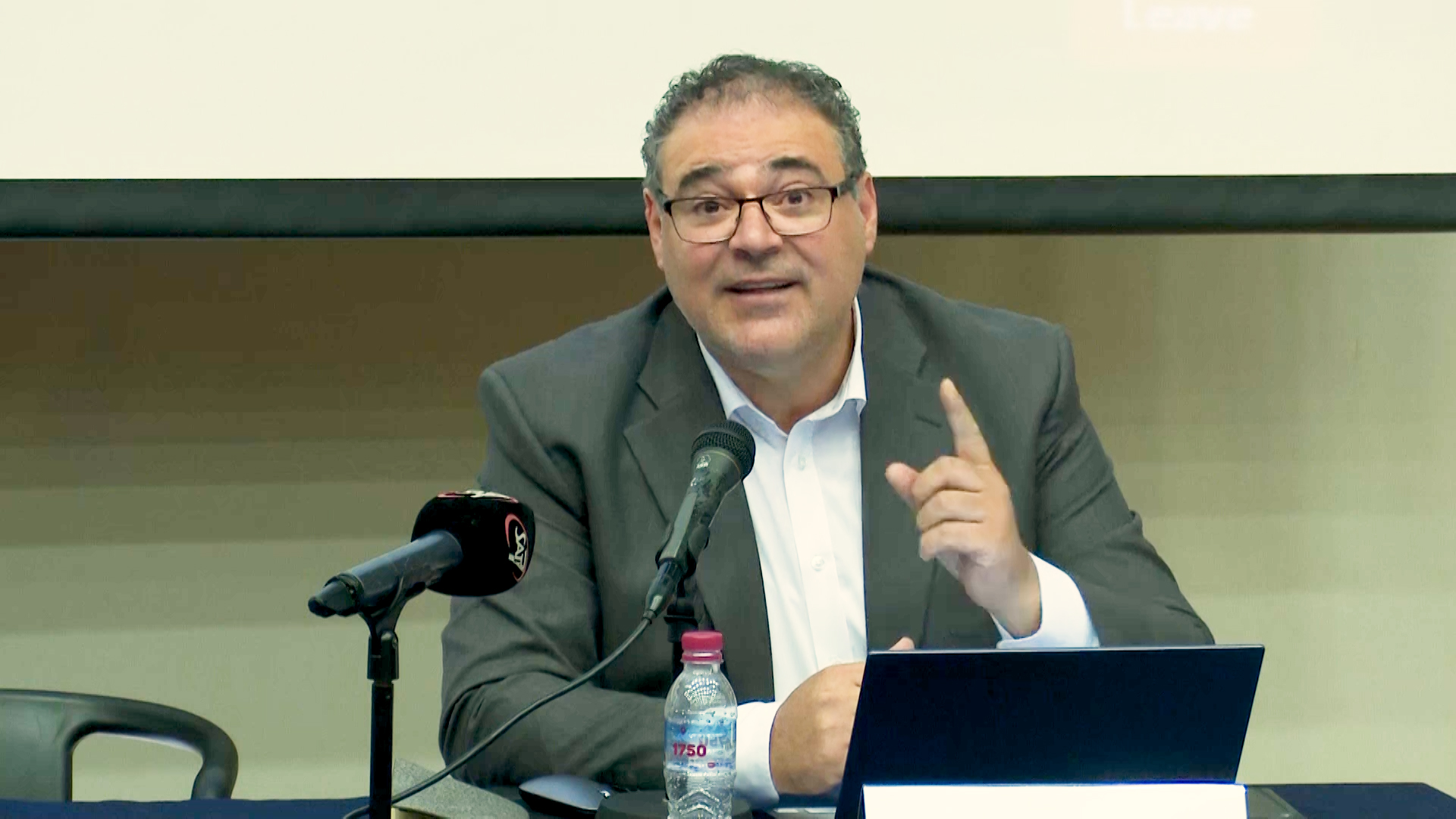
Beniamino Goldstein, Chief Rabbi of Modena and Reggio Emilia
A Latin Catholic Church perspective
Ilaria Zuanazzi, University of Turin
A Protestant Churches perspective
Ilaria Valenzi, Sapienza University of Rome, Università Statale di Milano
An Islamic perspective
Carlo De Angelo, University of Naples “L’Orientale”
4:30 pm
Dialogue among speakers and with the audience
The event may also be followed remotely via Teams.
“L’ordre public des religions” est le titre du séminaire prévu lundi 4 novembre de 14h30 à 16h30 au siège de l’Université d‘Insubrie, à Côme (Via Sant’Abbondio 12).
L’événement est organisé par le professeur Alessandro Ferrari, du Département de droit, économie et cultures de l’Université d’Insubrie, dans le cadre du “Prin Boosting a Sustainable Religious Pluralism: Public Order and European Constitutional Identity – Surplei”. Le pluralisme religieux croissant contribue à l’enrichissement culturel de nos sociétés, mais soulève de plus en plus de délicates questions sur la cohésion sociale de communautés de moins en moins homogènes. La nécessité pour les États de fonder leur stabilité sur un “vivre ensemble”, construit autour des règles partagées par la communauté politique, ramène d’une part la notion d’ordre public, et d’autre part interpelle les confessions religieuses, poussées à conformer leurs patrimoines doctrinaux avec le sentiment majoritaire des sociétés sécularisées. Cependant, cela révèle une autre dynamique liée aux “ordres publics religieux”. Les confessions religieuses ont en effet des “lignes rouges infranchissables”, des dépôts normatifs défendus contre les ingérences extérieures qui mettraient en péril des composantes essentielles des identités confessionnelles. Le séminaire examine quatre ordres religieux différents en cherchant à illustrer les traits les plus caractéristiques de leurs réactions aux exigences croissantes de conformité requises par les droits étatiques.
Public cible : Futurs étudiants, Étudiants, Diplômés, Organismes et entreprises, Personnel
Programme
14h30
Introduction et coordination par Alessandro Ferrari, Université de l’Insubrie
Interventions :
Une perspective juive
Beniamino Goldstein, rabbin principal de Modène et Reggio Emilia
Une perspective de l’Église catholique latine
Ilaria Zuanazzi, Université de Turin
Une perspective des Églises protestantes
Ilaria Valenzi, Université Sapienza de Rome, Statale de Milan
Une perspective islamique
Carlo De Angelo, Université de Naples “L’Orientale”
16h30
Dialogue entre les intervenants et avec le public
Il sera également possible de suivre l’événement à distance via Teams.
«النظام العام للأديان» هو عنوان الندوة المقرّرة يوم الاثنين 4 نوفمبر/تشرين الثاني من الساعة 14:30 إلى 16:30 في مقرّ جامعة Insubria، في مدينة كومو (Via Sant’Abbondio 12).
ينظّم هذا الحدث الأستاذ Alessandro Ferrari، من قسم القانون والاقتصاد والثقافات في جامعة Insubria، في إطار «Prin Boosting a Sustainable Religious Pluralism: Public Order and European Constitutional Identity – Surplei». تُسهم التعدّدية الدينية المتنامية في الإثراء الثقافي لمجتمعاتنا، غير أنّها تطرح أسئلة دقيقة متزايدة حول التماسك الاجتماعي لجماعات باتت أقلّ تجانساً. إنّ ضرورة أن تُؤسّس الدول استقرارَها على «العيش المشترك»، القائم على قواعد يتشاركها المجتمع السياسي، تُعيد من جهةٍ مفهومَ النظام العام، ومن جهة أخرى تُساءل الطوائف الدينية التي تُحثّ على مطابقة ذخائرها العقدية مع الشعور السائد في المجتمعات العلمانية. غير أنّ ذلك يكشف عن دينامية أخرى مرتبطة بـ«الأنظمة العامة الدينية». فللطوائف الدينية «خطوط حمراء لا يُتخطّاها»، أي ذخائر معيارية تُدافَع عنها ضدّ التدخّلات الخارجية التي قد تُهدّد مكوّنات جوهرية للهويات الطائفية. تُعالج الندوة أربعة أنظمة دينية مختلفة سعياً إلى إبراز أبرز سمات ردود فعلها إزاء مطالب المطابقة المتنامية التي تفرضها القوانين الوطنية.
الجمهور المستهدف: الطلاب المرتقبون، الطلاب، الخرّيجون، الهيئات والشركات، الموظّفون
البرنامج
14:30
افتتاح وتنسيق: Alessandro Ferrari، جامعة Insubria
المداخلات:
منظور يهودي
Beniamino Goldstein، الحاخام الأكبر لموديـنا وريدجو إميليا
منظور الكنيسة الكاثوليكية اللاتينية
Ilaria Zuanazzi، جامعة تورينو
منظور الكنائس البروتستانتية
Ilaria Valenzi، جامعة Sapienza في روما وStatale في ميلانو
منظور إسلامي
Carlo De Angelo، جامعة نابولي «L’Orientale»
16:30
حوار بين المتدخّلين ومع الجمهور
ستكون متابعة الحدث ممكنة أيضاً عن بُعد عبر Teams.


Resources related to Religious Pluralism
article
Wael Saleh: “Recognising Without Confining, to Better ‘De-other’ the Public Debate”
- Wael Saleh
In an op-ed published on 20 July 2026 by Le Devoir, Wael Saleh, a member of the scientific committee of Pluriel, puts forward a new concept for contemporary democratic debate: "de-othering" (in Fre...

article
Leo XIV’s encyclical Magnifica Humanitas and the Pluriel working group on AI-assisted interreligious dialogue
- Wael Saleh
Text by Wael Saleh, researcher at the Université du Québec à Montréal (UQAM) and member of the Pluriel coordination committee. The simultaneous appearance of Leo XIV's encyclical Magnifica Human...
videos
Interreligious Dialogue and Ethnic Nationalisms in the Balkans
At the invitation of PISAI (Pontifical Institute for Arabic and Islamic Studies, Rome) and Georgetown University, Ahmet Alibašić, professor of Islamic civilization at the Faculty of Islamic Studies...
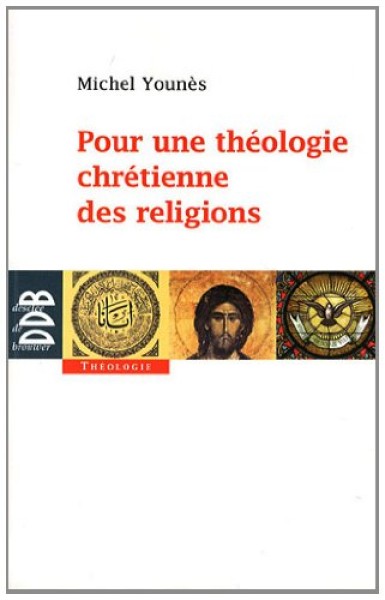
publication
For a Christian Theology of Religions
- Michel Younès
Faced with contemporary religious diversity, how can Christian theology make sense of the place that other religions occupy in God’s design? Michel Younès examines the three traditional ̶...
publication
Intercultural Theology
- Jean Patrick Nkolo Fanga
Because every theology is culturally situated, Christian theology is inevitably multicultural. Yet one step remains to be taken: to become intercultural. Crossing languages, contexts, origins, ages...
publication
Islam and Fraternity: Impact and Prospects of the Abu Dhabi Declaration
The volume dedicated to the conference “Islam and Fraternity”, held in Abu Dhabi from February 4 to 7, 2024, under the auspices of the PLURIEL network, in partnership with Trends, a research center...
publication
Dialogue for a More Livable World: Toward an Ethics of Encounter
- Mohamed-Ali Mostfa
How can we live in a climate of mistrust, trapped in identity-based withdrawal, and paralyzed by an uncertain future? On what basis can we open new paths to ease suffering—perhaps even reenchant ou...
videos
Inaugural Lecture for the Chair in Mediterranean Studies, Religions and Societies
- Dominique Avon
Lecture given by Professor Dominique Avon on October 13, 2025, at the Pontifical Institute for Arabic and Islamic Studies (PISAI).