

French
Institut d'études de l'Islam et des sociétés du monde musulman
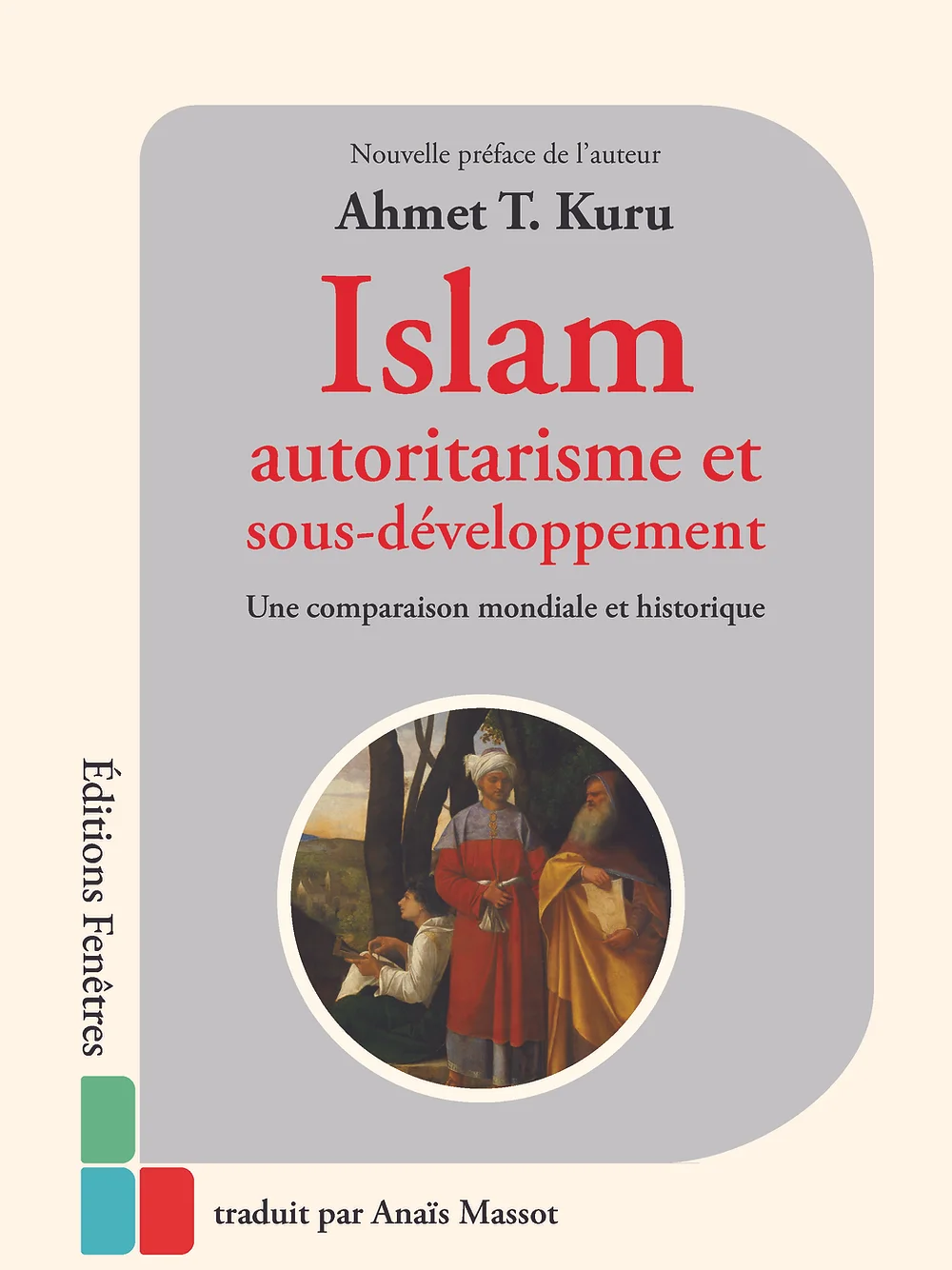
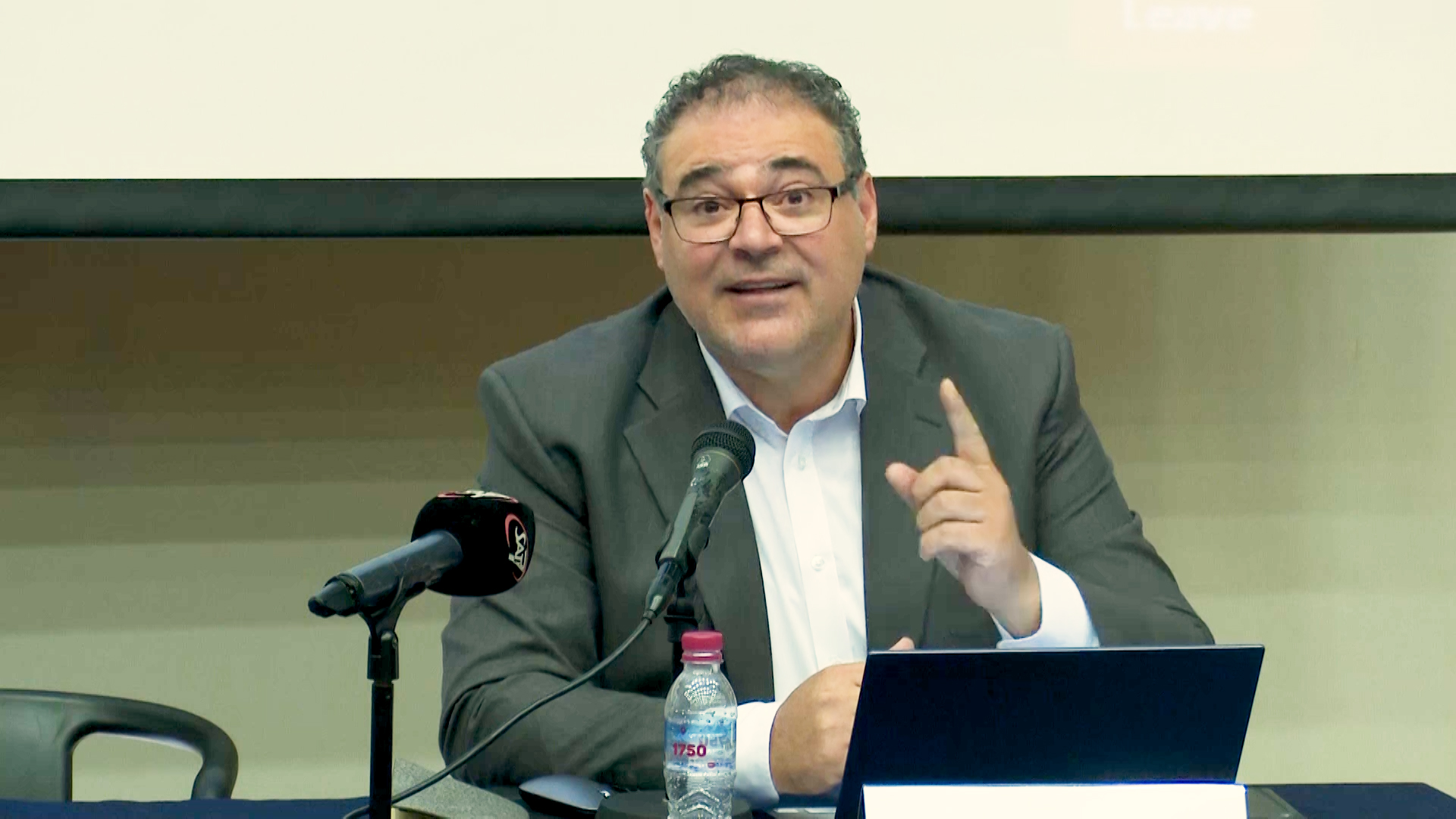
Conference “Islam, Authoritarianism and Underdevelopment” in Paris with Ahmed T. Kuru
Presentation and discussion with Ahmed T. Kuru on the occasion of the French translation of his book Islam, Authoritarianism, and Underdevelopment (Fenêtres editions, 2024), on October 9, 2024, at 6 PM, at 54 boulevard Raspail, 75006 Paris and online.
Moderation: Dominique Avon (EPHE-PSL, GSRL) and Philippe Pétriat (Paris 1 Panthéon-Sorbonne University, IHMC).
“Why do Muslim-majority countries display high levels of authoritarianism and low levels of socio-economic development compared to global averages? Ahmet T. Kuru criticizes explanations that point to Islam as the cause of this disparity, since Muslim-majority countries exhibited higher levels of philosophical and socio-economic development than Western countries between the 9th and 12th centuries. Western colonialism also cannot be established as the sole cause of this dynamic: Muslim countries had already suffered from political and socio-economic problems before colonization began. Kuru argues that early Muslim history is filled with influential thinkers and merchants, while religious orthodoxy and military regimes were the norm in Europe. However, in the 11th century, an alliance between Muslim scholars (the ulema) and military states began to emerge. This alliance gradually hindered the intellectual and economic creativity of Muslims by marginalizing the intellectual and bourgeois classes of the Muslim world. This important study links its historical explanation to contemporary politics by showing that to this day, the alliance between the ulema and the state remains a barrier to creativity and intellectual and economic development in Muslim countries.”
The meeting will be conducted in English (but questions can be asked in French).
Présentation-débat avec Ahmed T. Kuru à l’occasion de la traduction en français de son livre Islam, autoritarisme et sous-développement (éditions Fenêtres, 2024), le 9 octobre 2024 à 18 au 54 boulevard Raspail, 75006 Paris et en ligne.
Discutants : Dominique Avon (EPHE-PSL, GSRL) et Philippe Pétriat (Université Paris 1 Panthéon-Sorbonne, IHMC).
“Pourquoi les pays à majorité musulmane affichent-ils des niveaux élevés d’autoritarisme et de faibles niveaux de développement socio-économique par rapport aux moyennes mondiales ? Ahmet T. Kuru critique les explications qui pointent du doigt l’islam comme la cause de cette disparité, puisque les pays à majorité musulmane ont affiché des niveaux de développement philosophique et socio-économique plus élevés que les pays occidentaux entre le 9ᵉ et le 12ᵉ siècle. Le colonialisme occidental ne peut pas non plus être établi comme la seule cause de cette dynamique : les pays musulmans avaient déjà souffert de problèmes politiques et socio-économiques avant le début de la colonisation. Kuru soutient que le début de l’histoire musulmane est rempli de penseurs et des marchands influents, tandis que l’orthodoxie religieuse et les régimes militaires étaient la norme en Europe. Cependant, au 11ᵉ siècle, une alliance entre les savants musulmans (les oulémas) et les États militaires commença à émerger. Cette alliance entrava progressivement la créativité intellectuelle et économique des musulmans en marginalisant les classes intellectuelles et bourgeoises du monde musulman. Cette étude importante fait le lien entre son explication historique et la politique contemporaine en montrant que jusqu’à nos jours, l’alliance entre les oulémas et l’État demeure un frein à la créativité et au développement intellectuel et économique dans les pays musulmans.”
La rencontre se déroulera en anglais (mais questions possibles en français).
تقديم ومناقشة مع أحمد ت. كورو بمناسبة ترجمة كتابه الإسلام والاستبداد والتخلف إلى الفرنسية (دار نشر فينيتر، 2024)، وذلك في 9 أكتوبر 2024 الساعة 18:00 في العنوان 54 شارع راسباي، 75006 باريس، وعبر الإنترنت.
المتحدثون: دومينيك آفون (المدرسة التطبيقية للدراسات العليا – جامعة باريس للعلوم والآداب، مجموعة المجتمعات والأديان واللائكية) وفيليب بيتريا (جامعة باريس 1 بانتيون-سوربون، معهد تاريخ العصر الحديث).
“لماذا تظهر البلدان ذات الأغلبية المسلمة مستويات عالية من الاستبداد ومستويات منخفضة من التنمية الاجتماعية والاقتصادية مقارنة بالمتوسطات العالمية؟ ينتقد أحمد ت. كورو التفسيرات التي تشير إلى الإسلام كسبب لهذا التفاوت، حيث أظهرت البلدان ذات الأغلبية المسلمة مستويات أعلى من التطور الفلسفي والاجتماعي والاقتصادي مقارنة بالدول الغربية بين القرنين التاسع والثاني عشر. كما لا يمكن اعتبار الاستعمار الغربي السبب الوحيد لهذه الديناميكية: فقد عانت البلدان الإسلامية من مشاكل سياسية واجتماعية واقتصادية قبل بدء الاستعمار. يؤكد كورو أن بداية التاريخ الإسلامي كانت مليئة بالمفكرين والتجار المؤثرين، بينما كانت الأرثوذكسية الدينية والأنظمة العسكرية هي القاعدة في أوروبا. ومع ذلك، في القرن الحادي عشر، بدأ تحالف بين العلماء المسلمين (العلماء) والدول العسكرية في الظهور. أعاق هذا التحالف تدريجياً الإبداع الفكري والاقتصادي للمسلمين من خلال تهميش الطبقات المثقفة والبرجوازية في العالم الإسلامي. تربط هذه الدراسة المهمة بين تفسيرها التاريخي والسياسة المعاصرة من خلال إظهار أنه حتى يومنا هذا، لا يزال التحالف بين العلماء والدولة عائقاً أمام الإبداع والتنمية الفكرية والاقتصادية في البلدان الإسلامية.”
سيتم إجراء اللقاء باللغة الإنجليزية (مع إمكانية طرح الأسئلة باللغة الفرنسية).


Resources related to Contemporary Islam
article
Wael Saleh: “Recognising Without Confining, to Better ‘De-other’ the Public Debate”
- Wael Saleh
In an op-ed published on 20 July 2026 by Le Devoir, Wael Saleh, a member of the scientific committee of Pluriel, puts forward a new concept for contemporary democratic debate: "de-othering" (in Fre...
videos
“War and peace”, by Adrien Candiard
On Wednesday 20 May 2026, the Dominican Institute for Oriental Studies (IDEO) hosted in Cairo a lecture by Brother Adrien Candiard, Dominican and Islamologist, on the theme "War and peace". Faced w...
publication
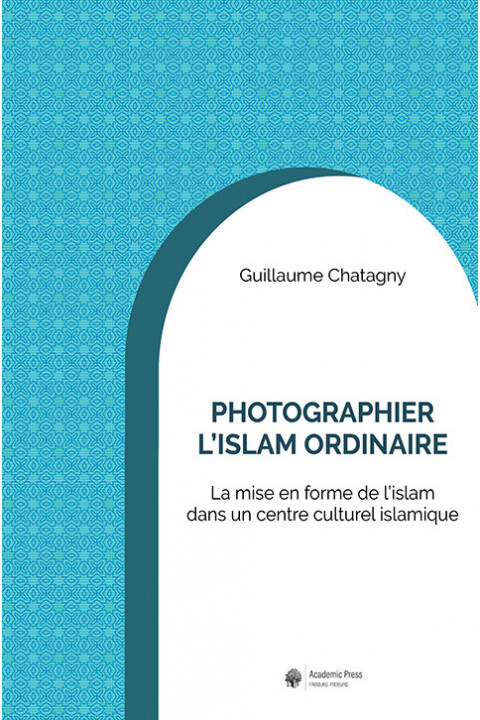
Photographing Ordinary Islam
- Guillaume Chatagny
What does Islam concretely look like within a Muslim association? This is the question addressed by sociologist Guillaume Chatagny in this book, based on fieldwork conducted between 2017 and 2021 w...
publication
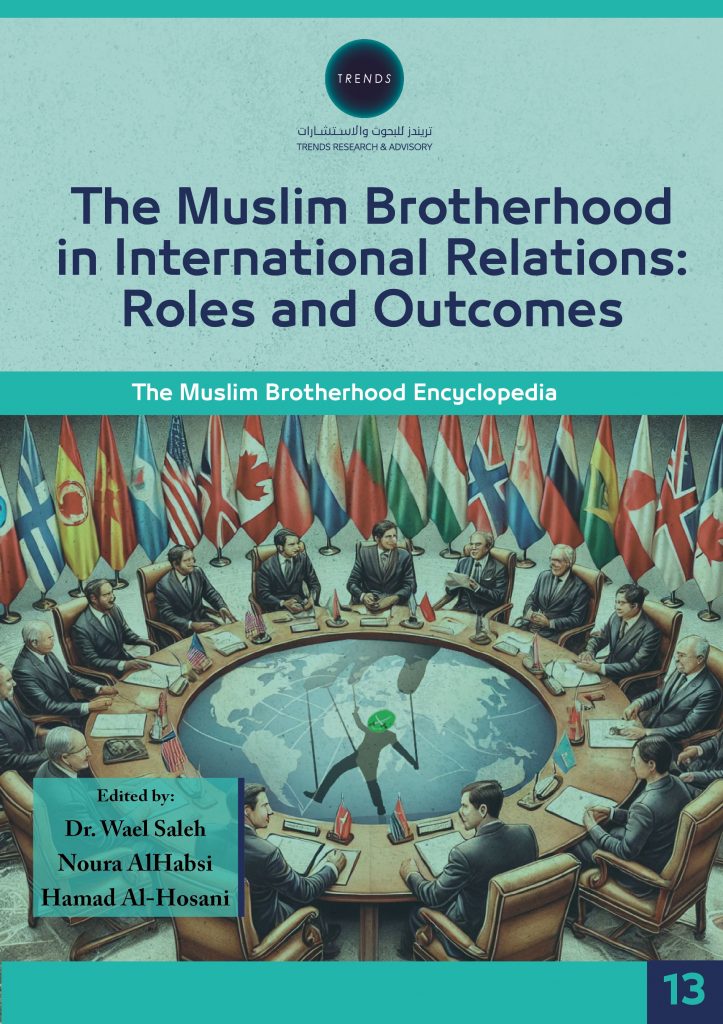
The Muslim Brotherhood in International Relations: Roles and Outcomes
- Wael Saleh
In this book published by TRENDS Research & Advisory (Abu Dhabi, May 2026), Wael Saleh, a member of Pluriel‘s coordination committee, examines the place and modes of action of the Muslim ...
publication
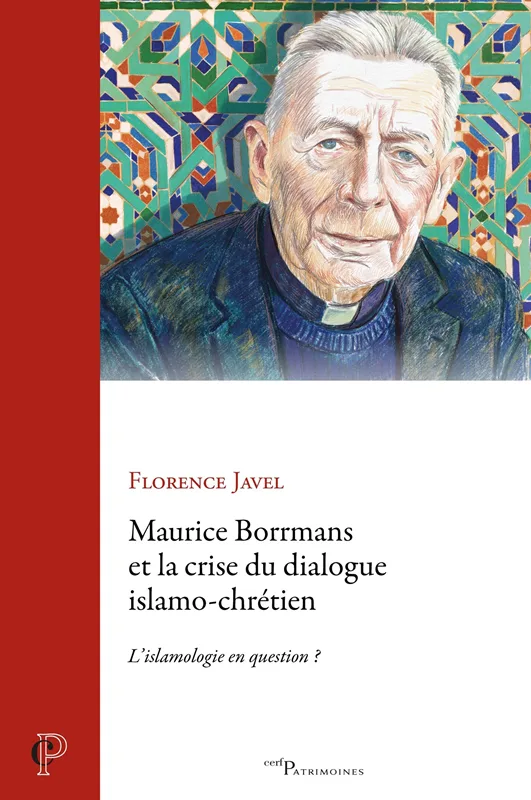
Maurice Borrmans and the Crisis of Christian-Muslim Dialogue. Islamic studies in Question?
- Florence Javel
In 2025-2026, we mark the sixtieth anniversary of the Second Vatican Council and of the declaration Nostra aetate (28 October 1965). One century earlier, in October 1925, Maurice Borrmans was born ...
publication
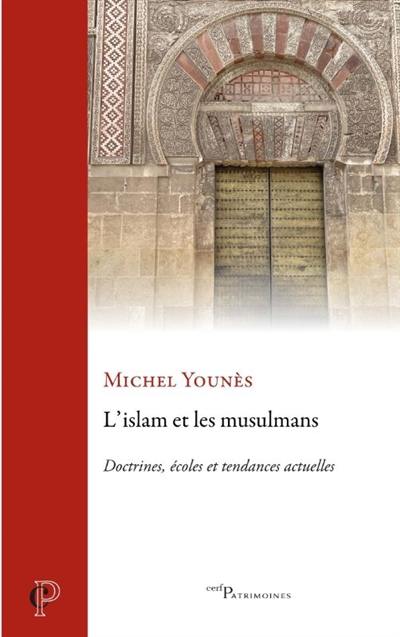
Islam and Muslims. Doctrines, Schools of Thought, and Current Trends
- Michel Younès
Publication date: April 16, 2026. Islam, as a historical, religious, and civilizational reality, is difficult to define. It can be perceived as a form of political governance, an expression of fait...

publication
Managing Religious Diversity in Italy: Law, Policy, and Practice in a Pluralist Era
- Alessandro Ferrari
In this article published in the journal Religions 17/3 (2026), Alessandro Ferrari offers a comprehensive analysis of Italy’s regime for governing religious diversity, at the intersection of ...

videos
Maurice Borrmans (1925-2017), an Islamologist Defending Christian-Muslim Dialogue
- Florence Javel
On 19 February 2026, in the Maurice Borrmans Library of the Pontifical Institute for Arabic and Islamic Studies (PISAI) in Rome, Florence Javel, who holds a PhD in theology from the Catholic Univer...