
MIDEO 34 – The authority of Ḥadīṯ
The canonization of Ḥadīṯ has not been without theological conflicts: between the Qurʾānic scholars, the traditionalists, and the rationalists, the question raised is always that of the authority of knowledge. How has the authority of Ḥadīṯ been built and how has the science of Ḥadīṯ been transmitted and gave birth, within the schools of Fiqh and the various currents of Islam (kalām, philosophy, etc.), not only to a plurality of interpretations but also to the elaboration of an epistemological framework? The theme of this issue of Midéo seeks to understand the source of the authority of Ḥadīṯ understood as an intellectual sovereignty, to grasp the reality of its authority as « text » (matn), and to question the extent of the fields of knowledge in which Ḥadīṯ is authoritative.
You can have an Open Access of the content on OpenEdition : https://journals.openedition.org/mideo/2606
La canonisation du ḥadīṯ n’a pas été sans conflits théologiques : entre les coranistes, les traditionnistes, les rationalistes, la question posée est toujours celle de l’autorité du savoir. Comment l’autorité du ḥadīṯs’est-elle construite et comment la science du ḥadīṯ a-t-elle pu être transmise et donner lieu, au sein des écoles de fiqh et des différents courants de l’islam (kalām, philosophie, etc.), non seulement à une pluralité d’interprétations mais aussi à l’élaboration d’un cadre épistémologique ? Le dossier de ce Midéo cherche à comprendre la source de l’autorité du ḥadīṯ au sens de souveraineté intellectuelle, à saisir la réalité de cette autorité en tant que « texte » (matn), à questionner l’étendue des champs du savoir dans lesquels le ḥadīṯ fait autorité.
Le contenu du volume est disponible sur OpenEdition, en accès libre : https://journals.openedition.org/mideo/2606
لم يتمّ تكريس الحديث النبويّ كمرجعيّة دون صراعاتٍ دينيّة بين علماء القرآن وأهل الحديث وأهل العقل. والسؤال المطروح دائمًا هو عن مصدر السلطة المعرفيّة؟ كيف نشأتْ مرجعيّة الحديث النبويّ وكيف أنّه من خلال المدارس الفقهيّة والتيارات المختلفة في الإسلام مثل علم الكلام والفلسفة إلخ… انتقل علم الحديث، وكيف أدّى ليس إلى تعدّديّةٍ في التفسير فحسب بل أيضًا إلى صياغة إطارٍ معرفيّ جديد؟ يهدف هذا العدد من مجلّة معهد الدراسات الشرقيّة للآباء الدومينيكان إلى فهم مرجعيّة الحديث النبويّ كسلطةٍ فكريّة وكذلك إلى فهم حقيقة سلطة الحديث كـ«نصّ» (المتن)، ويهدف كذلك إلى التساؤل حول مساحة المجالات المعرفيّة الّتي يعمل فيها الحديثُ النبويُّ كسلطةٍ مرجعيّة.
By the same author on Pluriel
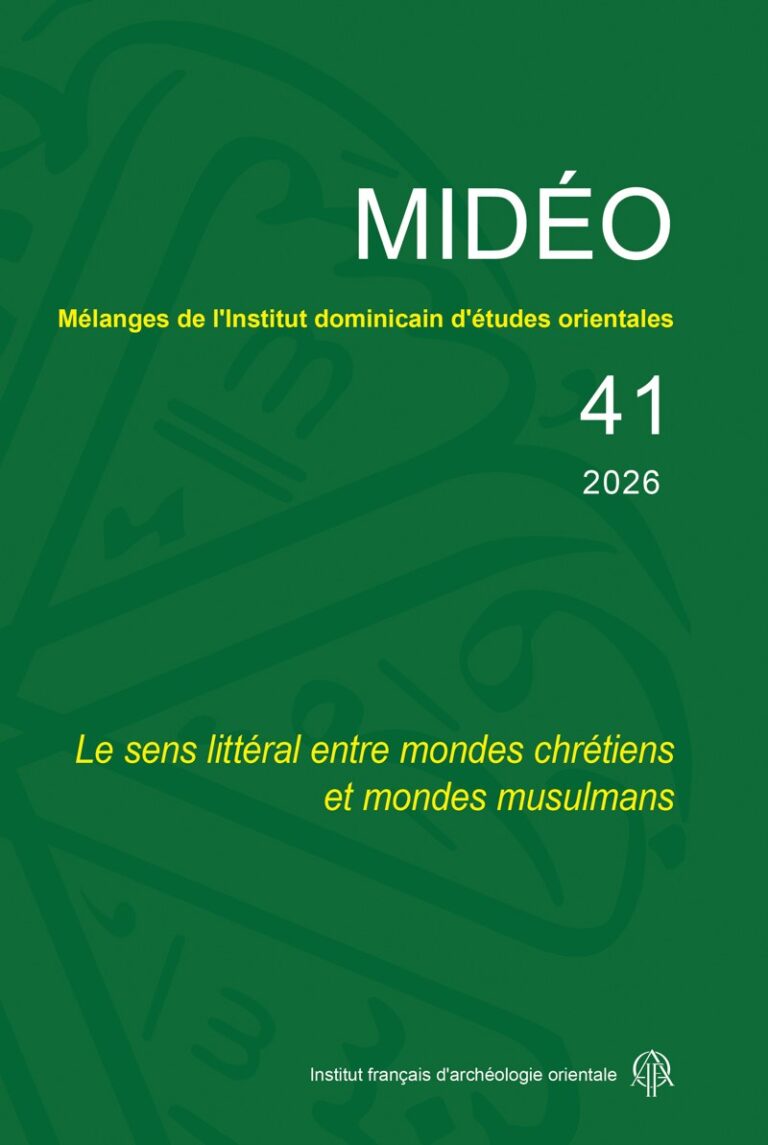 MIDÉO No. 41: The Literal Meaning between Christian Worlds and Muslim Worlds
Jean Druel · Emmanuel Pisani Entitled after its thematic dossier The Literal Meaning between Christian Worlds and Muslim Worlds, issue 41 of the Mélanges de l’Institut dominicain d’études orientales…
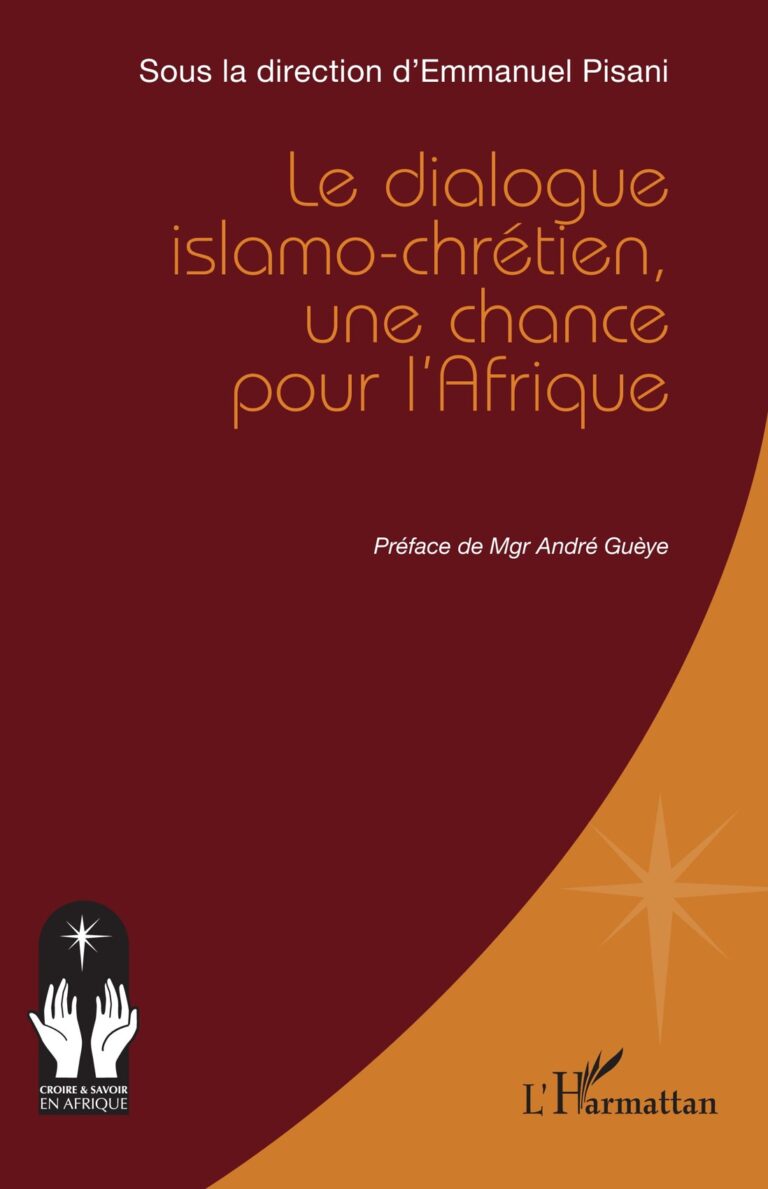 Christian-Muslim Dialogue, an Opportunity for Africa
Emmanuel Pisani At a time when sub-Saharan Africa is undergoing profound socio-political change and the rise of religious radicalism, Christian-Muslim dialogue emerges as an essential requirement…
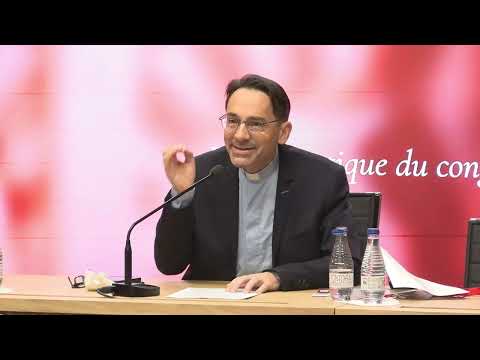 The theme of the Cordoba congress
Emmanuel Pisani An opening presentation of the stakes of the 5th international congress of the University Platform for Research on Islam (Pluriel), held in Cordoba from…
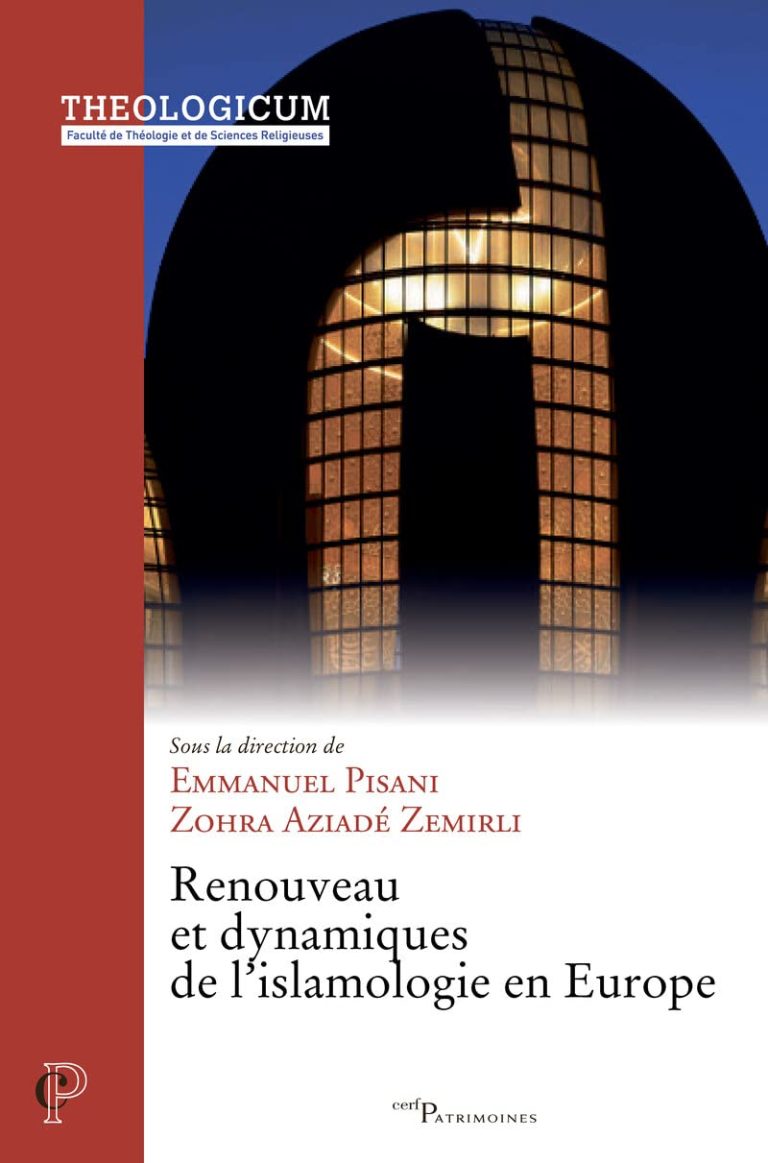 Revival and Dynamics of Islamic Studies in Europe
Michel Younès · Emmanuel Pisani · Cédric Baylocq · Zohra Aziadé Zemirli · Michele Brignone · Haoues Seniguer “In a troubled international context where Islam is sometimes defined as an ideological marker of many conflicts, academic research drawing on history, sociology, and…
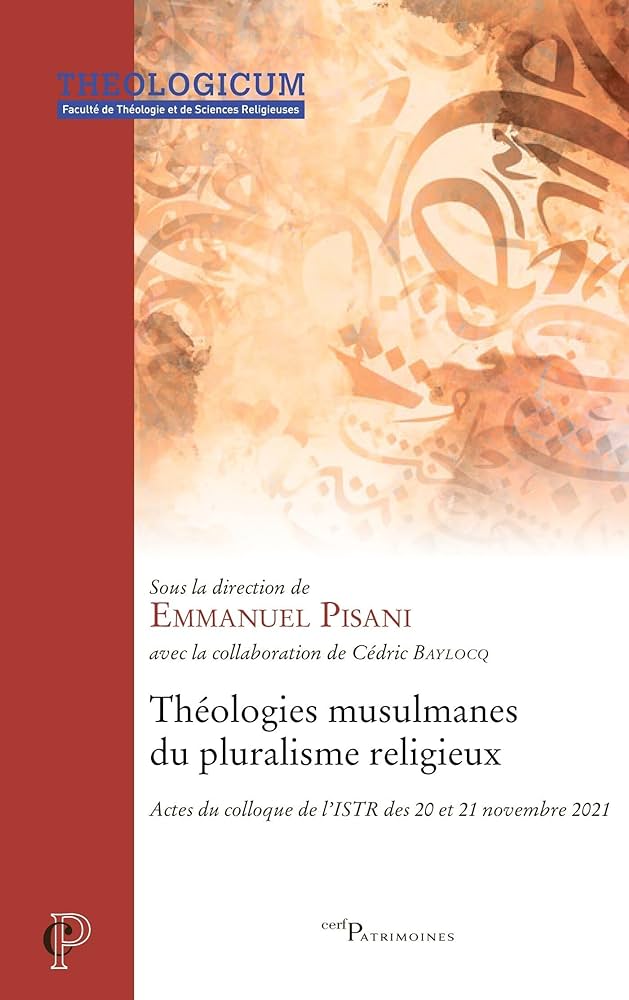 Muslim Theologies of Religious Pluralism. Proceedings of the Colloquium Held on November 20 and 21, 2021
Emmanuel Pisani · Cédric Baylocq · Anne-Sophie Vivier-Muresan · Zohra Aziadé Zemirli · Charbel Attallah · Haoues Seniguer · Youssouf Sangaré The laboratory of the Institute of Science and Theology of Religions of Paris (Theologicum, ICP) presents here the outcome of four years of research…
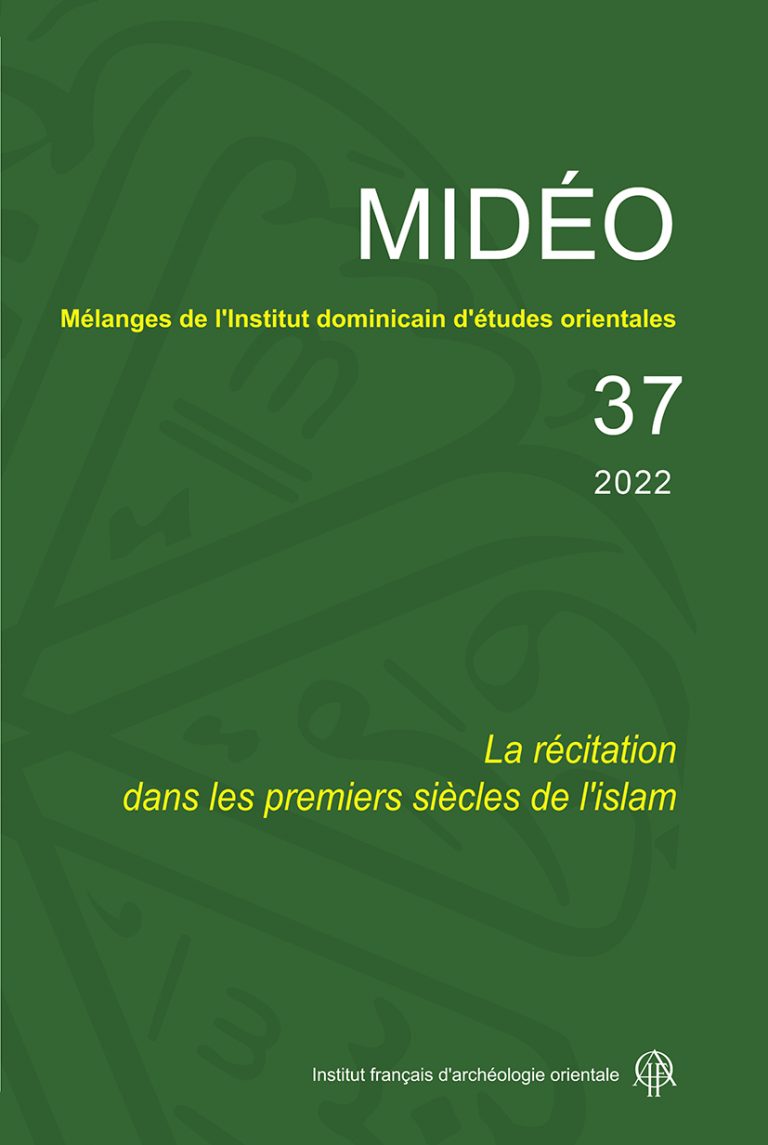 MIDÉO No. 37: Recitation in the early centuries of Islam
Emmanuel Pisani The history of reciting the Quran has been rarely studied. This volume comprises most of the papers presented at the Third IDEO Conference held…
Related resources: « Authority »
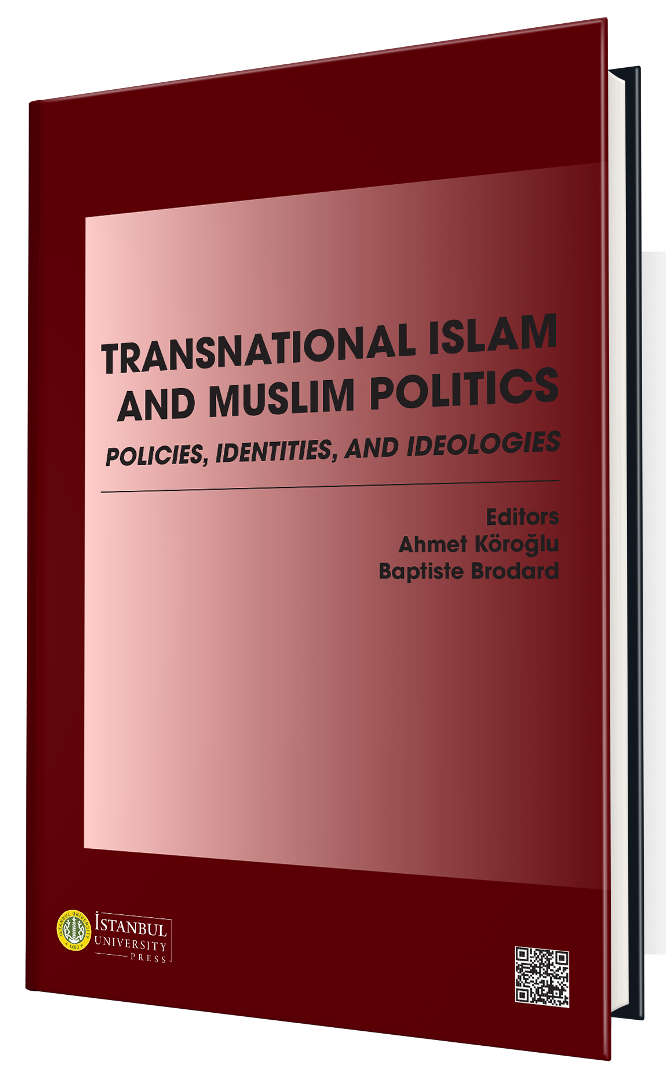 From Transnational Islamic Movements to Individual Religiosity: the Crisis of Religious Authority in Western European Muslim Communities
Baptiste Brodard Islam has evolved in form over recent decades in Western European countries, where its lack of institutionalization and official representation allow different ideological trends,…
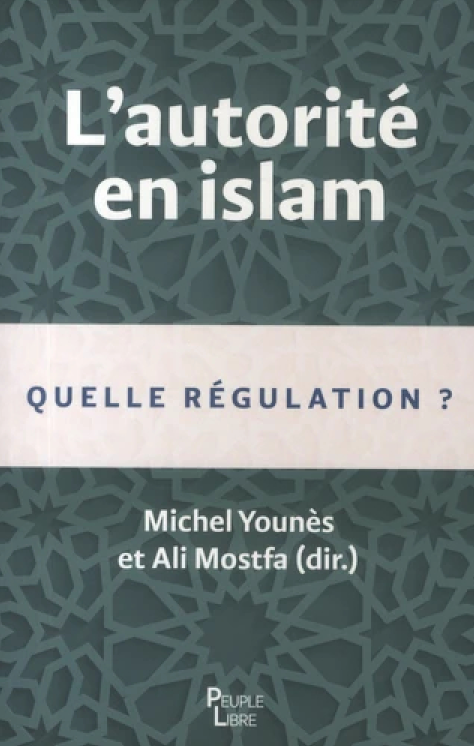 Authority in Islam. What regulation? Proceedings of the symposium.
Michel Younès · Mohamed-Ali Mostfa · Bénédicte Du Chaffaut “It is often said: “”no clergy in Islam””. In the absence of a hierarchical and universal magisterial authority, what are the instances and figures…
 Religious authority and its contestation according to Mohammad Talbi
Yosra Garmi Conference « Religious Authority in Islam », organised by the Centre for the Study of Cultures and Religions and the Research Unit of the…
 The authority of the Ulemas, Glory and misery according to Abdel Jawad Yassin
Samir Arbache Conference « Religious Authority in Islam », organised by the Centre for the Study of Cultures and Religions and the Research Unit of the…
 Sunni authorities at the turn of the 20th-21st century
Dominique Avon Conference « Religious Authority in Islam », organised by the Centre for the Study of Cultures and Religions and the Research Unit of the…
 al-Ġazālī, a figure of a magisterial authority?
Emmanuel Pisani Conference « Religious Authority in Islam », organised by the Centre for the Study of Cultures and Religions and the Research Unit of the…