
MIDÉO No. 37: Recitation in the early centuries of Islam
The history of reciting the Quran has been rarely studied. This volume comprises most of the papers presented at the Third IDEO Conference held in Cairo in October 2020 on reciting in the early Islamic empire. It offers a space for reflecting on the different types of reciting in the Middle East from the late sixth to the ninth century C.E., including ‘Islamic religious’ contexts (Quran, Hadith), ‘non-Islamic religious’ contexts (Zoroastrianism, Syriac Christianity), and ‘secular’ contexts (graffiti). These types of recitation serve as a starting point for a reflection on the literary genres of the texts recited, on the recitation techniques, as well as on the agents of recitation and the socio-political contexts linked to the act of reciting.
L’histoire de la récitation coranique est une question peu étudiée. Ce volume est constitué d’un dossier rassemblant la plupart des communications tenues lors du troisième colloque de l’IDÉO au Caire en octobre 2020 sur la récitation dans les premiers siècles de l’islam. Il offre un espace de réflexion sur les différents types de récitations au Proche-Orient de la fin du VIe siècle jusqu’au IXe siècle de l’ère commune : des contextes « religieux islamiques » (le Coran, le Hadith), “religieux non islamiques” (le zoroastrisme, le christianisme syriaque) et « profanes » (les graffiti). Ces types de récitations servent de point de départ pour une réflexion sur les genres littéraires des textes récités, sur les techniques de récitation, mais aussi sur les acteurs de la récitation et les contextes socio-politiques liés à l’acte de la récitation.
لم يحظَ بعد موضوعُ تأريخ قراءة القرآن كلّ الاهتمام الأكاديميّ الواجب. يحتوي هذا العدد من مجلّة المعهد الدومنيكيّ على ملفٍّ يجمع معظم الأبحاث المقدَّمة في الندوة الثالثة للمعهد الدومنيكيّ بالقاهرة الّذي عُقد في شهر أكتوبر٢٠٢٠ حول القراءة في القرون الأُولى من الإسلام. أتاحتْ هذه الندوة مساحةً للبحث عن أشكال القراءة المختلفة في الشرق الأوسط من أواخر القرن السادس إلى القرن التاسع الميلاديّين، بما يشمل السياقات «الدينيّة الإسلاميّة» (القرآن والحديث)، و«الدينيّة غير الإسلاميّة» (الزرادشتيّة والمسيحيّة السريانيّة) و«غير الدينيّة» (المنقوشات). تمثّل هذه الأنواع من القراءة نقطة الانطلاق للبحث في الأنواع الأدبيّة للنصوص المقروءة وطرق القراءة والقرّاء والسياقات الاقتصاديّة والسياسيّة المرتبطة بظاهرة القراءة.
By the same author on Pluriel
 MIDÉO No. 41: The Literal Meaning between Christian Worlds and Muslim Worlds
Jean Druel · Emmanuel Pisani Entitled after its thematic dossier The Literal Meaning between Christian Worlds and Muslim Worlds, issue 41 of the Mélanges de l’Institut dominicain d’études orientales…
 Christian-Muslim Dialogue, an Opportunity for Africa
Emmanuel Pisani At a time when sub-Saharan Africa is undergoing profound socio-political change and the rise of religious radicalism, Christian-Muslim dialogue emerges as an essential requirement…
 The theme of the Cordoba congress
Emmanuel Pisani An opening presentation of the stakes of the 5th international congress of the University Platform for Research on Islam (Pluriel), held in Cordoba from…
 Revival and Dynamics of Islamic Studies in Europe
Michel Younès · Emmanuel Pisani · Cédric Baylocq · Zohra Aziadé Zemirli · Michele Brignone · Haoues Seniguer “In a troubled international context where Islam is sometimes defined as an ideological marker of many conflicts, academic research drawing on history, sociology, and…
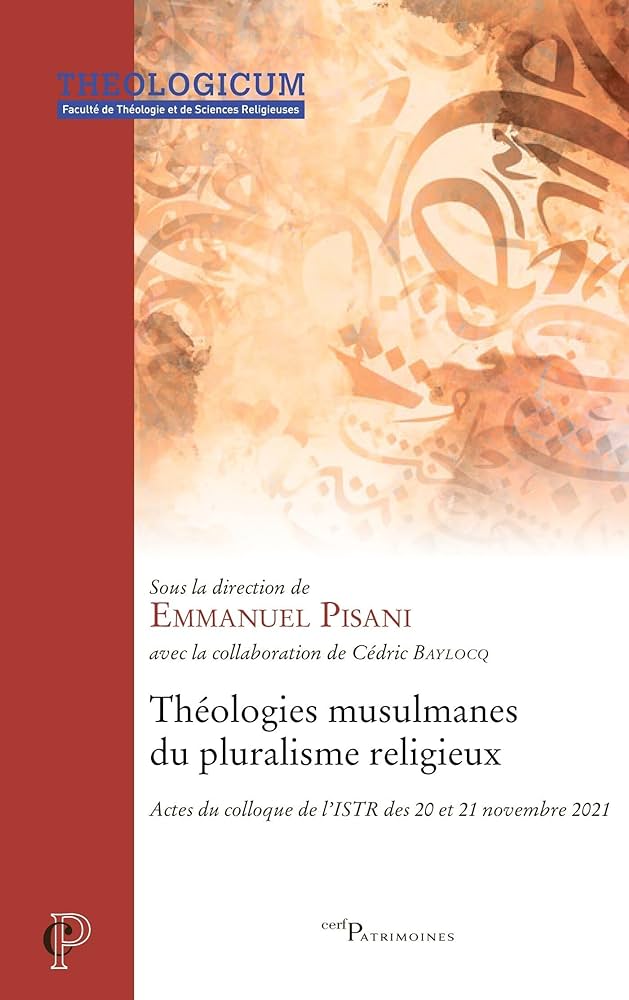 Muslim Theologies of Religious Pluralism. Proceedings of the Colloquium Held on November 20 and 21, 2021
Emmanuel Pisani · Cédric Baylocq · Anne-Sophie Vivier-Muresan · Zohra Aziadé Zemirli · Charbel Attallah · Haoues Seniguer · Youssouf Sangaré The laboratory of the Institute of Science and Theology of Religions of Paris (Theologicum, ICP) presents here the outcome of four years of research…
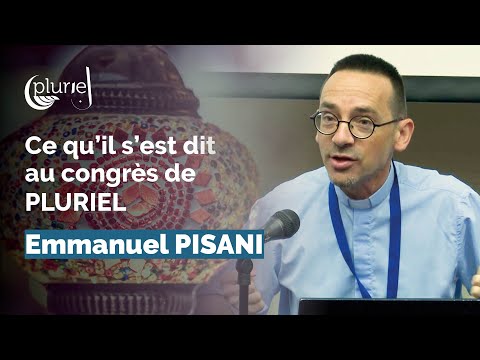 Synthesis of the congress ‘Islam and Otherness’
Emmanuel Pisani Friar Emmanuel Pisani, Director of the Dominican Institute of Oriental Studies, Cairo 3rd International Congress of the PLURIEL network, from 23 to 27 May…
Related resources: « History »
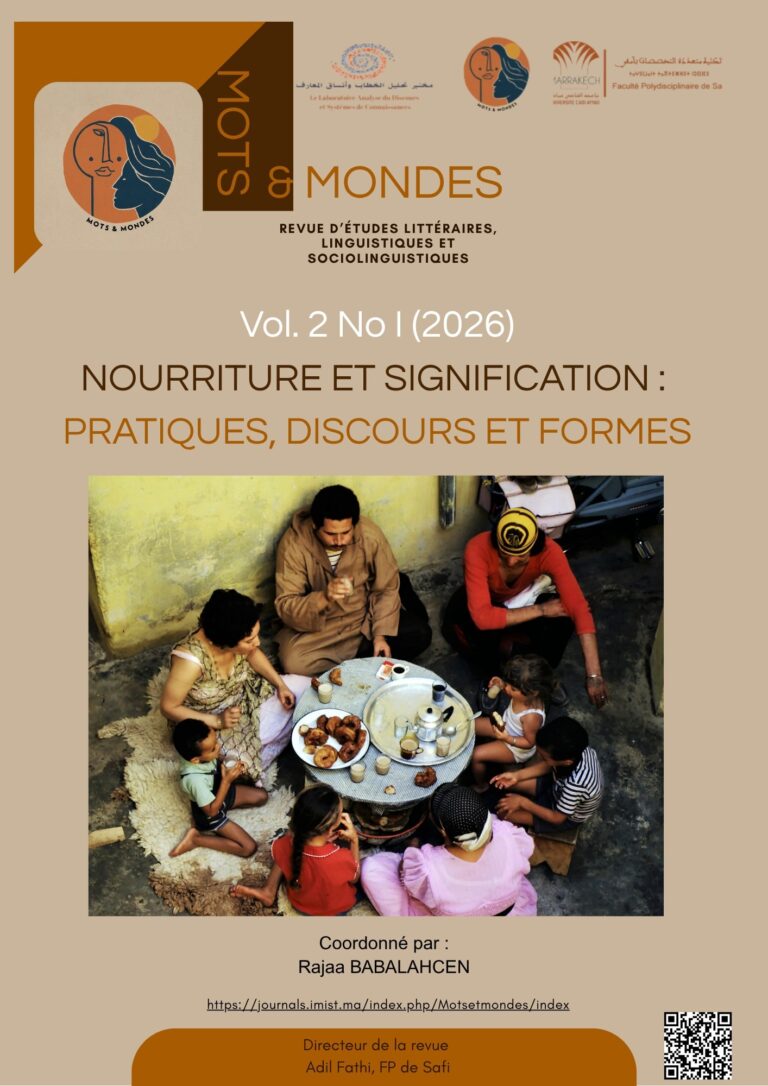 The Table as a Social Language: Food and Norms in al-Ǧāḥiẓ
Faisal Kenanah Abstract Published in French in the journal Mots et mondes. Revue d'études littéraires, linguistiques et sociolinguistiques (Cadi Ayyad University, Marrakesh), in the issue "Nourriture…
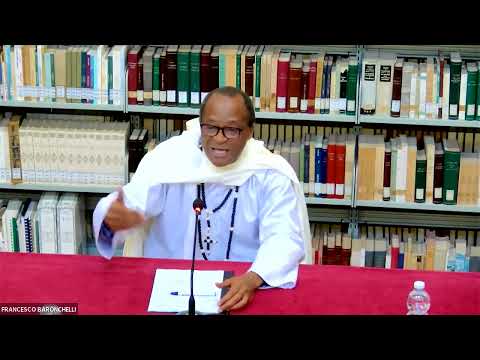 From Lavigerie to PISAI: The Institutional History of the Missionaries of Africa’s Engagement with Islam
Delivered on 21 May 2026 at the Pontifical Institute for Arabic and Islamic Studies (PISAI) in Rome, this lecture opens the series of conferences…
 Muhammad in Modern Art, by Alice Bombardier
Lecture given by Alice Bombardier (Professeure agrégée at Sorbonne Université) as part of the Théologies en dialogue Chair of the Faculty of Theology at…
 Aesthetics of living together: visualising an Islamic ethics of the other in al-Andalus
Paper presented at the fifth international congress of the University Platform for Research on Islam (Pluriel), held in Cordoba from 10 to 14 February…
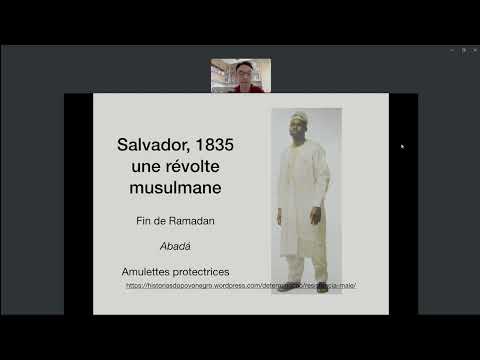 The Carnival of the Malês: signs of an ethics of Muslim resistance
Paper presented at the fifth international congress of the University Platform for Research on Islam (Pluriel), held in Cordoba from 10 to 14 February…
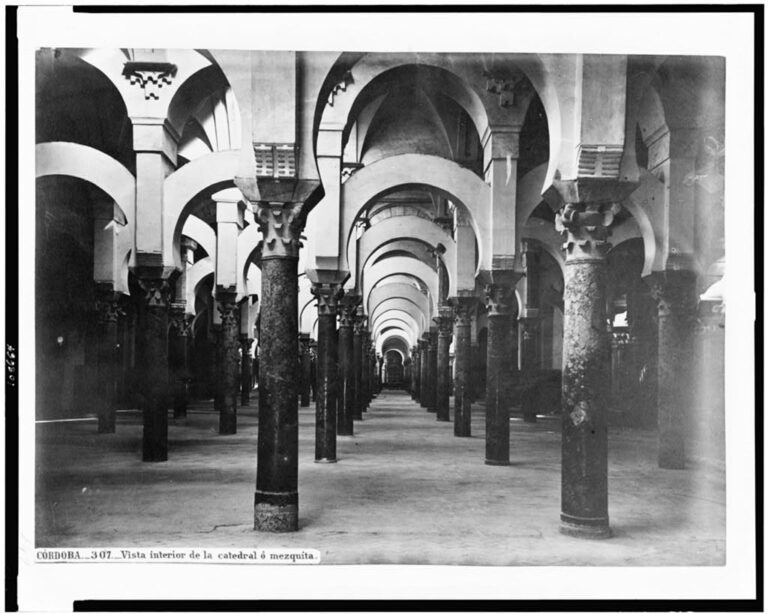 “The 1970s Debates on the Architectural Separation between the Mosque and the Cathedral of Córdoba”, by José Luis Llaquet de Entrambasaguas
José Luis Llaquet de Entrambasaguas In the collective volume Gobernar la desorganización global (ed. Alfonso Chaves-Montero, Dykinson, 2026), José Luis Llaquet de Entrambasaguas, professor of state ecclesiastical law at…