
MIDEO 36 – Iǧtihād and taqlīd in Sunnī and Šīʿī Islam
The theme of iǧtihād and taqlīd, by pointing to the notional antagonism between independent reasoning on the one hand and submission to the argument of authority on the other, plunges us into the heart of the debates among Muslims, Sunnis as well as Šīʿis, on the most essential issues of their faith: What is authority in Islam? What are its sources of reference? What is the place of rational reasoning as authority? What role do the revelation of God and the Sunna of the Prophet —or Imāms, for Šīʿis— play in relation to reason?
Since the relationship between taqlīd and iǧtihād is complex, the thematic dossier of this issue of MIDEO proposes to deepen both logics in the light of the Islamic heritage. The history of Islamic thought shows that distinctions have indeed been made between the fundamental principles (uṣūl) and the branches of Fiqh (furūʿ), that relationships have been elaborated with other connected notions (iḫtilāf, ittibāʿ, iǧmāʿ, tarǧīḥ), that taqlīd has been evaluated in different ways (ḥarām, maḏmūm, mubāḥ), and that distinctions have been made between degrees of iǧtihād. Beyond the rivalry between the two logics, it was necessary to verify whether or not these notions are within a continuum, and that they are not incompatible, although these two hegemonic perspectives oppose one another.
You can have an Open Access of the content on OpenEdition : https://journals.openedition.org/mideo/6636
Le thème de l’iǧtihād et du taqlīd, en nous renvoyant à l’antagonisme notionnel entre le raisonnement indépendant d’une part et la soumission à l’argument d’autorité d’autre part, nous plonge au cœur des débats parmi les musulmans, sunnites ainsi que šīʿites, sur les questions les plus essentielles de leur foi : Qu’est-ce que l’autorité en islam ? Quelles sont ses sources de référence ? Quelle est la place du raisonnement rationnel comme autorité ? Quel rôle jouent la révélation de Dieu et la Sunna du Prophète – respectivement, des Imāms – face à la raison ?
La relation entre le taqlīd et l’iǧtihād étant complexe, le dossier de ce MIDÉO se propose d’approfondir les deux logiques à la lumière du patrimoine islamique. L’histoire de la pensée islamique montre que l’on a établi en effet des distinctions entre les principes fondamentaux (uṣūl) et les branches du fiqh (furūʿ), que l’on a élaboré des relations avec des notions connexes (iḫtilāf, ittibāʿ, iǧmāʿ, tarǧīḥ), que l’on a évalué de manière différente le taqlīd (ḥarām, maḏmūm, mubāḥ), ou encore établi des distinctions de degrés d’iǧtihād. Au-delà de la rivalité entre les deux logiques, il convenait de vérifier si l’on restait bien dans un continuum, et que, si les perspectives hégémoniques sont rivales, elles n’en étaient pas pour autant incompatibles.
Ce numéro est disponible en accès libre sur OpenEdition : https://journals.openedition.org/mideo/6636
إن قضيّة الاجتهاد والتقليد، التي تشير إلى التناقض المعرفيّ بين التفكير المستقلّ من جهةٍ واتّباع قول الغير بغير حجّة من جهةٍ أخرى، تُدخِلنا في قلب النقاشات بين المسلمين، من السنّة والشيعة كذلك، حول أهمّ قضايا عقيدتهم: ما هي السلطة في الإسلام؟ ما هي مصادرُها المرجعيّة؟ ما هي سلطة العقل؟ ما منزلة الوحي وسنّة الرسول —أو الأئمّة عند الشيعة— بإزاء بالعقل؟
نظرًا لتعقّد العلاقة بين التقليد والاجتهاد، فإنّ موضوع هذا العدد من مجلّة المعهد يقترح البحث بعمق في كلا الموقفين في ضوء التراث الإسلاميّ. يوضّح تاريخ الفكر الإسلاميّ أنّه قد تمّ بالفعل التفرقة بين الأصول والفروع في الفقه، وأنّ مفاهيم أخرى مرتبطة (مثل الاختلاف والاتّباع والإجماع والترجيح) قد تمّ تطويرها بجانب التقليد والاجتهاد، وأنّ للتقليد ذاته حكمٌ شرعيّ (حرام أو مذموم أو مباح)، كما أنّه توجد درجاتٌ للاجتهاد. وبعد التنافس بين الموقفين، موقف التقليد والاجتهاد، كان من الضروريّ التحقّق ممّا إذا كان هذان المفهومان ضمن سلسلةٍ متّصلة أم لا، على الرغم من أنّ هذين المنظورين المهيمنين يتعارضان فيما بينهما.
By the same author on Pluriel
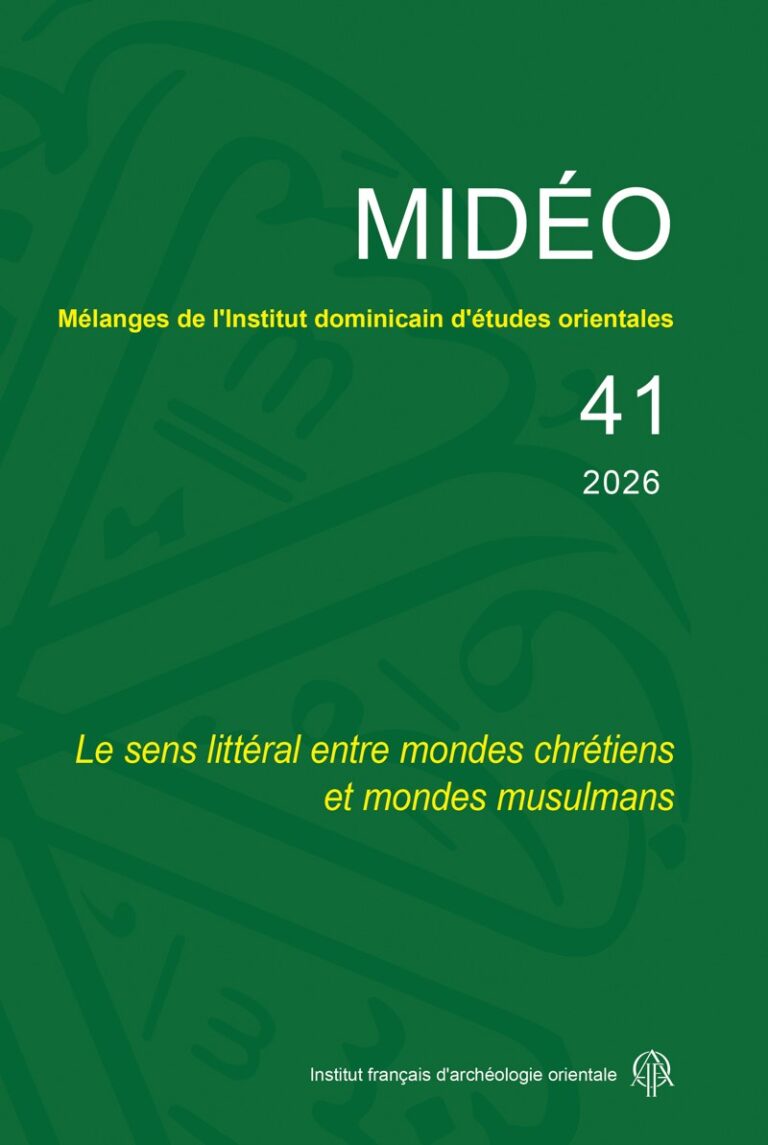 MIDÉO No. 41: The Literal Meaning between Christian Worlds and Muslim Worlds
Jean Druel · Emmanuel Pisani Entitled after its thematic dossier The Literal Meaning between Christian Worlds and Muslim Worlds, issue 41 of the Mélanges de l’Institut dominicain d’études orientales…
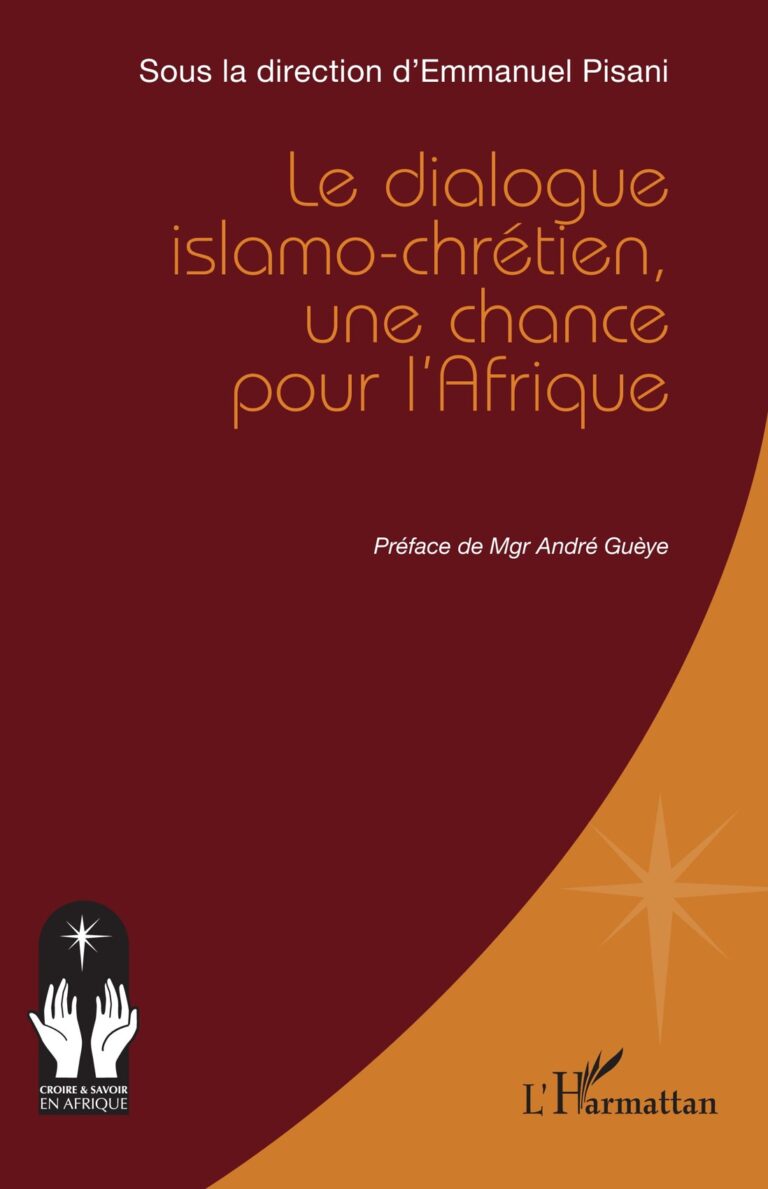 Christian-Muslim Dialogue, an Opportunity for Africa
Emmanuel Pisani At a time when sub-Saharan Africa is undergoing profound socio-political change and the rise of religious radicalism, Christian-Muslim dialogue emerges as an essential requirement…
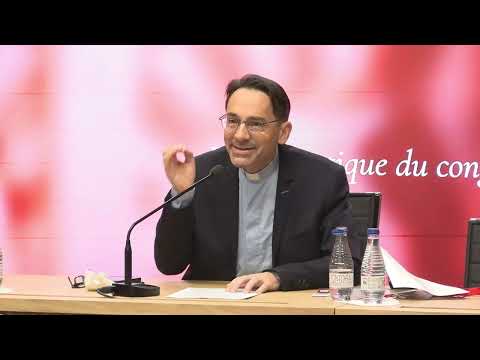 The theme of the Cordoba congress
Emmanuel Pisani An opening presentation of the stakes of the 5th international congress of the University Platform for Research on Islam (Pluriel), held in Cordoba from…
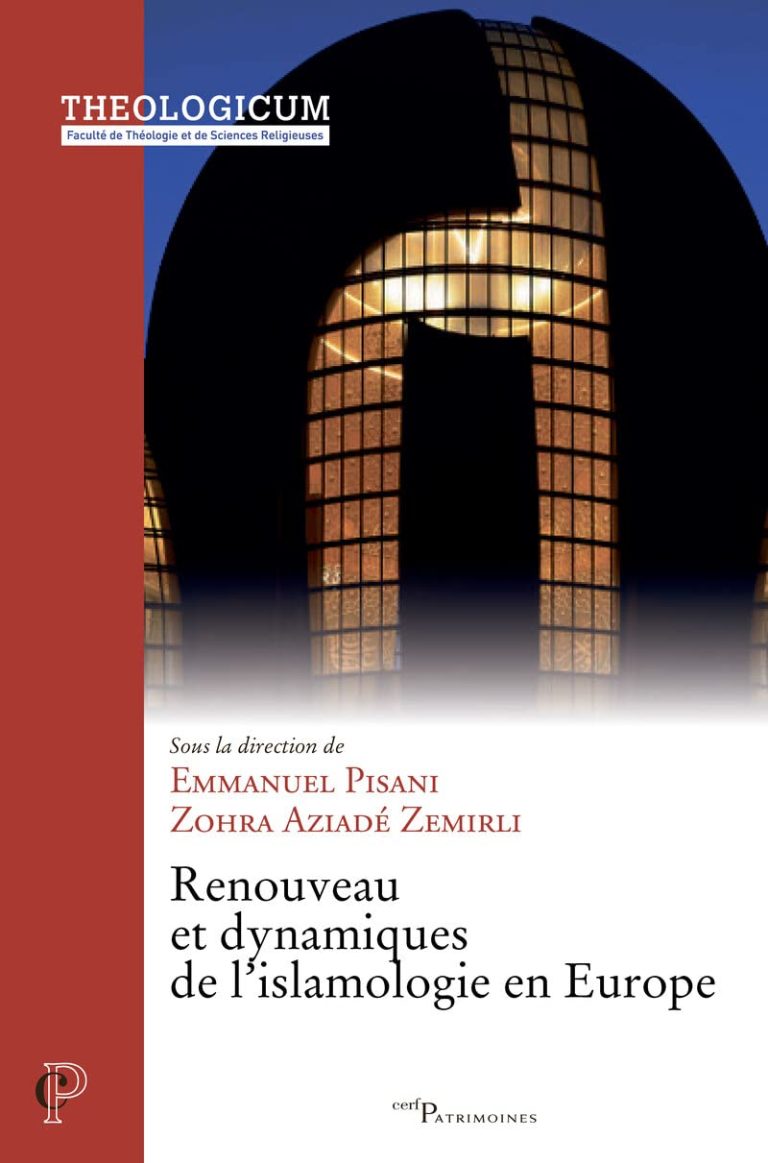 Revival and Dynamics of Islamic Studies in Europe
Michel Younès · Emmanuel Pisani · Cédric Baylocq · Zohra Aziadé Zemirli · Michele Brignone · Haoues Seniguer “In a troubled international context where Islam is sometimes defined as an ideological marker of many conflicts, academic research drawing on history, sociology, and…
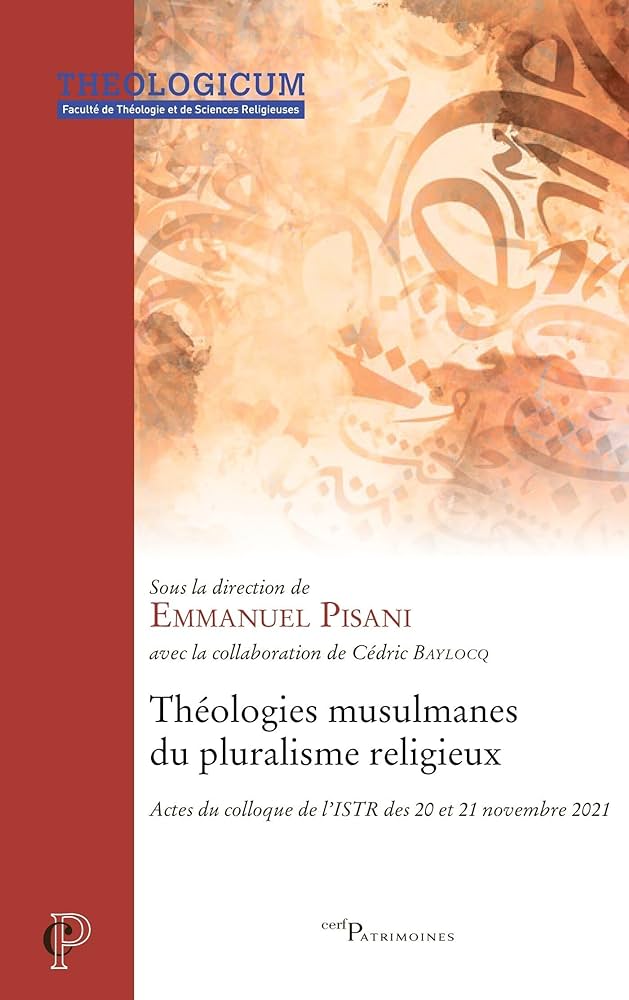 Muslim Theologies of Religious Pluralism. Proceedings of the Colloquium Held on November 20 and 21, 2021
Emmanuel Pisani · Cédric Baylocq · Anne-Sophie Vivier-Muresan · Zohra Aziadé Zemirli · Charbel Attallah · Haoues Seniguer · Youssouf Sangaré The laboratory of the Institute of Science and Theology of Religions of Paris (Theologicum, ICP) presents here the outcome of four years of research…
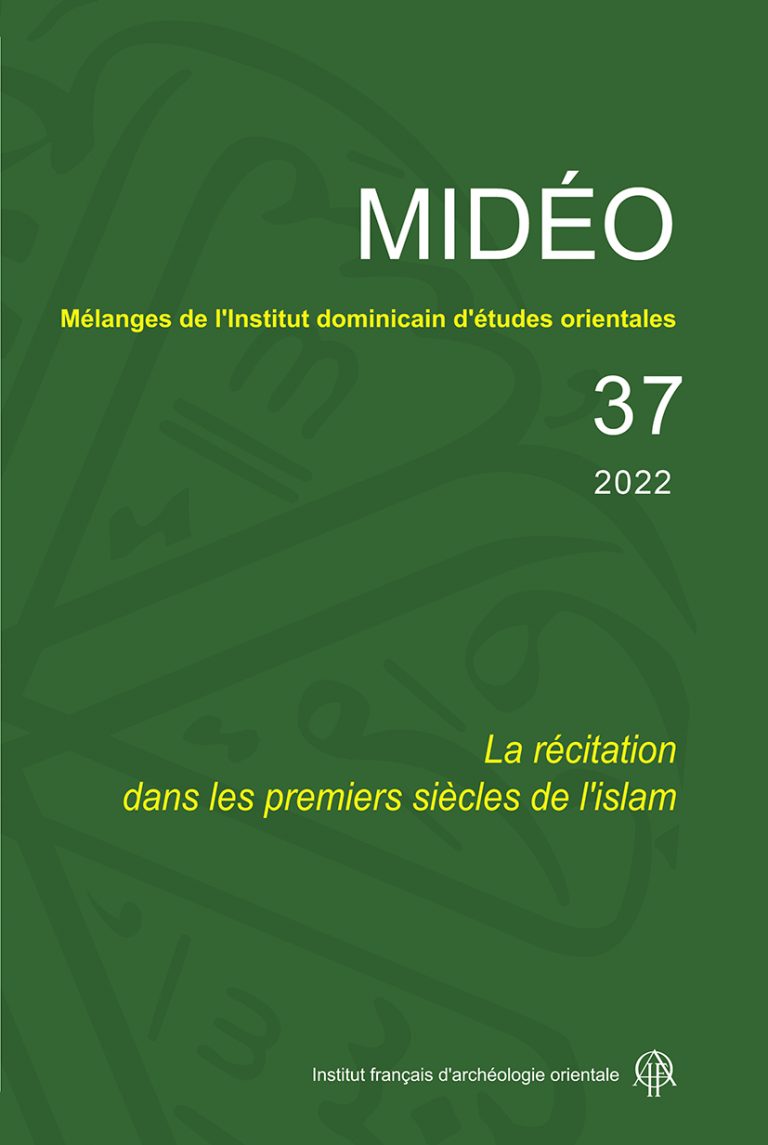 MIDÉO No. 37: Recitation in the early centuries of Islam
Emmanuel Pisani The history of reciting the Quran has been rarely studied. This volume comprises most of the papers presented at the Third IDEO Conference held…
Related resources: « Authority »
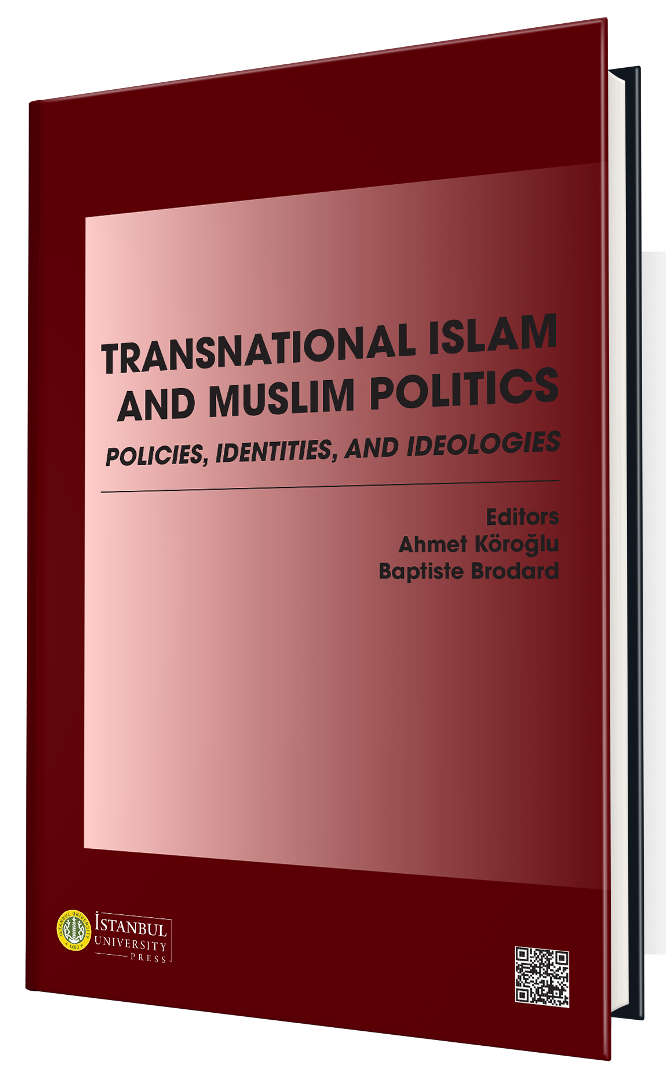 From Transnational Islamic Movements to Individual Religiosity: the Crisis of Religious Authority in Western European Muslim Communities
Baptiste Brodard Islam has evolved in form over recent decades in Western European countries, where its lack of institutionalization and official representation allow different ideological trends,…
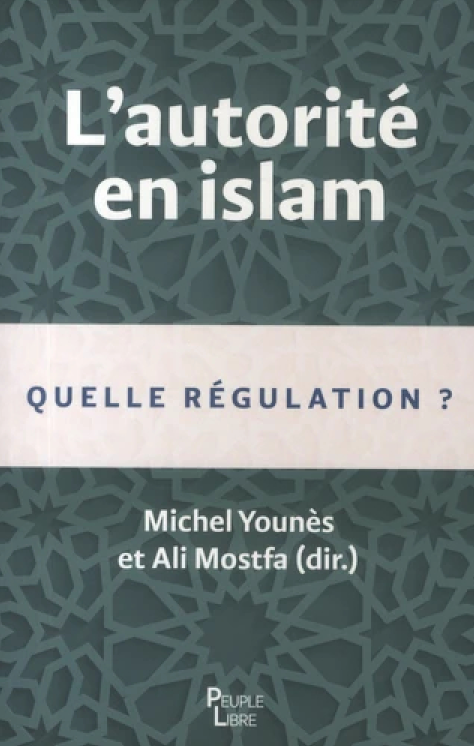 Authority in Islam. What regulation? Proceedings of the symposium.
Michel Younès · Mohamed-Ali Mostfa · Bénédicte Du Chaffaut “It is often said: “”no clergy in Islam””. In the absence of a hierarchical and universal magisterial authority, what are the instances and figures…
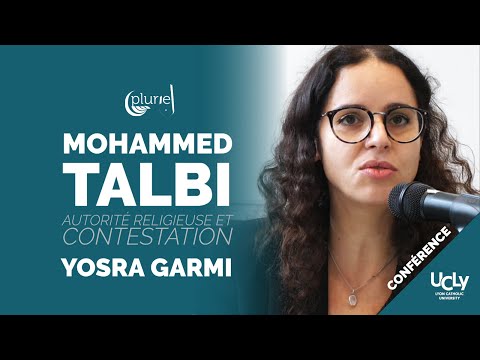 Religious authority and its contestation according to Mohammad Talbi
Yosra Garmi Conference « Religious Authority in Islam », organised by the Centre for the Study of Cultures and Religions and the Research Unit of the…
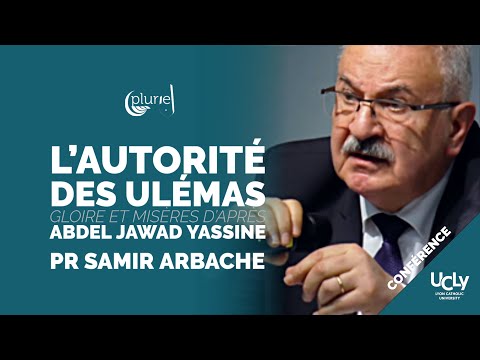 The authority of the Ulemas, Glory and misery according to Abdel Jawad Yassin
Samir Arbache Conference « Religious Authority in Islam », organised by the Centre for the Study of Cultures and Religions and the Research Unit of the…
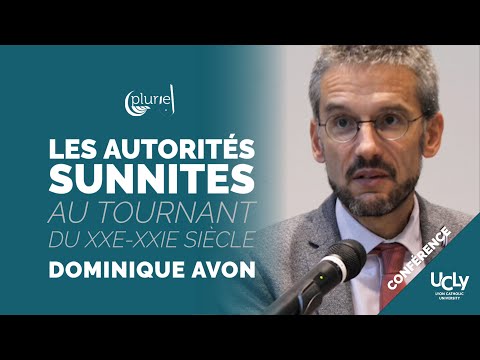 Sunni authorities at the turn of the 20th-21st century
Dominique Avon Conference « Religious Authority in Islam », organised by the Centre for the Study of Cultures and Religions and the Research Unit of the…
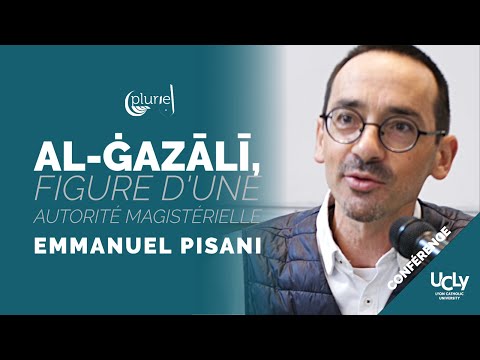 al-Ġazālī, a figure of a magisterial authority?
Emmanuel Pisani Conference « Religious Authority in Islam », organised by the Centre for the Study of Cultures and Religions and the Research Unit of the…