
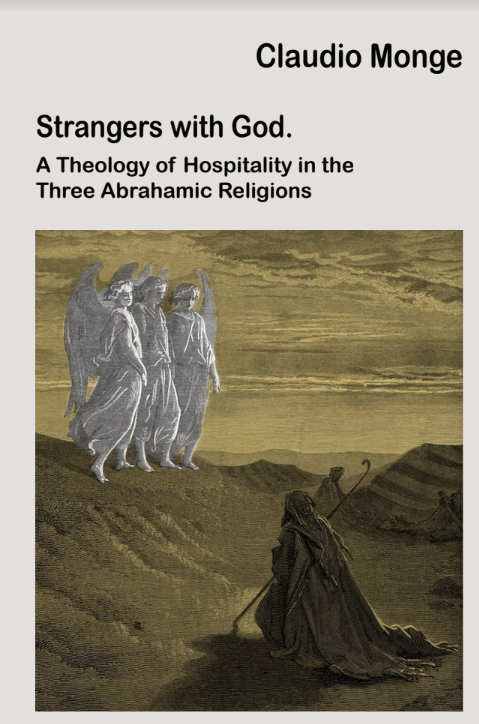
Publisher : ATF Press -

Strangers with God. A Theology of Hospitality in the Three Abrahamic Religions
These pages represent the condensation of a long journey of more than twenty-five years. It would be simplistic to define this journey as exclusively intellectual, as it would be unthinkable without frequent visits to the Middle East, particularly Turkey, Christianity’s second Holy Land, the ancient Asia Minor of biblical history, with its overwhelming Muslim population today. The fact is that, for many years now, the theme of hospitality has been the subject of numerous publications, studies, contributions, and gatherings with protagonists of diverse opinions and expertise coming together to provide answers to questions related to the challenge of living together in the complex society of our contemporary world. It is precisely by allowing ourselves to be questioned by these complexities that we become aware that the challenge of hospitality is not only economic or political but also spiritual.
“Claudio Monge addresses one of today’s key questions with an extremely ancient text from the deepest roots of our civilization, Genesis 18, in which Abraham welcomes the three strangers who come to his tent and announce the conception of Isaac. Today, as millions of people are on the move, fleeing war and poverty, the question of how we should welcome strangers is urgent and unavoidable. Monge explores this text through the traditions of three religions – Judaism, Christianity, and Islam – which claim the assent of about half the world’s population. Yet these three religions, which all refer in one way or another to Abraham, are often foreign to one another. If we could welcome one another, what a powerful sign of hope this would be for our conflict-torn world!” [from the preface by Timothy Radcliffe]
Ces pages représentent le condensé d’un long voyage de plus de vingt-cinq ans. Il serait simpliste de définir ce voyage comme exclusivement intellectuel, car il serait impensable sans de fréquentes visites au Moyen-Orient, en particulier en Turquie, la deuxième Terre Sainte du christianisme, l’ancienne Asie Mineure de l’histoire biblique, avec son écrasante population musulmane aujourd’hui. Le fait est que, depuis de nombreuses années maintenant, le thème de l’hospitalité a fait l’objet de nombreuses publications, études, contributions et rassemblements avec des protagonistes d’opinions et de diverses expertises se réunissant pour apporter des réponses aux questions liées au défi du vivre-ensemble dans la société complexe de notre monde contemporain. C’est précisément en nous laissant interroger par ces complexités que nous prenons conscience que le défi de l’hospitalité n’est pas seulement économique ou politique mais aussi spirituel.
“Claudio Monge aborde l’une des questions clés d’aujourd’hui avec un texte extrêmement ancien issu des racines les plus profondes de notre civilisation, Genèse 18, dans lequel Abraham accueille les trois étrangers qui viennent à sa tente et annoncent la conception d’Isaac. Aujourd’hui, alors que des millions de personnes sont en mouvement, fuyant la guerre et la pauvreté, la question de savoir comment nous devons accueillir les étrangers est urgente et incontournable. Monge explore ce texte à travers les traditions de trois religions – le judaïsme, le christianisme et l’islam – qui revendiquent l’assentiment d’environ la moitié de la population mondiale. Pourtant, ces trois religions, qui se réfèrent toutes d’une manière ou d’une autre à Abraham, sont souvent étrangères les unes aux autres. Si nous pouvions nous accueillir les uns les autres, quel puissant signe d’espoir ce serait pour notre monde déchiré par les conflits !” [de la préface de Timothy Radcliffe]
تمثل هذه الصفحات خلاصة رحلة طويلة استمرت لأكثر من خمسة وعشرين عامًا. سيكون من المبسط تعريف هذه الرحلة على أنها فكرية حصرًا، إذ أنها لا يمكن تصورها دون زيارات متكررة إلى الشرق الأوسط، وخاصة تركيا، الأرض المقدسة الثانية للمسيحية، آسيا الصغرى القديمة في التاريخ الكتابي، مع سكانها المسلمين الذين يشكلون الأغلبية الساحقة اليوم. والواقع أنه منذ سنوات عديدة، أصبح موضوع الضيافة محور العديد من المنشورات والدراسات والمساهمات واللقاءات التي جمعت شخصيات من آراء وخبرات متنوعة للإجابة على الأسئلة المتعلقة بتحدي العيش المشترك في مجتمعنا المعاصر المعقد. وبالتحديد من خلال السماح لأنفسنا بالتساؤل حول هذه التعقيدات، ندرك أن تحدي الضيافة ليس اقتصاديًا أو سياسيًا فحسب، بل روحي أيضًا.
“يتناول كلاوديو مونجي إحدى القضايا الرئيسية في عصرنا من خلال نص قديم جدًا مستمد من أعمق جذور حضارتنا، وهو سفر التكوين الإصحاح 18، حيث يستقبل إبراهيم الغرباء الثلاثة الذين يأتون إلى خيمته ويبشرون بحمل إسحاق. اليوم، مع وجود الملايين من الناس في حركة، يفرون من الحرب والفقر، أصبحت مسألة كيفية استقبالنا للغرباء ملحة ولا مفر منها. يستكشف مونجي هذا النص من خلال تقاليد ثلاثة أديان – اليهودية والمسيحية والإسلام – التي تدعي موافقة حوالي نصف سكان العالم. ومع ذلك، فإن هذه الأديان الثلاثة، التي تشير جميعها بطريقة أو بأخرى إلى إبراهيم، غالبًا ما تكون غريبة عن بعضها البعض. لو استطعنا أن نرحب ببعضنا البعض، فكم سيكون ذلك علامة قوية على الأمل لعالمنا الممزق بالصراعات!” [من مقدمة تيموثي رادكليف]


 publisher's website
Resources of this researcher
Resources related to Muslim-Christian Dialogue
article
Kenneth Cragg and the Event of the Qur’an
- Timo Güzelmansur
Article by Timo Güzelmansur published under the title Kenneth Cragg und das Ereignis des Koran on the theological portal feinschwarz.net (12 June 2026, open access). Timo Güzelmansur presents the A...

article
Leo XIV’s encyclical Magnifica Humanitas and the Pluriel working group on AI-assisted interreligious dialogue
- Wael Saleh
Text by Wael Saleh, researcher at the Université du Québec à Montréal (UQAM) and member of the Pluriel coordination committee. The simultaneous appearance of Leo XIV's encyclical Magnifica Human...

publication
The Recognition of a Hummingbird. Essays on Interreligious Dialogue and Missionary Work (2007-2025)
- Rémi Caucanas
Published in May 2026 by PISAI (Pontifical Institute for Arabic and Islamic Studies, Rome), this collection brings together the essays of Rémi Caucanas on interreligious dialogue and missionary wor...
videos
From Lavigerie to PISAI: The Institutional History of the Missionaries of Africa’s Engagement with Islam
Delivered on 21 May 2026 at the Pontifical Institute for Arabic and Islamic Studies (PISAI) in Rome, this lecture opens the series of conferences marking the institute's centenary (1926-2026). Fr. ...
videos
Interreligious Dialogue and Ethnic Nationalisms in the Balkans
At the invitation of PISAI (Pontifical Institute for Arabic and Islamic Studies, Rome) and Georgetown University, Ahmet Alibašić, professor of Islamic civilization at the Faculty of Islamic Studies...
publication
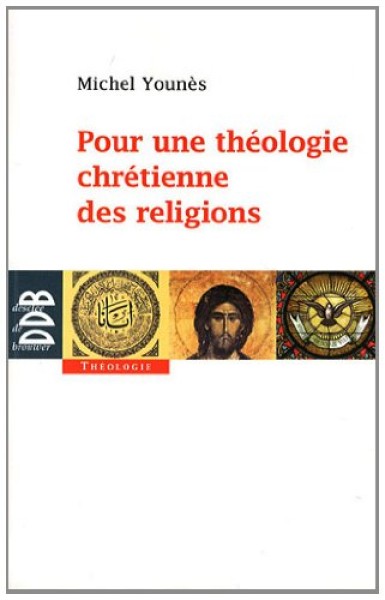
For a Christian Theology of Religions
- Michel Younès
Faced with contemporary religious diversity, how can Christian theology make sense of the place that other religions occupy in God’s design? Michel Younès examines the three traditional ̶...
publication
Intercultural Theology
- Jean Patrick Nkolo Fanga
Because every theology is culturally situated, Christian theology is inevitably multicultural. Yet one step remains to be taken: to become intercultural. Crossing languages, contexts, origins, ages...
article
Bells and Muezzin in Harmony: Dialogue with Islam as a Spiritual Responsibility
- Timo Güzelmansur
Article by Timo Güzelmansur published under the title Glocken und Muezzin im Einklang. Der Dialog mit dem Islam als geistliche Verantwortung in Herder Korrespondenz (special issue devoted to Pope L...