

English

Religious Pluralism in Post-“Arab Spring” Morocco
Title of the lecture : “Re-problematizing the Religious Majority-Minority Dialectics in Post-Arab Spring Morocco: Between Subalternity and Digital Disobedience”
Given the debate currently prevailing over religious freedom in post-2011 MENA, the provision for a rationale for investigating the official discourse on religious minorities in Morocco in the light of the “Marrakech Declaration” is likely to maximize spaces of contesting the State’s (semi) authoritarian strategies (Ottaway, 2013) of controlling the (un)equal inclusion of “subaltern” religious groups as well as renegotiating the notion of equal citizenship.
In this regard, this paper seeks to re-problematize the religious majority-minority dialectics in Morocco as a predominantly Muslim country where Sunni Malikite Islam is a source of political legitimacy and the basis of the State’s identity. It also looks within a critical framework at the different ways through which the Moroccan government has intended to institutionalize the religious field and “modernize” it.
Lecture given at the 3rd international congress of the PLURIEL network, from 23 to 27 May 2022 in Beirut.
In partnership with Saint Joseph University of Beirut and La Sagesse University.
Titre original de la conférence : “Re-problematizing the Religious Majority-Minority Dialectics in Post-Arab Spring Morocco: Between Subalternity and Digital Disobedience”
Compte tenu du débat qui prévaut actuellement sur la liberté religieuse dans la région MENA post-2011, la fourniture d’une justification pour enquêter sur le discours officiel sur les minorités religieuses au Maroc à la lumière de la ” Déclaration de Marrakech ” est susceptible de maximiser les espaces de contestation des stratégies (semi-) autoritaires de l’État (Ottaway, 2013) de contrôle de l’inclusion (inégalitaire) des groupes religieux ” subalternes ” ainsi que de renégocier la notion de citoyenneté égale.
À cet égard, cet article cherche à re-problématiser la dialectique religieuse majorité-minorité au Maroc en tant que pays majoritairement musulman où l’islam sunnite malikite est une source de légitimité politique et le fondement de l’identité de l’État. Il examine également, dans un cadre critique, les différentes manières par lesquelles le gouvernement marocain a voulu institutionnaliser le champ religieux et le “moderniser”.
Conférence donnée lors du 3è congrès international du réseau PLURIEL, du 23 au 27 mai 2022 à Beyrouth.
En partenariat avec l’Université Saint Joseph de Beyrouth et l’Université La Sagesse.


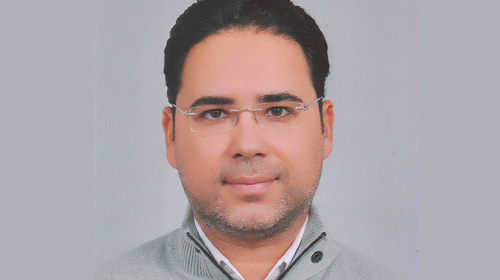
Resources of this researcher
Resources related to Freedom of Religion

videos
From regulating religious sound to transforming it into light: public, legal and architectural debates on the adhān
Paper presented at the fifth international congress of the University Platform for Research on Islam (Pluriel), held in Cordoba from 10 to 14 February 2026 on the theme "Ethics and Aesthetics in Is...
article
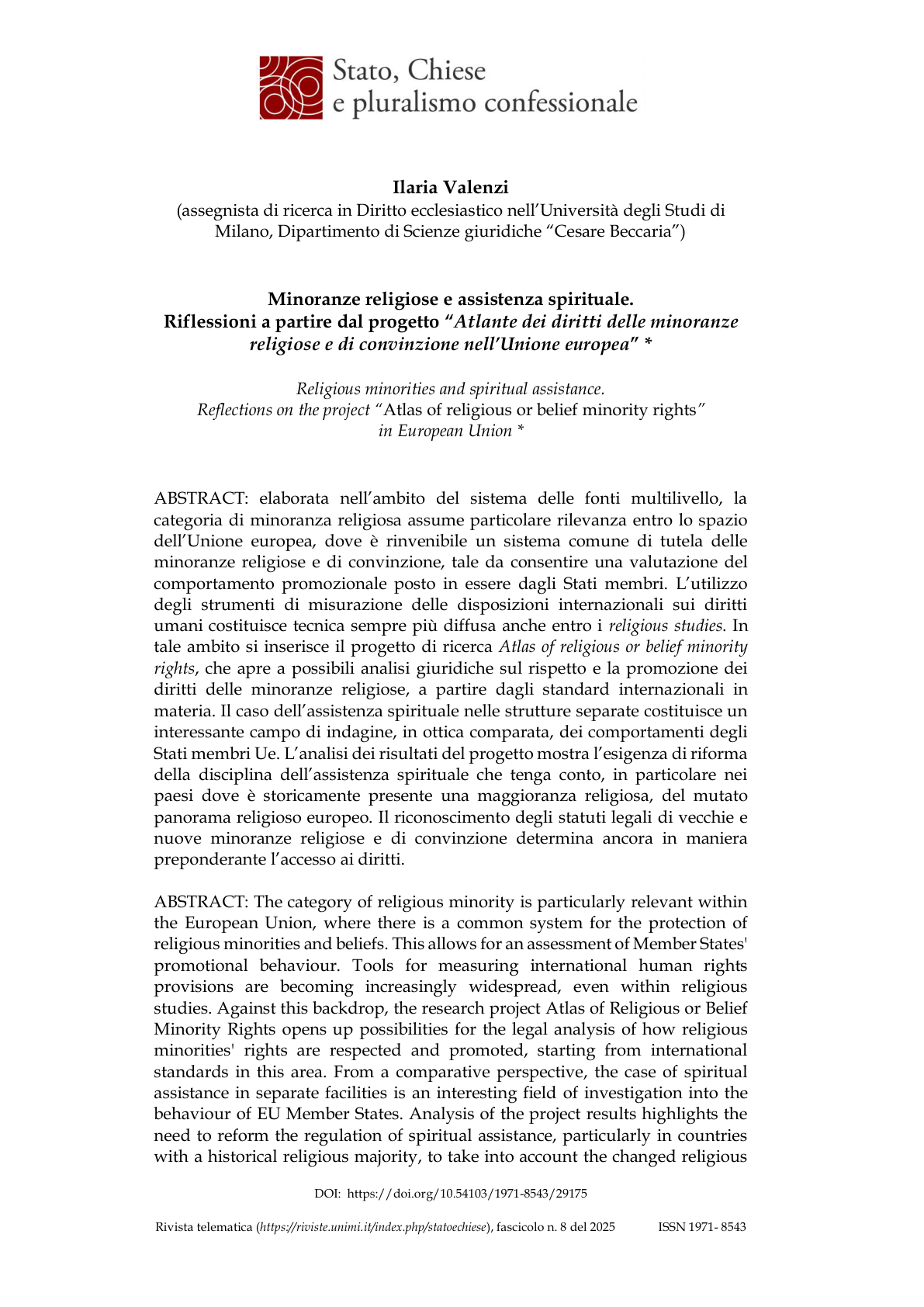
Religious minorities and spiritual assistance. Reflections on the project “Atlas of religious or belief minority rights” in the European Union
- Ilaria Valenzi
Abstract Developed within the multilevel system of legal sources, the category of "religious minority" takes on particular significance within the European Union, where a shared system of protectio...
article
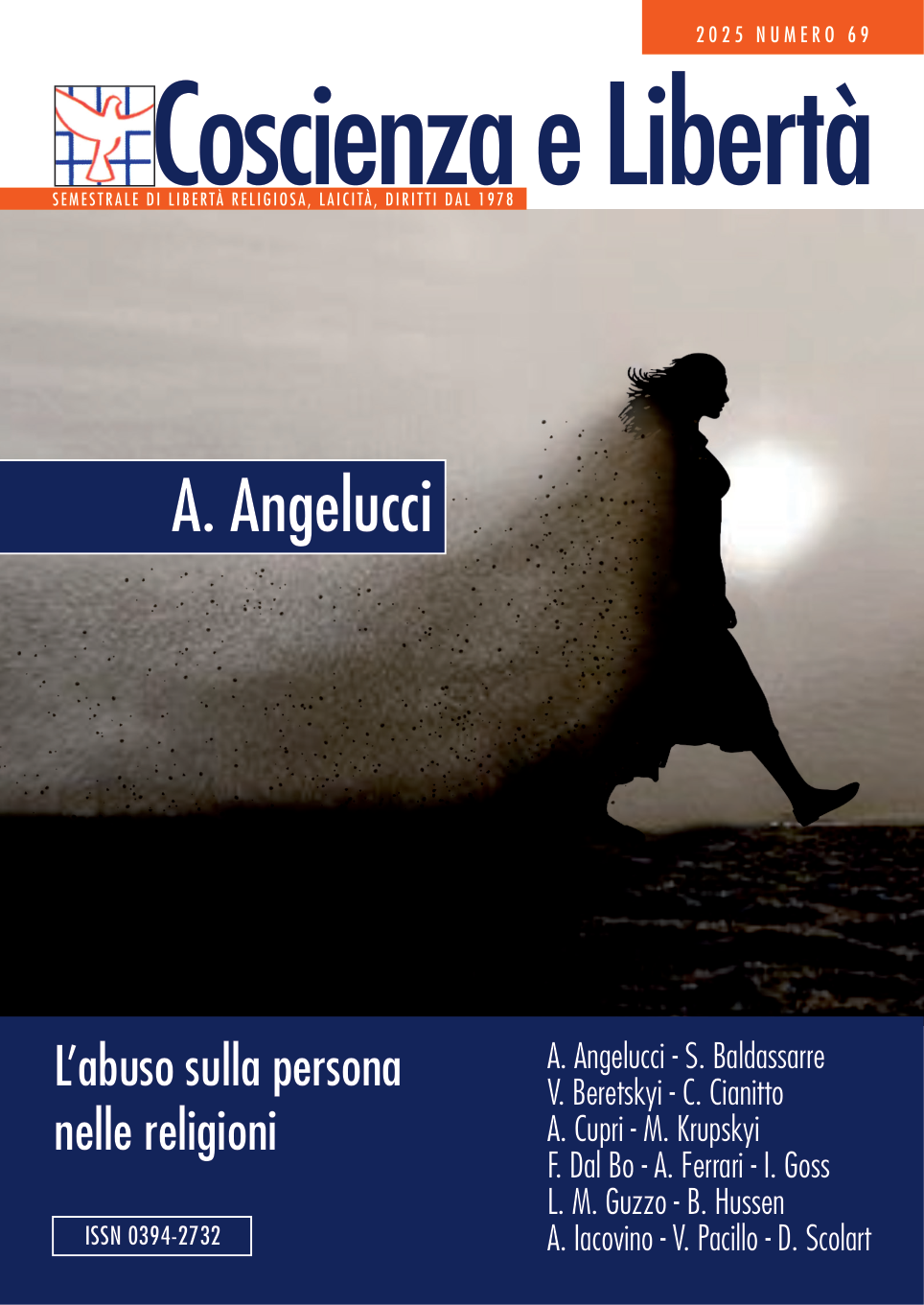
“Inclusive Citizenship, the Right to a Place of Worship and Everyday Peace”, by Antonio Angelucci
- Antonio Angelucci
In an article published in the Italian journal Coscienza e Libertà (no. 69, 2025), Antonio Angelucci, associate professor of law and religion at the University of Insubria, examines the connection ...
article
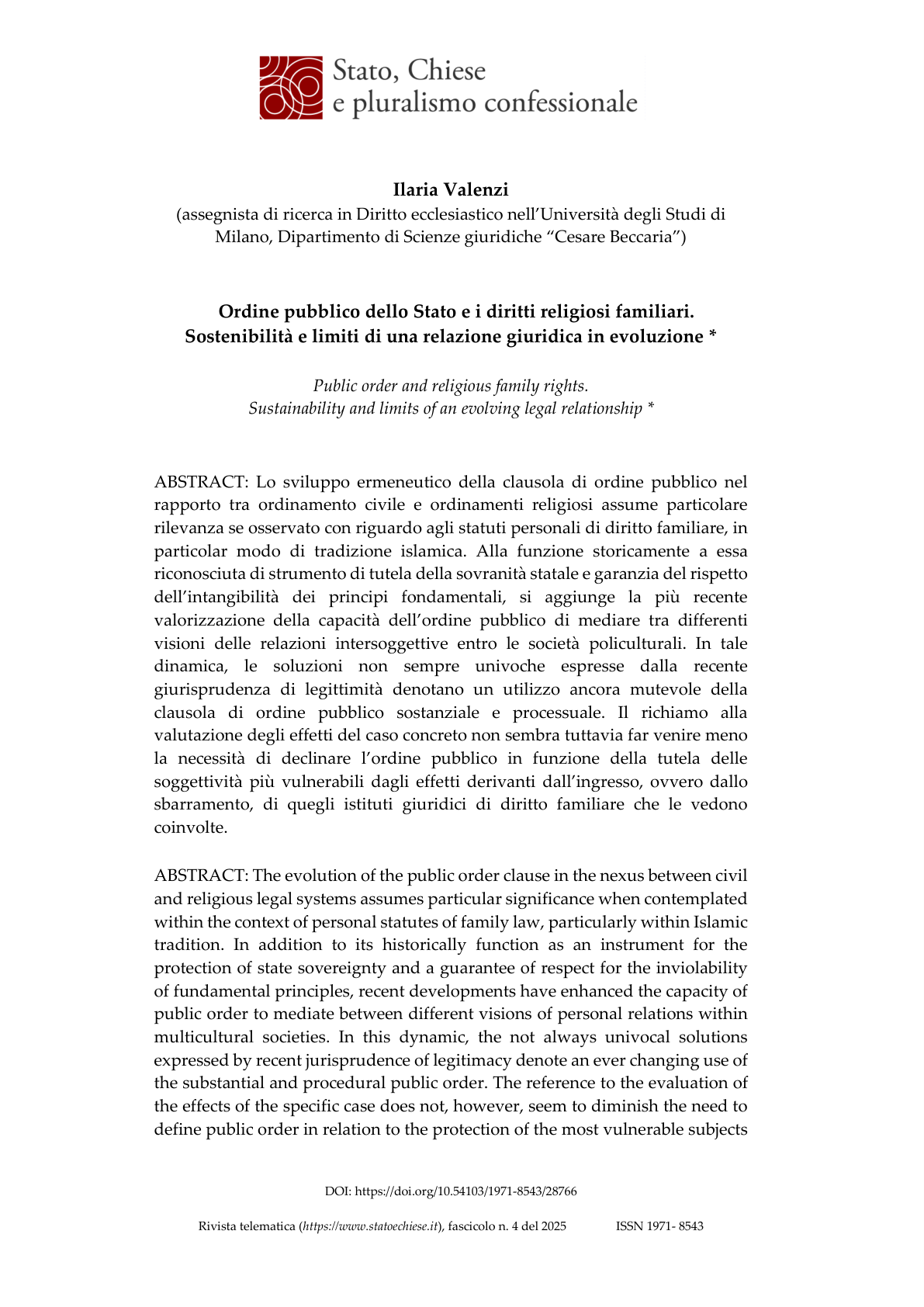
Public order and religious family rights. Sustainability and limits of an evolving legal relationship
- Ilaria Valenzi
Abstract The public-order clause, which safeguards the fundamental principles of the legal order, is today tested by the circulation of family models rooted in religious legal systems. Ilaria Valen...

videos
Freedom of conscience, a contested yet resilient right
- Dominique Avon
Rome. In a conference given on November 28, 2024, at the Pontifical Institute for Arabic and Islamic Studies, Professor Dominique Avon from the École Pratique des Hautes Études in Paris traced the ...
publication
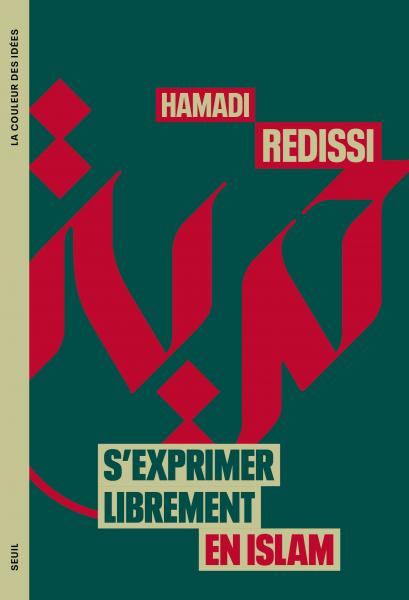
Speaking freely in Islam
- Hamadi Redissi
What is the Islamic doctrine of blasphemy, insult to God, religion and the Prophet? What about the prohibition of figurative representation of Muhammad? Can one openly believe or abjure in Islam? T...
publication
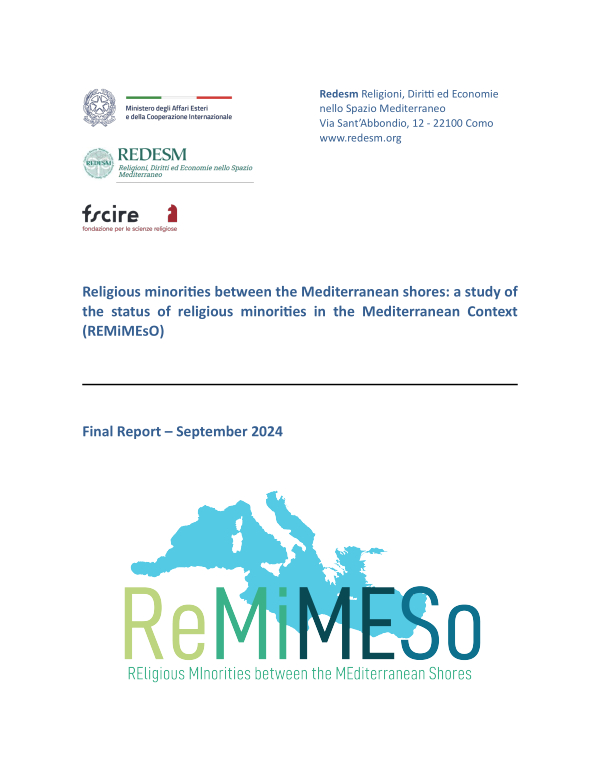
Religious minorities between the Mediterranean shores: a study of the status of religious minorities in the Mediterranean context (REMiMEsO) – Final Report
- Alessandro Ferrari
The REMiMESo project, led by Ilaria Valenzi and supported by the Italian Ministry of Foreign Affairs, explores the situation of religious minorities in five Mediterranean countries: Israel, Morocco...
publication
Religious Freedom in Italy. An Impossible Paradigm
- Alessandro Ferrari
Italy, seat of the Pope and Vatican City, has a long and difficult relationship with religious freedom. Often identified as a quintessentially Catholic nation, Italy owes its unification to a polit...