
Religious Freedom in Italy. An Unfinished Path (1848-2024)
Published under the original title La libertà religiosa in Italia. Un percorso incompiuto (1848-2024), this synthesis by Alessandro Ferrari, professor of ecclesiastical law and comparative religious law at the University of Insubria and director of the REDESM (Research Centre “Religions, Rights and Economies in the Mediterranean Space”), appeared in February 2025 with Carocci in the Studi Superiori series. It is a substantially reworked new edition, thirteen years after the first.
Relations between public authorities and religions, and the right to religious freedom in particular, have played a central role in Italian history; four articles of the Italian Constitution are devoted to it, a rare case in contemporary constitutionalism. Ferrari traces this path from 1848 (Albertine Statute) to 2024, reading it as an unfinished journey that is regularly reopened by the emergence of new religious minorities, today prominently including Muslim communities.
The book offers a framework for understanding how the Italian legal order constructs its neutrality while accommodating, not without tensions, a religious pluralism that goes well beyond the old State/Catholic Church binomial. The legal status of Islam in Italy, in the absence of an intesa negotiated with the State, emerges as one of the sharpest revelators of this unfinished path.
This new Italian edition complements the account proposed in English by the same author in Religious Freedom in Italy. An Impossible Paradigm (De Gruyter, 2024).
Publié sous le titre original La libertà religiosa in Italia. Un percorso incompiuto (1848-2024), ce manuel de synthèse d’Alessandro Ferrari, professeur de droit ecclésiastique et de droit comparé des religions à l’Université de l’Insubrie et directeur du REDESM (Centre de recherche « Religions, droits et économies dans l’espace méditerranéen »), paraît en février 2025 chez Carocci dans la collection Studi Superiori. Il s’agit d’une nouvelle édition, largement refondue, treize ans après la première.
Les rapports entre pouvoirs publics et religions, et en particulier le droit à la liberté religieuse, ont joué un rôle central dans l’histoire de l’Italie ; la Constitution italienne y consacre quatre articles, ce qui reste un cas rare dans le constitutionnalisme contemporain. Ferrari retrace ce parcours de 1848 (Statut albertin) à 2024, en le lisant comme un cheminement inachevé, régulièrement rouvert par l’irruption de nouvelles minorités religieuses, dont, aujourd’hui, les communautés musulmanes.
L’ouvrage propose un cadre pour comprendre la manière dont l’ordre juridique italien construit sa neutralité tout en accueillant, non sans tensions, un pluralisme religieux qui déborde le vieux binôme État-Église catholique. La question du statut juridique de l’islam en Italie, en l’absence d’intesa négociée avec l’État, y apparaît comme l’un des révélateurs les plus vifs de ce parcours inachevé.
Cette nouvelle édition italienne complète la lecture proposée en anglais par le même auteur dans Religious Freedom in Italy. An Impossible Paradigm (De Gruyter, 2024).
يظهر هذا الكتابُ التحليليّ لـأليساندرو فرّاري، أستاذ القانون الكنسيّ والقانون المقارن للأديان في جامعة إنسوبريا، ومدير مركز REDESM لدراسة «الأديان والحقوق والاقتصادات في الفضاء المتوسّطي»، بعنوانه الأصلي:
La libertà religiosa in Italia. Un percorso incompiuto (1848-2024)
أي «الحرية الدينية في إيطاليا: مسارٌ غير مكتمل (1848-2024)». صدر في فبراير/شباط 2025 عن منشورات كاروتشي ضمن سلسلة Studi Superiori، وهو طبعة جديدة موسّعة بعد ثلاثة عشر عامًا من الطبعة الأولى.
احتلّت العلاقات بين السلطات العامة والأديان، ولا سيّما الحقّ في الحرية الدينية، مكانةً مركزيةً في تاريخ إيطاليا الحديث؛ وقد خصّها الدستور الإيطاليّ بأربعِ موادَّ صريحة، وهو أمرٌ نادر في الدساتير المعاصرة. يتتبّع فرّاري هذا المسار من عام 1848 (النظام الأساسي الألبرتيّ) إلى عام 2024، ويقرأه بوصفه رحلةً لم تكتمل بعد، تنفتح باستمرارٍ على تحدّياتٍ جديدة تفرضها الأقليات الدينية الوافدة، ومنها اليوم الجاليات المسلمة.
يقدّم الكتاب إطارًا لفهم الطريقة التي يُصوغ بها النظامُ القانونيّ الإيطاليّ حياده، وهو يستقبل، وسط توتّراتٍ لا تخفى، تعدّديةً دينيةً باتت تتجاوز الثنائيّة القديمة «الدولة/الكنيسة الكاثوليكية». وتظهر مسألة الوضع القانوني للإسلام في إيطاليا، في غياب اتفاقيةٍ (intesa) مع الدولة، بوصفها من أوضح مؤشّرات عدم اكتمال هذا المسار.
وتُكمّل هذه الطبعة الإيطالية القراءةَ الإنجليزية التي قدّمها المؤلّف نفسه في كتاب Religious Freedom in Italy. An Impossible Paradigm (دار دي غرويتر، 2024).
By the same author on Pluriel
 “The Right to Religious Freedom: A ‘Special’ Right?”, Revue du droit des religions No. 22
Alessandro Ferrari Issue 22 of the Revue du droit des religions, published by Presses universitaires de Strasbourg, comes out on 19 November 2026. Its thematic section,…
 Religious minorities between the Mediterranean shores: a study of the status of religious minorities in the Mediterranean context (REMiMEsO) – Final Report
Alessandro Ferrari The REMiMESo project, led by Ilaria Valenzi and supported by the Italian Ministry of Foreign Affairs, explores the situation of religious minorities in five…
 Religious Freedom in Italy. An Impossible Paradigm
Alessandro Ferrari Italy, seat of the Pope and Vatican City, has a long and difficult relationship with religious freedom. Often identified as a quintessentially Catholic nation,…
 Contemporary Issues in Islamic Law, Economics and Finance
Alessandro Ferrari · Flavia Cortelezzi This book explores how Islam can impact the structures and performance of firms, financial institutions and capital markets across a range of countries and…
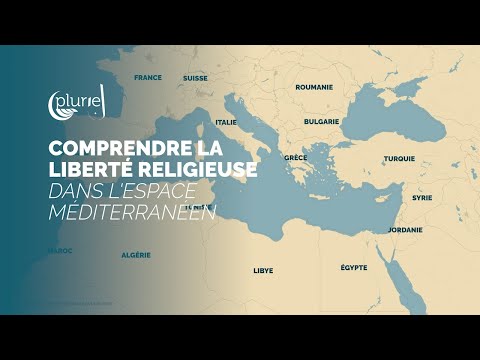 Understanding freedom of religion around the Mediterranean
Alessandro Ferrari · Amin Elias How to manage religious plurality? Three researchers from our network look back at the history of the northern, eastern and southern shores of the…
 The Question of Otherness in Classical Islam | Respondents
Michaela Quast-Neulinger · Tobias Specker · Alessandro Ferrari Following the lecture: "The question of Otherness in Classical Islam" given by Raja SAKRANI, three members of the scientific committee of the PLURIEL network…
Related resources: « Freedom of Religion »
 “Inclusive Citizenship, the Right to a Place of Worship and Everyday Peace”, by Antonio Angelucci
Antonio Angelucci In an article published in the Italian journal Coscienza e Libertà (no. 69, 2025), Antonio Angelucci, associate professor of law and religion at the…
 Freedom of conscience, a contested yet resilient right
Dominique Avon Rome. In a conference given on November 28, 2024, at the Pontifical Institute for Arabic and Islamic Studies, Professor Dominique Avon from the École…
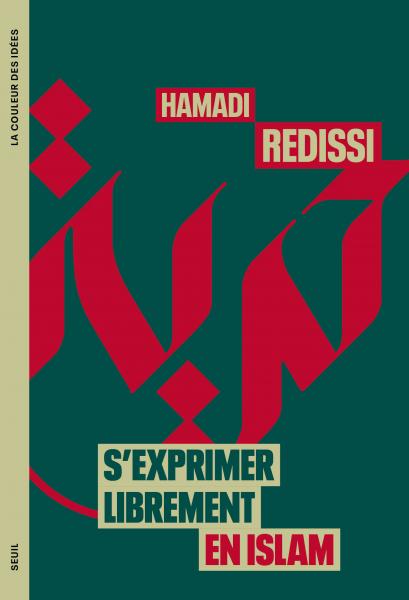 Speaking freely in Islam
Hamadi Redissi What is the Islamic doctrine of blasphemy, insult to God, religion and the Prophet? What about the prohibition of figurative representation of Muhammad? Can…
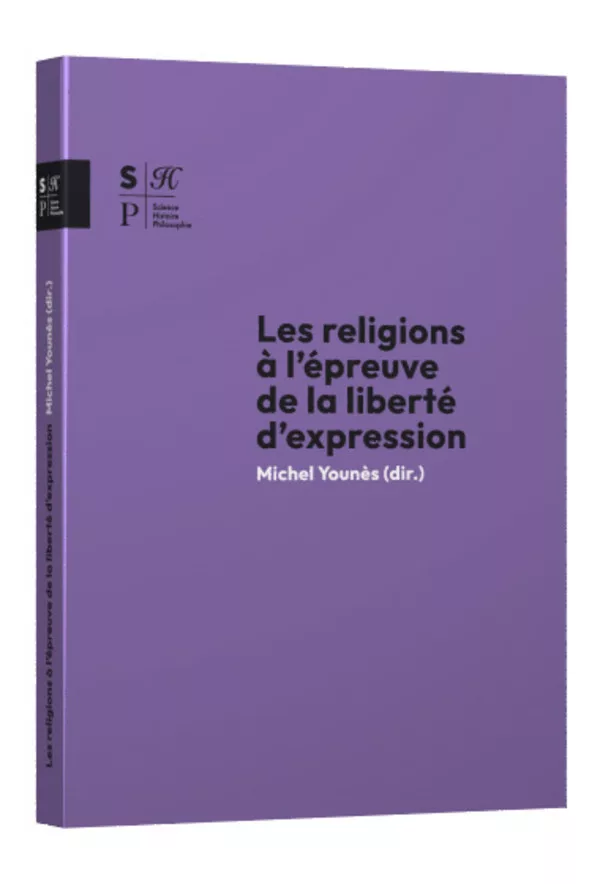 Religions put to the test by freedom of expression
Michel Younès · Mohamed-Ali Mostfa · Malek Chaïeb “In the republican context, freedom of expression involves all the players in society and mobilises a wide range of intellectual resources. What then are…
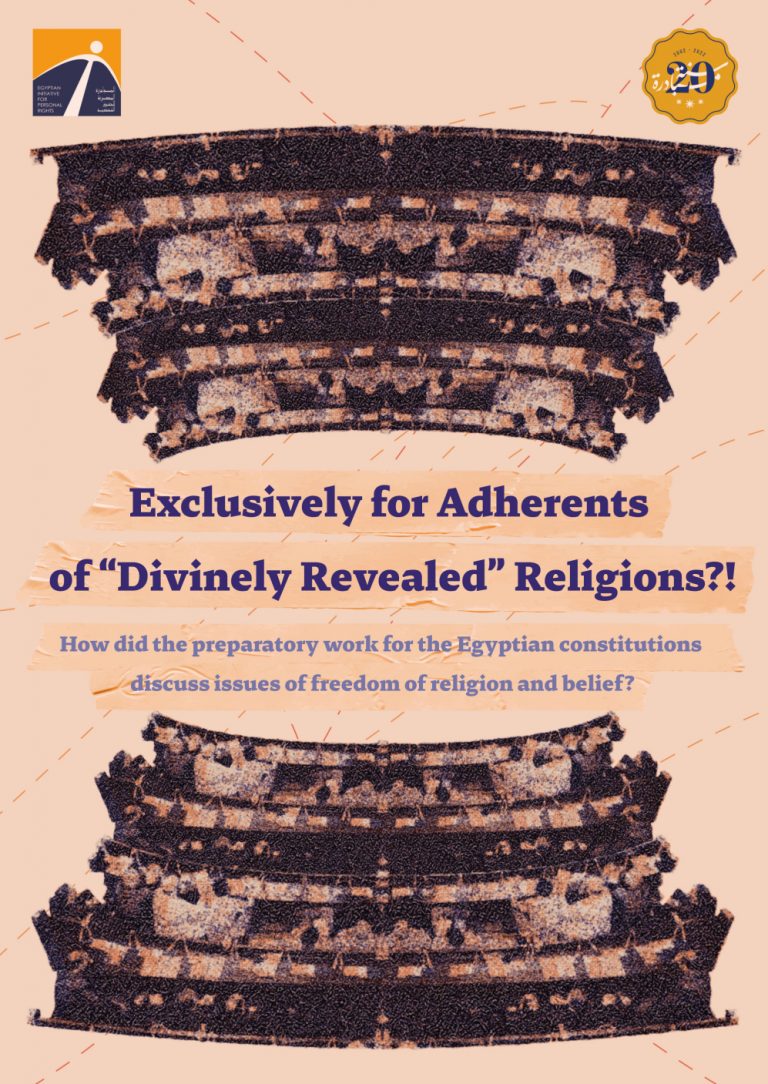 Exclusively for Adherents of ‘Divinely Revealed’ Religions?
Mohamed Gamal Ali How did the preparatory work for the Egyptian constitutions discuss issues of freedom of religion and belief? « The term “divinely revealed religions” is…
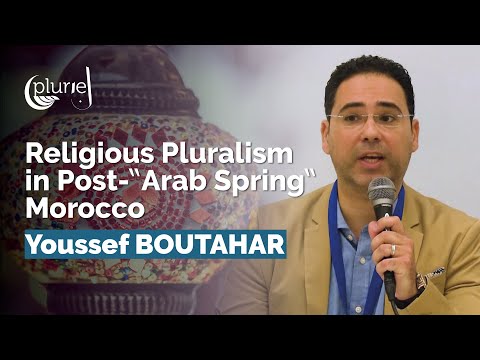 Religious Pluralism in Post-“Arab Spring” Morocco
Youssef Boutahar Title of the lecture : "Re-problematizing the Religious Majority-Minority Dialectics in Post-Arab Spring Morocco: Between Subalternity and Digital Disobedience" Given the debate currently prevailing…