

French

“War and peace”, by Adrien Candiard
On Wednesday 20 May 2026, the Dominican Institute for Oriental Studies (IDEO) hosted in Cairo a lecture by Brother Adrien Candiard, Dominican and Islamologist, on the theme “War and peace”. Faced with the situation opened by the wars in Gaza and Iran, he refuses from the outset the two symmetrical clichés: the assimilation of Islam to jihad, and the apologetic invocation of salām, that “peace falling from heaven” which in reality coexists with the binary logic of dār al-islām and dār al-ḥarb, where peace presupposes the prior surrender of adversaries.
To these dead ends Adrien Candiard opposes a third way, that of ṣulḥ: peace as laborious reconciliation, negotiation and compromise. The demonstration draws on two classical jurists hardly suspect of complacency. The Ḥanafī al-Sarakhsī (11th century), in his Sharḥ al-Siyar al-Kabīr, develops a genuine international law that protects non-combatants and makes peace by treaty the preferable option, in the name of maṣlaḥa, well-understood interest. The Ḥanbalī Ibn Qayyim al-Jawziyya (14th century), a disciple of Ibn Taymiyya often held to be the most intransigent, also admits, commenting on the truce of Ḥudaybiyya, that a peace concluded on unfavourable terms may be legitimate when the interest of the community requires it.
The central lesson is political: to draw peace out of mysticism and place it back within the order of calculation and the balance of forces. “One does not negotiate with prophetic visions or eschatological dreams,” insists Adrien Candiard, who warns against the return, in the three monotheisms, of apocalyptic discourses that make peace impossible by promising it absolute. He recalls that Yasser Arafat had invoked the truce of Ḥudaybiyya at the time of the Oslo Accords to justify his approach: thirty years on, that humble realism appears more serious than the escalations that saturate the region.
The lecture is moderated by Anne-Bénédicte Hoffner, former editor-in-chief of La Croix and board member of the Friends of IDEO. Holding a doctorate in Islamic studies with a thesis on the notion of truth in Ibn Taymiyya, Adrien Candiard lives at the Notre-Dame-du-Rosaire convent in Cairo. He is notably the author of Comprendre l’islam. Ou plutôt : pourquoi on n’y comprend rien (Flammarion, 2016).
Le mercredi 20 mai 2026, l’Institut dominicain d’études orientales (IDEO) a accueilli au Caire une conférence du frère Adrien Candiard, dominicain et islamologue, sur le thème « Guerre et paix ». Face à la conjoncture ouverte par les guerres à Gaza et en Iran, il refuse d’emblée les deux clichés symétriques que sont l’assimilation de l’islam au djihad et l’invocation apologétique du salâm, cette « paix qui tombe du ciel » qui cohabite en réalité avec la logique binaire du dâr al-islâm et du dâr al-harb, où la paix suppose la capitulation préalable des adversaires.
À ces impasses, Adrien Candiard oppose une troisième voie, celle du solh : la paix comme réconciliation laborieuse, négociation, compromis. La démonstration s’appuie sur deux juristes classiques peu suspects de complaisance. Le hanafite Sarakhsî (XIe siècle), dans son Sharh al-Siyar al-Kabîr, élabore un véritable droit international qui protège les non-combattants et fait de la paix par traité l’option préférable, au nom de la maslaha, l’intérêt bien compris. Le hanbalite Ibn Qayyim al-Jawziyya (XIVe siècle), disciple d’Ibn Taymiyya et souvent tenu pour le plus intransigeant, admet lui aussi, en commentant la trêve de Hudaybiyya, qu’une paix conclue à des conditions défavorables puisse être légitime quand l’intérêt de la communauté l’exige.
La leçon centrale est politique : sortir la paix de la mystique pour la replacer dans l’ordre du calcul et des rapports de force. « On ne négocie pas avec des visions prophétiques ni des rêves eschatologiques », insiste Adrien Candiard, qui met en garde contre le retour, dans les trois monothéismes, de discours apocalyptiques qui rendent la paix impossible à force de la promettre absolue. Il rappelle que Yasser Arafat avait invoqué à Johannesburg, lors des accords d’Oslo, la trêve de Hudaybiyya pour justifier sa démarche : trente ans plus tard, ce réalisme humble apparaît plus sérieux que les surenchères qui saturent la région.
La conférence est modérée par Anne-Bénédicte Hoffner, ancienne rédactrice en chef de La Croix et administratrice des Amis de l’IDEO. Docteur en islamologie avec une thèse sur la notion de vérité chez Ibn Taymiyya, Adrien Candiard vit au couvent Notre-Dame-du-Rosaire au Caire. Il est notamment l’auteur de Comprendre l’islam. Ou plutôt : pourquoi on n’y comprend rien (Flammarion, 2016).
في الأربعاء 20 أيار/مايو 2026 استضاف المعهد الدومنيكي للدراسات الشرقية (IDEO) في القاهرة محاضرةً للأخ أدريان كانديار، الراهب الدومنيكي والمختصّ في الدراسات الإسلامية، حول موضوع «الحرب والسلام». وفي مواجهة الوضع الذي فتحته الحربان في غزّة وإيران، يرفض منذ البداية المقولتين المتناظرتين: اختزال الإسلام في الجهاد، والاستدعاء الاعتذاري لـ«السلام» بوصفه «سلامًا ينزل من السماء»، وهو في الواقع يتعايش مع المنطق الثنائي لـ«دار الإسلام» و«دار الحرب»، حيث يفترض السلامُ استسلام الخصوم مسبقًا.
وفي مقابل هذه المآزق يطرح أدريان كانديار طريقًا ثالثًا هو «الصُّلح»: السلام بوصفه مصالحةً شاقّة وتفاوضًا وتسويةً. ويستند في برهانه إلى فقيهين كلاسيكيين لا يُتّهمان بالتساهل. فالحنفي السرخسي (القرن الحادي عشر)، في «شرح السِّيَر الكبير»، يضع قانونًا دوليًا حقيقيًا يحمي غير المقاتلين ويجعل السلام بالمعاهدة الخيارَ المفضّل باسم «المصلحة». والحنبلي ابن قيّم الجوزية (القرن الرابع عشر)، تلميذ ابن تيمية الذي كثيرًا ما يُعدّ الأكثر تشدّدًا، يُقرّ هو أيضًا، في تعليقه على صلح الحديبية، بأنّ سلامًا يُعقد بشروطٍ غير مؤاتية قد يكون مشروعًا حين تقتضيه مصلحة الجماعة.
والدرس المركزي سياسي: إخراج السلام من التصوّف وإعادته إلى نظام الحساب وموازين القوى. يقول أدريان كانديار مؤكّدًا: «لا يُتفاوَض مع رؤًى نبوية أو أحلامٍ أخروية»، محذّرًا من عودة الخطابات الرؤيوية (الأبوكاليبسية) في الديانات التوحيدية الثلاث، وهي خطاباتٌ تجعل السلام مستحيلًا بإفراطها في الوعد به مطلقًا. ويذكّر بأنّ ياسر عرفات استحضر صلح الحديبية زمن اتفاقات أوسلو لتبرير مسعاه: وبعد ثلاثين عامًا يبدو هذا الواقعيّة المتواضعة أكثر جدّيةً من المزايدات التي تُثقل المنطقة.
وأدارت المحاضرة آن بينيديكت هوفنر، رئيسة التحرير السابقة لصحيفة «لاكروا» وعضو مجلس إدارة «أصدقاء IDEO». وأدريان كانديار حاصلٌ على دكتوراه في الدراسات الإسلامية بأطروحةٍ عن مفهوم الحقيقة عند ابن تيمية، ويقيم في دير سيّدة الوردية بالقاهرة. ومن أبرز مؤلّفاته «أن نفهم الإسلام، أو بالأحرى: لماذا لا نفهم منه شيئًا» (فلاماريون، 2016).


Resources of this researcher
Resources related to Violence and religion
publication
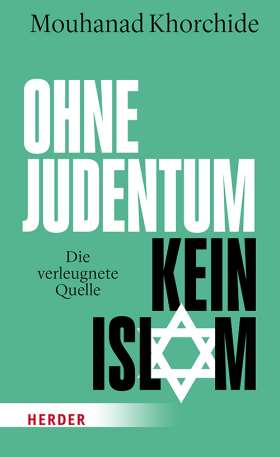
Without Judaism, No Islam. The Denied Source
- Mouhanad Khorchide
Published under the original title Ohne Judentum kein Islam. Die verleugnete Quelle, with the subtitle Die Wurzeln des muslimischen Antisemitismus. Eine aktuelle Analyse (“The Roots of Muslim...
videos
“War and peace”, by Adrien Candiard
On Wednesday 20 May 2026, the Dominican Institute for Oriental Studies (IDEO) hosted in Cairo a lecture by Brother Adrien Candiard, Dominican and Islamologist, on the theme "War and peace". Faced w...
videos
Interreligious Dialogue and Ethnic Nationalisms in the Balkans
At the invitation of PISAI (Pontifical Institute for Arabic and Islamic Studies, Rome) and Georgetown University, Ahmet Alibašić, professor of Islamic civilization at the Faculty of Islamic Studies...
article
The grammar of sacred violence: A critical discourse analysis of radical Islamist writings
- Mohamed-Ali Mostfa
This article offers a discursive analysis of two contemporary Islamist texts that present violence not as a deviation from religious normativity, but as its necessary, even redemptive expression. I...
publication
Islam and Muslims. Doctrines, Schools of Thought, and Current Trends
- Michel Younès
Publication date: April 16, 2026. Islam, as a historical, religious, and civilizational reality, is difficult to define. It can be perceived as a form of political governance, an expression of fait...

videos
The Carnival of the Malês: signs of an ethics of Muslim resistance
Paper presented at the fifth international congress of the University Platform for Research on Islam (Pluriel), held in Cordoba from 10 to 14 February 2026 on the theme "Ethics and Aesthetics in Is...
publication
A Theology of Violence: An Analysis of Selected Surahs from the Qur’an
- Hamideh Mohagheghi
Published as Theologie der Gewalt. Eine Analyse ausgewählter Suren aus dem Koran (Münster: Waxmann, 2026), this book by Hamideh Mohagheghi is the published version of her doctoral thesis (defended ...
publication
God Is with Us: How Islam and Judaism Justify Violence
- Haoues Seniguer
Long before October 7, 2023—and even more so since—certain politicized strands of Judaism and Islam have been creating conditions that legitimize, escalate, and sacralize violence in God’s na...