
« Commentaire théologique de la déclaration Nostra aetate », par Roman A. Siebenrock
Dans le Herders Theologischer Kommentar zum Zweiten Vatikanischen Konzil, commentaire de référence du concile Vatican II dirigé par Peter Hünermann et Bernd Jochen Hilberath, Roman A. Siebenrock signe le commentaire théologique intégral de la déclaration Nostra aetate sur les relations de l’Église avec les religions non chrétiennes. Étendu sur une centaine de pages (p. 591-693 du tome 3), ce commentaire fait autorité dans l’espace germanophone.
Siebenrock y retrace la genèse mouvementée du texte, d’un projet initial limité aux rapports avec le judaïsme jusqu’à son élargissement à l’islam et aux autres traditions religieuses, puis en propose une lecture théologique paragraphe par paragraphe. Il éclaire en particulier l’article 3, consacré aux musulmans, et la reconnaissance conciliaire selon laquelle l’Église « regarde aussi avec estime les musulmans, qui adorent le Dieu unique ». Le commentaire s’achève sur une appréciation théologique et pastorale de la portée durable de la déclaration pour le dialogue interreligieux.
Cette contribution constitue l’un des travaux majeurs de Roman A. Siebenrock et une ressource de premier plan pour l’étude du fondement magistériel du dialogue islamo-chrétien.
Référence : Roman A. Siebenrock, « Theologischer Kommentar zur Erklärung Nostra aetate », dans P. Hünermann et B. J. Hilberath (dir.), Herders Theologischer Kommentar zum Zweiten Vatikanischen Konzil, t. 3, Herder, Fribourg-en-Brisgau, 2005, p. 591-693.
In the Herders Theologischer Kommentar zum Zweiten Vatikanischen Konzil, the reference commentary on the Second Vatican Council edited by Peter Hünermann and Bernd Jochen Hilberath, Roman A. Siebenrock provides the full theological commentary on the declaration Nostra aetate on the Church’s relations with non-Christian religions. Running to about a hundred pages (pp. 591-693 of volume 3), it is an authoritative reference in the German-speaking world.
Siebenrock retraces the text’s turbulent genesis, from an initial project confined to relations with Judaism to its widening to Islam and the other religious traditions, and then offers a paragraph-by-paragraph theological reading. He sheds particular light on article 3, devoted to Muslims, and on the Council’s acknowledgement that the Church « also regards with esteem the Muslims, who adore the one God ». The commentary closes with a theological and pastoral assessment of the declaration’s lasting significance for interreligious dialogue.
This contribution is one of Roman A. Siebenrock’s major works and a leading resource for studying the magisterial foundation of Muslim-Christian dialogue.
Reference: Roman A. Siebenrock, « Theologischer Kommentar zur Erklärung Nostra aetate« , in P. Hünermann and B. J. Hilberath (eds.), Herders Theologischer Kommentar zum Zweiten Vatikanischen Konzil, vol. 3, Herder, Freiburg im Breisgau, 2005, pp. 591-693.
في الشرحِ المرجعيِّ لمجمعِ الفاتيكانِ الثاني، Herders Theologischer Kommentar zum Zweiten Vatikanischen Konzil، الذي أشرفَ عليه بيتر هونرمان وبرند يوخن هيلبيرات، يضعُ رومان أ. سيبنروك الشرحَ اللاهوتيَّ الكاملَ لإعلانِ «في عصرنا» (Nostra aetate) في شأنِ علاقاتِ الكنيسةِ بالأديانِ غيرِ المسيحيّة. ويمتدُّ هذا الشرحُ على نحوِ مئةِ صفحة (ص 591-693 من المجلَّدِ الثالث)، وهو مرجعٌ ذو حجّيّةٍ في الفضاءِ الناطقِ بالألمانيّة.
يتتبّعُ سيبنروك النشأةَ المتعثّرةَ للنصّ، من مشروعٍ أوّليٍّ اقتصرَ على العلاقةِ باليهوديّةِ إلى توسّعِه ليشملَ الإسلامَ وسائرَ التقاليدِ الدينيّة، ثمّ يقدّمُ قراءةً لاهوتيّةً فقرةً فقرة. ويُسلّطُ الضوءَ خاصّةً على الفقرةِ الثالثةِ المخصَّصةِ للمسلمين، وعلى إقرارِ المجمعِ بأنّ الكنيسةَ «تنظرُ أيضاً بتقديرٍ إلى المسلمين الذين يعبدون الإلهَ الواحد». ويُختَمُ الشرحُ بتقييمٍ لاهوتيٍّ ورعائيٍّ لأثرِ الإعلانِ الدائمِ في الحوارِ بين الأديان.
تُشكّلُ هذه المساهمةُ واحداً من أبرزِ أعمالِ رومان أ. سيبنروك، ومورداً رئيساً لدراسةِ الأساسِ التعليميِّ الرسميِّ للحوارِ الإسلاميِّ-المسيحيّ.
Roman A. Siebenrock, „Theologischer Kommentar zur Erklärung Nostra aetate« , in: P. Hünermann & B. J. Hilberath (Hg.), Herders Theologischer Kommentar zum Zweiten Vatikanischen Konzil, Bd. 3, Herder, Freiburg i. Br., 2005, S. 591-693.
Du même auteur sur Pluriel
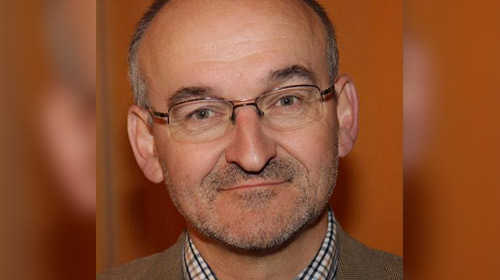 « Le grain de sénevé continue de croître : 60 ans de Nostra aetate », par Roman A. Siebenrock
Roman Siebenrock À l'occasion du soixantième anniversaire de la déclaration conciliaire Nostra aetate (28 octobre 1965), Roman A. Siebenrock, professeur émérite de théologie dogmatique à l'université…
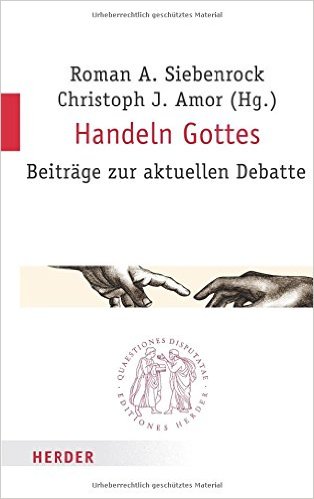 L’agir divin : contributions au débat actuel
Roman Siebenrock Résumé de l’éditeur Dans notre discours sur l’action de Dieu, nous touchons à la catégorie centrale du discours de Dieu chrétien. Le Dieu vivant…
Ressources liées à « Théologie des religions »
 Le Coran musulman incréé et le Logos chrétien éternellement engendré
Jaume Flaquer Résumé Publié sous le titre original « El Corán musulmán increado y el Logos cristiano eternamente engendrado » dans le monographique Logos, Agape, Sarx.…
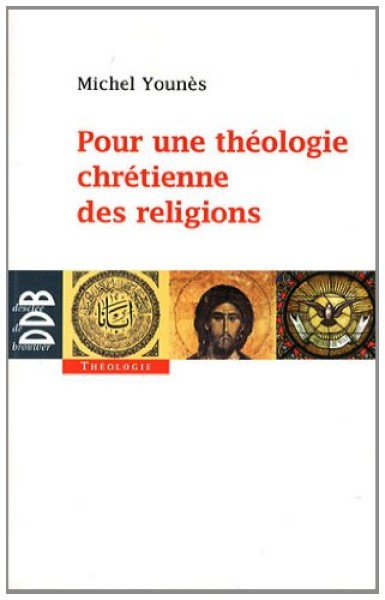 Pour une théologie chrétienne des religions
Michel Younès Face à la diversité religieuse contemporaine, comment la théologie chrétienne peut-elle penser la place des autres religions dans le dessein de Dieu ? Michel…
 La théologie comparative, vecteur d’une nouvelle approche de la diversité religieuse ?
Michel Younès Paru dans le dossier « Islam et dialogue interreligieux » de la revue Laval théologique et philosophique (vol. 82, n° 1, 2026, p. 7-25),…
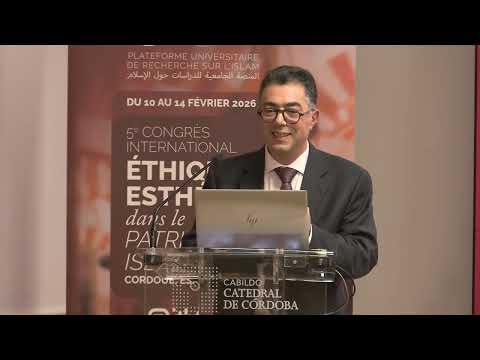 Discours d’ouverture du congrès à Cordoue
Michel Younès Le mardi 10 février 2026 à Cordoue, Michel Younès, coordinateur général de Pluriel et doyen de la Faculté de théologie de l'Université catholique de…
 L’altérité et l’ambiguïté : le regard de l’autre à l’ère de la religion globalisée et de l’exclusivisme croissant
Dirk Ansorge Dans cet article paru en 2026 dans la revue Archivo Teológico Granadino (n° 89, p. 37-65) sous le titre original espagnol La alteridad y…
 Ouvrir l’espace : l’universalisme comme tâche prophétique dans la responsabilité interreligieuse
Michaela Quast-Neulinger Dans cet article paru dans CIBEDO-Beiträge zum Gespräch zwischen Christen und Muslimen 1/2026 (p. 2-8), Michaela Quast-Neulinger, professeure de théologie fondamentale à l’Université d’Innsbruck…