
University platform for research on Islam
Initiated by
the Federation
of European
Catholic
Universities
Supported by
the International
Federation
of Catholic
Universities
Hosted by

Publisher : Kohlhammer - Innsbruck

German


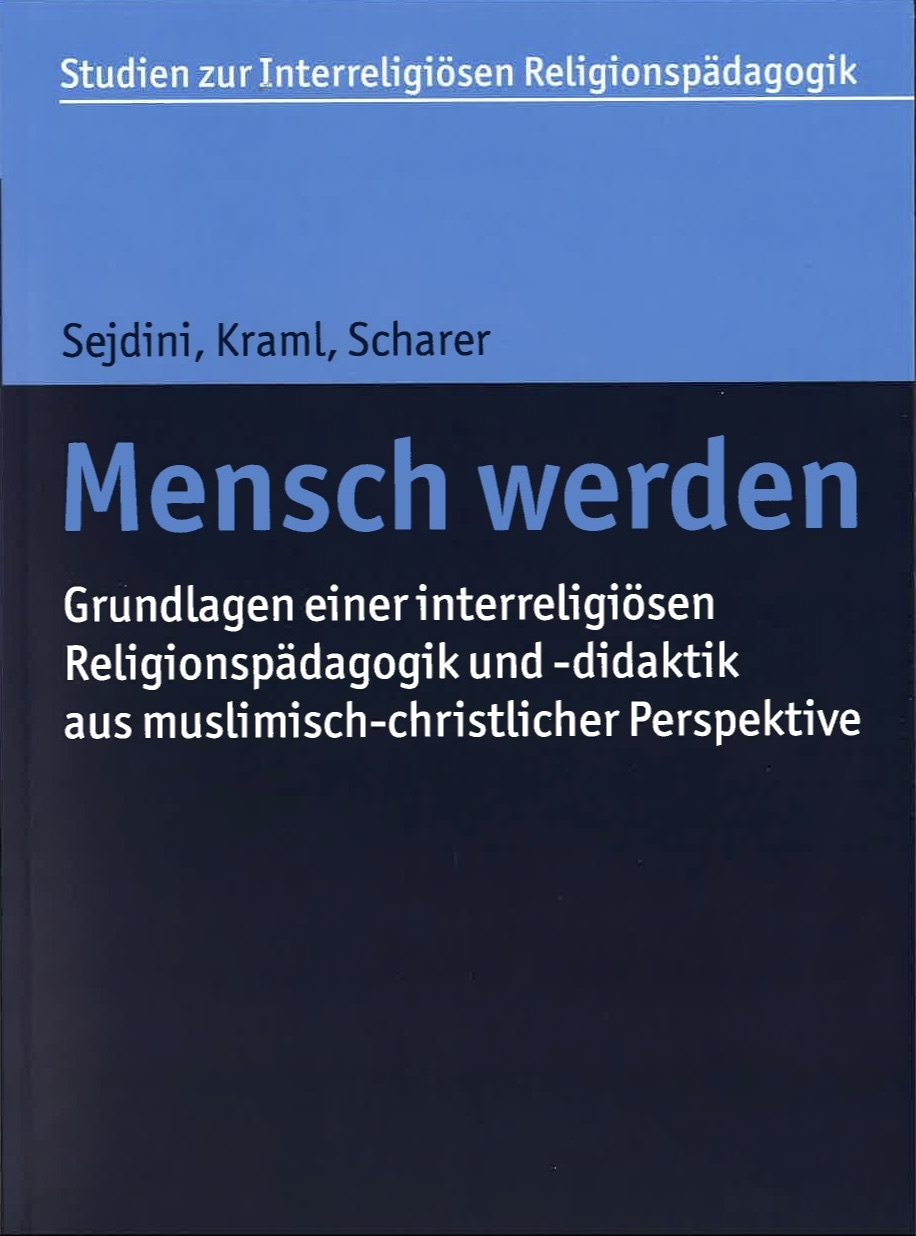
Becoming human. Foundations of interreligious religious education and didactics from a Muslim-Christian perspective
Original title : “Mensch werden. Grundlagen einer interreligiösen Religionspädagogik und didaktik au muslimisch-christlicher Perspektive”
Authentic interreligious cooperation in research and teaching begins with intra- and interreligious processes of self-assurance. Accordingly, the basic volume of the series “Studien zur Interreligiösen Religionspädagogik” (Studies in Interreligious Religious Education) is based on numerous conversations between the authors, from which the anthropological starting point emerged, which is expanded by a theological perspective on the processes of religious education and didactics of religion. The principles developed represent approaches and attitudes that support competent planning, leading and evaluating educational processes in plural and heterogeneous fields.
Titre original : “Mensch werden. Grundlagen einer interreligiösen Religionspädagogik und didaktik au muslimisch-christlicher Perspektive”
Une coopération interreligieuse authentique dans la recherche et l’enseignement commence par des processus de prise de conscience de soi intra- et interreligieux. En conséquence, le volume de base de la série “Études sur la pédagogie religieuse interreligieuse” se base sur de nombreux entretiens des auteurs, desquels est né le point de départ anthropologique, élargi par une mise en perspective théologique des processus de pédagogie religieuse et de didactique de la religion. Les bases élaborées représentent des approches et des attitudes qui soutiennent la planification, la direction et l’évaluation compétentes des processus de formation dans des champs pluriels et hétérogènes.


 publisher's website
Resources of this researcher
Resources related to Muslim-Christian Dialogue

article
Leo XIV’s encyclical Magnifica Humanitas and the Pluriel working group on AI-assisted interreligious dialogue
- Wael Saleh
Text by Wael Saleh, researcher at the Université du Québec à Montréal (UQAM) and member of the Pluriel coordination committee. The simultaneous appearance of Leo XIV's encyclical Magnifica Human...
videos
From Lavigerie to PISAI: The Institutional History of the Missionaries of Africa’s Engagement with Islam
Delivered on 21 May 2026 at the Pontifical Institute for Arabic and Islamic Studies (PISAI) in Rome, this lecture opens the series of conferences marking the institute's centenary (1926-2026). Fr. ...
videos
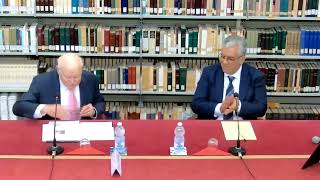
Interreligious Dialogue and Ethnic Nationalisms in the Balkans
At the invitation of PISAI (Pontifical Institute for Arabic and Islamic Studies, Rome) and Georgetown University, Ahmet Alibašić, professor of Islamic civilization at the Faculty of Islamic Studies...
publication
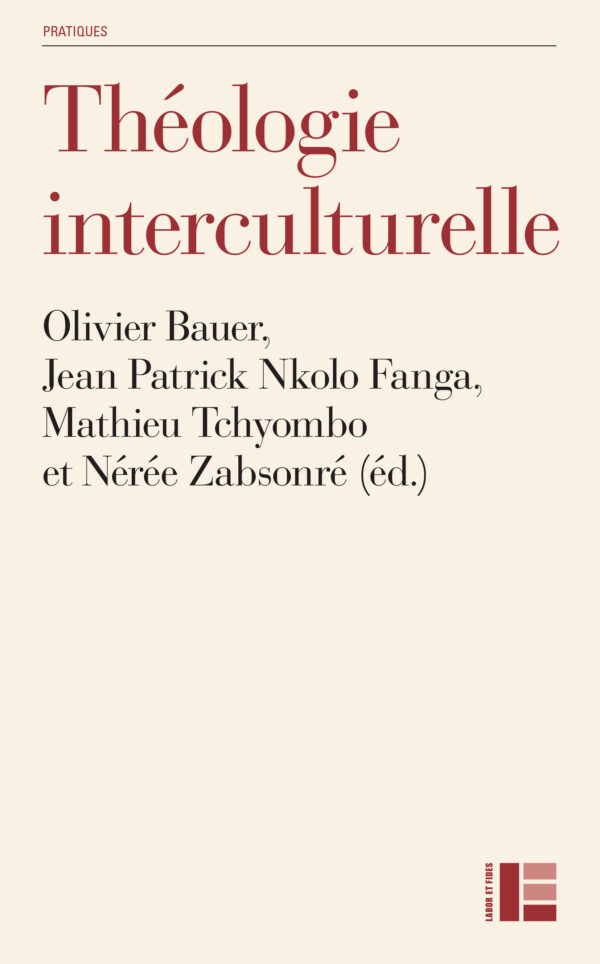
Intercultural Theology
- Jean Patrick Nkolo Fanga
Because every theology is culturally situated, Christian theology is inevitably multicultural. Yet one step remains to be taken: to become intercultural. Crossing languages, contexts, origins, ages...
publication
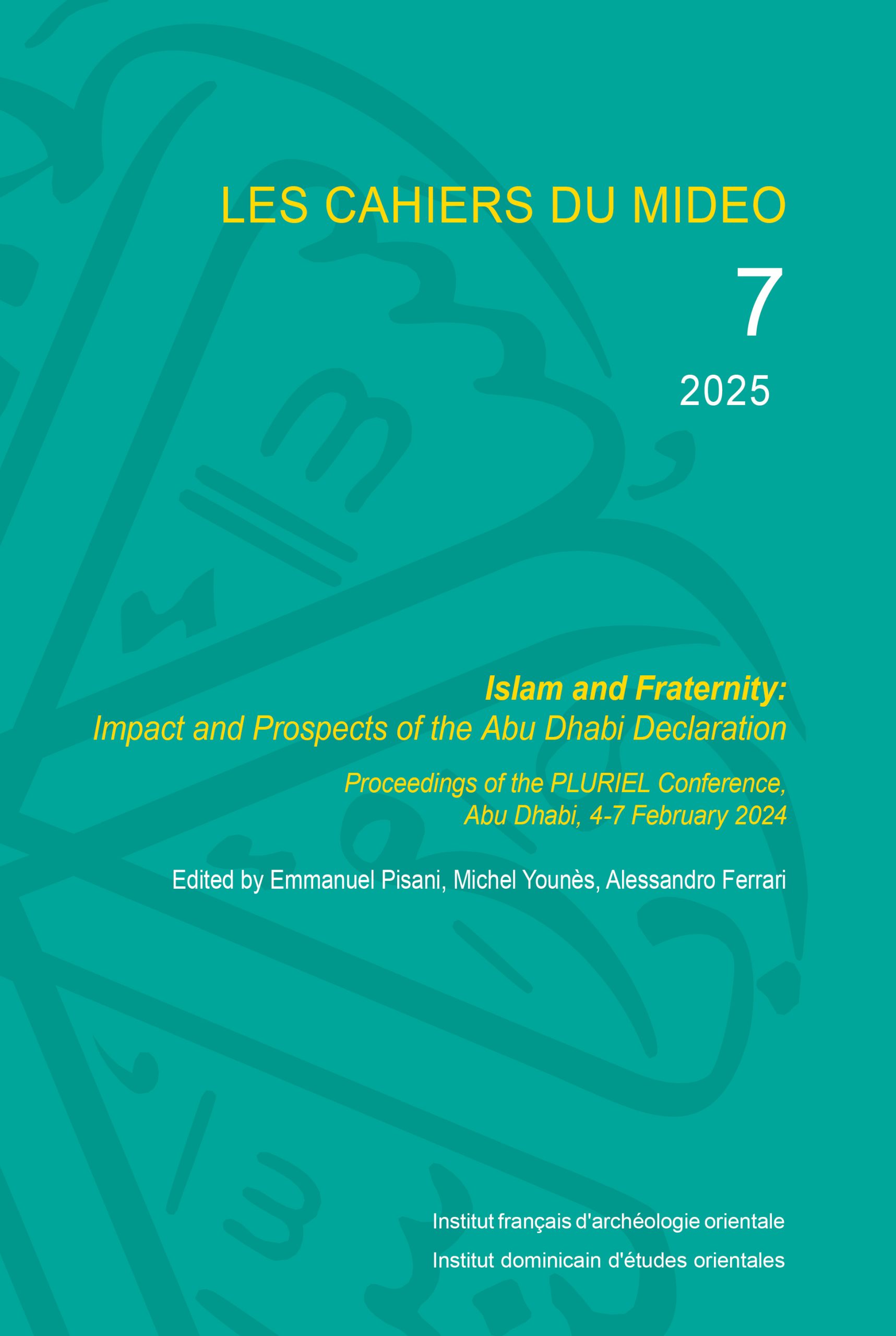
Islam and Fraternity: Impact and Prospects of the Abu Dhabi Declaration
The volume dedicated to the conference “Islam and Fraternity”, held in Abu Dhabi from February 4 to 7, 2024, under the auspices of the PLURIEL network, in partnership with Trends, a research center...
publication
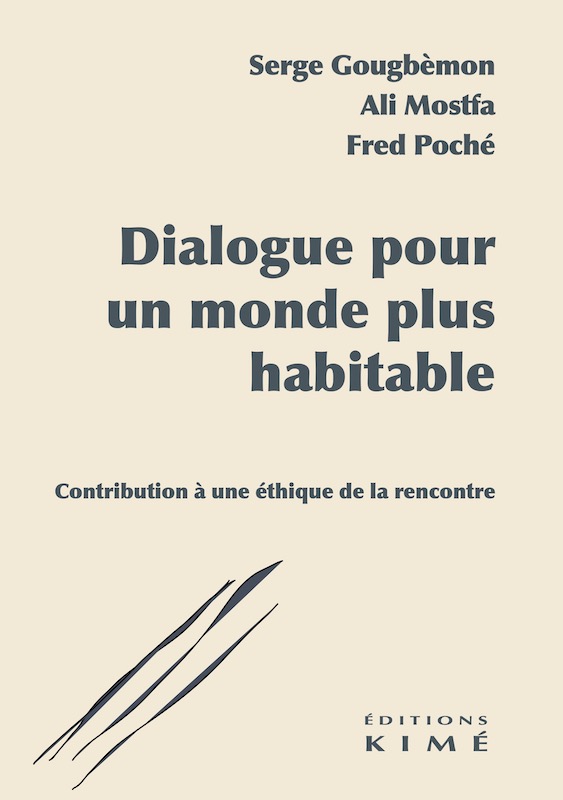
Dialogue for a More Livable World: Toward an Ethics of Encounter
- Mohamed-Ali Mostfa
How can we live in a climate of mistrust, trapped in identity-based withdrawal, and paralyzed by an uncertain future? On what basis can we open new paths to ease suffering—perhaps even reenchant ou...

videos
Freedom of conscience, a contested yet resilient right
- Dominique Avon
Rome. In a conference given on November 28, 2024, at the Pontifical Institute for Arabic and Islamic Studies, Professor Dominique Avon from the École Pratique des Hautes Études in Paris traced the ...
publication
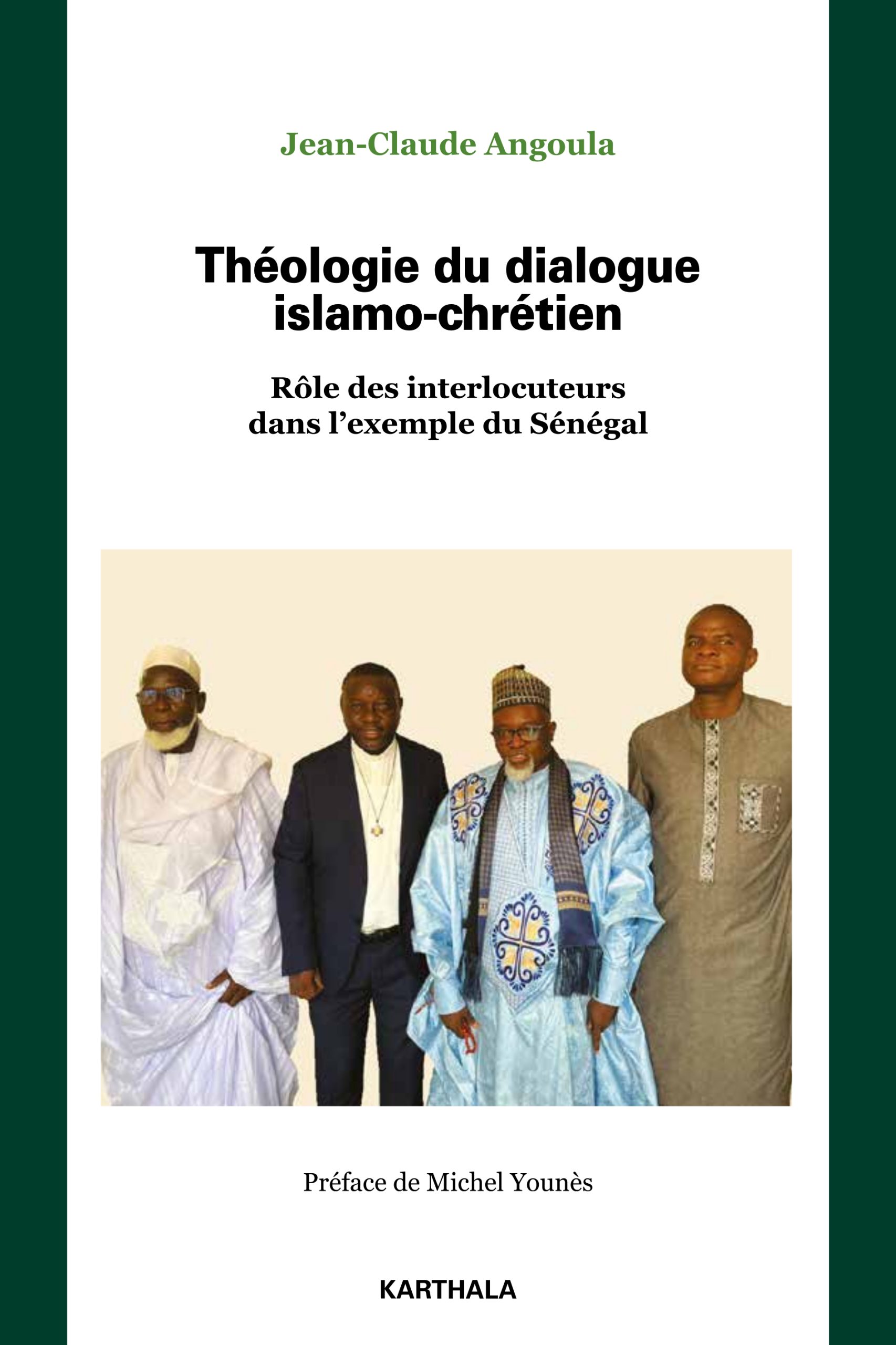
Theology of Islamic-Christian Dialogue: Role of Interlocutors in the Example of Senegal
- Jean-Claude Angoula
Encounters reveal the urgency of dialogue and the difficult quest for truth. This truth sometimes appears unique but elusive, especially during Islamic-Christian encounters. What model of dialogue ...